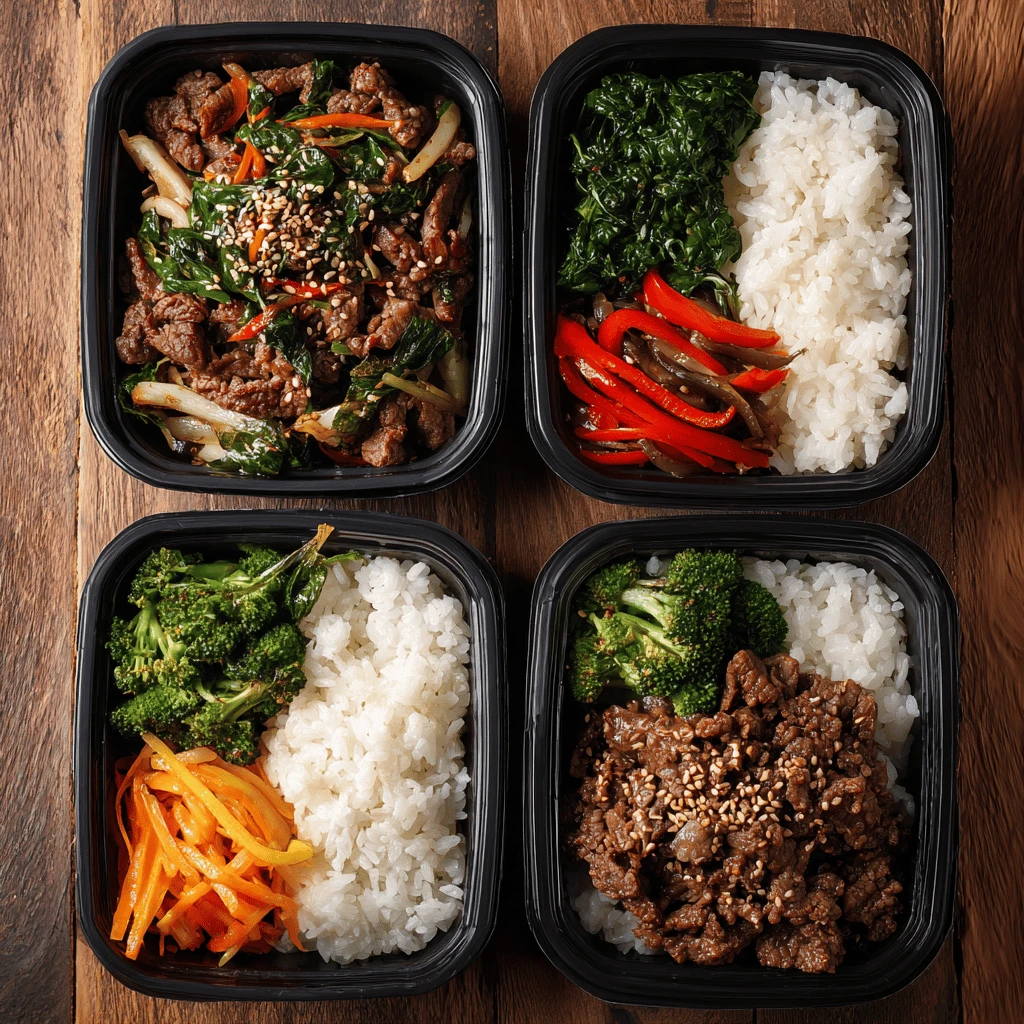
Korean Beef Meal Prep Ideas: Delicious & Easy Recipes for the Week Meal prepping is a fantastic way to save time and ensure you’re eating healthy, delicious meals throughout the week. And when it comes to flavorful and satisfying options, Korean beef is a top contender. This article will guide you through the best Korean…
Korean Beef Meal Prep Ideas: Delicious & Easy Recipes for the Week
Meal prepping is a fantastic way to save time and ensure you’re eating healthy, delicious meals throughout the week. And when it comes to flavorful and satisfying options, Korean beef is a top contender. This article will guide you through the best Korean beef meal prep ideas, providing recipes, tips, and variations to keep your lunches and dinners exciting and nutritious.
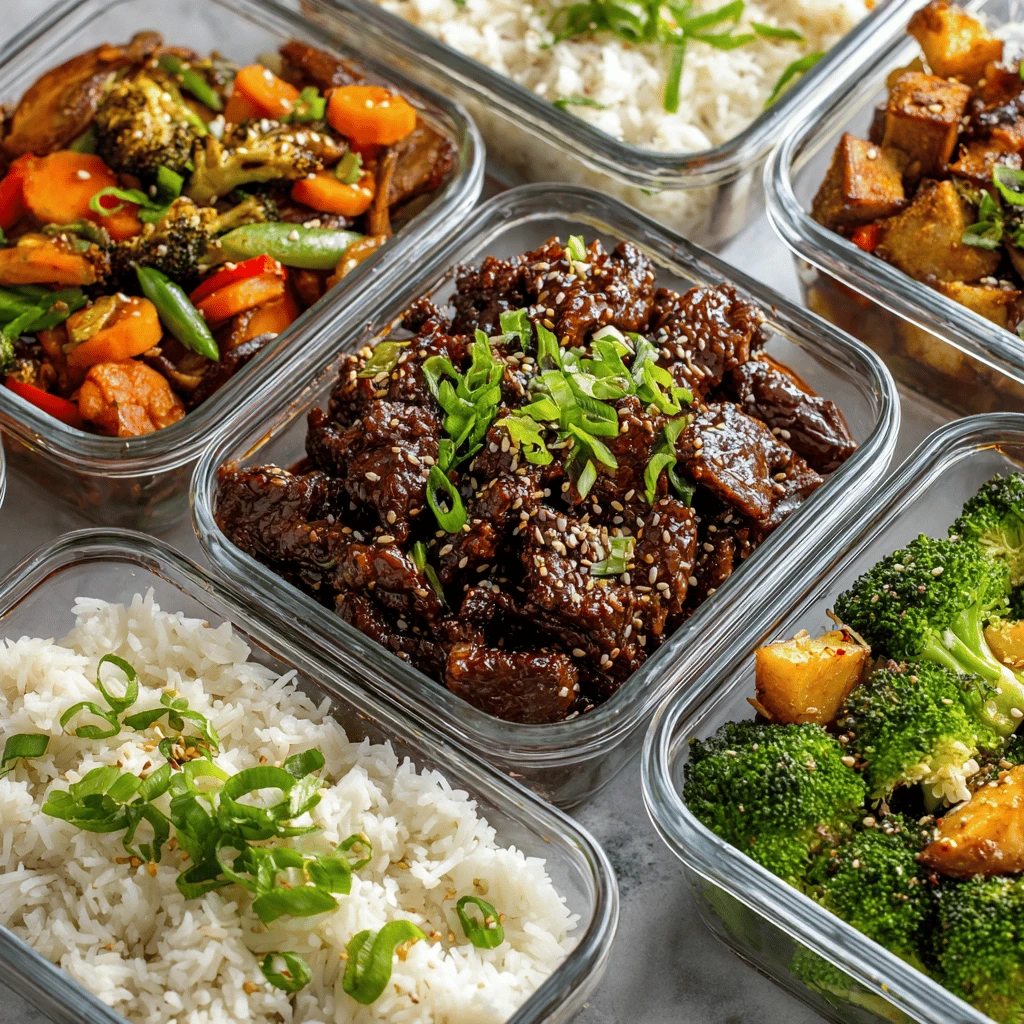
1. Understanding Korean Beef Flavors & Preparation
Korean beef, often referred to as Bulgogi when thinly sliced and marinated, is known for its savory-sweet profile. This delightful flavor comes from a combination of soy sauce, sugar (or honey), sesame oil, garlic, ginger, and often gochujang (Korean chili paste) for a touch of heat. Understanding these core ingredients is crucial for creating authentic and delicious meal prep recipes.
The Essential Marinade
The marinade is the heart of any good Korean beef recipe. While variations exist, the basic formula remains consistent:
- Soy Sauce: Provides the salty umami base. Use low-sodium soy sauce to control the sodium content.
- Sweetener: Sugar, honey, maple syrup, or even Asian pear puree add sweetness and help caramelize the beef during cooking. Brown sugar lends a richer, molasses-like flavor.
- Sesame Oil: A crucial ingredient for that authentic Korean aroma and nutty flavor.
- Garlic & Ginger: Essential aromatics that add depth and complexity. Freshly minced or grated is best.
- Optional Gochujang: For a spicy kick, add a tablespoon or two of gochujang, depending on your preference.
Choosing Your Beef Cut
The cut of beef you choose will impact the texture and cooking time. Here are a few popular options:
- Ribeye: A tender and flavorful option, but also more expensive. Thinly slice against the grain for optimal tenderness.
- Sirloin: A leaner option that’s still relatively tender. Ensure you slice it thinly and marinate it well.
- Flank Steak: A tougher cut, but works well with marinating and slicing thinly against the grain. Affordable and flavorful.
- Ground Beef: A quick and easy option for those short on time. Look for lean ground beef to minimize fat.
Cooking Methods
Korean beef can be cooked in various ways, making it adaptable to different meal prep styles:
- Stovetop: A quick and easy method for smaller batches. Use a large skillet or wok to ensure even cooking.
- Grill: Adds a smoky flavor that complements the Korean marinade beautifully.
- Oven: A convenient option for cooking larger quantities. Spread the beef in a single layer on a baking sheet.
- Slow Cooker: A hands-off approach that results in incredibly tender beef. However, be careful not to overcook it.
2. Korean Beef Bowl Meal Prep Recipes
Korean beef bowls are a classic meal prep option. They are easy to assemble, customizable, and packed with flavor and nutrients.
Classic Bulgogi Beef Bowl
This recipe features thinly sliced beef marinated in a traditional bulgogi marinade and served over rice with various toppings.
Ingredients:
- 1 lb thinly sliced beef (ribeye, sirloin, or flank steak)
- 1/4 cup soy sauce
- 2 tbsp brown sugar
- 1 tbsp sesame oil
- 2 cloves garlic, minced
- 1 tbsp grated ginger
- 1 tbsp gochujang (optional)
- 4 cups cooked rice (brown or white)
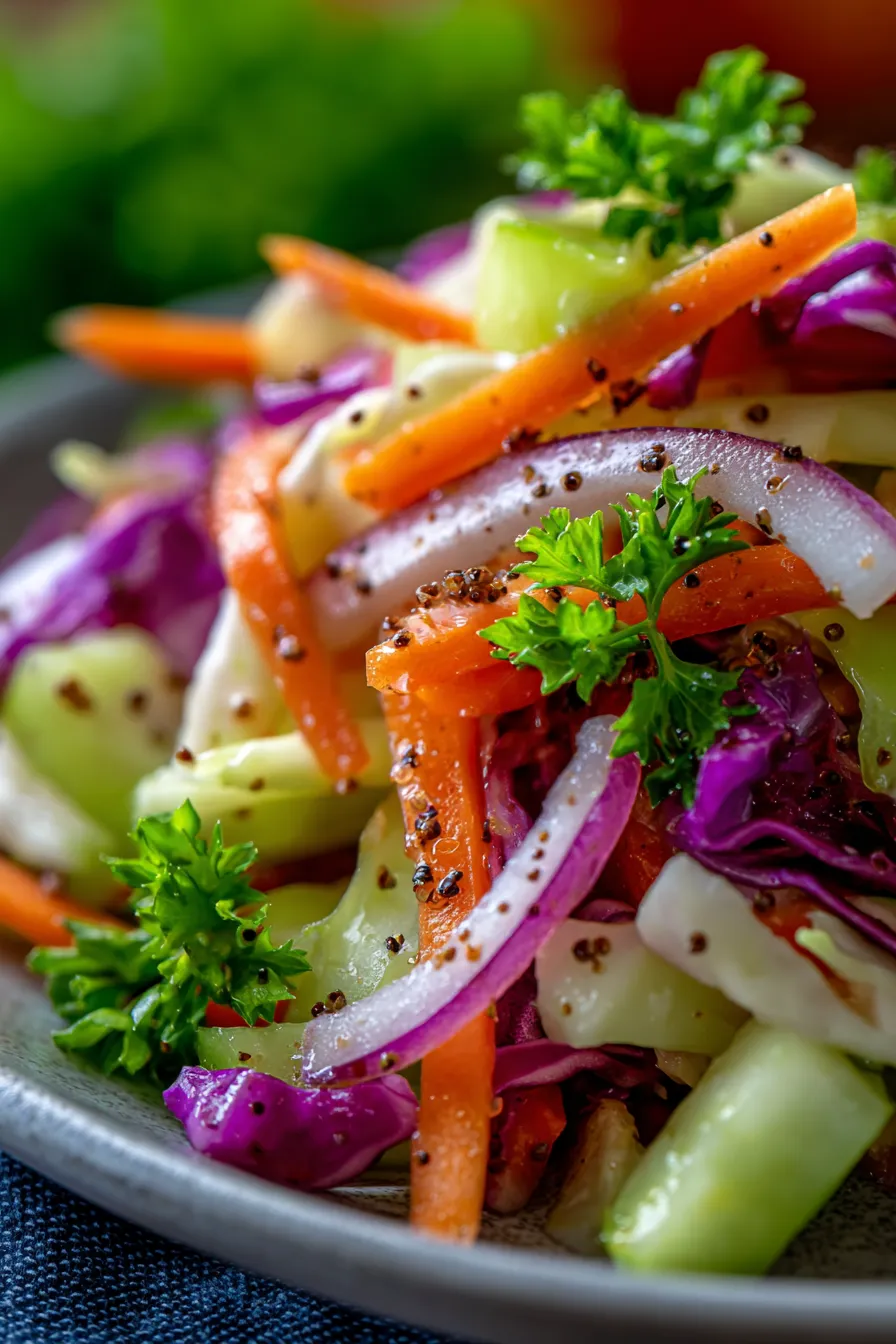
- Toppings: shredded carrots, sliced cucumber, spinach, bean sprouts, kimchi, fried egg, sesame seeds, green onions.
Instructions:
1. Combine soy sauce, brown sugar, sesame oil, garlic, ginger, and gochujang (if using) in a bowl.
2. Marinate the beef for at least 30 minutes, or up to overnight in the refrigerator.
3. Cook the beef in a skillet over medium-high heat until browned and cooked through.
4. Divide the rice into meal prep containers.
5. Top with the cooked beef and desired toppings.
6. Store in the refrigerator for up to 4 days.
Ground Beef Korean Bowl with Zucchini Noodles
This variation uses ground beef for a quicker and more budget-friendly option, and zucchini noodles for a lower-carb alternative.
Ingredients:
- 1 lb lean ground beef
- 1/4 cup soy sauce
- 2 tbsp honey
- 1 tbsp sesame oil
- 2 cloves garlic, minced
- 1 tbsp grated ginger
- 1 tbsp gochujang (optional)
- 4 medium zucchinis, spiralized into noodles
- Toppings: shredded carrots, sliced bell peppers, edamame, kimchi, sesame seeds, green onions.
Instructions:
1. Combine soy sauce, honey, sesame oil, garlic, ginger, and gochujang (if using) in a bowl.
2. Cook the ground beef in a skillet over medium heat until browned. Drain any excess fat.
3. Add the marinade to the ground beef and simmer for 5-10 minutes, until the sauce has thickened slightly.
4. Divide the zucchini noodles into meal prep containers.
5. Top with the Korean ground beef and desired toppings.
6. Store in the refrigerator for up to 4 days.
Tips for Perfect Korean Beef Bowls
- Don’t overcook the beef: Overcooked beef will be tough and dry. Cook it just until it’s browned and cooked through.
- Prepare toppings in advance: Chop vegetables and prepare any sauces or dressings ahead of time to save time during assembly.
- Store toppings separately: If you’re using crunchy toppings like sesame seeds or fried onions, store them in a separate container to prevent them from getting soggy.
- Consider portion sizes: Adjust the amount of rice and beef to match your individual calorie and macro needs.
3. Korean Beef Lettuce Wraps Meal Prep
For a lighter, lower-carb option, try Korean beef lettuce wraps. These are incredibly easy to make and are perfect for a quick and healthy lunch or dinner.
Bulgogi Lettuce Wraps
This simple recipe uses thinly sliced beef or ground beef and is served in crisp lettuce cups with a variety of toppings.
Ingredients:
- 1 lb thinly sliced beef (ribeye, sirloin, or flank steak) or ground beef
- 1/4 cup soy sauce
- 2 tbsp brown sugar
- 1 tbsp sesame oil
- 2 cloves garlic, minced
- 1 tbsp grated ginger
- 1 tbsp gochujang (optional)
- 1 head of butter lettuce or romaine lettuce
- Toppings: kimchi, shredded carrots, sliced cucumber, green onions, sesame seeds, sriracha mayo.
Instructions:
1. Prepare the beef as described in the Classic Bulgogi Beef Bowl recipe (or Ground Beef Korean Bowl recipe).
2. Wash and dry the lettuce leaves.
3. Arrange the lettuce leaves on a serving platter or in meal prep containers.
4. Fill the lettuce cups with the Korean beef and desired toppings.
5. Store in the refrigerator for up to 3 days.
Adding Variety to Your Lettuce Wraps
- Different Lettuce Varieties: Experiment with different types of lettuce, such as bibb lettuce, romaine lettuce, or even kale leaves.
- Spicy Mayo: Mix mayonnaise with sriracha or gochujang for a creamy and spicy sauce.
- Pickled Vegetables: Add pickled radish or cucumbers for a tangy and crunchy element.
- Fresh Herbs: Garnish with fresh cilantro or mint for added flavor and freshness.
4. Creative Korean Beef Meal Prep Ideas
Beyond bowls and lettuce wraps, there are plenty of other creative ways to incorporate Korean beef into your meal prep routine.
Korean Beef and Broccoli
This simple stir-fry is a healthy and delicious option that’s packed with protein and nutrients.
Ingredients:
- 1 lb thinly sliced beef (ribeye, sirloin, or flank steak)
- 1/4 cup soy sauce
- 2 tbsp brown sugar
- 1 tbsp sesame oil
- 2 cloves garlic, minced
- 1 tbsp grated ginger
- 1 tbsp gochujang (optional)
- 4 cups broccoli florets
- 1 tbsp cornstarch (optional, for thickening sauce)
- Toasted sesame seeds for garnish
Instructions:
1. Prepare the beef as described in the Classic Bulgogi Beef Bowl recipe.
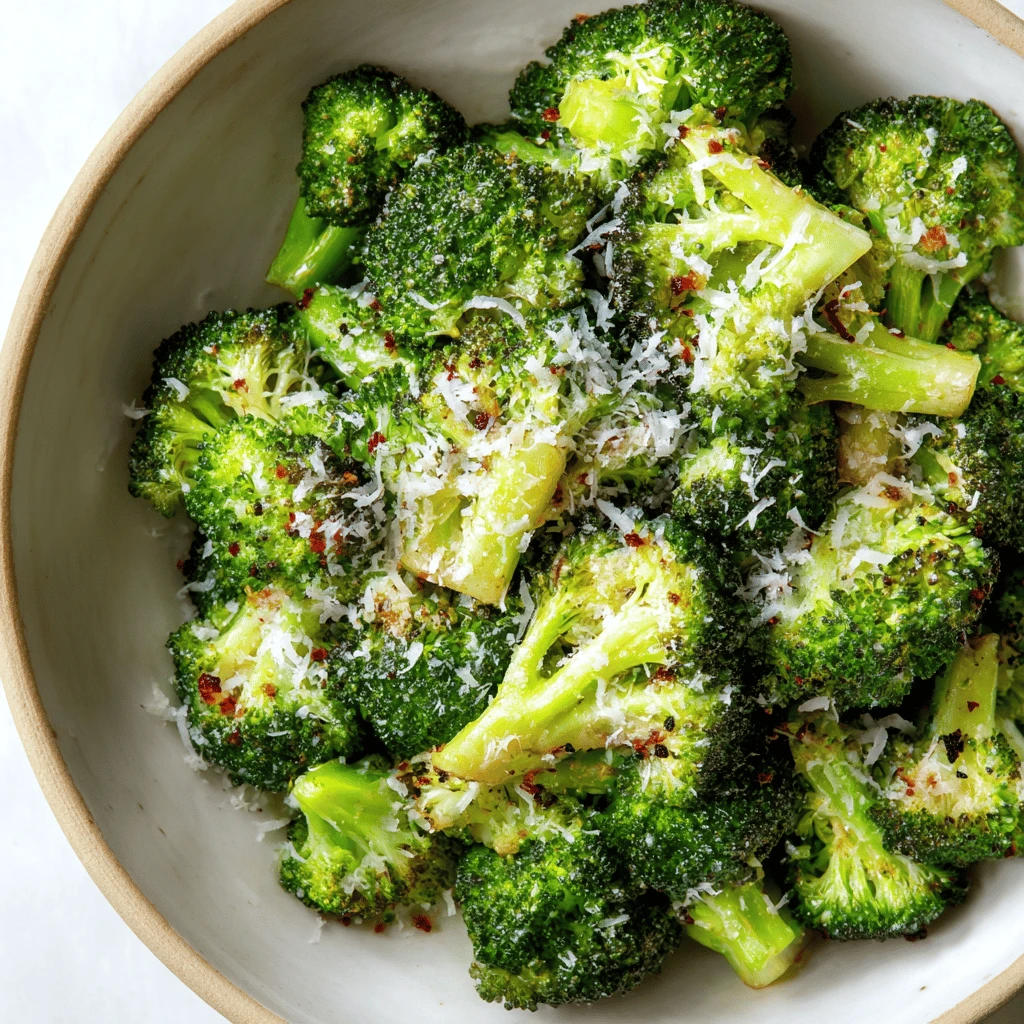
2. Steam or blanch the broccoli florets until tender-crisp.
3. Cook the beef in a skillet over medium-high heat until browned and cooked through.
4. Add the broccoli to the skillet and stir-fry for 2-3 minutes, until heated through.
5. If desired, mix cornstarch with 2 tablespoons of water and add to the skillet to thicken the sauce.
6. Garnish with toasted sesame seeds.
7. Serve over rice or quinoa.
Korean Beef Quesadillas
A fun and flavorful twist on a classic Mexican dish.
Ingredients:
- 1 lb thinly sliced beef (ribeye, sirloin, or flank steak) or ground beef
- 1/4 cup soy sauce
- 2 tbsp brown sugar
- 1 tbsp sesame oil
- 2 cloves garlic, minced
- 1 tbsp grated ginger
- 1 tbsp gochujang (optional)
- 8 flour tortillas
- 2 cups shredded cheese (Monterey Jack, cheddar, or a blend)
- Toppings: kimchi, sour cream, green onions, sriracha.
Instructions:
1. Prepare the beef as described in the Classic Bulgogi Beef Bowl recipe (or Ground Beef Korean Bowl recipe).
2. Heat a large skillet or griddle over medium heat.
3. Place a tortilla in the skillet and sprinkle with cheese.
4. Top with the Korean beef and desired toppings.
5. Sprinkle with more cheese and top with another tortilla.
6. Cook for 2-3 minutes per side, until the tortilla is golden brown and the cheese is melted.
7. Cut into wedges and serve.
Korean Beef Fried Rice
A great way to use up leftover rice and vegetables.
Ingredients:
- 2 cups cooked rice (day-old is best)
- 1 lb thinly sliced beef (ribeye, sirloin, or flank steak) or ground beef
- 1/4 cup soy sauce
- 2 tbsp brown sugar
- 1 tbsp sesame oil
- 2 cloves garlic, minced
- 1 tbsp grated ginger
- 1 tbsp gochujang (optional)
- 1 cup mixed vegetables (peas, carrots, corn)
- 2 eggs, lightly beaten
- Green onions, sliced, for garnish
Instructions:
1. Prepare the beef as described in the Classic Bulgogi Beef Bowl recipe (or Ground Beef Korean Bowl recipe).
2. Heat a wok or large skillet over high heat.
3. Add a tablespoon of oil and stir-fry the mixed vegetables until tender-crisp. Remove from the wok.
4. Add the beaten eggs to the wok and cook, stirring constantly, until scrambled. Remove from the wok.
5. Add the cooked rice to the wok and break it up with a spatula.
6. Add the Korean beef, vegetables, and eggs to the wok and stir-fry until heated through.
7. Garnish with green onions and serve.
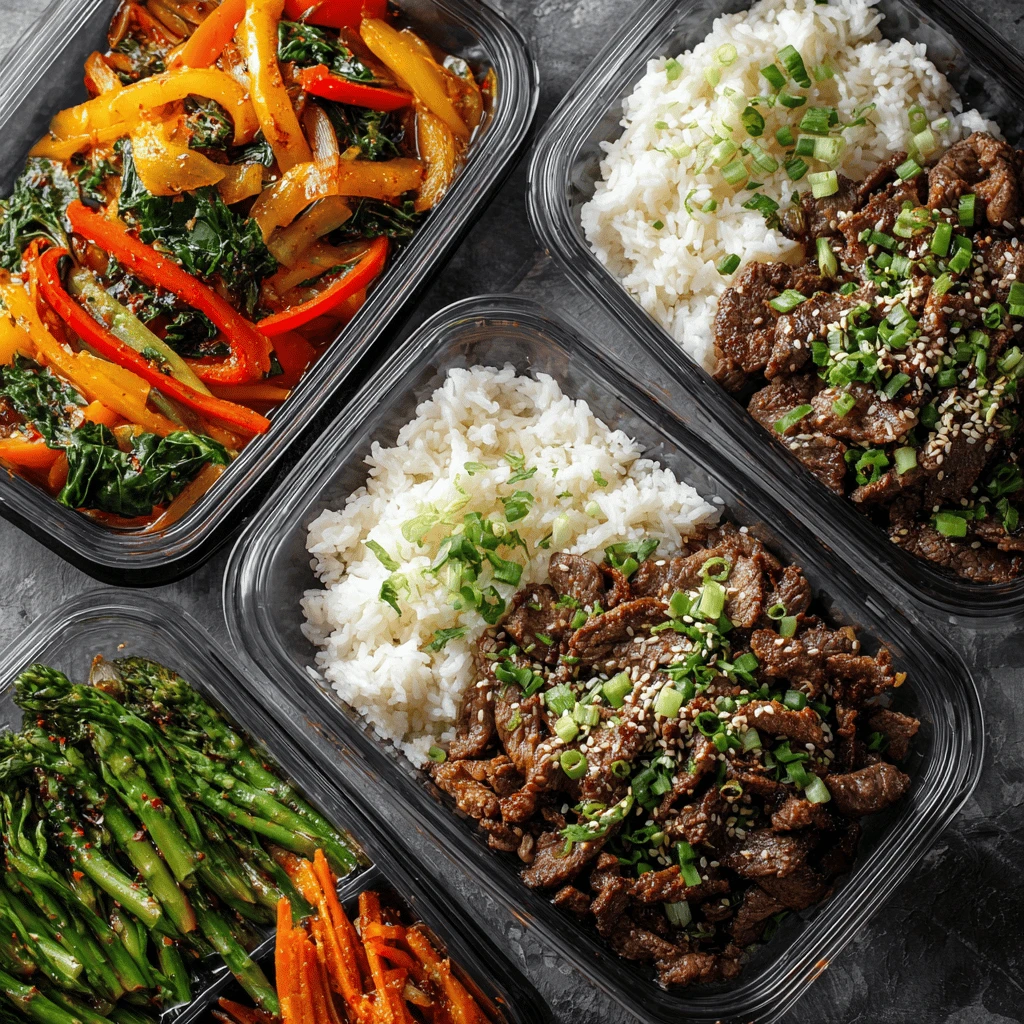
5. Tips & Tricks for Successful Korean Beef Meal Prep
- Invest in quality containers: Airtight containers are essential for keeping your meal prep fresh and preventing leaks.
- Cool food completely before storing: This helps prevent condensation from forming and keeps your food from getting soggy.
- Label your containers: Labeling with the date and contents will help you keep track of what you have and prevent food waste.
- Don’t be afraid to experiment: Korean beef is a versatile ingredient, so don’t be afraid to try new recipes and variations.
- Properly Reheating: Reheat in the microwave, oven, or skillet until heated through. Add a splash of water or broth to prevent the beef from drying out.
- Prep in Bulk: Double or triple the recipes to save even more time during the week.
- Variety is Key: Rotate different Korean beef meal prep recipes each week to prevent boredom and ensure you’re getting a variety of nutrients.
Frequently Asked Questions (FAQ)
Q: How long does Korean beef last in the fridge?
A: Properly stored Korean beef will last for up to 3-4 days in the refrigerator.
Q: Can I freeze Korean beef?
A: Yes, you can freeze cooked Korean beef. Store it in an airtight container or freezer bag for up to 2-3 months. Thaw it in the refrigerator overnight before reheating.
Q: What’s the best way to reheat Korean beef?
A: You can reheat Korean beef in the microwave, oven, or skillet. Add a splash of water or broth to prevent it from drying out.
Q: Can I use different types of meat?
A: While beef is traditional, you can also use pork, chicken, or even tofu for a vegetarian option. Adjust cooking times accordingly.
Q: Is Korean beef spicy?
A: It depends on whether you add gochujang (Korean chili paste) to the marinade. You can adjust the amount of gochujang to control the spiciness.
Q: What are some good side dishes to serve with Korean beef?
A: Popular side dishes include kimchi, rice, steamed vegetables, and Korean potato salad.