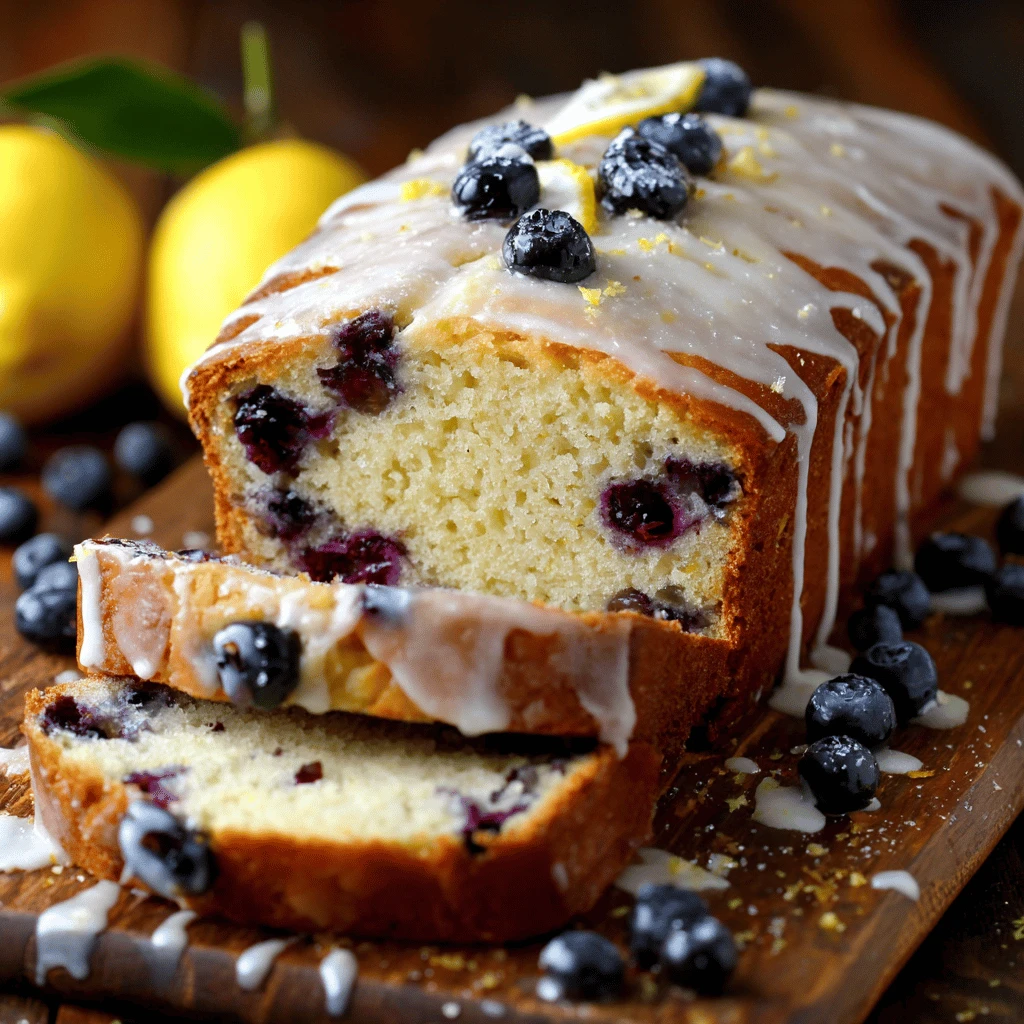
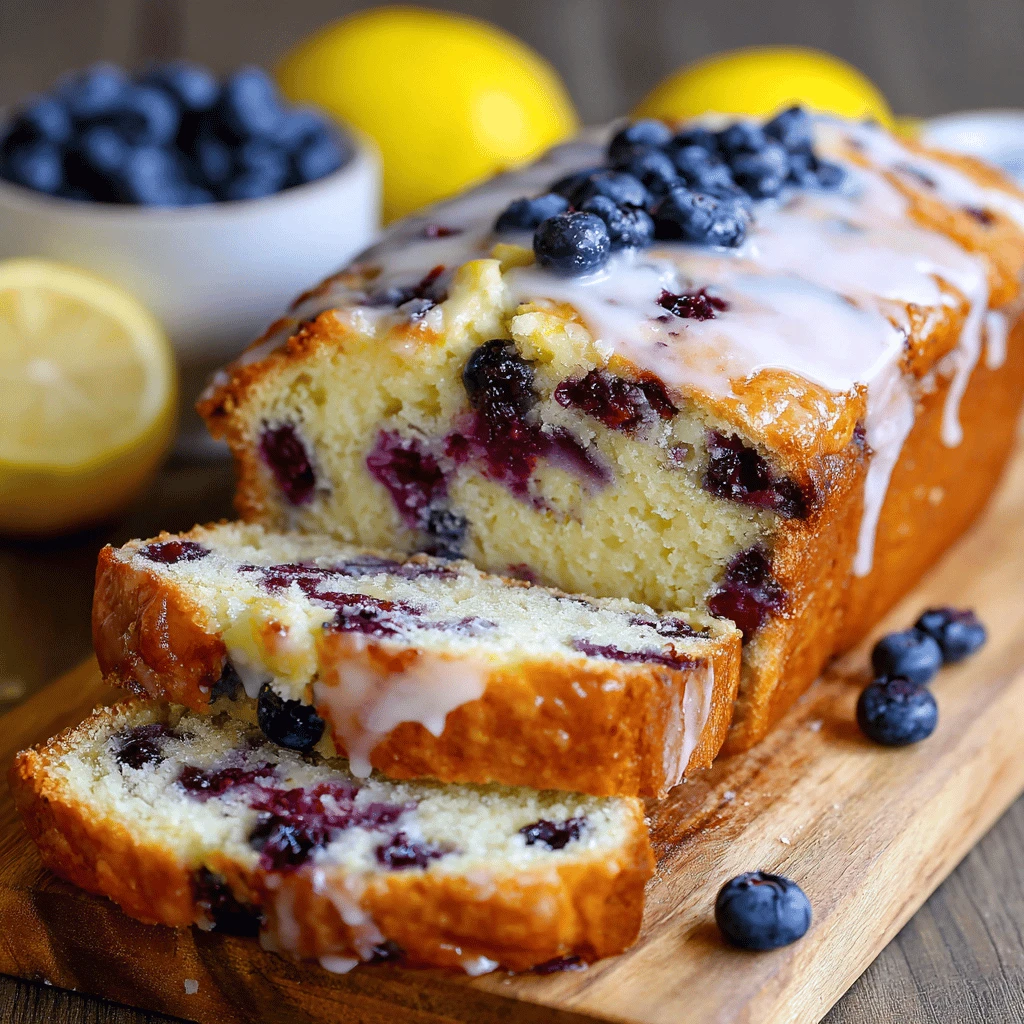
Blueberry Lemon Glazed Bread Ingredients 2 cups all-purpose flour 1 teaspoon baking powder 1/2 teaspoon baking soda 1/4 teaspoon salt 1 cup granulated sugar 1/2 cup (1 stick) unsalted butter, softened 2 large eggs 1/2 cup sour cream or plain yogurt 1/4 cup milk 1 tablespoon lemon zest 2 tablespoons lemon juice 1 teaspoon vanilla…
Blueberry Lemon Glazed Bread
Ingredients
- 2 cups all-purpose flour
- 1 teaspoon baking powder
- 1/2 teaspoon baking soda
- 1/4 teaspoon salt
- 1 cup granulated sugar
- 1/2 cup (1 stick) unsalted butter, softened
- 2 large eggs
- 1/2 cup sour cream or plain yogurt
- 1/4 cup milk
- 1 tablespoon lemon zest
- 2 tablespoons lemon juice
- 1 teaspoon vanilla extract
- 1 cup fresh or frozen blueberries
For the Glaze:
- 1 cup powdered sugar
- 2-3 tablespoons lemon juice
Step-by-Step
1. Preheat your oven to 350°F (175°C). Grease and flour a 9×5 inch loaf pan.
2. In a medium bowl, whisk together the flour, baking powder, baking soda, and salt.
3. In a large bowl, cream together the softened butter and granulated sugar until light and fluffy.
4. Beat in the eggs one at a time, then stir in the sour cream, milk, lemon zest, lemon juice, and vanilla extract.
5. Gradually add the dry ingredients to the wet ingredients, mixing until just combined. Do not overmix.
6. Gently fold in the blueberries.
7. Pour the batter into the prepared loaf pan and spread evenly.
8. Bake for 50-60 minutes, or until a wooden skewer inserted into the center comes out clean.
9. Let the bread cool in the pan for 10 minutes before transferring it to a wire rack to cool completely.
10. While the bread is cooling, prepare the glaze. In a small bowl, whisk together the powdered sugar and lemon juice until smooth. Add more lemon juice if needed to reach desired consistency.
11. Once the bread is completely cooled, drizzle the glaze over the top.
12. Let the glaze set before slicing and serving.
Mastering the Blueberry Lemon Bread
### Choosing the Right Ingredients
The quality of your ingredients directly impacts the final taste and texture of the bread. Opt for fresh, high-quality items whenever possible.
Using good quality butter makes a difference. Room temperature eggs also incorporate into the batter easier.
Fresh lemon zest provides the most vibrant citrus flavor. Frozen blueberries work well, but fresh ones may bleed less into the batter.
### Achieving the Perfect Texture
Getting the right texture is crucial for a delicious loaf. Overmixing the batter can lead to a tough bread.
Mix the wet and dry ingredients until just combined. This prevents gluten development and ensures a tender crumb.
Sour cream or plain yogurt adds moisture and richness to the bread. If you don’t have sour cream, try Greek yogurt, but drain off some of the liquid first.
Proper baking time is also key. Use a wooden skewer to check for doneness.
### Tips for Baking Success
Baking can be tricky, but these tips will help you achieve success every time.
Make sure your oven is properly preheated. An oven thermometer can help ensure accuracy.
Greasing and flouring the loaf pan prevents the bread from sticking. You can also use baking spray with flour.
If the top of the bread starts to brown too quickly, tent it with aluminum foil. This will prevent it from burning.
### Variations and Adaptations
This recipe is versatile and can be easily adapted to suit your preferences.
Add a streusel topping for extra sweetness and crunch. Combine flour, sugar, and butter for a simple streusel.
Substitute other berries for blueberries. Raspberries, blackberries, or mixed berries would all be delicious.
For a gluten-free version, use a gluten-free flour blend. Be sure to add a binder like xanthan gum.
### Serving and Storing Your Bread
Proper serving and storage are essential to maintaining the bread’s flavor and freshness.
Let the bread cool completely before slicing. This prevents it from becoming gummy.
Store leftover bread in an airtight container at room temperature for up to 3 days. For longer storage, freeze the bread.
To freeze, wrap the bread tightly in plastic wrap and then in foil. It can be frozen for up to 2 months.
Troubleshooting Common Issues
### Why is my bread dry?
Dry bread is a common issue that can be caused by a few factors.
Overbaking is a primary culprit. Check for doneness with a wooden skewer, and remove the bread from the oven as soon as it’s ready.
Too much flour or not enough liquid can also result in dry bread. Measure your ingredients carefully.
Make sure your oven temperature is accurate. An oven that runs too hot can dry out the bread.
### Why is my bread dense?
Dense bread can be disappointing, but it’s often fixable.
Overmixing the batter is a common cause. Mix the wet and dry ingredients until just combined.
Using old or expired baking powder or baking soda can also lead to dense bread. Make sure your leavening agents are fresh.
Not enough leavening is another potential issue. Double-check the recipe and make sure you’re using the correct amount of baking powder and baking soda.
### Why did my blueberries sink to the bottom?
Blueberries sinking to the bottom can be frustrating, but there are ways to prevent it.
Tossing the blueberries in flour before adding them to the batter can help. This creates a barrier that prevents them from sinking.
Using a thicker batter can also help. A thinner batter is more likely to allow the blueberries to sink.
Avoid overfilling the loaf pan. Too much batter can cause the blueberries to sink.
### Why is my glaze too thin or too thick?
Getting the right glaze consistency can be tricky.
If your glaze is too thin, add more powdered sugar, a tablespoon at a time, until it reaches the desired thickness.
If your glaze is too thick, add more lemon juice, a teaspoon at a time, until it thins out.
Make sure the bread is completely cool before glazing. A warm bread can cause the glaze to melt and run.
### My bread is browning too quickly.
If your bread is browning too quickly, there’s an easy fix!
Simply tent the loaf pan with aluminum foil during the last part of the baking time. This will protect the top from burning.
You can also lower the oven temperature slightly. Reduce it by 25 degrees F (15 degrees C).
Make sure your oven rack is positioned in the center of the oven. This will help ensure even baking.
The Science Behind the Baking
### The Role of Gluten
Gluten is a protein found in wheat flour that gives bread its structure. When flour is mixed with water, gluten develops and creates a network of elastic strands.
Overmixing the batter can lead to excessive gluten development, resulting in a tough bread. That’s why it’s important to mix the wet and dry ingredients until just combined.
Using a lower-protein flour, like cake flour, can also help to create a more tender crumb.
### The Importance of Leavening Agents
Baking powder and baking soda are leavening agents that help the bread rise. They create carbon dioxide gas, which forms bubbles in the batter and makes the bread light and airy.
Baking powder is a complete leavening agent, meaning it contains both an acid and a base. Baking soda, on the other hand, requires an acidic ingredient, like sour cream or lemon juice, to activate.
Using the correct amount of leavening agent is crucial for achieving the desired rise. Too much can cause the bread to collapse, while too little can result in a dense bread.
### The Effect of Sugar
Sugar not only adds sweetness to the bread but also contributes to its texture and browning. Sugar helps to tenderize the gluten, resulting in a softer crumb.
It also promotes browning through a process called the Maillard reaction, which occurs when sugars and amino acids are heated together.
Using different types of sugar, like brown sugar, can also affect the flavor and texture of the bread. Brown sugar adds a molasses-like flavor and makes the bread more moist.
### The Function of Fats
Fats, like butter, play several important roles in bread baking. They add richness and flavor, tenderize the gluten, and help to keep the bread moist.
Creaming the butter and sugar together creates air pockets that contribute to the bread’s light and airy texture.
Using different types of fats, like oil, can also affect the flavor and texture of the bread. Oil tends to produce a more tender and moist crumb than butter.
### The Magic of Lemon and Blueberries
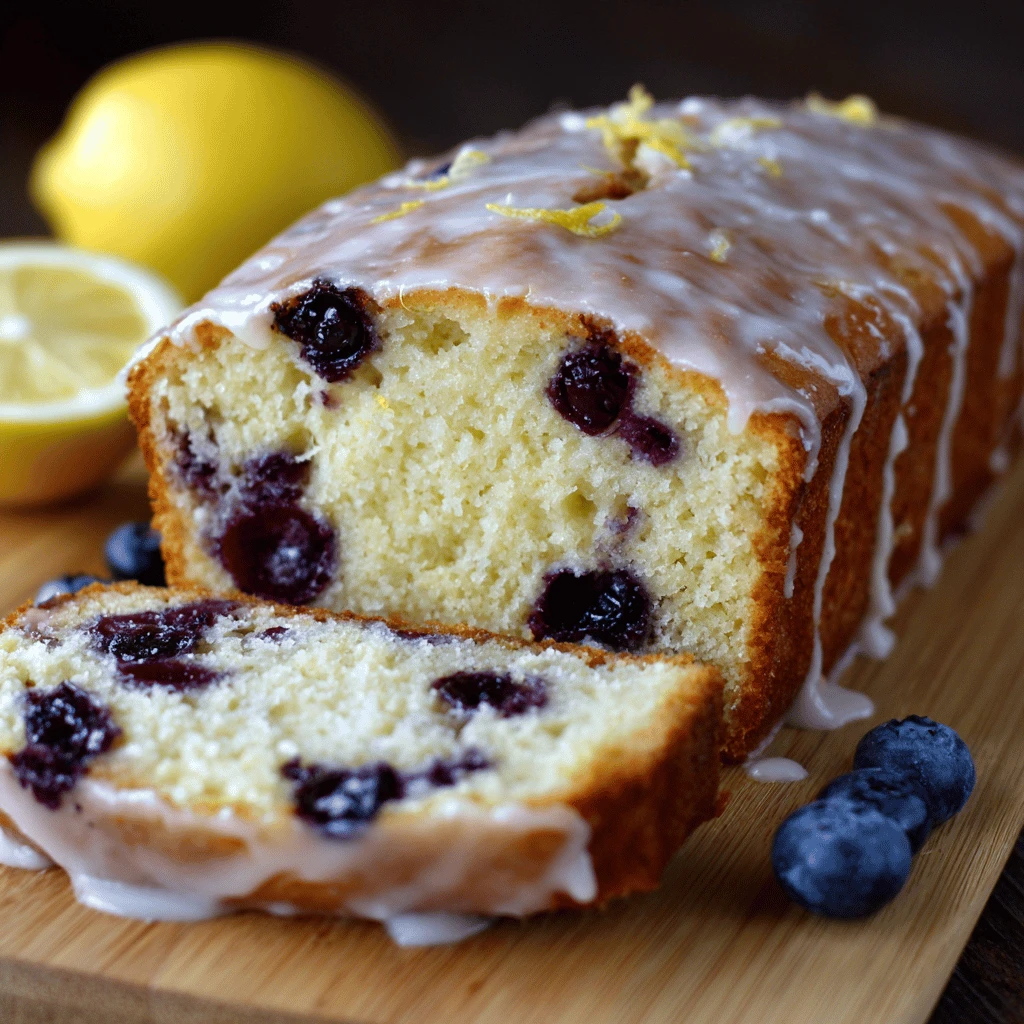
Lemon and blueberries are a classic combination that adds bright, refreshing flavors to the bread.
Lemon zest contains essential oils that contribute a strong citrus aroma and flavor. Lemon juice adds acidity, which balances the sweetness of the sugar and activates the baking soda.
Blueberries are packed with antioxidants and add a burst of juicy sweetness to the bread. They also contribute a beautiful color and visual appeal.
Serving Suggestions and Pairings
### Breakfast and Brunch
Blueberry Lemon Glazed Bread is a perfect addition to any breakfast or brunch spread.
Serve it alongside scrambled eggs, bacon, and fresh fruit for a complete and satisfying meal.
Pair it with a cup of coffee, tea, or a refreshing glass of orange juice.
### Afternoon Tea
This bread makes a delightful treat for afternoon tea.
Serve it with a selection of other sweets, like scones, cookies, and cakes.
Pair it with a pot of your favorite tea, like Earl Grey or chamomile.
### Dessert
Blueberry Lemon Glazed Bread can also be served as a simple and elegant dessert.
Serve it with a scoop of vanilla ice cream or a dollop of whipped cream.
Drizzle it with extra lemon glaze for an added touch of sweetness.
### Special Occasions
This bread is perfect for special occasions, like birthdays, holidays, and potlucks.
It’s a crowd-pleasing dessert that’s sure to be a hit with everyone.
Make a double batch to ensure there’s enough for everyone to enjoy.
### Creative Pairings
Get creative with your pairings!
Try serving it with a cheese board featuring creamy cheeses like brie or goat cheese.
Pair it with a glass of dessert wine, like Moscato or Sauternes.
Experiment with different toppings, like toasted nuts or a sprinkle of sea salt.
FAQ
### Can I use frozen blueberries?
Yes, you can use frozen blueberries. Do not thaw them before adding them to the batter.
### How do I keep the blueberries from sinking?
Toss the blueberries in a tablespoon of flour before adding them to the batter.
### Can I make this bread ahead of time?
Yes, you can make the bread ahead of time. Store it in an airtight container at room temperature for up to 3 days or freeze for longer storage.
### Can I substitute the sour cream?
Yes, you can substitute plain yogurt for the sour cream.
### How do I store leftover bread?
Store leftover bread in an airtight container at room temperature for up to 3 days or freeze for longer storage.