
Spinach and Cheese Omelette: A Fluffy, Flavorful Delight Introduction: The Perfect Morning Kickstart The spinach and cheese omelette: a timeless breakfast classic that’s both incredibly satisfying and packed with nutrients. More than just a quick meal, it’s a versatile canvas for culinary creativity. Whether you’re a seasoned cook or a beginner, mastering the art of…
Spinach and Cheese Omelette: A Fluffy, Flavorful Delight
Introduction: The Perfect Morning Kickstart
The spinach and cheese omelette: a timeless breakfast classic that’s both incredibly satisfying and packed with nutrients. More than just a quick meal, it’s a versatile canvas for culinary creativity. Whether you’re a seasoned cook or a beginner, mastering the art of the perfect spinach and cheese omelette will elevate your breakfast game and leave you feeling energized for the day ahead. This guide will walk you through the steps, offering tips and tricks to create a truly exceptional omelette every time.

Mastering the Basics: Ingredients and Preparation
The key to a truly exceptional omelette lies in the quality of its ingredients and the meticulousness of the preparation. Choosing fresh, flavorful components makes all the difference in creating a dish that tantalizes the taste buds.
Selecting Your Ingredients
- Eggs: Opt for fresh, high-quality eggs. Free-range or organic eggs often have richer yolks and contribute to a more flavorful omelette. The number of eggs you’ll need depends on your appetite; two to three large eggs typically make a substantial single-serving omelette.
- Spinach: Fresh spinach is ideal for its vibrant flavor and texture. Thoroughly wash and dry the spinach to remove any grit. You can use baby spinach for a milder taste or mature spinach for a more robust flavor. Frozen spinach, properly thawed and squeezed dry, is also a viable option, especially when fresh spinach is unavailable.
- Cheese: The cheese selection is where you can truly personalize your omelette. Gruyere, cheddar, mozzarella, feta, and goat cheese all work beautifully, each imparting its unique flavor profile. Consider a blend of cheeses for a more complex and nuanced taste. Shredded cheese melts more evenly, ensuring a smooth and creamy texture.
- Butter or Oil: Choose your preferred cooking fat. Butter adds a rich, nutty flavor, while olive oil offers a healthier alternative with a subtle peppery note. Clarified butter (ghee) is an excellent option, as it has a higher smoke point and won’t burn as easily.
- Seasonings: Keep it simple with salt and freshly ground black pepper to enhance the natural flavors of the ingredients. A pinch of nutmeg or garlic powder can also add a touch of warmth and complexity.
Preparing Your Ingredients
- Spinach Preparation: If using fresh spinach, lightly sauté it in a pan with a little butter or olive oil until wilted. This helps to reduce its volume and remove excess moisture, preventing a soggy omelette. Season with salt and pepper to taste. If using frozen spinach, ensure it is thoroughly thawed and squeezed dry to remove all excess water.
- Cheese Preparation: Shred or crumble the cheese you’ve selected. Having it ready to go will ensure it melts quickly and evenly in the omelette.
- Egg Preparation: Crack the eggs into a bowl and whisk vigorously until the yolks and whites are fully combined and slightly frothy. This incorporates air into the eggs, resulting in a lighter, fluffier omelette. Season with salt and pepper. You can also add a splash of milk or cream for extra richness, but this is optional.
The Art of Cooking: A Step-by-Step Guide
With your ingredients prepped and ready, it’s time to move on to the cooking process. Mastering the technique is crucial for achieving a perfectly cooked omelette: tender, fluffy, and golden brown.
The Right Equipment
- Non-Stick Pan: A good quality non-stick pan is essential for preventing the omelette from sticking and tearing. An 8-inch pan is ideal for a two- to three-egg omelette.
- Spatula: A flexible silicone spatula is perfect for gently lifting the edges of the omelette and folding it without damaging its delicate texture.
Cooking Instructions
1. Heat the Pan: Place the non-stick pan over medium-low heat. Add a pat of butter or a drizzle of oil to the pan and let it melt and coat the surface evenly. The pan should be hot enough that a drop of water sizzles and evaporates quickly.
2. Pour in the Eggs: Pour the whisked eggs into the heated pan. Let the eggs cook undisturbed for a few seconds, allowing a thin layer to set around the edges.
3. Create the Curd: Use the spatula to gently push the cooked egg from the edges towards the center, tilting the pan to allow the uncooked egg to flow underneath. Repeat this process until most of the egg is set but the top is still slightly moist. This technique creates delicate, soft curds that contribute to the omelette’s fluffy texture.
4. Add the Filling: Sprinkle the sautéed spinach and cheese evenly over one half of the omelette.
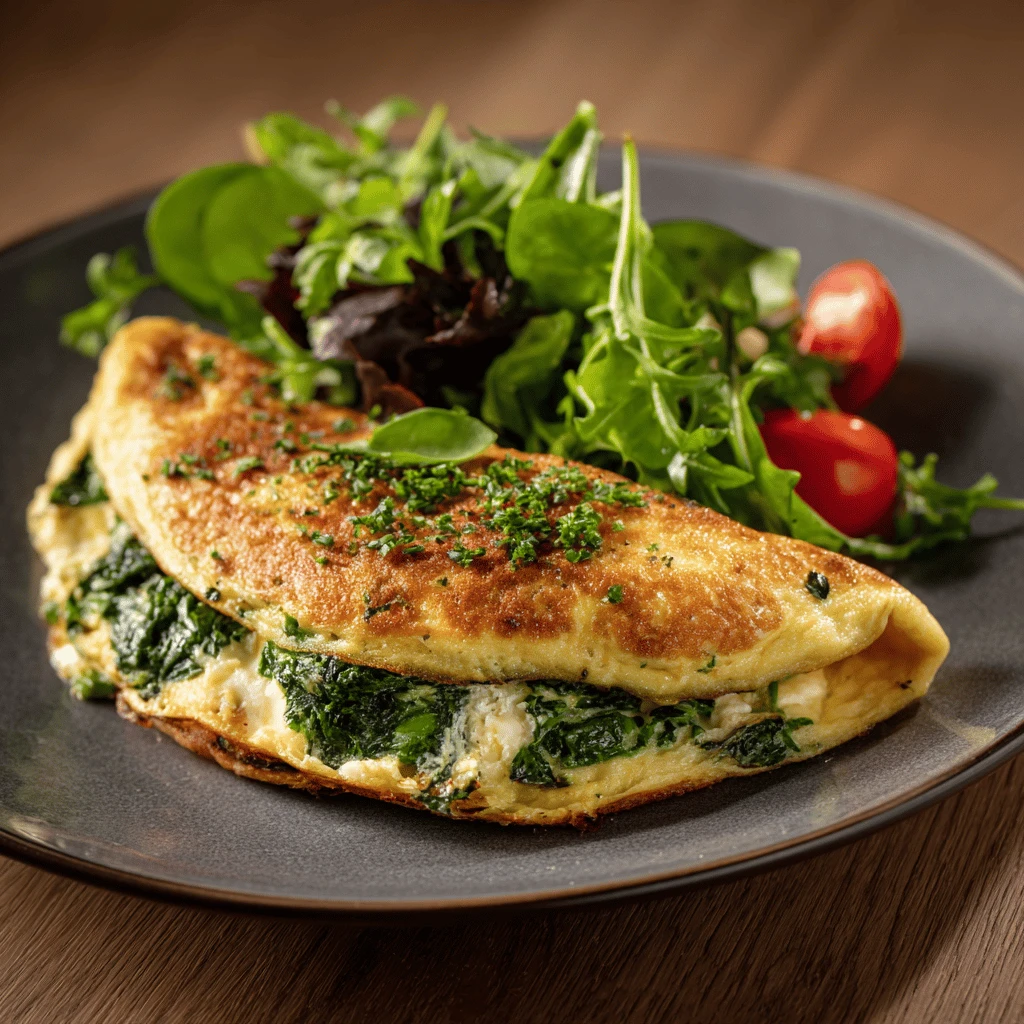
5. Fold and Finish: Carefully fold the other half of the omelette over the filling, using the spatula to help guide it. Cook for another minute or two, until the cheese is melted and the omelette is heated through. You can cover the pan with a lid for a few seconds to help melt the cheese more quickly.
6. Serve: Gently slide the omelette onto a plate. Garnish with a sprinkle of fresh herbs, such as parsley or chives, for added flavor and visual appeal.
Variations and Customizations
One of the great things about a spinach and cheese omelette is its versatility. Feel free to experiment with different ingredients and flavor combinations to create your own unique version.
Ingredient Swaps and Additions
- Vegetables: Add other vegetables, such as mushrooms, onions, bell peppers, or tomatoes, to the spinach filling for added flavor and texture. Sauté them along with the spinach before adding them to the omelette.
- Protein: Incorporate cooked ham, bacon, sausage, or smoked salmon for a heartier omelette.
- Herbs and Spices: Experiment with different herbs and spices to enhance the flavor. Try adding fresh dill, chives, oregano, or a pinch of red pepper flakes for a little heat.
- Cheese Variations: Explore different cheese combinations to find your perfect blend. Gruyere and Swiss cheese pair well with spinach, while feta adds a tangy and salty element.
Different Cooking Methods
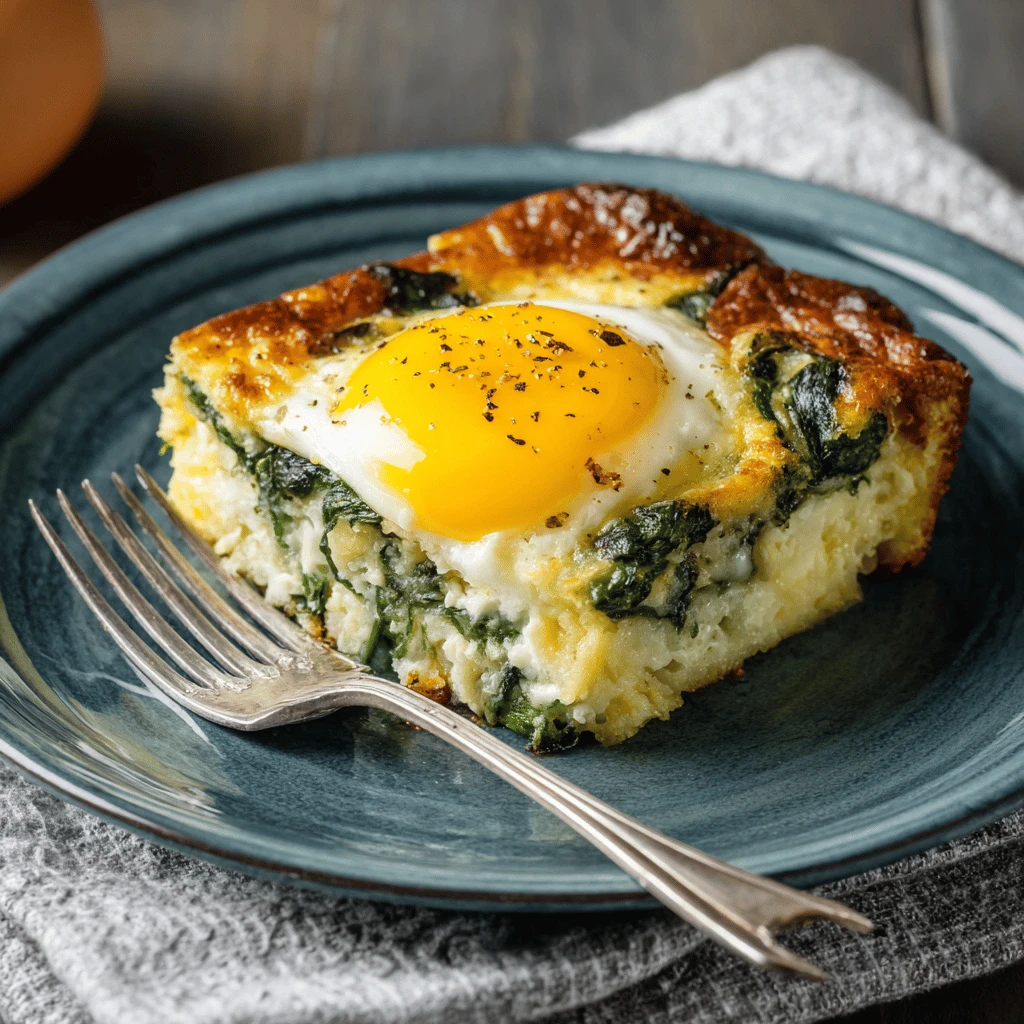
- Frittata: If you prefer a less hands-on approach, you can turn the omelette into a frittata. Simply pour the egg mixture into an oven-safe skillet, add the spinach and cheese, and bake in a preheated oven at 350°F (175°C) for 20-25 minutes, or until the eggs are set.
- Omelette in a Bag: For a quick and easy breakfast, try making an omelette in a bag. Whisk the eggs with your desired fillings in a zip-top bag, seal tightly, and place in a pot of boiling water for about 15 minutes, or until the eggs are cooked through.
Tips and Tricks for Omelette Perfection
Achieving omelette perfection requires practice and attention to detail. Here are some essential tips and tricks to help you create a truly exceptional dish:
- Don’t Overcook the Eggs: The key to a fluffy and tender omelette is to avoid overcooking the eggs. Remove the omelette from the heat while it is still slightly moist in the center, as it will continue to cook from the residual heat.
- Use Medium-Low Heat: Cooking the omelette over medium-low heat ensures that the eggs cook evenly without browning too quickly.
- Don’t Overfill the Omelette: Adding too much filling can make the omelette difficult to fold and cook evenly. Stick to a moderate amount of filling to ensure a perfectly balanced omelette.
- Preheat the Pan Properly: A properly preheated pan is essential for preventing the omelette from sticking. The pan should be hot enough that a drop of water sizzles and evaporates quickly.
- Whisk the Eggs Thoroughly: Whisking the eggs vigorously incorporates air, resulting in a lighter and fluffier omelette.
Frequently Asked Questions (FAQ)
Q: Can I prepare the spinach ahead of time?
A: Yes, you can sauté the spinach in advance and store it in the refrigerator for up to 2 days. This can save you time in the morning. Ensure it is completely cool before storing it.
Q: What kind of cheese melts best in an omelette?
A: Cheeses like cheddar, Gruyere, mozzarella, and Swiss melt very well. Pre-shredded cheese is also convenient as it melts quickly and evenly.
Q: How do I prevent my omelette from sticking to the pan?
A: Use a non-stick pan and make sure it’s properly preheated. Add a sufficient amount of butter or oil to coat the surface evenly. Cooking over medium-low heat also helps.
Q: Can I add other vegetables to my spinach and cheese omelette?
A: Absolutely! Mushrooms, onions, bell peppers, and tomatoes are great additions. Sauté them before adding them to the omelette to soften them and enhance their flavor.
Q: Can I freeze an omelette?
A: While you can technically freeze an omelette, the texture may change upon thawing. It’s best enjoyed fresh. If you must freeze it, wrap it tightly in plastic wrap and then foil. Thaw it in the refrigerator before reheating.