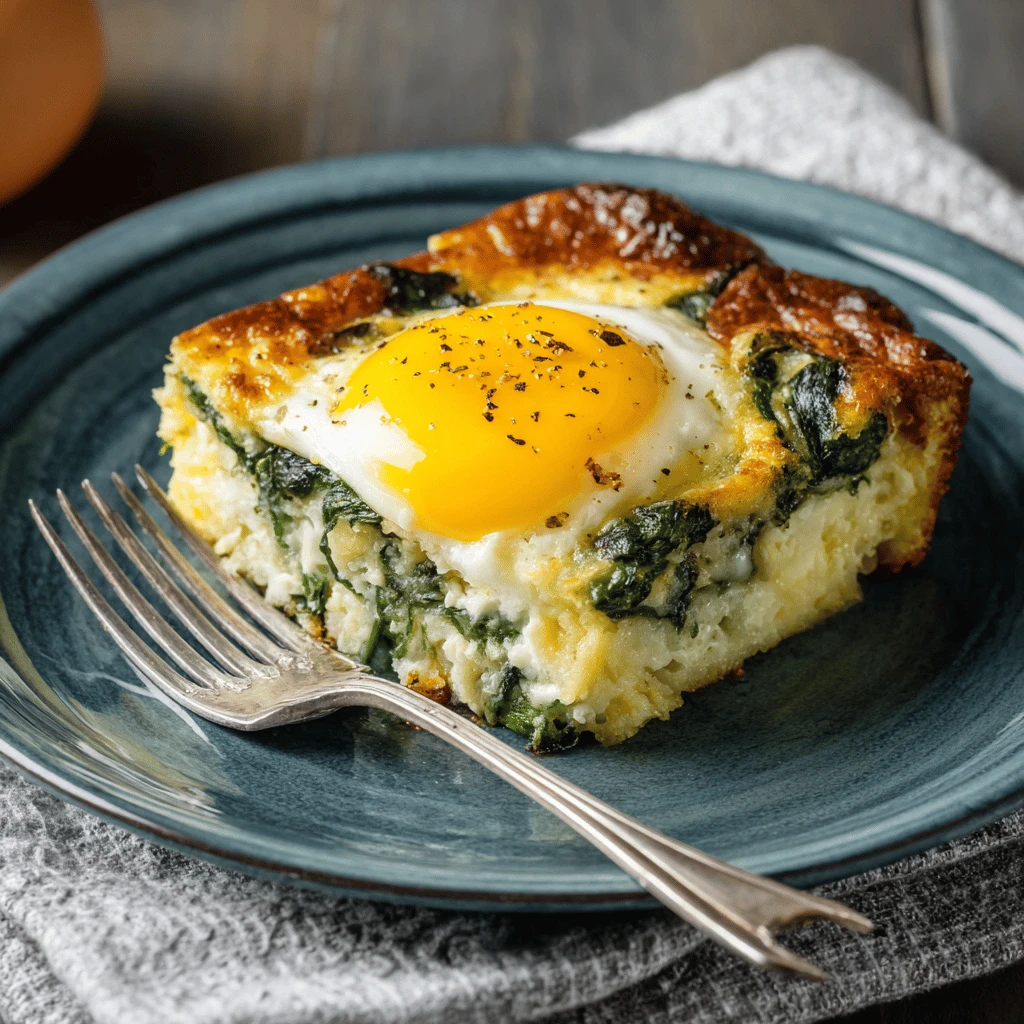
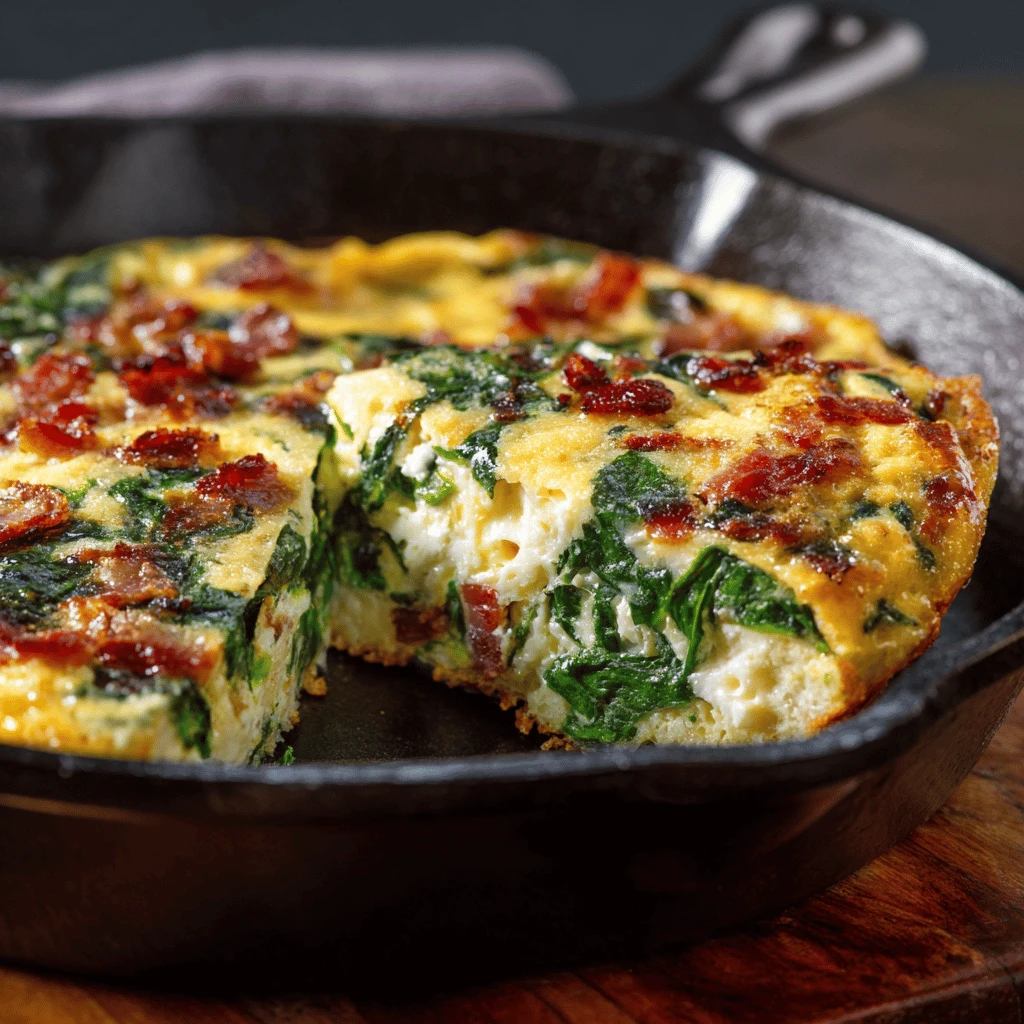
Spinach and Bacon Frittata Frittatas are a delightful and versatile dish, perfect for breakfast, brunch, lunch, or even a light dinner. This Spinach and Bacon Frittata is a savory and satisfying combination of flavors, offering a nutritious and delicious way to start your day or enjoy a quick and easy meal. The earthy spinach complements…
Spinach and Bacon Frittata
Frittatas are a delightful and versatile dish, perfect for breakfast, brunch, lunch, or even a light dinner. This Spinach and Bacon Frittata is a savory and satisfying combination of flavors, offering a nutritious and delicious way to start your day or enjoy a quick and easy meal. The earthy spinach complements the smoky bacon beautifully, all held together by a fluffy egg base. This recipe is not only delicious but also adaptable to your dietary needs and preferences.
Why You’ll Love This Frittata
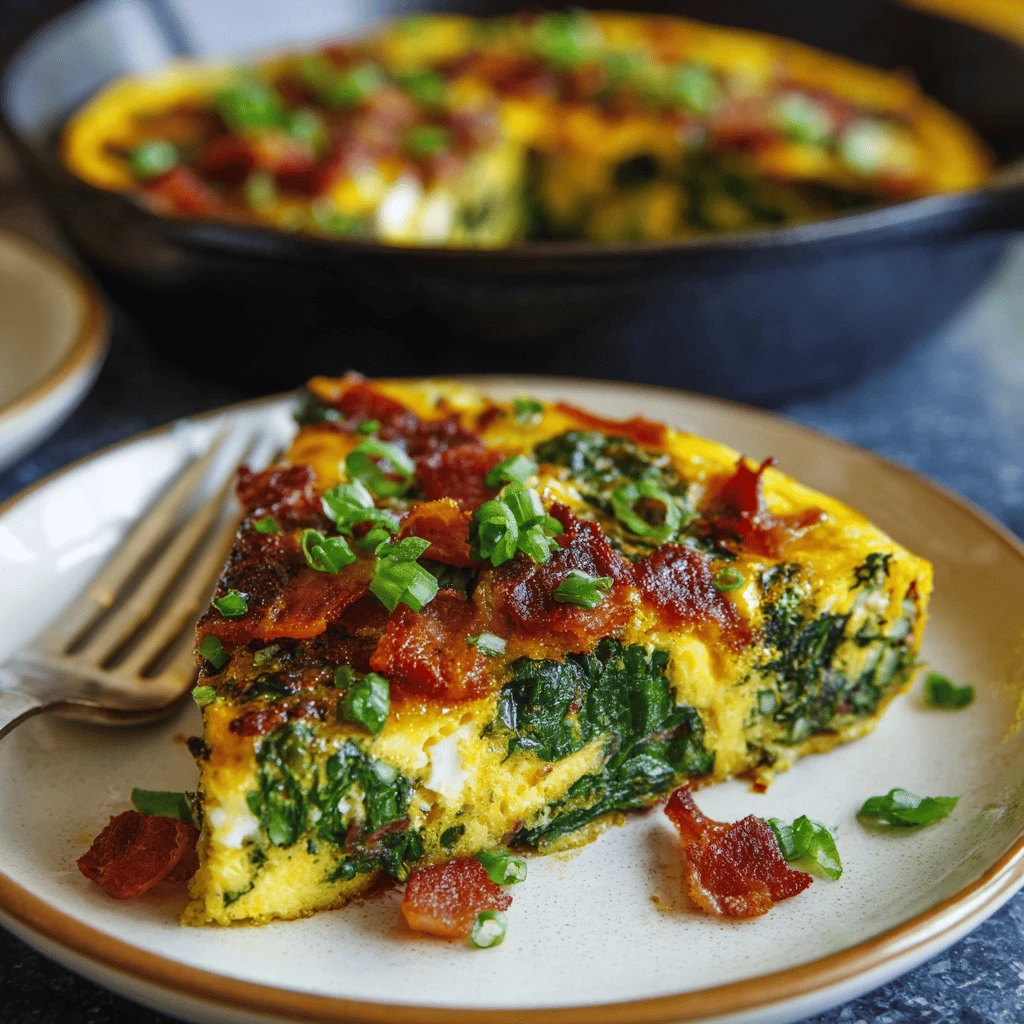
This frittata stands out for several reasons. First, it’s incredibly easy to make. With minimal prep time and simple cooking techniques, you can have a restaurant-quality meal on the table in under an hour. Second, it’s packed with nutrients. Spinach is a powerhouse of vitamins and minerals, while eggs provide a good source of protein. Bacon adds a savory flavor and a satisfying crunch, making this a complete and balanced meal. Finally, this frittata is incredibly versatile. You can easily customize it with your favorite cheeses, vegetables, or herbs to create a dish that perfectly suits your taste. It’s a fantastic way to use up leftover ingredients in your refrigerator, reducing food waste and creating something new and exciting.
Ingredients and Preparation
The key to a great frittata lies in the quality of the ingredients and the proper preparation. Here’s a breakdown of what you’ll need and how to get started:
Essential Ingredients
- Eggs: The foundation of the frittata. Use fresh, high-quality eggs for the best flavor and texture. Aim for large eggs.
- Spinach: Fresh spinach is preferable, but frozen spinach can also be used. If using frozen, be sure to thaw it completely and squeeze out any excess water.
- Bacon: Choose your favorite type of bacon – thick-cut, applewood smoked, or even turkey bacon for a lighter option.
- Cheese: Cheese adds richness and flavor. Gruyere, cheddar, mozzarella, or feta are all excellent choices.
- Onion and Garlic: These aromatic ingredients provide a flavorful base for the frittata.
- Milk or Cream: A splash of milk or cream adds moisture and richness to the egg mixture.
- Olive Oil: Used for sautéing the vegetables and bacon.
- Salt and Pepper: To season the frittata to perfection.
Step-by-Step Preparation
1. Prepare the Ingredients: Chop the bacon into small pieces. Dice the onion and mince the garlic. If using fresh spinach, wash and roughly chop it. If using frozen spinach, thaw it and squeeze out the excess water. Grate the cheese.
2. Sauté the Bacon and Vegetables: Heat olive oil in an oven-safe skillet over medium heat. Add the bacon and cook until crispy. Remove the bacon from the skillet and set aside, leaving the bacon fat in the pan. Add the onion and garlic to the skillet and sauté until softened. Add the spinach and cook until wilted.
3. Prepare the Egg Mixture: In a large bowl, whisk together the eggs, milk or cream, salt, and pepper.
4. Assemble the Frittata: Pour the egg mixture into the skillet with the vegetables. Sprinkle the cooked bacon and cheese evenly over the top.
5. Cook the Frittata: Cook the frittata on the stovetop over low heat for about 10-15 minutes, or until the edges are set. Transfer the skillet to a preheated oven and bake at 350°F (175°C) for 15-20 minutes, or until the frittata is set and golden brown.
6. Let Cool and Serve: Remove the frittata from the oven and let it cool for a few minutes before slicing and serving.
Cooking Tips and Variations
Making a perfect frittata is easier than you might think. Here are some helpful tips and ideas for variations to elevate your dish:
Achieving the Perfect Texture
The key to a perfect frittata texture is to cook it slowly and gently. This prevents the eggs from becoming rubbery or dry. Cooking it partly on the stovetop and finishing it in the oven ensures even cooking and a golden-brown top. Avoid overcooking the frittata, as this can lead to a dry and tough texture. A slight jiggle in the center is okay, as it will continue to cook as it cools.
Flavor Enhancements
- Cheese: Experiment with different types of cheese to add unique flavors. Gruyere adds a nutty and slightly sweet flavor, while feta adds a salty and tangy kick.
- Herbs: Fresh herbs like thyme, parsley, or chives can add a bright and aromatic touch to the frittata.
- Spices: A pinch of nutmeg, red pepper flakes, or smoked paprika can add depth and complexity to the flavor.
- Vegetables: Feel free to add other vegetables to the frittata, such as mushrooms, bell peppers, or tomatoes.
Dietary Adaptations
- Vegetarian: Omit the bacon and add more vegetables or plant-based sausage.
- Dairy-Free: Use a dairy-free milk alternative, such as almond milk or coconut milk, and omit the cheese or use a dairy-free cheese substitute.
- Gluten-Free: This recipe is naturally gluten-free.
- Lower Fat: Use turkey bacon and skim milk to reduce the fat content. You can also use egg whites instead of whole eggs.
Make-Ahead Tips and Storage
Frittatas are great for making ahead of time. You can prepare the entire frittata and store it in the refrigerator for up to 3 days. Reheat it in the oven or microwave before serving. You can also prepare the ingredients ahead of time by chopping the vegetables and bacon and storing them in the refrigerator. This will save you time when you’re ready to assemble the frittata. Leftover frittata can be stored in the refrigerator for up to 3 days.
Serving Suggestions
This Spinach and Bacon Frittata is a versatile dish that can be served in a variety of ways.
Ideal Occasions
- Breakfast or Brunch: Serve it with a side of fresh fruit, toast, or yogurt for a complete and satisfying breakfast or brunch.
- Lunch: Pack a slice of frittata in your lunchbox for a healthy and convenient meal.
- Dinner: Serve it with a side salad for a light and easy dinner.
- Potlucks and Parties: Frittatas are a great dish to bring to potlucks and parties. They’re easy to transport and can be served at room temperature.
Complementary Dishes
- Salads: A simple green salad or a more elaborate salad with roasted vegetables and vinaigrette.
- Bread: Crusty bread, toast, or croissants are great for soaking up the flavors of the frittata.
- Fruit: Fresh fruit, such as berries, melon, or grapes, provides a refreshing contrast to the savory frittata.
- Yogurt: Greek yogurt or regular yogurt with honey and granola adds a creamy and tangy element to the meal.
Presentation Ideas
- Garnish: Garnish the frittata with fresh herbs, such as parsley or chives, for a pop of color.
- Slices: Cut the frittata into wedges or squares for easy serving.
- Plating: Arrange the frittata slices on a platter with a side of fresh fruit or salad for an elegant presentation.
Troubleshooting Common Frittata Issues
Even with the best intentions, sometimes things don’t go according to plan. Here are some common frittata issues and how to troubleshoot them:
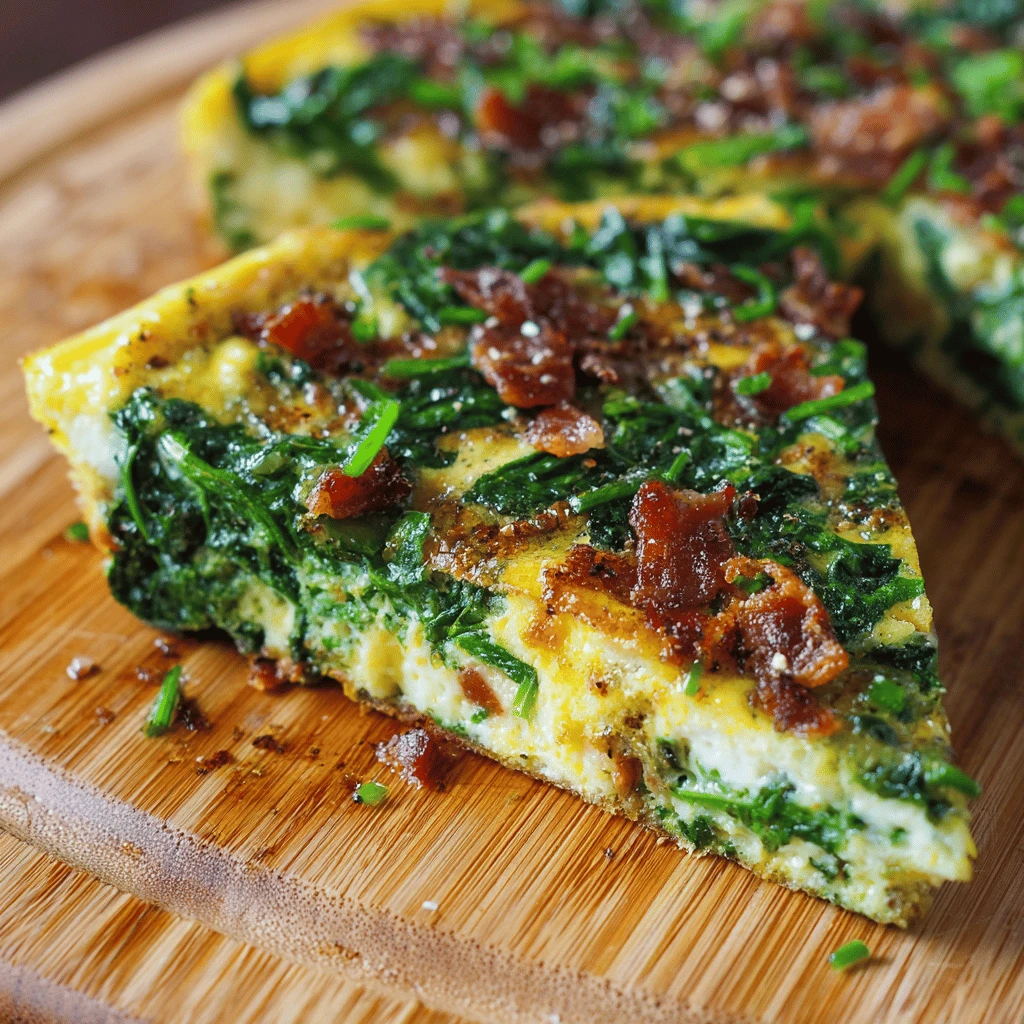
Soggy Frittata
- Cause: Too much moisture in the vegetables or not enough cooking time.
- Solution: Make sure to squeeze out any excess water from the spinach before adding it to the frittata. Cook the frittata on the stovetop for a longer period to allow the bottom to set before transferring it to the oven.
Dry Frittata
- Cause: Overcooking or not enough liquid in the egg mixture.
- Solution: Avoid overcooking the frittata. A slight jiggle in the center is okay, as it will continue to cook as it cools. Add a splash more milk or cream to the egg mixture.
Unevenly Cooked Frittata
- Cause: Uneven heat distribution in the oven or skillet.
- Solution: Make sure your oven is properly preheated. Use an oven-safe skillet that is evenly heated. Rotate the skillet halfway through the cooking time to ensure even cooking.
Frittata Sticking to the Pan
- Cause: Not enough oil in the skillet or a non-stick skillet that has lost its coating.
- Solution: Use a generous amount of olive oil or butter to grease the skillet. If using a non-stick skillet, make sure it is in good condition.
Frequently Asked Questions (FAQ)
Can I make this frittata ahead of time?
Yes, you can prepare the entire frittata and store it in the refrigerator for up to 3 days. Reheat it in the oven or microwave before serving.
Can I freeze frittata?
Yes, you can freeze frittata. Allow it to cool completely, then wrap it tightly in plastic wrap and foil. Freeze for up to 2 months. Thaw in the refrigerator overnight before reheating.
What kind of cheese is best for frittata?
Gruyere, cheddar, mozzarella, and feta are all excellent choices. Choose a cheese that you enjoy the flavor of and that melts well.
Can I use frozen spinach?
Yes, you can use frozen spinach. Be sure to thaw it completely and squeeze out any excess water before adding it to the frittata.
How do I prevent my frittata from sticking to the pan?
Use a generous amount of olive oil or butter to grease the skillet. If using a non-stick skillet, make sure it is in good condition.
What if I don’t have an oven-safe skillet?
You can start the frittata on the stovetop and then transfer it to a baking dish to finish cooking in the oven.
Can I add other vegetables to the frittata?
Yes, feel free to add other vegetables to the frittata, such as mushrooms, bell peppers, or tomatoes.
Can I use turkey bacon instead of regular bacon?
Yes, you can use turkey bacon for a lower-fat option.