Balsamic Glazed Chicken: The Easiest Dinner Recipe You’ll Ever Make Balsamic glazed chicken is a weeknight dinner staple for a reason. It’s quick, easy, and delivers incredible flavor with minimal effort. This recipe focuses on simplicity, using readily available ingredients to create a restaurant-quality meal in the comfort of your own home. We’ll walk you…
Balsamic Glazed Chicken: The Easiest Dinner Recipe You’ll Ever Make
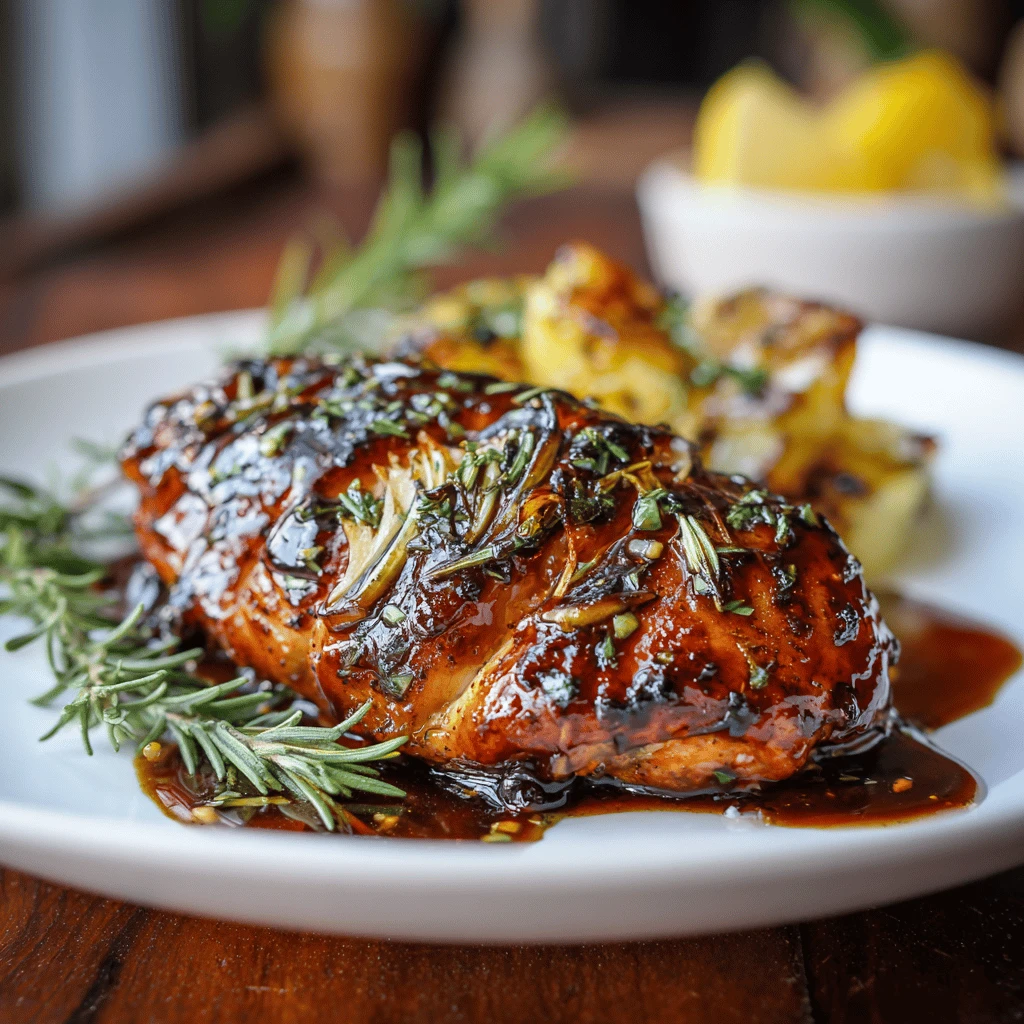
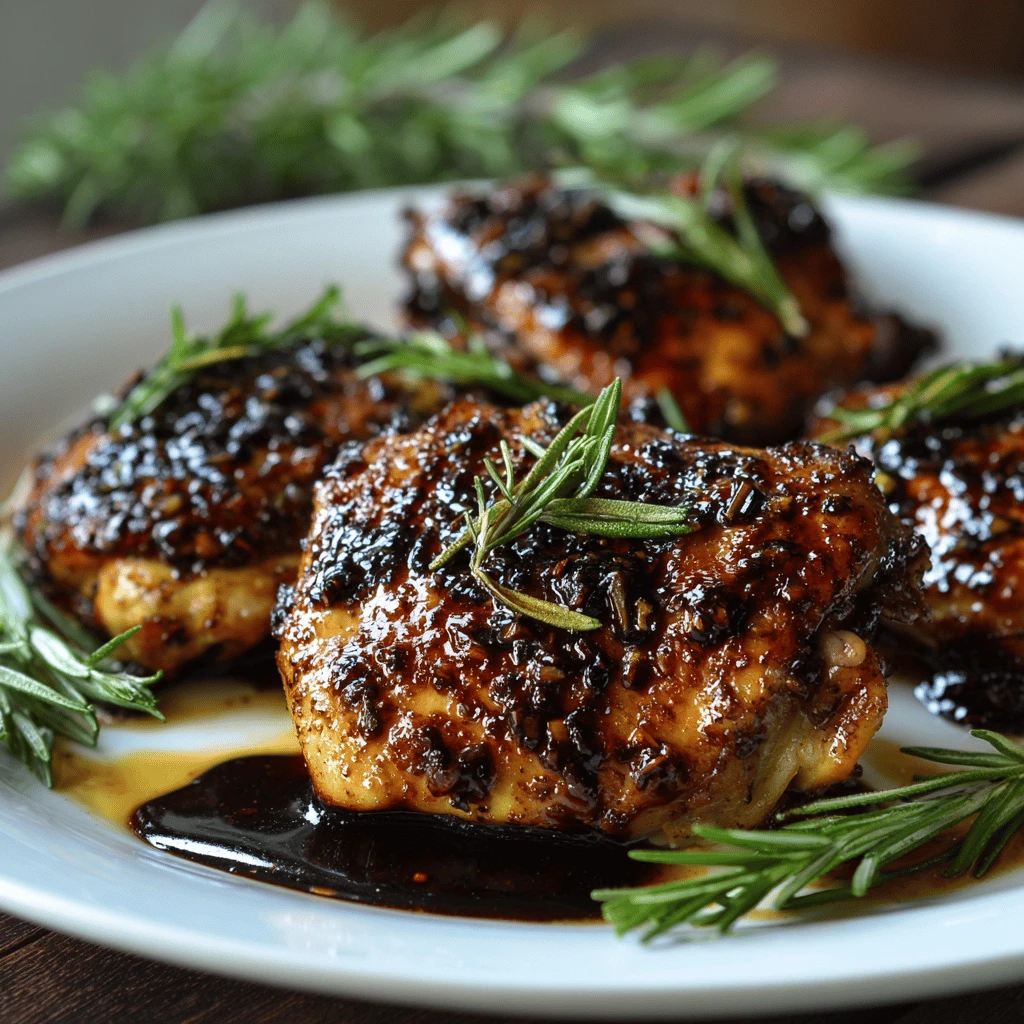
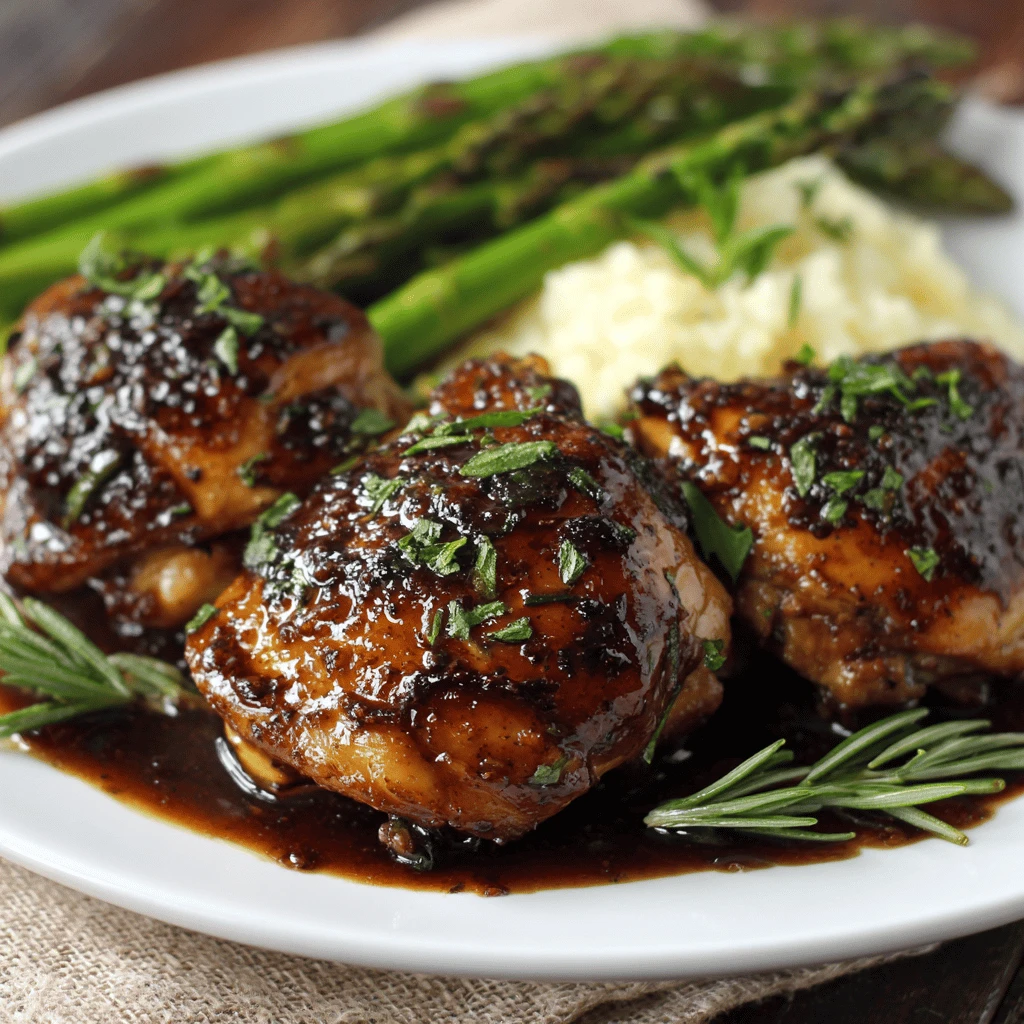
Balsamic glazed chicken is a weeknight dinner staple for a reason. It’s quick, easy, and delivers incredible flavor with minimal effort. This recipe focuses on simplicity, using readily available ingredients to create a restaurant-quality meal in the comfort of your own home. We’ll walk you through each step, ensuring your chicken is perfectly cooked and coated in a tangy-sweet balsamic glaze that will have everyone asking for seconds.
Why Balsamic Glazed Chicken is a Winner
This recipe stands out because it’s adaptable to different skill levels and dietary needs. Whether you’re a beginner cook or an experienced chef, you can easily customize the ingredients and cooking methods to suit your preferences. The balsamic glaze itself is the star, offering a delightful combination of sweet and sour that complements the savory chicken perfectly.
The Magic of Balsamic Vinegar
Balsamic vinegar’s rich, complex flavor comes from its aging process. True balsamic vinegar from Modena, Italy, is aged for years in wooden barrels, developing a deep, concentrated sweetness and a slightly acidic tang. While authentic balsamic vinegar is prized, readily available commercial balsamic vinegar works perfectly well for this glaze. The key is to reduce it properly to achieve the desired thickness and sweetness.
Versatility and Adaptability
Balsamic glazed chicken is incredibly versatile. Serve it over rice, pasta, quinoa, or a bed of roasted vegetables. Add a side salad for a complete and balanced meal. For those following specific diets, this recipe can be easily adapted to be gluten-free, dairy-free, and paleo-friendly. Simply ensure your balsamic vinegar is gluten-free, and use olive oil instead of butter if needed.
Ingredients and Preparation
The beauty of this recipe lies in its simplicity. You likely have many of the ingredients already in your pantry. Let’s break down what you’ll need and how to prepare them.
The Essential Ingredients
- Chicken Breasts: Boneless, skinless chicken breasts are the most common choice for this recipe, but you can also use chicken thighs for a richer flavor. Aim for breasts that are roughly the same size to ensure even cooking.
- Balsamic Vinegar: The foundation of our glaze. Choose a good quality balsamic vinegar that you enjoy the taste of.
- Olive Oil: For searing the chicken and adding richness to the glaze.
- Garlic: Fresh garlic is essential for adding depth of flavor. Minced garlic infuses the glaze with its pungent aroma.
- Honey or Maple Syrup: A touch of sweetness to balance the acidity of the balsamic vinegar. Adjust the amount to your preference.
- Soy Sauce or Tamari (Gluten-Free): Adds umami and depth of flavor to the glaze. Use tamari for a gluten-free option.
- Dried Thyme or Rosemary: Adds an earthy, herbaceous note to the chicken.
- Salt and Pepper: To season the chicken and glaze.
Preparing the Chicken
Before cooking, pat the chicken breasts dry with paper towels. This helps them brown properly in the pan. Season generously with salt, pepper, and dried thyme or rosemary. If your chicken breasts are thick, consider pounding them to an even thickness to ensure they cook evenly.
Crafting the Balsamic Glaze
The balsamic glaze is the heart of this recipe. In a small saucepan, combine balsamic vinegar, olive oil, minced garlic, honey (or maple syrup), and soy sauce (or tamari). Bring the mixture to a simmer over medium heat, then reduce the heat to low and let it simmer for about 10-15 minutes, or until the glaze has thickened to a syrupy consistency. Stir occasionally to prevent sticking. Be careful not to burn the glaze. It should coat the back of a spoon.
Cooking Techniques for Perfect Chicken
Achieving perfectly cooked chicken is crucial for this recipe. Overcooked chicken will be dry and tough, while undercooked chicken is unsafe to eat. Here are some techniques to ensure your chicken is juicy and flavorful.
Pan-Searing Method
Pan-searing is a quick and easy way to cook chicken breasts. Heat olive oil in a large skillet over medium-high heat. Once the oil is hot, add the chicken breasts and sear for 5-7 minutes per side, or until they are golden brown and cooked through. A meat thermometer inserted into the thickest part of the breast should read 165°F (74°C).
Oven-Baking Method
Oven-baking is a more hands-off approach. Preheat your oven to 375°F (190°C). Place the seasoned chicken breasts in a baking dish and bake for 20-25 minutes, or until they are cooked through. Again, use a meat thermometer to ensure they reach an internal temperature of 165°F (74°C).
Combining Pan-Searing and Oven-Baking
For the best of both worlds, you can combine pan-searing and oven-baking. Sear the chicken breasts in a skillet for 2-3 minutes per side to develop a golden-brown crust. Then, transfer the skillet to the preheated oven and bake for 10-15 minutes, or until they are cooked through.
Glazing the Chicken
Once the chicken is cooked, brush it generously with the balsamic glaze. If you’re pan-searing, you can add the glaze to the skillet during the last few minutes of cooking, allowing it to coat the chicken as it finishes cooking. If you’re oven-baking, brush the chicken with glaze after it comes out of the oven.
Serving Suggestions and Pairings
Balsamic glazed chicken is a versatile dish that pairs well with a variety of sides. Consider these serving suggestions to create a complete and satisfying meal.
Classic Side Dishes
- Roasted Vegetables: Broccoli, asparagus, Brussels sprouts, carrots, and bell peppers are all excellent choices. Toss them with olive oil, salt, and pepper, and roast them in the oven until tender.
- Rice or Quinoa: These grains provide a neutral base that complements the tangy-sweetness of the balsamic glaze.
- Pasta: Serve the balsamic glazed chicken over your favorite pasta, such as spaghetti, penne, or linguine. Toss the pasta with olive oil, garlic, and Parmesan cheese.
- Mashed Potatoes: Creamy mashed potatoes are a comforting side dish that pairs well with the rich flavor of the chicken.
Creative Twists
- Balsamic Glazed Chicken Salad: Slice the cooked chicken and toss it with mixed greens, tomatoes, cucumbers, red onion, and a light vinaigrette.
- Balsamic Glazed Chicken Sandwiches: Serve the chicken on toasted buns with lettuce, tomato, and a smear of mayonnaise.
- Balsamic Glazed Chicken Bowls: Create a flavorful bowl with rice, black beans, corn, avocado, and a drizzle of balsamic glaze.
Wine Pairings
A dry rosé or a light-bodied red wine, such as Pinot Noir or Beaujolais, pairs well with balsamic glazed chicken. The wine’s acidity will complement the balsamic vinegar, while its fruity notes will enhance the sweetness of the glaze.
Tips, Tricks, and Troubleshooting
Even the easiest recipes can sometimes present challenges. Here are some tips, tricks, and troubleshooting suggestions to help you achieve balsamic glazed chicken perfection.
Achieving the Perfect Glaze Consistency
The key to a good balsamic glaze is achieving the right consistency. It should be thick enough to coat the chicken without being too sticky or cloying. If your glaze is too thin, continue simmering it until it thickens. If it’s too thick, add a tablespoon or two of water to thin it out.
Preventing the Chicken from Drying Out
To prevent the chicken from drying out, avoid overcooking it. Use a meat thermometer to ensure it reaches an internal temperature of 165°F (74°C), but don’t cook it beyond that point. You can also brine the chicken before cooking it. Soaking the chicken in a salt water solution for 30 minutes will help it retain moisture during cooking.
Adjusting the Sweetness
The amount of honey or maple syrup in the glaze can be adjusted to your preference. If you prefer a sweeter glaze, add more honey or maple syrup. If you prefer a tangier glaze, reduce the amount of sweetener.
Making it Ahead of Time
The balsamic glaze can be made ahead of time and stored in the refrigerator for up to a week. Simply reheat it before using. The chicken can also be cooked ahead of time and reheated when you’re ready to serve it.
Using Chicken Thighs
If you prefer chicken thighs, you can use them instead of chicken breasts. Chicken thighs are more forgiving and less likely to dry out during cooking. Simply adjust the cooking time accordingly.
Frequently Asked Questions (FAQ)
Q: Can I use different types of vinegar?
A: While balsamic vinegar is the star, you can experiment with other vinegars. Red wine vinegar or apple cider vinegar can offer a different, but still delicious, tang. Keep in mind the flavor profile will change.
Q: How do I store leftovers?
A: Store leftover balsamic glazed chicken in an airtight container in the refrigerator for up to 3-4 days. Reheat gently in the microwave or oven until warmed through.
Q: Can I freeze balsamic glazed chicken?
A: Yes, you can freeze balsamic glazed chicken. Allow it to cool completely, then wrap it tightly in plastic wrap and place it in a freezer-safe bag or container. Freeze for up to 2-3 months. Thaw in the refrigerator overnight before reheating.
Q: Is this recipe gluten-free?
A: Yes, if you use tamari instead of soy sauce. Also, make sure the balsamic vinegar itself is labeled as gluten-free if you have severe sensitivity.
Q: Can I add vegetables to the glaze?
A: Absolutely! Sautéed onions, bell peppers, or mushrooms can be added to the glaze for extra flavor and nutrition. Add them to the saucepan along with the garlic and cook until softened before adding the remaining glaze ingredients.
Q: What if my glaze is too bitter?
A: If your balsamic glaze tastes too bitter, it’s likely due to over-reduction or burning. Add a bit more honey or maple syrup to balance the bitterness. If it’s severely burned, it’s best to start over.
Q: Can I use dried garlic instead of fresh?
A: Fresh garlic is preferred for its superior flavor, but you can substitute with 1/2 teaspoon of garlic powder if needed.
Q: How can I make this spicier?
A: Add a pinch of red pepper flakes to the balsamic glaze for a touch of heat. You can also add a dash of hot sauce to the finished dish.