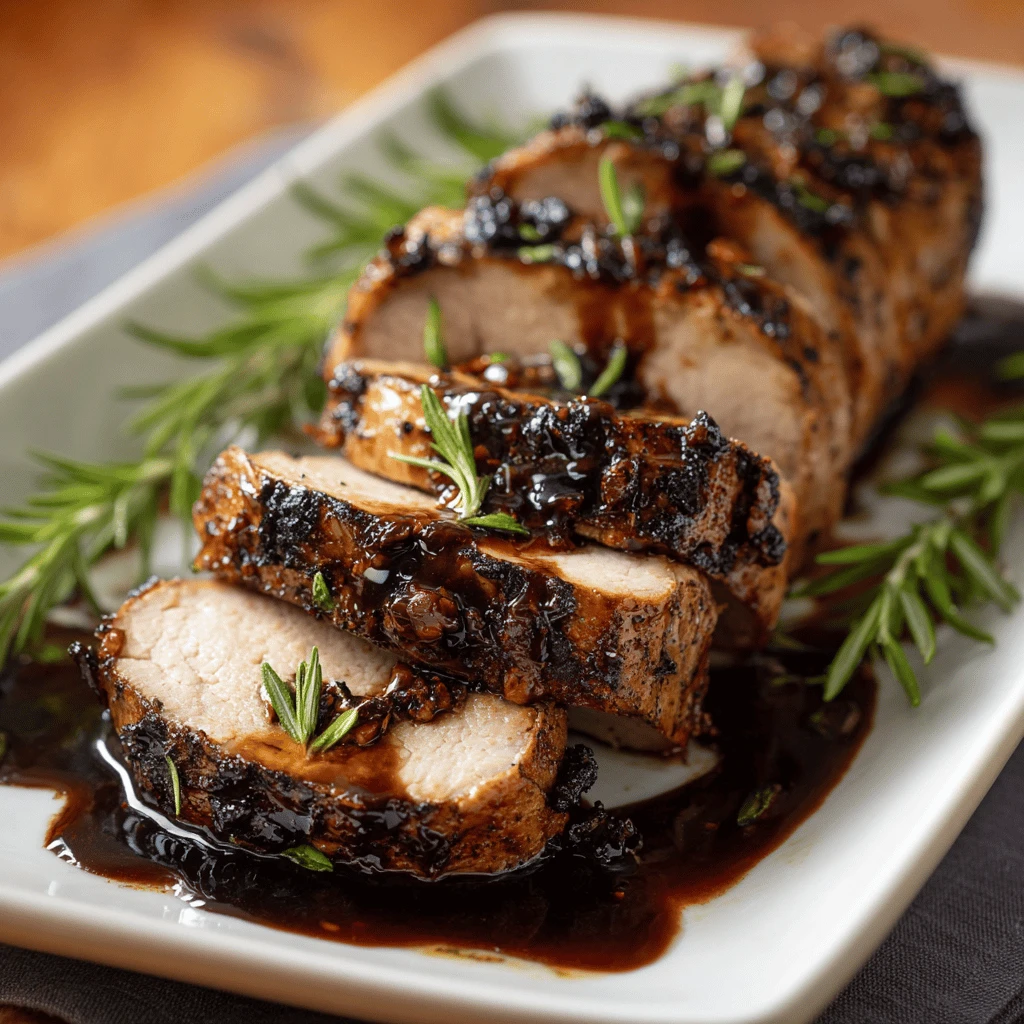
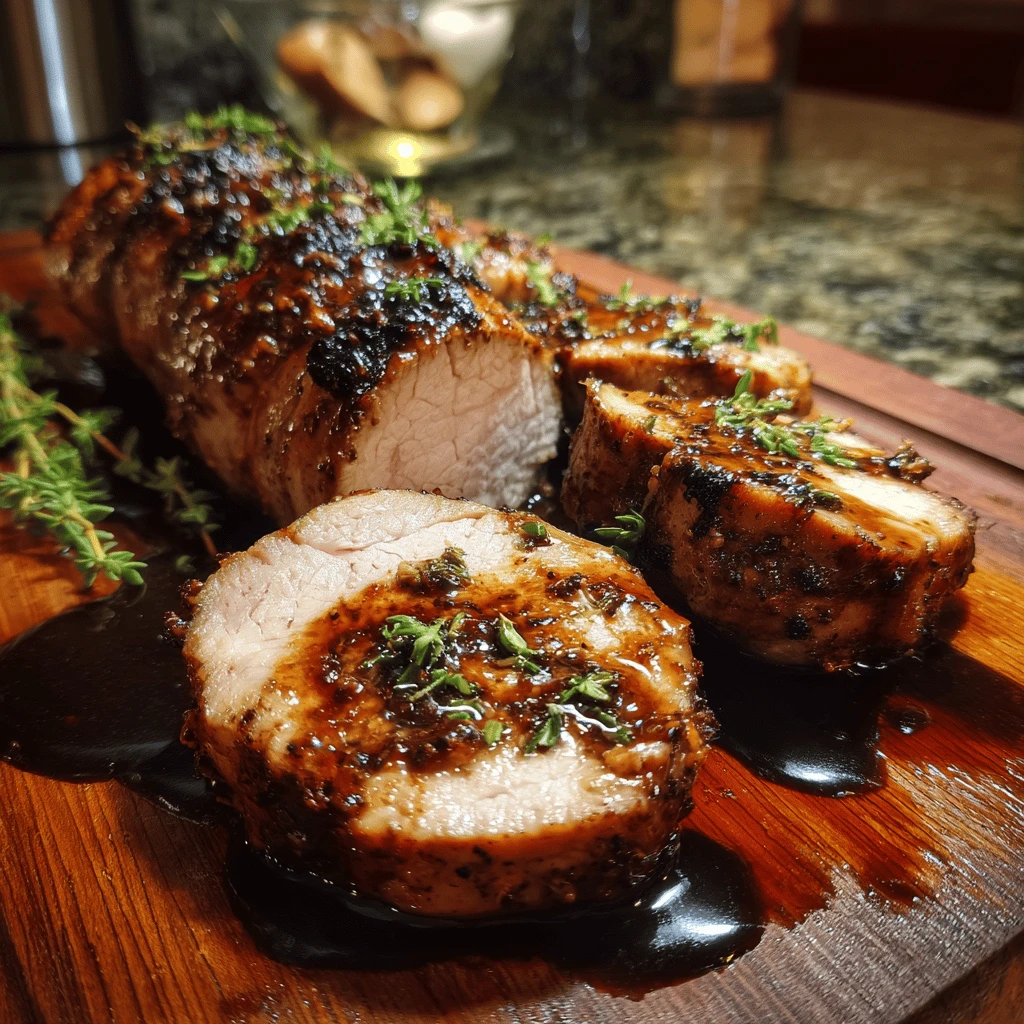
Balsamic-Glazed Pork Loin Pork loin, a lean and versatile cut, elevates to a gourmet delight with a luscious balsamic glaze. This recipe delivers a perfect balance of savory and sweet, creating a memorable dish suitable for weeknight dinners or special occasions. The tangy balsamic reduction complements the pork’s natural flavor, resulting in a tender and…
Balsamic-Glazed Pork Loin
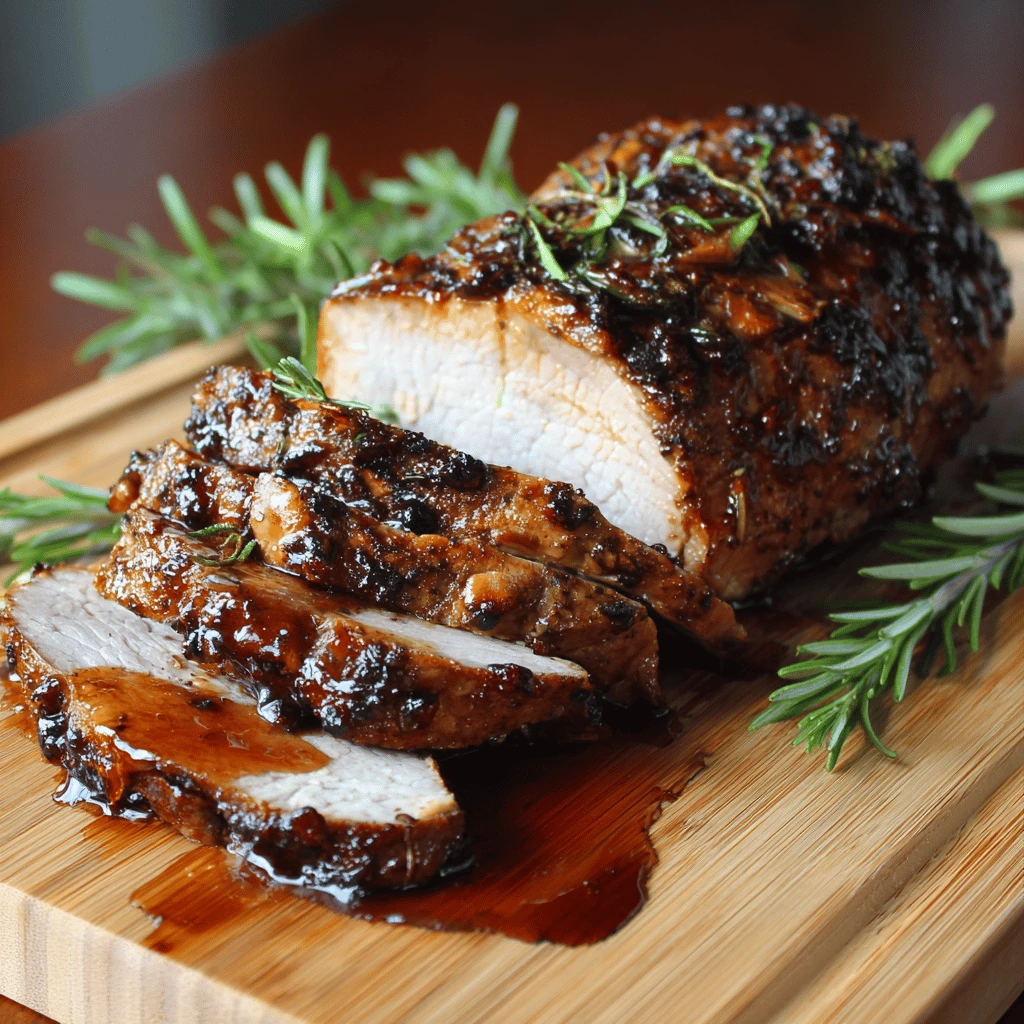
Pork loin, a lean and versatile cut, elevates to a gourmet delight with a luscious balsamic glaze. This recipe delivers a perfect balance of savory and sweet, creating a memorable dish suitable for weeknight dinners or special occasions. The tangy balsamic reduction complements the pork’s natural flavor, resulting in a tender and flavorful centerpiece. This guide provides everything you need to master this elegant recipe.
Understanding Pork Loin and Balsamic Vinegar
Before diving into the recipe, it’s crucial to understand the key ingredients. Pork loin is a lean cut, making it important to avoid overcooking, which can result in dryness. A meat thermometer is your best friend here. Balsamic vinegar, on the other hand, brings a complex sweetness with hints of tartness. Choosing a good quality balsamic vinegar will significantly impact the final flavor. Consider opting for a thicker balsamic glaze for a richer texture or reducing regular balsamic vinegar for a homemade version. The acidity of the balsamic also acts as a tenderizer, helping to keep the pork moist and juicy.
Choosing the Right Pork Loin
When selecting pork loin, look for a roast that is evenly colored and firm to the touch. Avoid roasts with excessive amounts of surface fat, as this can render unevenly during cooking. A 2-3 pound pork loin is ideal for serving 4-6 people. Remember that pork tenderloin is a different cut altogether; while similar in name, it’s much smaller and requires significantly less cooking time.
The Magic of Balsamic Vinegar
Balsamic vinegar’s distinctive flavor comes from the aging process, which concentrates the sugars and acids. True balsamic vinegar from Modena, Italy, is aged for many years and commands a premium price. However, excellent balsamic vinegars are available at various price points. For this recipe, any good quality balsamic vinegar will work well, but avoid imitation balsamic, which often contains artificial colors and flavors.
Preparing the Balsamic-Glazed Pork Loin
The preparation process is relatively simple but essential for optimal results. It involves marinating the pork loin to infuse it with flavor and creating the balsamic glaze.
Marinating the Pork Loin
A simple marinade enhances the pork’s flavor and helps keep it moist during cooking. Here’s a basic marinade recipe:
- Ingredients:
2 tablespoons olive oil
2 cloves garlic, minced
1 tablespoon Dijon mustard
1 tablespoon fresh rosemary, chopped
1 teaspoon salt
½ teaspoon black pepper
1. Combine all marinade ingredients in a bowl.
2. Place the pork loin in a resealable plastic bag or a shallow dish.
3. Pour the marinade over the pork loin, ensuring it is evenly coated.
4. Marinate in the refrigerator for at least 30 minutes, or up to 4 hours for maximum flavor.
Crafting the Balsamic Glaze
The balsamic glaze is the star of the show, providing the perfect sweet and tangy counterpoint to the savory pork. You can either use a pre-made balsamic glaze or create your own.
- Homemade Balsamic Glaze Recipe:
Ingredients:
1 cup balsamic vinegar
2 tablespoons brown sugar (optional, for added sweetness)
Instructions:
1. In a small saucepan, combine the balsamic vinegar and brown sugar (if using).
2. Bring to a simmer over medium heat.
3. Reduce the heat to low and simmer for 15-20 minutes, or until the glaze has thickened to a syrupy consistency. Stir occasionally to prevent burning.
4. Remove from heat and let cool slightly. The glaze will thicken further as it cools.
Cooking the Pork Loin to Perfection
Achieving the correct internal temperature is key to a juicy and flavorful pork loin. Overcooking will result in a dry and tough roast.
Roasting Instructions
- Preheat your oven to 375°F (190°C).
- Remove the pork loin from the marinade and pat it dry with paper towels. This helps to achieve a good sear.
- Heat 1 tablespoon of olive oil in an oven-safe skillet over medium-high heat.
- Sear the pork loin on all sides until golden brown, about 2-3 minutes per side. This step adds flavor and locks in moisture.
- Transfer the skillet to the preheated oven.
- Roast for 20-25 minutes, or until a meat thermometer inserted into the thickest part of the pork loin registers 145°F (63°C).
- During the last 10 minutes of cooking, brush the pork loin with the balsamic glaze. Repeat this process every few minutes to create a beautiful, glossy coating.
- Remove the pork loin from the oven and let it rest for 10 minutes before slicing. This allows the juices to redistribute, resulting in a more tender and flavorful roast.
Temperature is Key
Using a meat thermometer is crucial for ensuring that the pork loin is cooked to the correct internal temperature. The recommended internal temperature for pork is 145°F (63°C). This will result in a slightly pink center, which is perfectly safe and ensures optimal juiciness.
Serving and Pairing Suggestions
Balsamic-glazed pork loin is a versatile dish that pairs well with a variety of side dishes. Consider serving it with roasted vegetables, mashed potatoes, or a simple salad.
Complementary Side Dishes
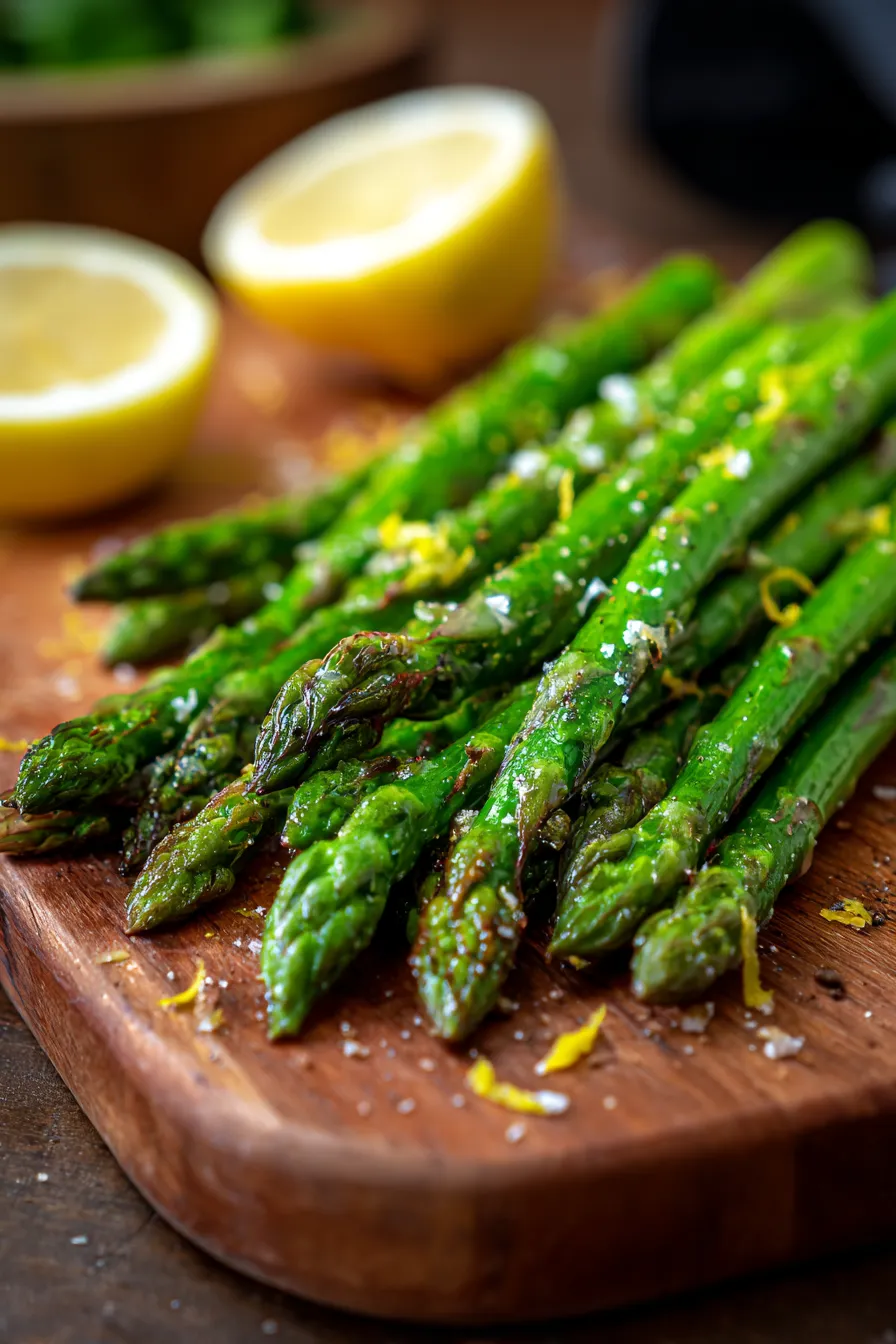
- Roasted Vegetables: Asparagus, Brussels sprouts, carrots, and sweet potatoes are all excellent choices. Toss them with olive oil, salt, and pepper before roasting alongside the pork loin.
- Mashed Potatoes: Creamy mashed potatoes provide a comforting contrast to the tangy balsamic glaze.
- Quinoa or Rice: These grains offer a neutral base that complements the rich flavor of the pork loin.
- Green Salad: A simple green salad with a vinaigrette dressing provides a refreshing counterpoint to the savory roast.
Wine Pairing Recommendations
The acidity and sweetness of the balsamic glaze pair well with medium-bodied red wines, such as Pinot Noir, Merlot, or Chianti. These wines have enough fruitiness to complement the glaze without overpowering the pork’s flavor. A dry rosé can also be a good choice, especially in warmer weather.
Recipe and Detailed Instructions
This section provides a complete, step-by-step recipe for balsamic-glazed pork loin.
Ingredients:
- 2-3 pound pork loin roast
- 2 tablespoons olive oil, divided
- 2 cloves garlic, minced
- 1 tablespoon Dijon mustard
- 1 tablespoon fresh rosemary, chopped
- 1 teaspoon salt
- ½ teaspoon black pepper
- 1 cup balsamic vinegar
- 2 tablespoons brown sugar (optional)
Equipment
- Oven
- Oven-safe skillet
- Small saucepan
- Meat Thermometer
- Whisk
- Measuring cups and spoons
Instructions:
1. Prepare the Marinade: In a bowl, combine 2 tablespoons olive oil, minced garlic, Dijon mustard, rosemary, salt, and pepper.
2. Marinate the Pork: Place the pork loin in a resealable bag or dish. Pour the marinade over the pork, ensuring it’s coated. Marinate in the refrigerator for 30 minutes to 4 hours.
3. Make the Balsamic Glaze: In a small saucepan, combine balsamic vinegar and brown sugar (if using). Simmer over medium heat, then reduce to low and simmer for 15-20 minutes, or until thickened to a syrupy consistency.
4. Preheat Oven: Preheat oven to 375°F (190°C).
5. Sear the Pork: Remove the pork from the marinade and pat dry. Heat 1 tablespoon olive oil in an oven-safe skillet over medium-high heat. Sear the pork on all sides until golden brown.
6. Roast the Pork: Transfer the skillet to the preheated oven. Roast for 20-25 minutes, or until a meat thermometer registers 145°F (63°C).
7. Glaze the Pork: During the last 10 minutes of cooking, brush the pork with the balsamic glaze every few minutes.
8. Rest the Pork: Remove from the oven and let rest for 10 minutes before slicing.
9. Serve: Slice and serve with your favorite side dishes.
Checklist
- [ ] Gather all Ingredients and Equipment
- [ ] Prepare the Marinade
- [ ] Marinate the Pork Loin
- [ ] Prepare the Balsamic Glaze
- [ ] Preheat the oven to 375°F (190°C).
- [ ] Sear the Pork Loin on All Sides
- [ ] Roast the Pork Loin in the Oven
- [ ] Brush with Balsamic Glaze
- [ ] Check Internal Temperature with Meat Thermometer
- [ ] Rest Pork Loin before Slicing
- [ ] Serve with desired side dishes
Frequently Asked Questions (FAQs)
Q: How long should I marinate the pork loin?
A: Marinating for at least 30 minutes enhances the flavor, but marinating for up to 4 hours yields the best results.
Q: What temperature should the pork loin be cooked to?
A: The recommended internal temperature for pork is 145°F (63°C), which will result in a slightly pink center.
Q: Can I use pork tenderloin instead of pork loin?
A: While similar in name, pork tenderloin is a smaller, more tender cut that requires less cooking time. If using pork tenderloin, reduce the roasting time accordingly.
Q: Can I make the balsamic glaze ahead of time?
A: Yes, the balsamic glaze can be made ahead of time and stored in an airtight container in the refrigerator for up to a week. Reheat gently before using.
Q: What if I don't have brown sugar for the balsamic glaze?
A: Brown sugar adds a touch of sweetness, but you can omit it if desired. The balsamic glaze will still be delicious.
Q: What can I do if my pork loin is dry?
A: To prevent dryness, avoid overcooking the pork loin. Use a meat thermometer to ensure it reaches the correct internal temperature. Letting the pork loin rest for 10 minutes before slicing also helps to retain moisture.
Q: How do I store leftover pork loin?
A: Store leftover pork loin in an airtight container in the refrigerator for up to 3-4 days. Reheat gently before serving.