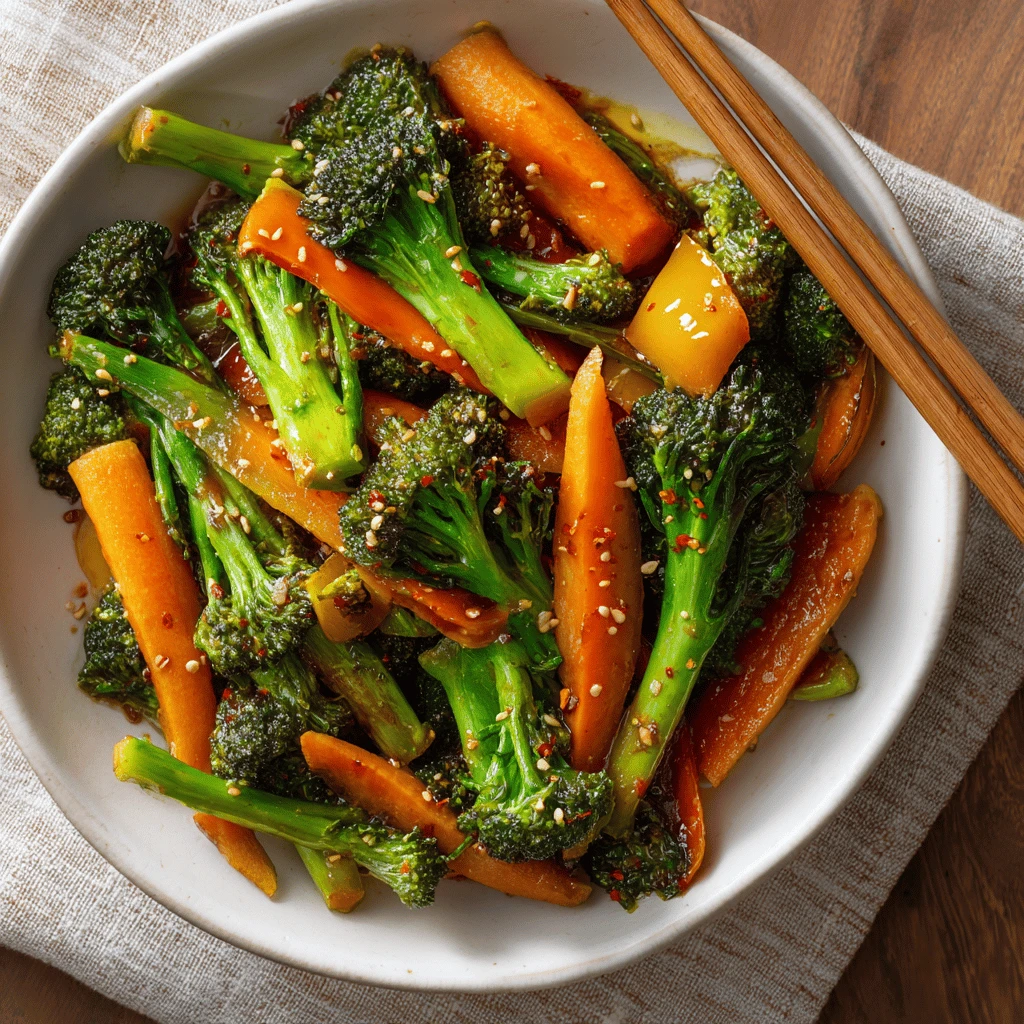
Broccoli and Carrot Stir-Fry: A Vibrant & Healthy Delight Broccoli and carrot stir-fry is a quick, easy, and nutritious dish perfect for weeknight meals. This vibrant combination offers a delightful crunch and sweetness, packed with vitamins and minerals. This guide provides everything you need to create the perfect broccoli and carrot stir-fry, from ingredient selection…
Broccoli and Carrot Stir-Fry: A Vibrant & Healthy Delight
Broccoli and carrot stir-fry is a quick, easy, and nutritious dish perfect for weeknight meals. This vibrant combination offers a delightful crunch and sweetness, packed with vitamins and minerals. This guide provides everything you need to create the perfect broccoli and carrot stir-fry, from ingredient selection to cooking techniques.
Mastering the Basics: Ingredients and Preparation
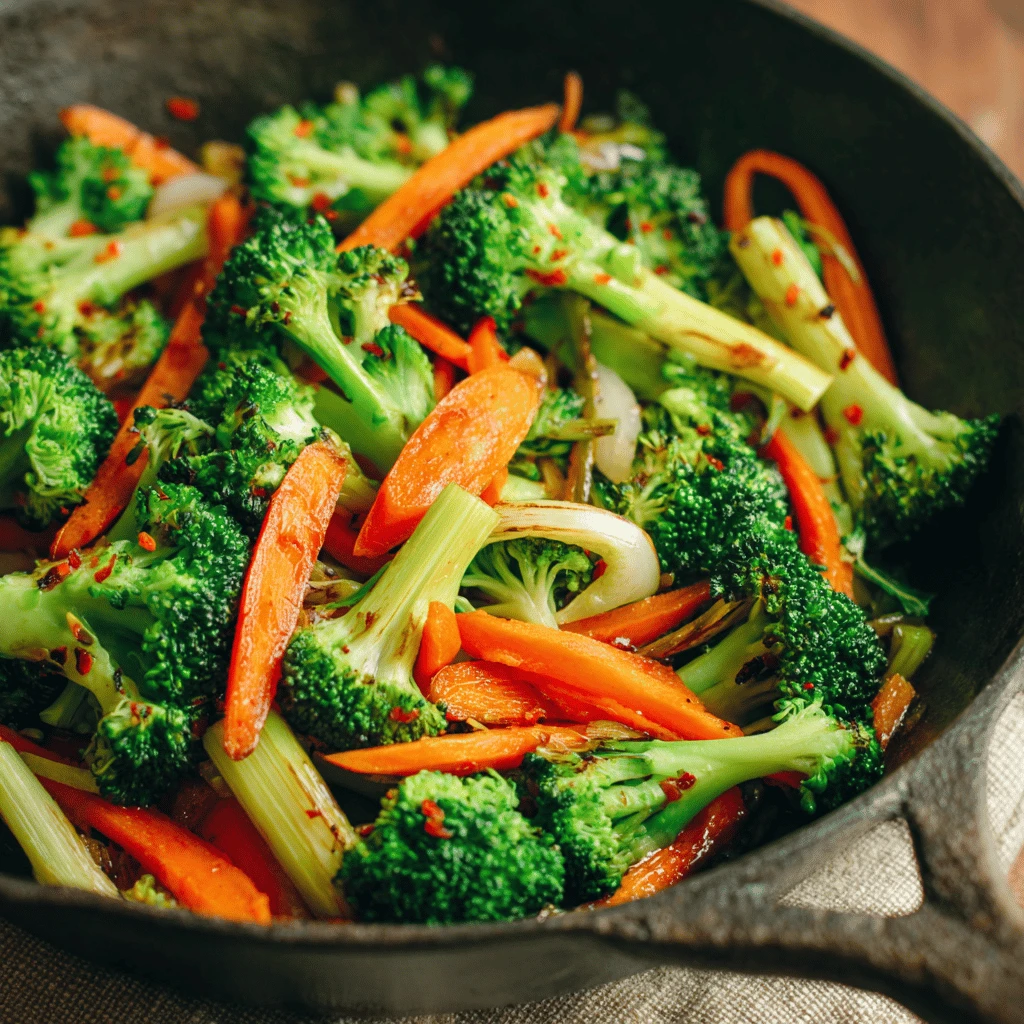
The foundation of any great stir-fry lies in fresh, high-quality ingredients and proper preparation.
Selecting Your Broccoli and Carrots
- Broccoli: Look for firm, tightly closed florets with a rich green color. Avoid broccoli with yellowing or signs of wilting. Organic broccoli is preferable, but conventionally grown broccoli is also fine. You can use the stalks if you peel them and slice them thinly, adding a slightly different texture.
- Carrots: Choose carrots that are firm, smooth, and brightly colored. Smaller to medium-sized carrots tend to be sweeter. Pre-shredded carrots can save time, but freshly sliced or julienned carrots offer better texture and flavor.
Essential Stir-Fry Ingredients
Beyond the core vegetables, a few other components contribute significantly to the overall flavor and texture:
- Aromatics: Garlic, ginger, and onions (or scallions) form the aromatic base of the stir-fry. Freshly minced garlic and ginger provide the most potent flavor.
- Oil: Choose a high-heat cooking oil like peanut oil, avocado oil, or refined coconut oil. These oils can withstand the high temperatures required for stir-frying without smoking or imparting unwanted flavors.
- Sauce: The sauce is what ties everything together. A classic stir-fry sauce typically includes soy sauce (or tamari for gluten-free), sesame oil, rice vinegar, and a touch of sweetness (such as honey or maple syrup).
Prepping Your Vegetables for Success
- Broccoli: Wash the broccoli thoroughly and cut it into bite-sized florets. Ensure the florets are roughly the same size to ensure even cooking.
- Carrots: Peel and slice the carrots into thin rounds, julienne strips, or chop them into small pieces. The size and shape of the carrots should complement the broccoli florets.
- Aromatics: Mince the garlic and ginger finely. Slice the onions or scallions thinly.
Stir-Fry Techniques: Achieving Perfect Texture and Flavor
Mastering the stir-fry technique is crucial for creating a dish that is both flavorful and perfectly cooked.
The Importance of High Heat
Stir-frying relies on high heat to quickly cook the vegetables, retaining their crispness and preventing them from becoming soggy. Ensure your wok or skillet is preheated before adding any ingredients. The oil should shimmer and be hot, but not smoking.
Stir-Frying in Batches
Overcrowding the pan will lower the temperature and cause the vegetables to steam instead of stir-fry. Cook the vegetables in batches, starting with the aromatics and then adding the vegetables in order of cooking time (carrots first, followed by broccoli).
Continuous Stirring
The term “stir-fry” is literal – continuous stirring is essential to prevent the vegetables from sticking to the pan and to ensure even cooking. Use a spatula or wooden spoon to keep the ingredients moving constantly.
Adding the Sauce at the Right Time
Add the sauce towards the end of the cooking process, once the vegetables are nearly cooked through. The sauce should coat the vegetables evenly and thicken slightly.
Enhancing Your Stir-Fry: Variations and Add-Ins
The basic broccoli and carrot stir-fry is a versatile canvas for experimentation. Here are a few ideas to enhance your dish:
Protein Power
Add protein to make your stir-fry a complete meal. Tofu, chicken, shrimp, or beef are all excellent choices. If using meat, cut it into small, even pieces and marinate it briefly before stir-frying to enhance flavor and tenderness. Firm or extra-firm tofu works best for stir-fries; press it to remove excess water before cubing and adding to the pan.
Adding Other Vegetables
Consider adding other vegetables like bell peppers, snow peas, mushrooms, or water chestnuts to your stir-fry for added flavor and texture. Adjust cooking times accordingly, adding the vegetables that require the longest cooking time first.
Spice It Up
Add a pinch of red pepper flakes or a dash of sriracha to your stir-fry for a touch of heat. You can also incorporate other spices like ground ginger, garlic powder, or onion powder.
Toppings for Texture and Flavor
Garnish your finished stir-fry with toasted sesame seeds, chopped peanuts, or sliced scallions for added texture and flavor. A drizzle of sesame oil or a sprinkle of chili oil can also enhance the dish.
Serving Suggestions and Nutritional Benefits
Broccoli and carrot stir-fry can be served as a main course or a side dish. It pairs well with rice, noodles, or quinoa.
Serving Suggestions
- With Rice: Serve the stir-fry over steamed brown rice, white rice, or jasmine rice.
- With Noodles: Toss the stir-fry with cooked rice noodles, egg noodles, or soba noodles.
- As a Side Dish: Serve the stir-fry alongside grilled chicken, fish, or tofu.
Nutritional Benefits
Broccoli and carrot stir-fry is a nutritional powerhouse. Broccoli is rich in vitamins C and K, as well as fiber and antioxidants. Carrots are an excellent source of vitamin A and beta-carotene. The combination of these vegetables provides a wide range of health benefits, including improved immune function, vision, and digestion. This dish is typically low in fats, unless too much oil is added while cooking.
Frequently Asked Questions (FAQ)
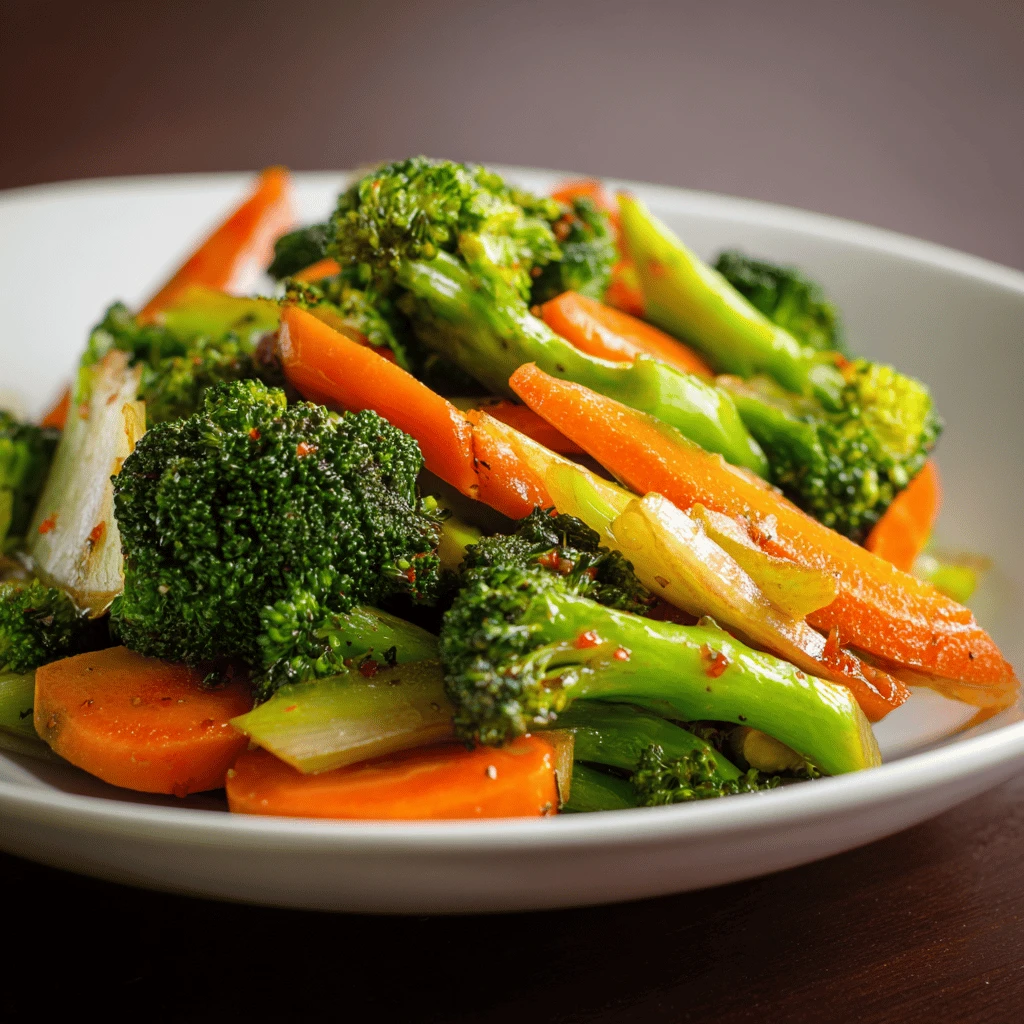
Here are answers to some common questions about making broccoli and carrot stir-fry:
- Can I use frozen broccoli? Yes, you can use frozen broccoli, but it will have a softer texture than fresh broccoli. Thaw the broccoli before stir-frying and pat it dry to remove excess moisture.
- How do I prevent my stir-fry from being soggy? Use high heat, cook the vegetables in batches, and avoid overcrowding the pan. Ensure the vegetables are dry before adding them to the pan.
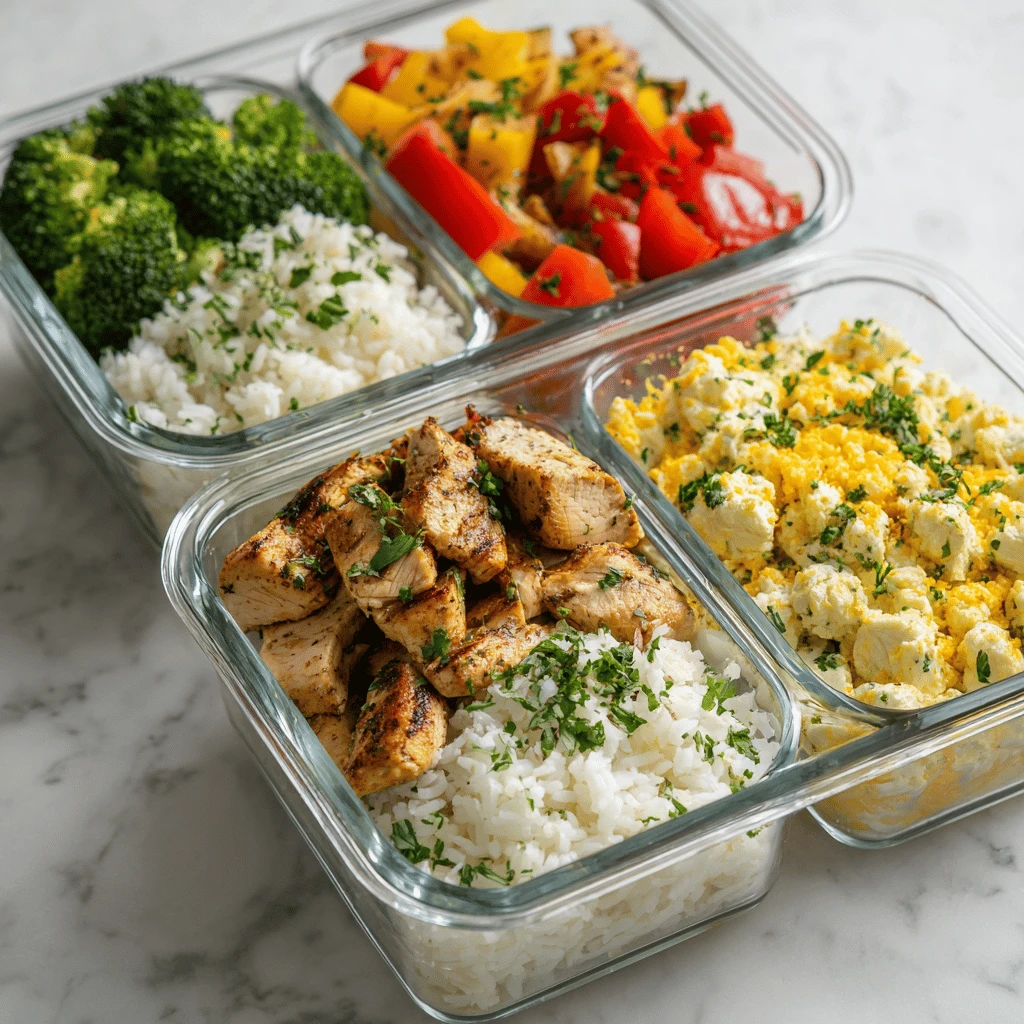
- Can I make this stir-fry ahead of time? While it’s best served fresh, you can prepare the vegetables and sauce ahead of time. Store them separately and combine them just before cooking.
- What if I don’t have a wok? A large skillet or frying pan will work fine for stir-frying. Just make sure it is large enough to accommodate all the ingredients without overcrowding.
- How do I make this vegan? Ensure your sauce doesn’t contain honey. Use maple syrup or agave as an alternative sweetener.
- What other sauces work well in this recipe? Hoisin sauce, black bean sauce, teriyaki sauce, or even a simple garlic and ginger sauce can all be used as alternatives or additions.
- Can I add nuts to my stir-fry? Certainly. Cashews, peanuts, and almonds make a great addition to this recipe.
- What is the best oil to use? Any neutral cooking oil that can handle higher heats will work. Canola, grapeseed, peanut, avocado, and refined coconut oil are all great options.