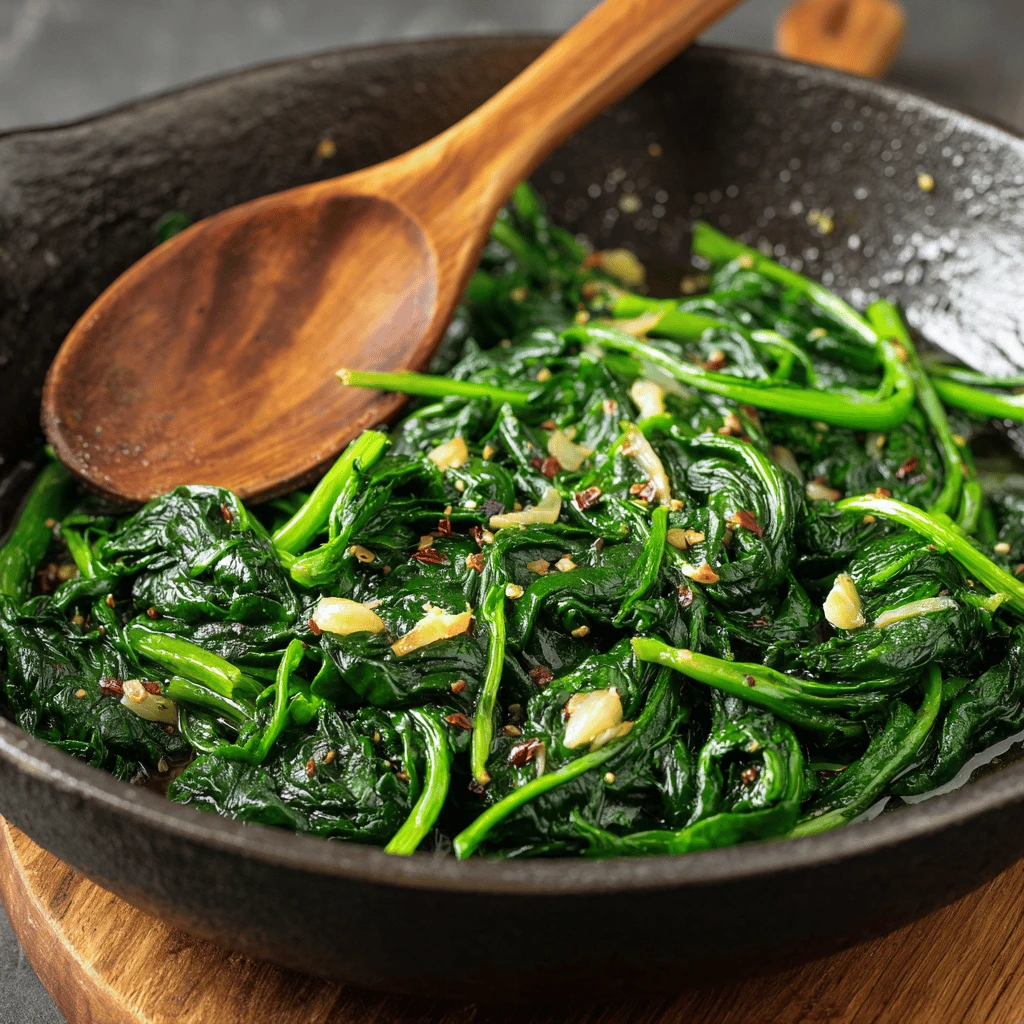
Sautéed Spinach with Garlic and Olive Oil: A Simple & Flavorful Delight Sautéed spinach with garlic and olive oil is a classic dish, celebrated for its simplicity, health benefits, and delicious flavor. This versatile side dish complements a wide array of meals and can be prepared in minutes with just a handful of ingredients. Whether…
Sautéed Spinach with Garlic and Olive Oil: A Simple & Flavorful Delight
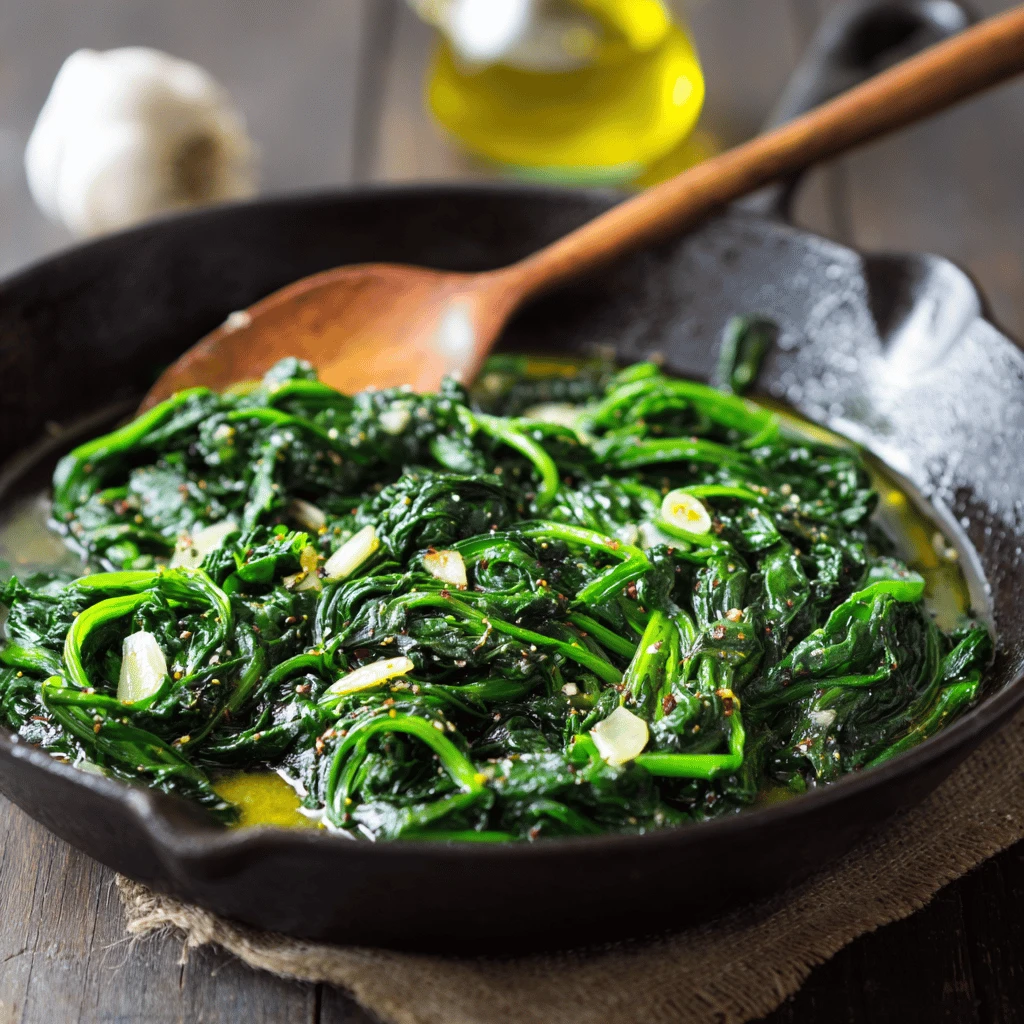
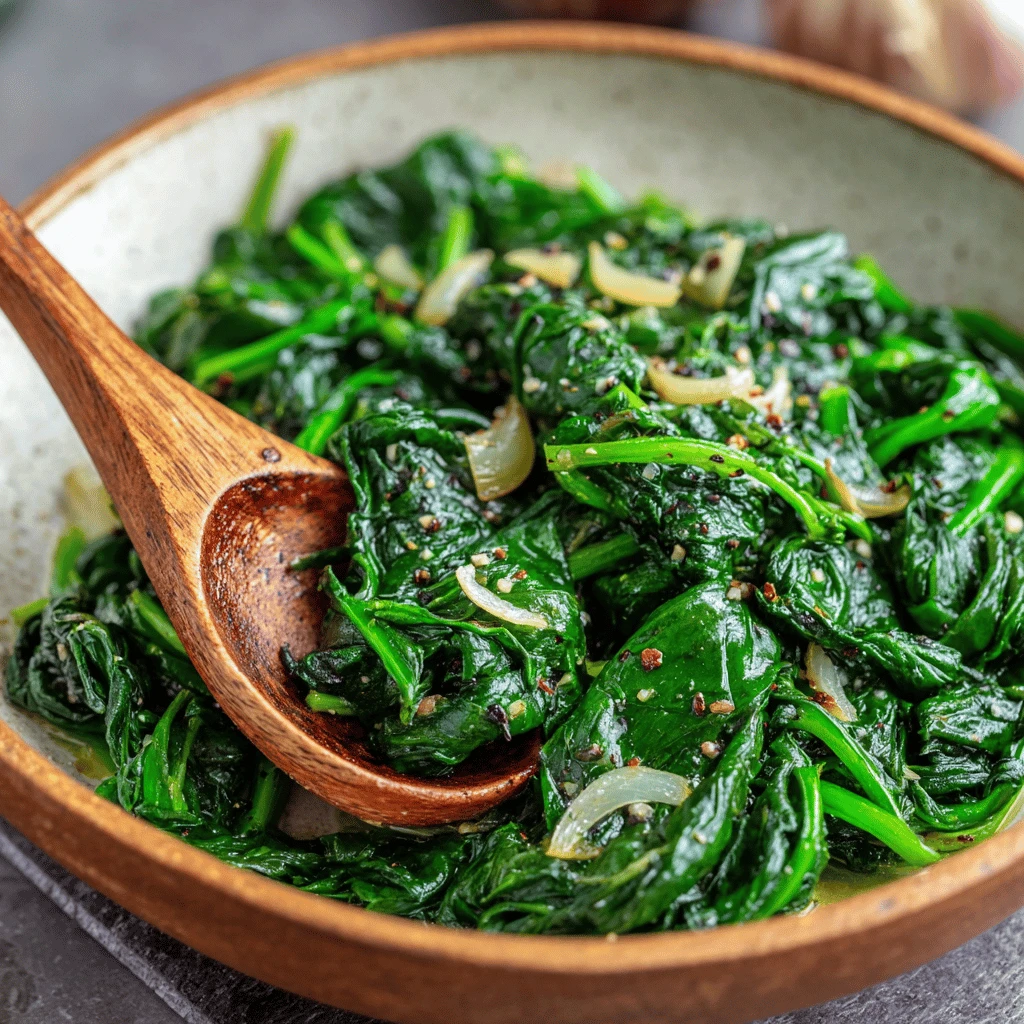
Sautéed spinach with garlic and olive oil is a classic dish, celebrated for its simplicity, health benefits, and delicious flavor. This versatile side dish complements a wide array of meals and can be prepared in minutes with just a handful of ingredients. Whether you’re a seasoned chef or a beginner in the kitchen, mastering this recipe is a guaranteed way to elevate your culinary repertoire.
Why Sautéed Spinach is a Kitchen Staple
Beyond its ease of preparation, sautéed spinach boasts a nutritional profile that’s hard to ignore. Spinach is a powerhouse of vitamins and minerals, including vitamins A, C, and K, as well as iron, calcium, and potassium. Sautéing it with garlic and olive oil not only enhances its flavor but also helps to make some of these nutrients more bioavailable. The healthy fats in olive oil further contribute to a feeling of fullness and satisfaction.
Moreover, this dish is incredibly adaptable. It can be served as a side dish to grilled chicken, fish, or steak, or it can be incorporated into larger dishes such as pasta, omelets, or even pizza toppings. The possibilities are truly endless.
Mastering the Art of the Sauté: A Step-by-Step Guide
While the recipe is straightforward, a few key techniques will ensure your sautéed spinach turns out perfectly every time.
Gathering Your Ingredients
The beauty of this recipe lies in its minimalism. You’ll need:
- Fresh Spinach: Look for vibrant green leaves that are free from blemishes. Baby spinach is a popular choice for its tenderness, but mature spinach works just as well.
- Garlic: Fresh garlic is essential for that signature aroma and flavor.
- Olive Oil: Extra virgin olive oil is recommended for its superior taste and health benefits.
- Salt and Pepper: To season to taste.
- Optional Additions: Red pepper flakes for a touch of heat, lemon juice for brightness, or grated Parmesan cheese for added richness.
Preparing the Spinach
Proper preparation is crucial for achieving the best results.
1. Washing: Thoroughly wash the spinach to remove any dirt or grit. A salad spinner is your best friend for this step. Even if you purchase pre-washed spinach, a quick rinse is still a good idea.
2. Stemming (If Necessary): If using mature spinach, remove the tough stems. Baby spinach usually doesn’t require stemming.
3. Chopping (Optional): While not strictly necessary, roughly chopping the spinach can make it easier to handle and cook evenly.
The Sautéing Process
Now for the main event!
1. Heat the Oil: In a large skillet or sauté pan, heat the olive oil over medium heat. You want the oil to be hot enough to sizzle when the garlic is added but not so hot that it burns.
2. Sauté the Garlic: Add the minced garlic to the hot oil and sauté for about 30 seconds to 1 minute, until fragrant and lightly golden. Be careful not to burn the garlic, as this will impart a bitter taste.
3. Add the Spinach: Add the spinach to the pan in batches, if necessary, to avoid overcrowding. As the spinach wilts, it will release moisture and reduce in volume.
4. Cook Until Wilted: Continue to cook, stirring frequently, until the spinach is completely wilted and tender. This usually takes about 3-5 minutes.
5. Season and Serve: Season with salt and pepper to taste. If desired, stir in red pepper flakes or a squeeze of lemon juice. Serve immediately.
Tips for Perfect Sautéed Spinach
- Don’t Overcrowd the Pan: Overcrowding the pan will lower the temperature of the oil and cause the spinach to steam rather than sauté, resulting in soggy spinach. Cook in batches if necessary.
- Use High Heat (But Not Too High): Medium-high heat is ideal for sautéing spinach. This allows it to cook quickly without becoming mushy.
- Don’t Overcook: Overcooked spinach will be bitter and lose its vibrant green color. Aim for just wilted and tender.
- Dry the Spinach Thoroughly: Excess water in the spinach will prevent it from sautéing properly. A salad spinner is essential for removing excess moisture.
- Taste and Adjust Seasoning: Always taste the spinach before serving and adjust the seasoning as needed. A little extra salt or pepper can make a big difference.
Variations and Creative Twists
While the basic recipe is delicious on its own, there are countless ways to customize it to your liking.
Adding a Touch of Acidity
A squeeze of lemon juice or a splash of balsamic vinegar adds a bright and tangy element to the dish. This is particularly effective if you’re using mature spinach, which can sometimes have a slightly bitter taste.
Incorporating Cheese
Grated Parmesan cheese, crumbled feta cheese, or even a dollop of ricotta cheese can add a creamy and savory dimension to sautéed spinach. Add the cheese towards the end of the cooking process and stir until melted and incorporated.
Boosting the Protein
Add cooked chickpeas, white beans, or even crumbled bacon to the sautéed spinach for a protein-packed side dish or light meal.
Infusing with Herbs and Spices
Experiment with different herbs and spices to create unique flavor profiles. A pinch of nutmeg, a sprinkle of dried oregano, or a handful of fresh parsley can all add depth and complexity to the dish.
Making it a Meal
Transform sautéed spinach into a satisfying meal by serving it over pasta, rice, or quinoa. You can also top it with a fried egg for a simple yet delicious breakfast or lunch.
Pairing Suggestions and Serving Ideas
Sautéed spinach with garlic and olive oil is a versatile dish that pairs well with a wide variety of cuisines and dishes.
Main Course Pairings
- Grilled Meats: Sautéed spinach is a classic accompaniment to grilled chicken, steak, or fish. Its subtle flavor complements the richness of the meat without overpowering it.
- Pasta Dishes: Toss sautéed spinach with pasta, pesto, and pine nuts for a simple yet flavorful vegetarian meal.
- Eggs: Serve sautéed spinach alongside scrambled eggs, omelets, or frittatas for a healthy and satisfying breakfast or brunch.
- Roasted Vegetables: Combine sautéed spinach with other roasted vegetables such as sweet potatoes, Brussels sprouts, or carrots for a colorful and nutritious side dish.
Serving Ideas
- Side Dish: Serve sautéed spinach as a simple side dish alongside your favorite main course.
- Pizza Topping: Use sautéed spinach as a topping for homemade or store-bought pizza.
- Stuffing: Incorporate sautéed spinach into savory stuffings for poultry or vegetables.
- Filling for Sandwiches and Wraps: Add sautéed spinach to sandwiches and wraps for a healthy and flavorful boost.
Storage and Reheating
Leftover sautéed spinach can be stored in an airtight container in the refrigerator for up to 3 days. To reheat, simply microwave it for a few seconds or sauté it in a pan with a little olive oil until heated through. Be careful not to overcook it, as this can make it mushy. It’s also great cold in salads.
Frequently Asked Questions (FAQ)
Q: Can I use frozen spinach instead of fresh?
A: Yes, you can use frozen spinach, but be sure to thaw it completely and squeeze out as much excess water as possible before sautéing. Fresh spinach generally yields a better texture and flavor, but frozen spinach is a convenient alternative.
Q: How do I prevent the garlic from burning?
A: Use medium heat and keep a close eye on the garlic as it cooks. It should turn lightly golden and fragrant, but not brown or black. If the garlic starts to burn, remove the pan from the heat immediately.
Q: Can I add other vegetables to this dish?
A: Absolutely! Mushrooms, onions, bell peppers, and cherry tomatoes all pair well with sautéed spinach. Simply add them to the pan along with the garlic and sauté until tender before adding the spinach.
Q: Is this dish suitable for vegans?
A: Yes, this dish is naturally vegan as long as you don’t add any non-vegan ingredients such as cheese or butter.
Q: How can I make this dish spicier?
A: Add a pinch of red pepper flakes or a dash of your favorite hot sauce to the pan along with the garlic. You can also use chili-infused olive oil for an extra kick.