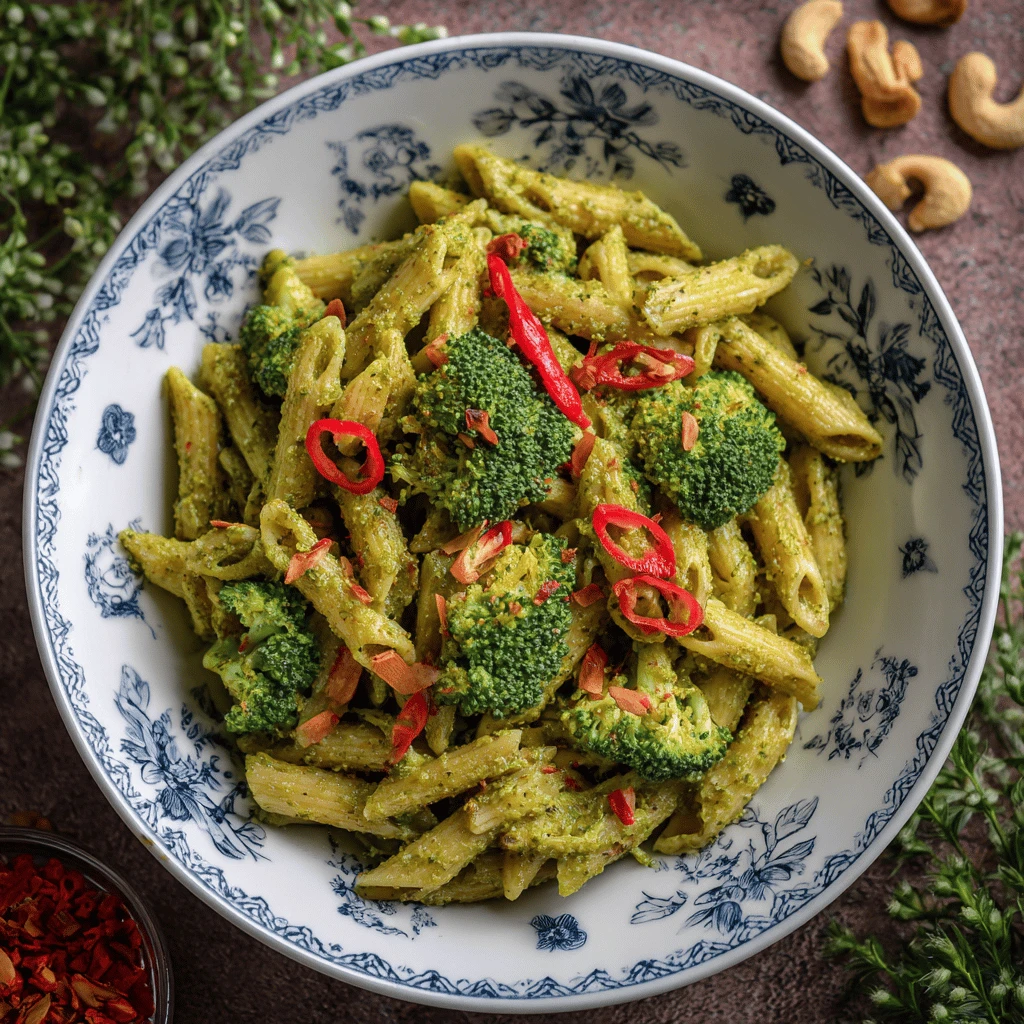
Broccoli Pesto Pasta: A Vibrant and Delicious Meal Broccoli pesto pasta is a delightful twist on the classic pesto dish, offering a vibrant green color and a boost of nutrients. This recipe combines the earthy flavors of broccoli with the traditional ingredients of pesto, creating a healthy and satisfying meal that’s perfect for a weeknight…
Broccoli Pesto Pasta: A Vibrant and Delicious Meal
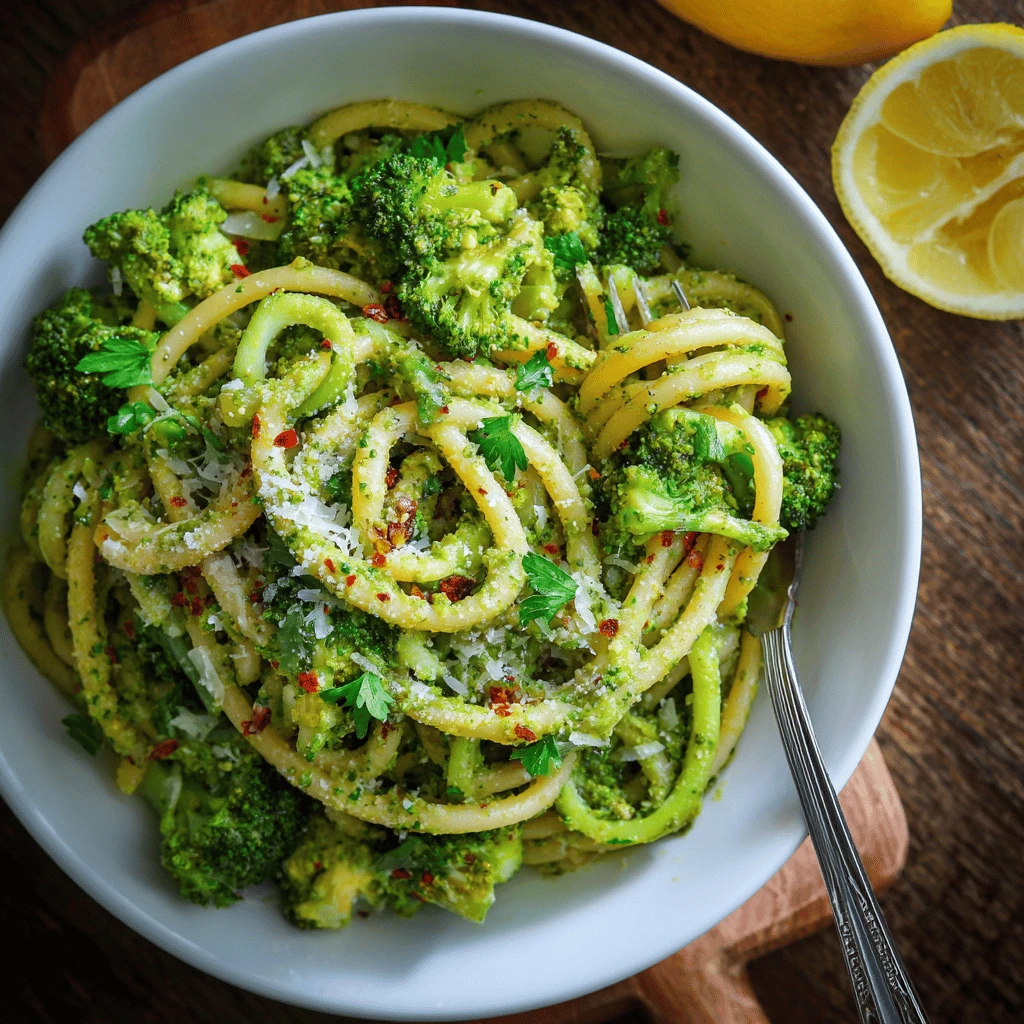
Broccoli pesto pasta is a delightful twist on the classic pesto dish, offering a vibrant green color and a boost of nutrients. This recipe combines the earthy flavors of broccoli with the traditional ingredients of pesto, creating a healthy and satisfying meal that’s perfect for a weeknight dinner or a light lunch.
Why Broccoli Pesto Pasta is a Must-Try
Broccoli pesto pasta stands out for its unique flavor profile and nutritional benefits. Here’s why you should add it to your culinary repertoire:
- Nutrient-Rich: Broccoli is packed with vitamins, minerals, and antioxidants, making this pasta dish a healthy choice.
- Flavorful and Versatile: The combination of broccoli, basil, garlic, and Parmesan cheese creates a complex and delicious flavor that pairs well with various pasta shapes and toppings.
- Easy to Make: This recipe is relatively simple and quick to prepare, making it ideal for busy weeknights.
- Vegetarian-Friendly: Broccoli pesto pasta is a vegetarian dish that can easily be made vegan by substituting the Parmesan cheese with nutritional yeast or a plant-based alternative.
- A Great Way to Use Broccoli: If you are tired of the same old recipes, this is an excellent way to incorporate more broccoli into your diet.
Crafting the Perfect Broccoli Pesto
The key to a successful broccoli pesto pasta lies in the quality of the pesto itself. Here’s a step-by-step guide to creating a flavorful and vibrant broccoli pesto:
Selecting the Right Ingredients
- Broccoli: Choose fresh, firm broccoli florets with a vibrant green color. Avoid broccoli with yellowing or signs of decay.
- Basil: Fresh basil leaves are essential for that classic pesto flavor. Opt for bright green leaves without any blemishes.
- Garlic: Use fresh garlic cloves for the best flavor. Adjust the quantity according to your preference.
- Parmesan Cheese: High-quality Parmesan cheese adds a salty, nutty flavor to the pesto. Grate it finely for a smooth texture. For a vegan alternative, use nutritional yeast.
- Pine Nuts: Toasted pine nuts provide a subtle crunch and nutty flavor. You can substitute them with walnuts or almonds if desired.
- Olive Oil: Extra virgin olive oil is crucial for a rich and flavorful pesto.
- Lemon Juice: A squeeze of fresh lemon juice brightens the flavor of the pesto and helps to preserve its vibrant green color.
- Salt and Pepper: Season the pesto to taste with salt and freshly ground black pepper.
Preparing the Broccoli Pesto
1. Blanch the Broccoli: Bring a pot of salted water to a boil. Add the broccoli florets and cook for 3-4 minutes, until tender-crisp. Immediately transfer the broccoli to an ice bath to stop the cooking process and preserve its color. Drain well.
2. Toast the Pine Nuts: In a dry skillet over medium heat, toast the pine nuts for 2-3 minutes, until golden brown and fragrant. Watch them carefully as they can burn quickly.
3. Combine Ingredients in a Food Processor: In a food processor, combine the blanched broccoli, basil leaves, garlic cloves, toasted pine nuts, Parmesan cheese (or nutritional yeast), lemon juice, salt, and pepper.
4. Process Until Smooth: Pulse the food processor until the ingredients are coarsely chopped. Then, with the food processor running, slowly drizzle in the olive oil until the pesto is smooth and creamy. You may need to scrape down the sides of the food processor occasionally.
5. Taste and Adjust Seasoning: Taste the pesto and adjust the seasoning as needed. Add more salt, pepper, lemon juice, or Parmesan cheese to your liking.
Tips for a Perfect Pesto
- Don’t Overcook the Broccoli: Overcooked broccoli will result in a mushy and bland pesto.
- Use Fresh Ingredients: Fresh ingredients are key to a flavorful pesto.
- Toast the Pine Nuts: Toasting the pine nuts enhances their flavor and adds a subtle crunch to the pesto.
- Adjust the Consistency: If the pesto is too thick, add a little more olive oil. If it’s too thin, add more Parmesan cheese or nuts.
- Store Properly: Store leftover pesto in an airtight container in the refrigerator for up to 3 days. You can also freeze it in ice cube trays for longer storage.
Cooking the Pasta and Assembling the Dish
Once you have your delicious broccoli pesto ready, it’s time to cook the pasta and assemble the dish.
Choosing the Right Pasta
- Shape: The best pasta shapes for pesto are those with ridges or grooves that can hold the sauce well. Penne, fusilli, rotini, and orecchiette are all excellent choices.
- Type: You can use any type of pasta you prefer, including traditional wheat pasta, whole wheat pasta, or gluten-free pasta.
Cooking the Pasta to Perfection
1. Bring Water to a Boil: Fill a large pot with salted water and bring it to a rolling boil.
2. Add Pasta and Cook: Add the pasta to the boiling water and cook according to the package directions, until al dente. Al dente means “to the tooth” in Italian, and it refers to pasta that is firm and slightly chewy.
3. Reserve Pasta Water: Before draining the pasta, reserve about 1 cup of the pasta water. This starchy water can be used to adjust the consistency of the sauce and help it cling to the pasta.
4. Drain the Pasta: Drain the pasta in a colander.
Assembling the Dish
1. Combine Pasta and Pesto: Return the drained pasta to the pot. Add the broccoli pesto and toss to coat.
2. Adjust Consistency: If the sauce is too thick, add a little of the reserved pasta water until it reaches your desired consistency.
3. Serve Immediately: Serve the broccoli pesto pasta immediately. Garnish with extra Parmesan cheese, red pepper flakes, or a drizzle of olive oil, if desired.
Variations and Additions
Broccoli pesto pasta is a versatile dish that can be customized to your liking. Here are a few variations and additions to try:

- Add Protein: Grilled chicken, shrimp, or tofu can be added to the pasta for a heartier meal.
- Add Vegetables: Roasted vegetables like cherry tomatoes, bell peppers, or zucchini can add extra flavor and nutrients to the dish.
- Spice it Up: Add a pinch of red pepper flakes to the pesto or sprinkle some on top of the finished dish for a spicy kick.
- Add Lemon Zest: Lemon zest can add a bright and refreshing flavor to the pesto.
- Use Different Nuts: Try using walnuts, almonds, or pistachios instead of pine nuts in the pesto.
- Make it Creamy: Add a dollop of ricotta cheese or cream cheese to the pesto for a creamier texture.
- Sun-Dried Tomatoes: Adding chopped sun-dried tomatoes to the pesto gives it a richer, deeper taste.
Serving and Storing Broccoli Pesto Pasta
- Serving: Broccoli pesto pasta is best served immediately, while the pasta is still warm and the pesto is fresh. It can be served as a main course or as a side dish.
- Storing: Leftover broccoli pesto pasta can be stored in an airtight container in the refrigerator for up to 3 days. When reheating, you may need to add a little water or olive oil to loosen the sauce.
Frequently Asked Questions (FAQ)
- Can I use frozen broccoli for pesto? While fresh broccoli is preferred for the best flavor and texture, frozen broccoli can be used in a pinch. Make sure to thaw it completely and squeeze out any excess water before using it in the pesto.
- How long does broccoli pesto last? Broccoli pesto will last for up to 3 days in the refrigerator when stored in an airtight container. You can also freeze it for longer storage.
- Can I make broccoli pesto without pine nuts? Yes, you can substitute pine nuts with other nuts like walnuts, almonds, or even sunflower seeds. You can also omit the nuts altogether if you have a nut allergy.
- Is broccoli pesto healthy? Yes, broccoli pesto is a healthy alternative to traditional pesto, as it incorporates the nutritional benefits of broccoli. It is rich in vitamins, minerals, and antioxidants.
- Can I make broccoli pesto vegan? Yes, you can easily make broccoli pesto vegan by substituting the Parmesan cheese with nutritional yeast or a plant-based Parmesan alternative.
- Why is my broccoli pesto bitter? Broccoli can sometimes have a slightly bitter taste, which can be intensified if it’s overcooked. Blanching the broccoli for a short amount of time and immediately transferring it to an ice bath can help reduce the bitterness.
- Can I use pre-shredded Parmesan cheese? While pre-shredded Parmesan cheese is convenient, it often contains cellulose, which can affect the texture of the pesto. It’s best to use freshly grated Parmesan cheese for the best results.