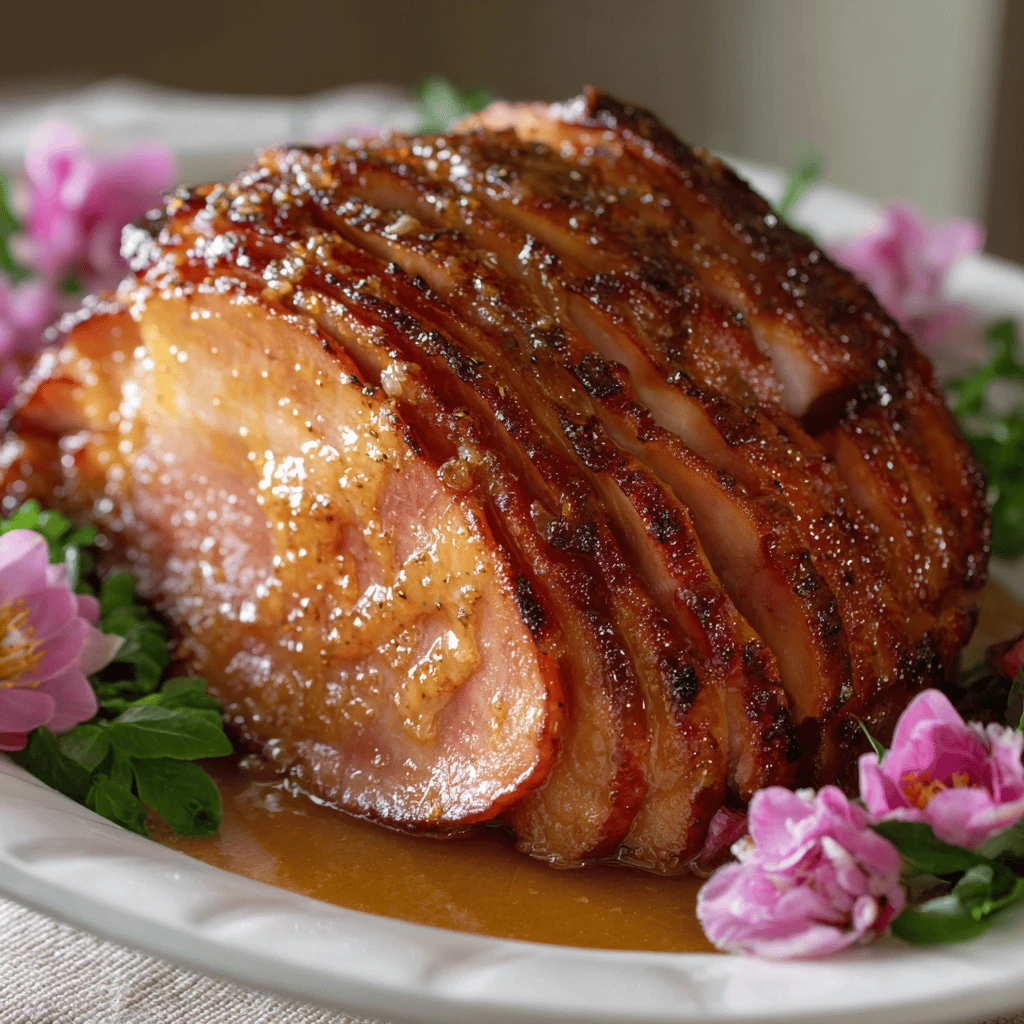
Brown Sugar Ham Glaze: The Ultimate Guide to a Delicious Holiday Ham Brown sugar ham glaze is a classic for a reason. It transforms a simple ham into a show-stopping centerpiece, perfect for holidays, special occasions, or even a memorable Sunday dinner. This comprehensive guide will walk you through everything you need to know to…
Brown Sugar Ham Glaze: The Ultimate Guide to a Delicious Holiday Ham
Brown sugar ham glaze is a classic for a reason. It transforms a simple ham into a show-stopping centerpiece, perfect for holidays, special occasions, or even a memorable Sunday dinner. This comprehensive guide will walk you through everything you need to know to create the perfect brown sugar ham glaze, from choosing the right ham to troubleshooting common glazing issues.
Choosing Your Ham: The Foundation for Flavor
The success of your glazed ham starts with selecting the right ham. Here’s a breakdown of the key considerations:
- Type of Ham: Hams come in various forms, including city hams (wet-cured), country hams (dry-cured), and fresh hams. For glazing, city hams are the most common and convenient choice. They are fully cooked, requiring only reheating and glazing. Country hams, on the other hand, are saltier and require more preparation. Fresh hams need to be cooked fully.
- Bone-In vs. Boneless: Bone-in hams offer more flavor and tend to be more moist, but they can be more challenging to carve. Boneless hams are easier to slice, but they may dry out more quickly. A good compromise is a semi-boneless ham, which offers a balance of flavor and convenience.
- Spiral-Sliced vs. Unsliced: Spiral-sliced hams are pre-cut, making them incredibly easy to serve. However, the increased surface area can also lead to dryness. If you choose a spiral-sliced ham, be extra vigilant about keeping it moist during baking. Unsliced hams offer more control over slicing and tend to retain more moisture.
- Size: Estimate about ½ to ¾ pound of bone-in ham per person or ¼ to ½ pound of boneless ham per person. Consider leftovers when determining the size you need.
Crafting the Perfect Brown Sugar Glaze: Ingredients and Techniques
The beauty of a brown sugar ham glaze lies in its simplicity. Here’s a classic recipe and tips for customizing it to your taste:
Classic Brown Sugar Ham Glaze Recipe
This recipe creates a balanced sweet and savory glaze that complements the richness of the ham.
Ingredients:
- 1 cup packed brown sugar
- 1/2 cup honey or maple syrup (optional, for added depth)
- 1/4 cup Dijon mustard
- 2 tablespoons apple cider vinegar or pineapple juice
- 1 tablespoon Worcestershire sauce
- 1/2 teaspoon ground cloves or cinnamon (optional, for warmth)
- Pinch of ground ginger (optional)
Instructions:
1. Combine all ingredients in a saucepan over medium heat.
2. Whisk constantly until the brown sugar is dissolved and the glaze is smooth.
3. Bring to a simmer and cook for 2-3 minutes, or until the glaze has slightly thickened.
4. Remove from heat and let cool slightly before applying to the ham.
Customizing Your Glaze: Variations and Flavor Enhancements
The classic recipe is a great starting point, but don’t be afraid to experiment! Here are some ideas to personalize your glaze:
- Spice it up: Add a pinch of cayenne pepper or a dash of hot sauce for a subtle kick.
- Fruity Flavors: Incorporate fruit preserves like apricot, cherry, or orange marmalade for a tangy twist.
- Boozy Boost: Add a splash of bourbon, rum, or whiskey for a deeper, more complex flavor.
- Herbal Infusion: Add fresh herbs like rosemary or thyme to the glaze during simmering for an aromatic touch. Remove herbs before glazing.
- Citrus Zest: Incorporate orange, lemon, or grapefruit zest for brightness.
Glazing Your Ham: A Step-by-Step Guide
Now that you have your ham and glaze ready, it’s time to put them together. Follow these steps for a beautifully glazed ham:
1. Preheat Oven: Preheat your oven to 325°F (160°C).
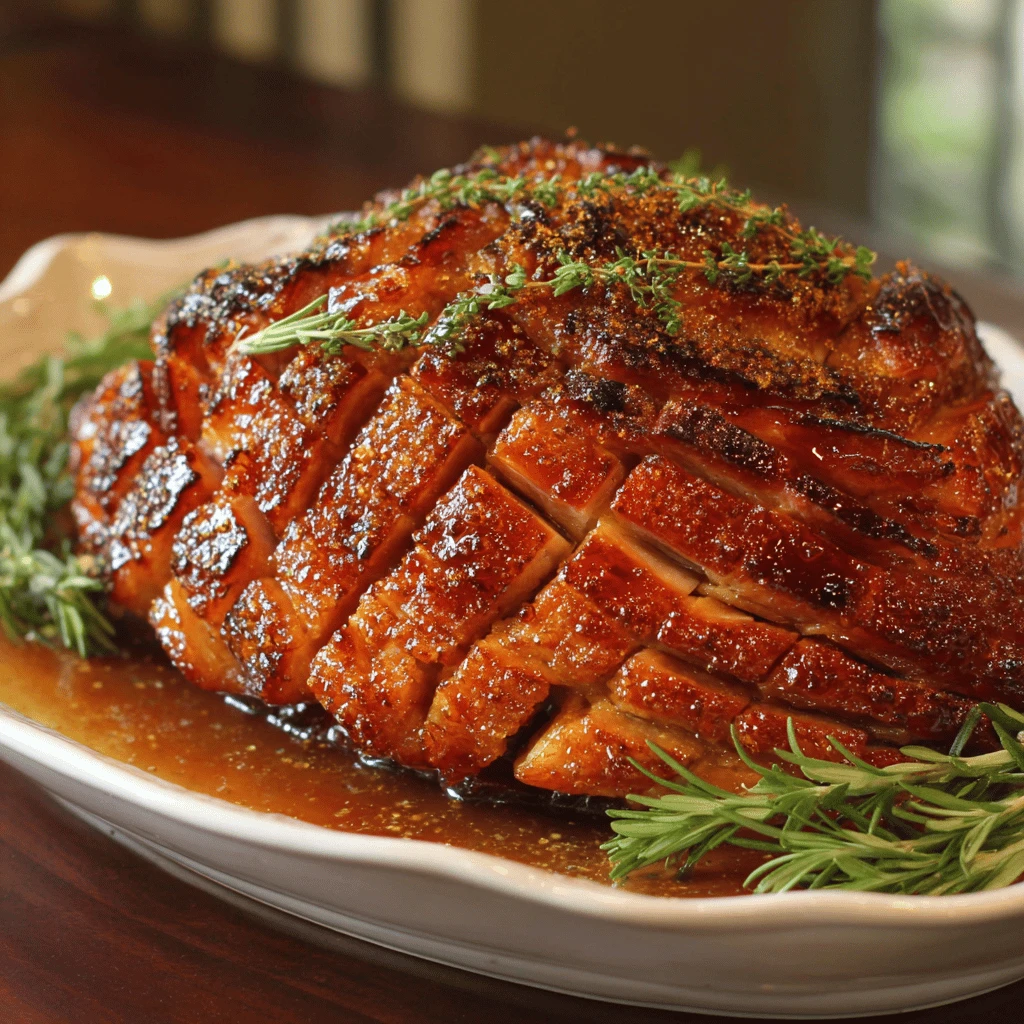
2. Prepare the Ham: Place the ham in a roasting pan. If using a spiral-sliced ham, consider wrapping it loosely in foil to prevent it from drying out. If you have an unsliced ham, score the surface in a diamond pattern. This helps the glaze penetrate the meat.
3. First Bake (if needed): If your ham requires some baking time before glazing (check package instructions), bake according to the package instructions, until it reaches an internal temperature of about 130°F (54°C).
4. First Glaze Application: Remove the ham from the oven (if pre-baking). Increase oven temperature to 400°F (200°C). Generously brush the ham with about half of the glaze, ensuring it coats all surfaces. If you scored the ham, work the glaze into the cuts.
5. Second Bake and Glaze: Return the ham to the oven and bake for another 10-15 minutes, or until the glaze starts to caramelize and the ham reaches an internal temperature of 140°F (60°C).
6. Final Glaze Application: Remove the ham from the oven and brush with the remaining glaze. Return to the oven for another 5-10 minutes, or until the glaze is deeply caramelized and the ham is heated through.
7. Rest: Remove the ham from the oven and let it rest for 10-15 minutes before carving. This allows the juices to redistribute, resulting in a more moist and flavorful ham.
Checklist:
- [ ] Preheat oven to 325°F (160°C).
- [ ] Place ham in roasting pan.
- [ ] Score unsliced ham (optional).
- [ ] Pre-bake ham if needed, targeting 130°F (54°C).
- [ ] Increase oven temp to 400°F (200°C).
- [ ] Apply first coat of glaze.
- [ ] Bake for 10-15 minutes.
- [ ] Apply final coat of glaze.
- [ ] Bake for final 5-10 minutes.
- [ ] Let ham rest for 10-15 minutes before serving.
Troubleshooting Common Glazing Problems
Even with the best recipe, things can sometimes go wrong. Here are some common problems and how to fix them:
- Glaze is too thin: If your glaze is too runny, simmer it for a longer period of time to allow it to thicken. You can also add a small amount of cornstarch slurry (1 teaspoon cornstarch mixed with 1 tablespoon cold water) to the glaze while simmering.
- Glaze is too thick: If your glaze becomes too thick, add a tablespoon or two of water or apple cider vinegar to thin it out.
- Ham is drying out: To prevent your ham from drying out, especially if it's spiral-sliced, wrap it loosely in foil during the initial baking period. You can also add a cup of water or broth to the bottom of the roasting pan to create steam.
- Glaze is burning: If your glaze is burning, reduce the oven temperature and cover the ham loosely with foil.
- Glaze isn't sticking: Make sure the ham is slightly tacky before applying the glaze. Scoring the ham can also help the glaze adhere better.
Serving and Storing Your Glazed Ham
Once your ham is glazed to perfection, it’s time to serve and enjoy!
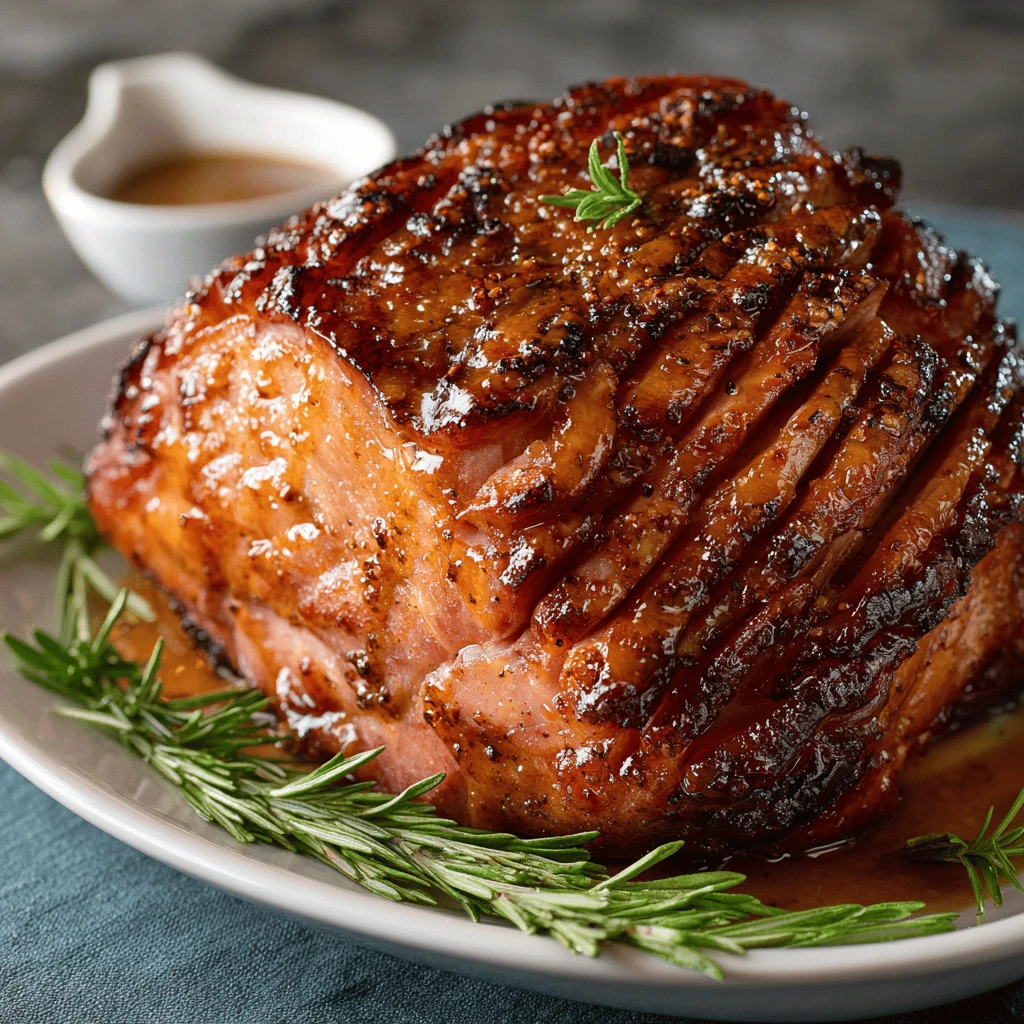
- Carving: Use a sharp carving knife to slice the ham against the grain. For a bone-in ham, start by carving around the bone to remove the meat.
- Serving Suggestions: Glazed ham pairs well with a variety of side dishes, including mashed potatoes, scalloped potatoes, green bean casserole, roasted vegetables, and dinner rolls.
- Leftovers: Store leftover ham in an airtight container in the refrigerator for up to 5 days. You can use leftover ham in sandwiches, salads, soups, and casseroles. Glazed ham also freezes well for up to 2 months.
FAQ: Your Brown Sugar Ham Glaze Questions Answered
- What kind of brown sugar is best for ham glaze? Both light and dark brown sugar work well. Dark brown sugar will give the glaze a richer, more molasses-like flavor.
- Can I make the glaze ahead of time? Yes, you can make the glaze up to a few days in advance. Store it in an airtight container in the refrigerator. Reheat gently before using.
- Do I need to score the ham before glazing? Scoring is recommended for unsliced hams as it allows the glaze to penetrate the meat more effectively. It's not necessary for spiral-sliced hams.
- How long should I bake the ham after glazing? Bake the ham until the glaze is caramelized and the ham is heated through, usually about 15-25 minutes, depending on the size of the ham and the oven temperature. The internal temperature should reach 140°F (60°C).
- Can I use a different type of mustard? While Dijon mustard is a classic choice, you can experiment with other types of mustard, such as stone-ground mustard or honey mustard, for different flavor profiles.
- My glaze is too sweet. How can I balance it? Add a splash of apple cider vinegar, lemon juice, or Worcestershire sauce to balance the sweetness.