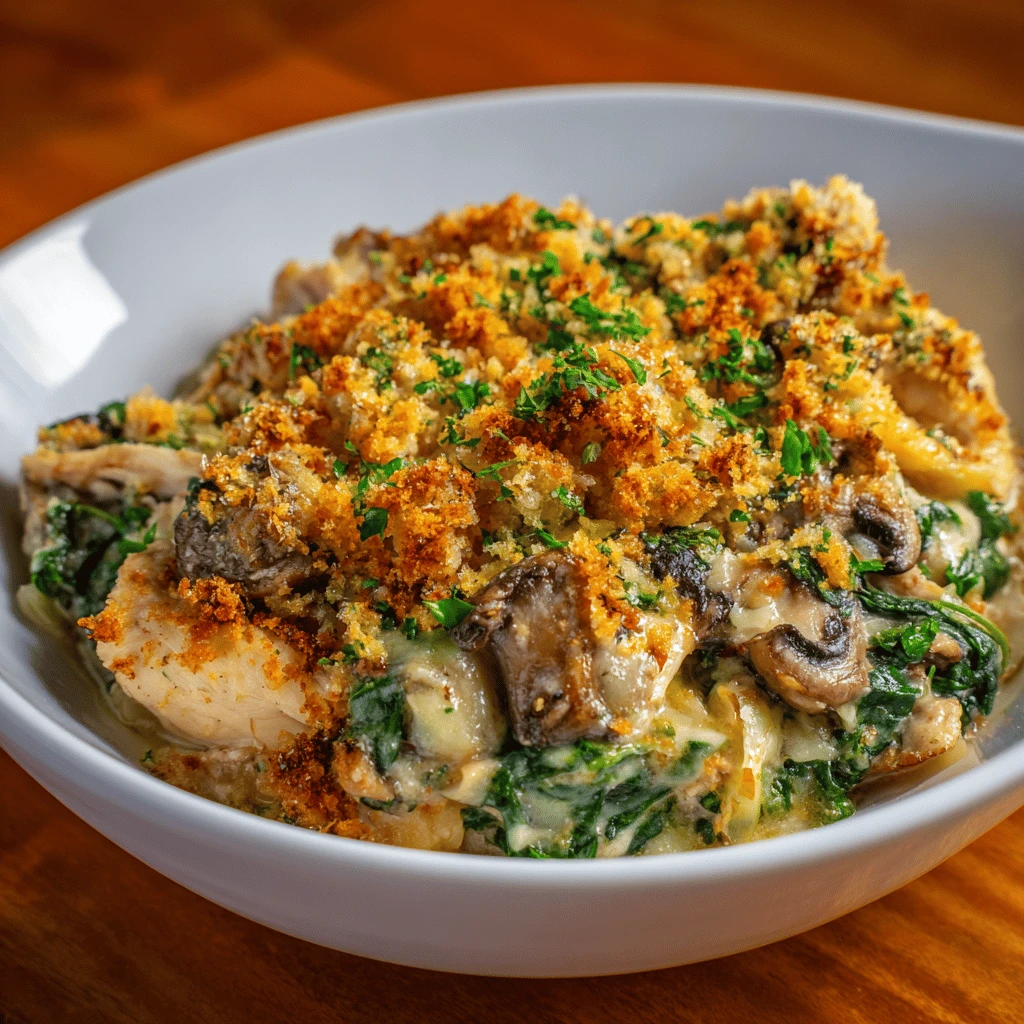
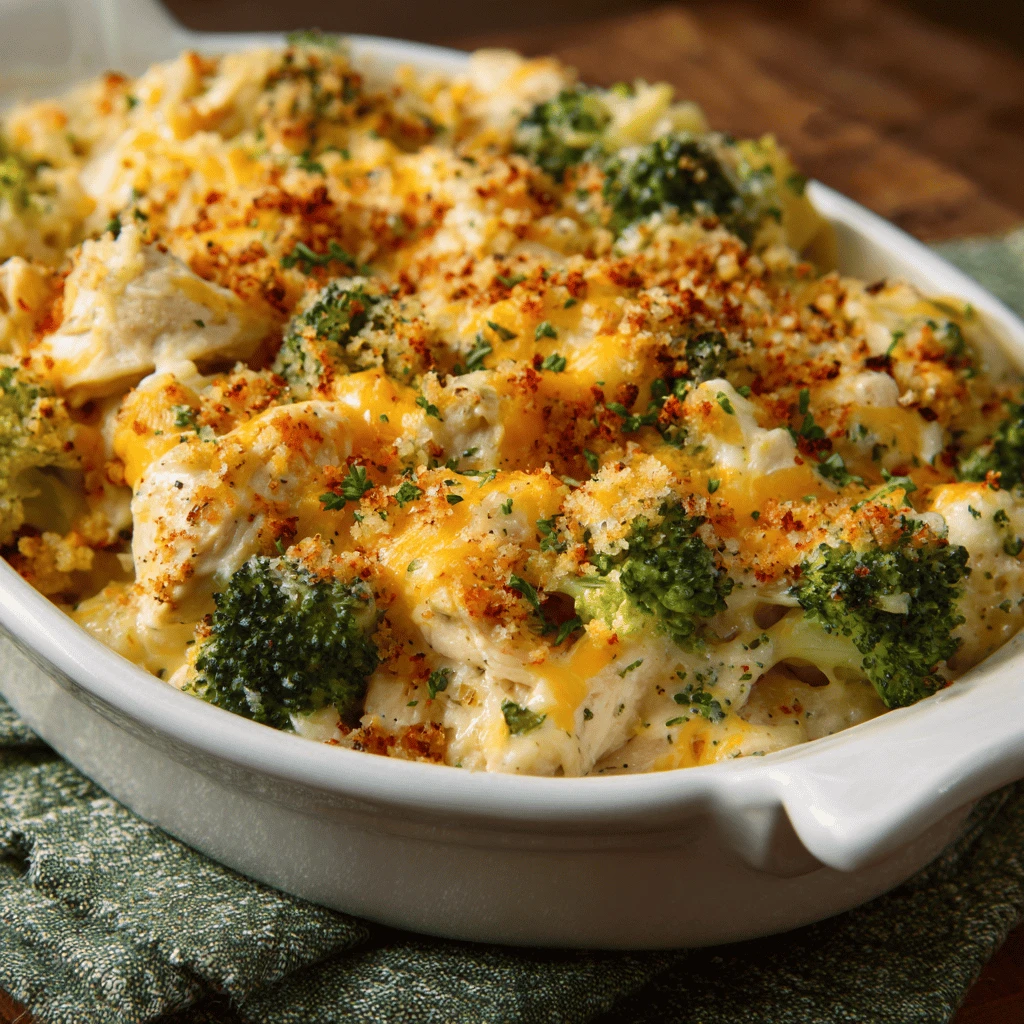
Cheesy Broccoli and Chicken Casserole A Comfort Food Classic Reimagined Cheesy Broccoli and Chicken Casserole: the very name conjures images of warm, comforting dinners shared with loved ones. This dish is a timeless classic, passed down through generations, and it’s easy to see why. It’s a symphony of flavors and textures, combining tender chicken, vibrant…
Cheesy Broccoli and Chicken Casserole
A Comfort Food Classic Reimagined
Cheesy Broccoli and Chicken Casserole: the very name conjures images of warm, comforting dinners shared with loved ones. This dish is a timeless classic, passed down through generations, and it’s easy to see why. It’s a symphony of flavors and textures, combining tender chicken, vibrant broccoli, and a rich, cheesy sauce, all baked to golden-brown perfection. But beyond its delicious taste, this casserole is also incredibly versatile and adaptable, making it a perfect weeknight meal or a crowd-pleasing potluck dish.
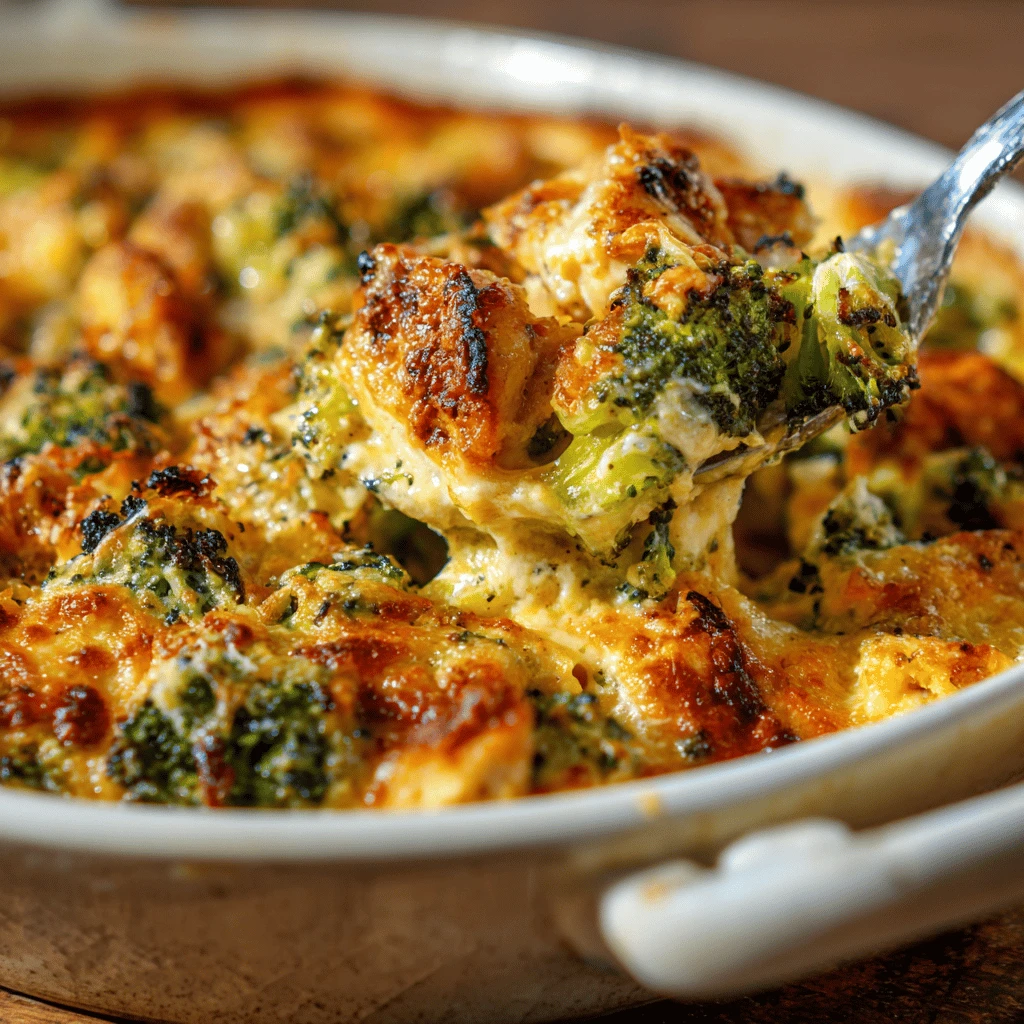
This article delves into the art of creating the ultimate Cheesy Broccoli and Chicken Casserole. We’ll explore variations, offer tips for achieving the perfect texture and flavor, and provide guidance on making this beloved dish your own.
Building Blocks of a Perfect Casserole
A successful Cheesy Broccoli and Chicken Casserole hinges on the quality of its core components. Let’s break down each element and consider how to maximize its contribution to the final masterpiece.
Chicken: The Heart of the Matter
The chicken forms the protein foundation of this casserole. Several options work well, each offering a unique flavor and texture profile.
- Cooked Chicken Breast: This is perhaps the most common choice due to its lean nature and readily available pre-cooked options. Rotisserie chicken is a fantastic time-saver, offering juicy, flavorful meat without any extra effort. If cooking chicken breast yourself, ensure it’s cooked through but not dry. Poaching, baking, or grilling are all suitable methods.
- Chicken Thighs: For a richer, more flavorful option, consider using chicken thighs. Their higher fat content keeps them incredibly moist and tender during baking. Bone-in, skin-on thighs can be baked separately and then shredded for added depth of flavor. Boneless, skinless thighs are also a convenient choice.
- Canned Chicken: While not as flavorful as fresh chicken, canned chicken can be a useful shortcut in a pinch. Choose a high-quality brand packed in water and drain it well before adding it to the casserole.
Regardless of your chicken choice, ensure it’s cut into bite-sized pieces for even distribution throughout the casserole.
Broccoli: The Green Goodness
Broccoli provides a healthy dose of vitamins and a delightful crunch to counterbalance the richness of the cheese sauce.
- Fresh Broccoli: Fresh broccoli florets are ideal, offering the best flavor and texture. Steam or blanch the broccoli briefly before adding it to the casserole. This helps to soften it slightly and prevents it from becoming too crunchy during baking. Be careful not to overcook the broccoli, as it will become mushy.
- Frozen Broccoli: Frozen broccoli is a convenient alternative, especially when fresh broccoli isn’t readily available. Thaw and drain the frozen broccoli thoroughly before using it in the casserole. Patting it dry with paper towels will remove excess moisture and prevent a watery casserole.
Cut the broccoli into small, uniform florets for even cooking.
The Cheese Sauce: The Soul of the Casserole
The cheese sauce is what truly brings this casserole to life. It binds all the ingredients together and provides that signature cheesy flavor.
- Base: The base of the cheese sauce typically consists of a roux (a mixture of butter and flour) and milk or cream. The roux thickens the sauce, while the milk or cream provides richness and body.
- Cheese: The choice of cheese is crucial. Cheddar cheese is a classic option, offering a sharp and tangy flavor. Other cheeses that work well include Monterey Jack, Gruyere, and Parmesan. A combination of cheeses can add complexity and depth of flavor.
- Seasoning: Don’t forget to season the cheese sauce properly. Salt, pepper, garlic powder, and onion powder are all common additions. A pinch of nutmeg can also add a subtle warmth.
The Topping: The Crowning Glory
The topping adds a final layer of texture and flavor to the casserole.
- Breadcrumbs: Breadcrumbs are a popular choice, providing a crispy, golden-brown crust. Panko breadcrumbs offer a particularly satisfying crunch. Toss the breadcrumbs with melted butter and seasonings before sprinkling them over the casserole.
- Crushed Crackers: Crushed crackers, such as Ritz crackers or buttery round crackers, are another excellent option. They add a slightly salty and buttery flavor.
- Cheese: A final sprinkle of shredded cheese can also be used as a topping, adding extra cheesiness and a beautiful golden-brown crust.
Flavor Variations and Creative Twists
While the classic Cheesy Broccoli and Chicken Casserole is delicious on its own, there’s plenty of room for experimentation and customization. Here are a few ideas to spark your culinary creativity:
- Add Vegetables: Consider adding other vegetables, such as mushrooms, onions, bell peppers, or carrots, to the casserole for added flavor and nutrition. Sauté the vegetables before adding them to the casserole to soften them and enhance their flavor.
- Spice it Up: Add a pinch of red pepper flakes or a dash of hot sauce to the cheese sauce for a spicy kick.
- Cream of Soup: Many recipes utilize cream of mushroom, cream of chicken, or cream of celery soup as a shortcut for the cheese sauce. While convenient, this can often lead to a casserole that is overly salty or lacking in fresh flavor. If using cream of soup, consider using a low-sodium variety and adding fresh ingredients to balance the flavor.
- Add Pasta or Rice: Turn the casserole into a more substantial meal by adding cooked pasta or rice. Elbow macaroni, penne, or rice all work well.
- Change the Cheese: Experiment with different types of cheese to create unique flavor combinations. Smoked Gouda, Havarti, or even a sharp blue cheese can add a distinctive twist.
- Herbaceous Notes: Add fresh or dried herbs to the cheese sauce or the topping for added flavor and aroma. Thyme, rosemary, parsley, and chives are all excellent choices.
Tips for Casserole Perfection
Creating a truly memorable Cheesy Broccoli and Chicken Casserole involves more than just following a recipe. Here are some tips to help you achieve casserole perfection:
- Don’t Overcook the Broccoli: Overcooked broccoli becomes mushy and loses its vibrant green color. Steam or blanch the broccoli just until it’s tender-crisp.
- Prevent a Soggy Casserole: Excess moisture is the enemy of a good casserole. Ensure that the broccoli and chicken are well-drained before adding them to the casserole. You can also add a tablespoon or two of cornstarch to the cheese sauce to help absorb any excess moisture.
- Use High-Quality Ingredients: The quality of your ingredients will directly impact the flavor of the casserole. Use fresh, high-quality chicken, broccoli, and cheese for the best results.
- Taste as You Go: Taste the cheese sauce as you make it and adjust the seasoning as needed. This will ensure that the casserole is perfectly seasoned to your liking.
- Let it Rest: Allow the casserole to rest for 10-15 minutes after baking before serving. This will allow the cheese sauce to thicken slightly and the flavors to meld together.
- Browning: To ensure that the topping is golden brown, consider broiling the casserole for the last few minutes of baking. Watch it carefully to prevent burning.
Serving and Storage
Cheesy Broccoli and Chicken Casserole is a versatile dish that can be served as a main course or a side dish. It pairs well with a simple salad, steamed vegetables, or a crusty bread.
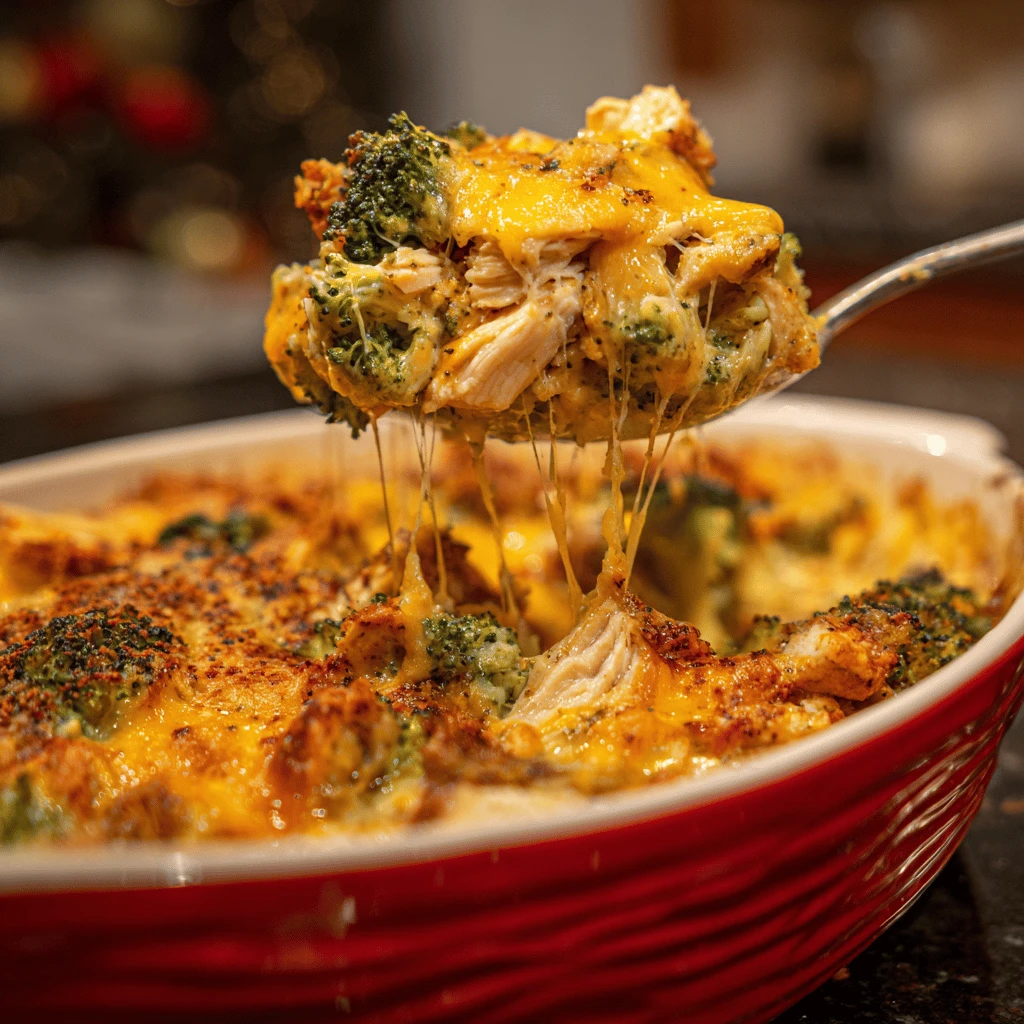
- Serving: Serve the casserole warm, garnished with fresh herbs, if desired.
- Storage: Leftovers can be stored in the refrigerator for up to 3 days. Reheat in the oven or microwave until heated through.
- Freezing: Cheesy Broccoli and Chicken Casserole can be frozen for up to 2 months. To freeze, allow the casserole to cool completely and then wrap it tightly in plastic wrap and aluminum foil. Thaw in the refrigerator overnight before reheating. The texture of the casserole may change slightly after freezing and thawing.
Frequently Asked Questions (FAQ)
- Can I make this casserole ahead of time? Yes, you can assemble the casserole ahead of time and store it in the refrigerator for up to 24 hours. Add the topping just before baking.
- Can I use pre-shredded cheese? While convenient, pre-shredded cheese often contains cellulose, which can prevent it from melting smoothly. For the best results, shred your own cheese.
- Can I make this casserole gluten-free? Yes, you can make this casserole gluten-free by using gluten-free breadcrumbs or crushed crackers for the topping and a gluten-free flour blend for the roux.
- Can I add other vegetables to this casserole? Absolutely! Feel free to add your favorite vegetables, such as mushrooms, onions, or bell peppers.
- How do I prevent the casserole from being too watery? Ensure that the broccoli and chicken are well-drained before adding them to the casserole. You can also add a tablespoon or two of cornstarch to the cheese sauce to help absorb any excess moisture.
- Can I make this casserole without cream of soup? Yes! The cheese sauce recipe provided above uses a roux-based sauce.
- What temperature should I bake the casserole at? Typically, 350°F (175°C) is the recommended temperature.
- How long do I bake the casserole for? Bake for 20-30 minutes, or until golden brown and bubbly.