Classic Chicken Pot Pie Chicken pot pie. The very name evokes feelings of warmth, comfort, and home. This quintessential dish, with its flaky crust and creamy, savory filling, is a timeless classic for a reason. But crafting the perfect pot pie can seem daunting. This guide breaks down the process, offering tips, variations, and everything…
Classic Chicken Pot Pie
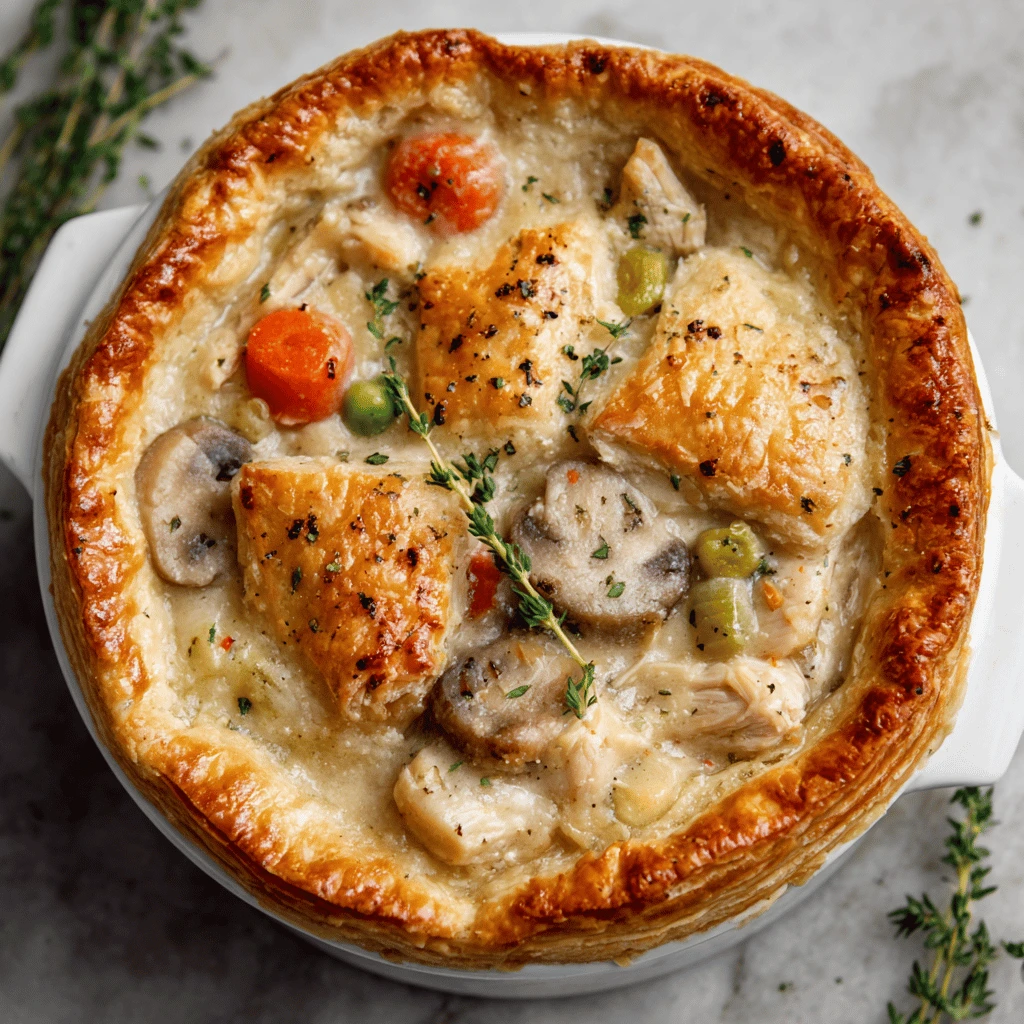
Chicken pot pie. The very name evokes feelings of warmth, comfort, and home. This quintessential dish, with its flaky crust and creamy, savory filling, is a timeless classic for a reason. But crafting the perfect pot pie can seem daunting. This guide breaks down the process, offering tips, variations, and everything you need to create a truly exceptional chicken pot pie.
Understanding the Anatomy of a Perfect Chicken Pot Pie
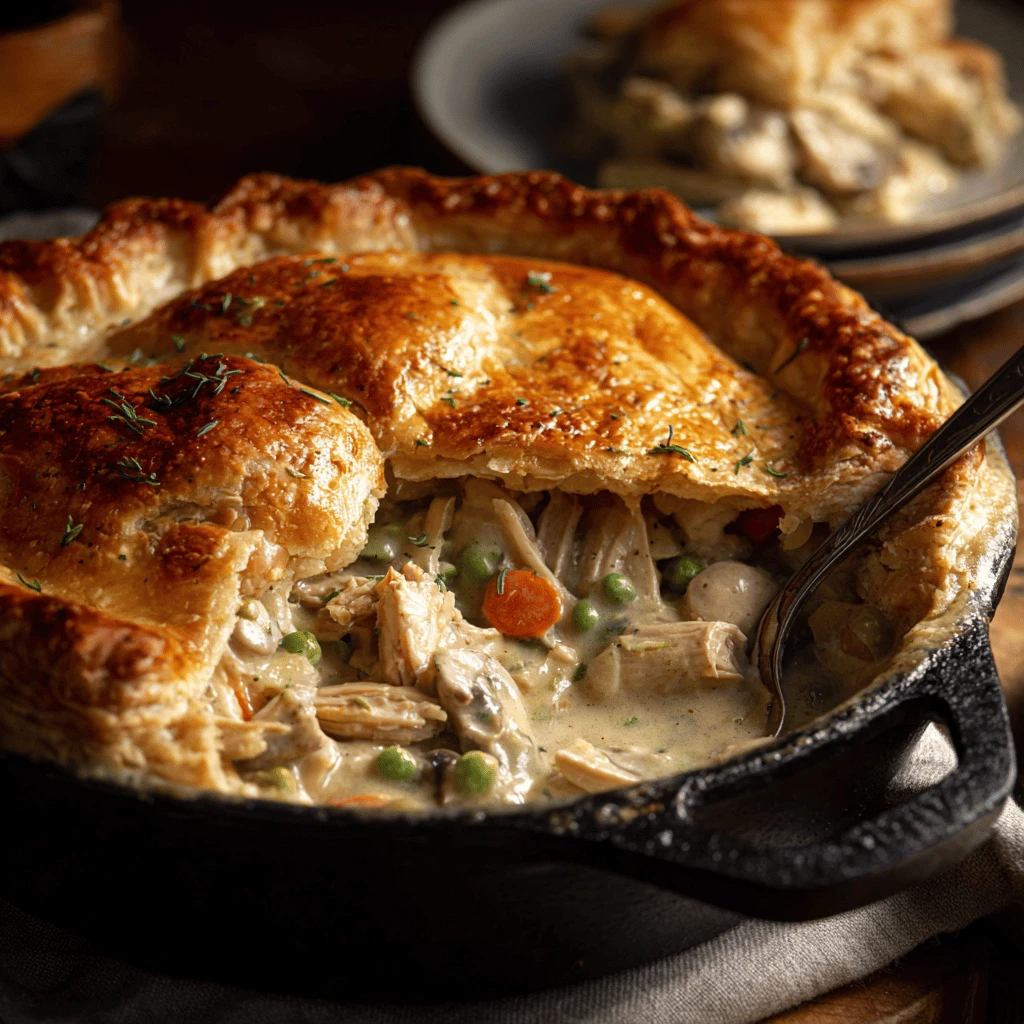
The magic of chicken pot pie lies in the harmonious blend of its components. Each element plays a vital role in delivering the ultimate comforting experience. Let’s examine the key ingredients and their impact on the final result.
The All-Important Crust: Flaky Perfection
The crust is the foundation of any good pot pie. A truly great crust should be golden brown, flaky, and tender. Achieving this requires attention to detail and a few key techniques.
- Fat is Your Friend: High-fat ingredients like butter or shortening (or a combination of both) are essential for creating flaky layers. The fat melts during baking, creating steam that separates the layers of dough.
- Cold is Key: Keeping your ingredients cold—especially the fat—is crucial. Cold fat creates small pockets within the dough, leading to a flakier texture. Consider chilling your flour, butter, and even your mixing bowl before you begin.
- Don’t Overwork It: Overmixing develops gluten, resulting in a tough crust. Mix just until the dough comes together, then gently pat it into a disc and chill before rolling.
- Blind Baking: To avoid a soggy bottom crust, consider blind baking it before adding the filling. This involves pre-baking the crust partially, weighted down with pie weights or dried beans.
The Creamy, Dreamy Filling: Flavorful and Rich
The filling is where the heart of the chicken pot pie lies. A well-made filling should be creamy, flavorful, and packed with tender chicken and vegetables.
- Chicken Choices: Cooked chicken, whether it’s leftover roast chicken, poached chicken breasts, or rotisserie chicken, works beautifully. Dice or shred the chicken into bite-sized pieces.
- Vegetable Variety: A classic pot pie often includes carrots, peas, and celery. However, feel free to experiment with other vegetables like mushrooms, potatoes, or green beans.
- The Sauce Base: A roux (a mixture of butter and flour) is often used as the base for the creamy sauce. Cook the roux until it’s lightly golden to add depth of flavor. Gradually whisk in chicken broth and milk or cream to create a smooth sauce.
- Seasoning Sensibly: Don’t be shy with the seasonings! Salt, pepper, thyme, and poultry seasoning are classic choices. Taste and adjust as needed.
- Thickening Strategies: Besides a roux, you can also use cornstarch or arrowroot powder to thicken the filling. Mix the starch with a little cold water to form a slurry before adding it to the simmering sauce.
Mastering the Art of the Crust: From Scratch to Store-Bought
While a homemade crust is undoubtedly satisfying, there’s no shame in using store-bought pastry if you’re short on time. Here’s a breakdown of both options:
Homemade Crust: A Labor of Love
Making your own crust allows for complete control over the ingredients and texture.
- Ingredients: Flour, cold butter or shortening (or a combination), ice water, and a pinch of salt are the basic necessities.
- Method: Combine the flour and salt. Cut in the cold butter or shortening using a pastry blender or your fingertips until the mixture resembles coarse crumbs. Gradually add ice water, mixing until the dough just comes together. Form into a disc, wrap in plastic wrap, and chill for at least 30 minutes.
- Rolling and Shaping: On a lightly floured surface, roll out the dough to a circle slightly larger than your pie dish. Gently transfer the dough to the dish and trim any excess. Crimp the edges for a decorative touch.
Store-Bought Crust: A Time-Saver’s Delight
Store-bought crust can be a lifesaver when you’re pressed for time.
- Choosing the Right Crust: Look for an all-butter crust for the best flavor and texture.
- Thawing and Handling: Follow the package instructions for thawing. Gently unfold the crust and place it in your pie dish.
- Crimping and Decorating: Crimp the edges as desired. You can also use cookie cutters to create decorative shapes for the top crust.
Assembling and Baking Your Chicken Pot Pie: The Grand Finale
Once your crust and filling are ready, it’s time to assemble and bake your masterpiece.
Filling the Pie: Layering the Goodness
- Bottom Crust Preparation: If you’re using a bottom crust, either homemade or store-bought, consider blind baking it for 15-20 minutes at 375°F (190°C) before adding the filling.
- Adding the Filling: Pour the chicken and vegetable filling into the prepared crust.
- Top Crust Placement: Place the top crust over the filling. Trim any excess dough and crimp the edges to seal. Cut a few slits in the top crust to allow steam to escape.
- Egg Wash (Optional): Brush the top crust with an egg wash (a beaten egg with a little water or milk) for a golden brown and glossy finish.
Baking to Perfection: Golden Brown and Bubbly
- Baking Temperature: Bake at 375°F (190°C) for 45-60 minutes, or until the crust is golden brown and the filling is bubbly.
- Preventing Over-Browning: If the crust starts to brown too quickly, tent it with aluminum covering.
- Resting Time: Let the pot pie cool for at least 15 minutes before serving. This allows the filling to thicken slightly and prevents burning your mouth.
Beyond the Basics: Variations and Creative Twists
The beauty of chicken pot pie is its versatility. Feel free to experiment with different ingredients and techniques to create your own signature version.
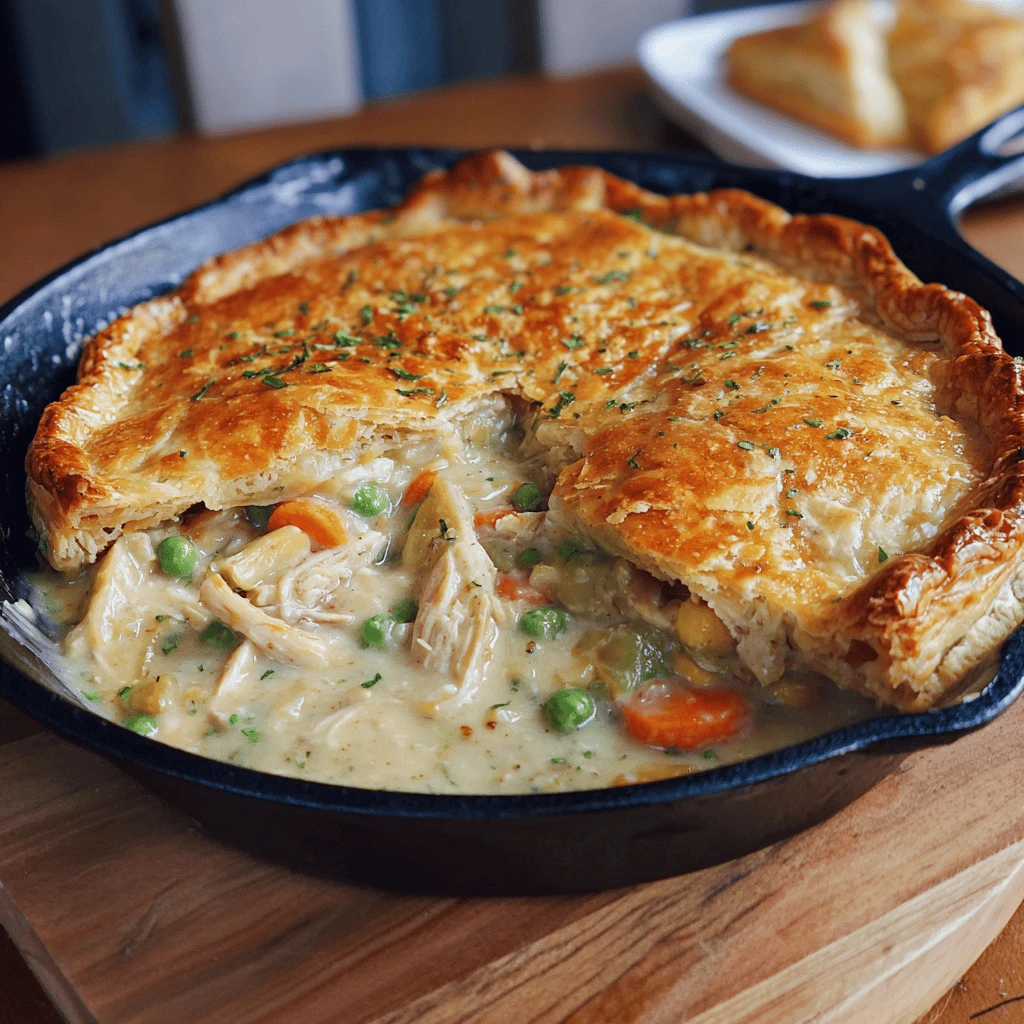
- Crust Variations: Try using puff pastry for an extra-flaky crust or add herbs and spices to your homemade dough.
- Vegetable Medley: Incorporate different vegetables like sweet potatoes, corn, or mushrooms.
- Protein Power: Add other proteins like sausage, ham, or turkey.
- Spice It Up: Add a pinch of cayenne pepper or a dash of hot sauce for a spicy kick.
- Individual Pot Pies: Bake the filling in ramekins for individual servings. This is a great option for portion control and entertaining.
- Biscuit Topping: Instead of a traditional crust, top the filling with homemade or store-bought biscuits for a rustic twist.
- Vegan Pot Pie: Substitute the chicken with plant-based alternatives like tofu or seitan. Use vegetable broth and plant-based milk or cream for the filling. Create a vegan crust using plant-based butter or shortening.
Frequently Asked Questions (FAQ)
Why is my chicken pot pie filling watery?
A watery filling usually indicates that the sauce hasn’t thickened enough or that excess moisture has been released from the vegetables. Make sure to cook the roux properly and use enough thickening agent. You can also try draining any excess liquid from the cooked vegetables before adding them to the filling.
How do I prevent my pot pie crust from getting soggy?
Blind baking the bottom crust is the best way to prevent sogginess. You can also brush the bottom crust with a beaten egg white before adding the filling to create a moisture barrier. Avoid overfilling the pie.
Can I freeze chicken pot pie?
Yes, you can freeze unbaked or baked chicken pot pie. For unbaked pot pie, assemble the pie and freeze it before baking. When ready to bake, thaw it overnight in the refrigerator and bake as directed. For baked pot pie, let it cool completely before wrapping it tightly in plastic wrap and foil. Thaw in the refrigerator and reheat in the oven at 350°F (175°C) until heated through.
What’s the best way to reheat chicken pot pie?
Reheat leftover chicken pot pie in the oven at 350°F (175°C) until heated through. Cover the pie with aluminum covering to prevent the crust from browning too much. You can also reheat individual slices in the microwave, but the crust may not be as crisp.
What kind of chicken is best for pot pie?
Cooked chicken, whether it’s leftover roast chicken, poached chicken breasts, or rotisserie chicken, works beautifully. Dice or shred the chicken into bite-sized pieces. Rotisserie chicken is a convenient and flavorful option.