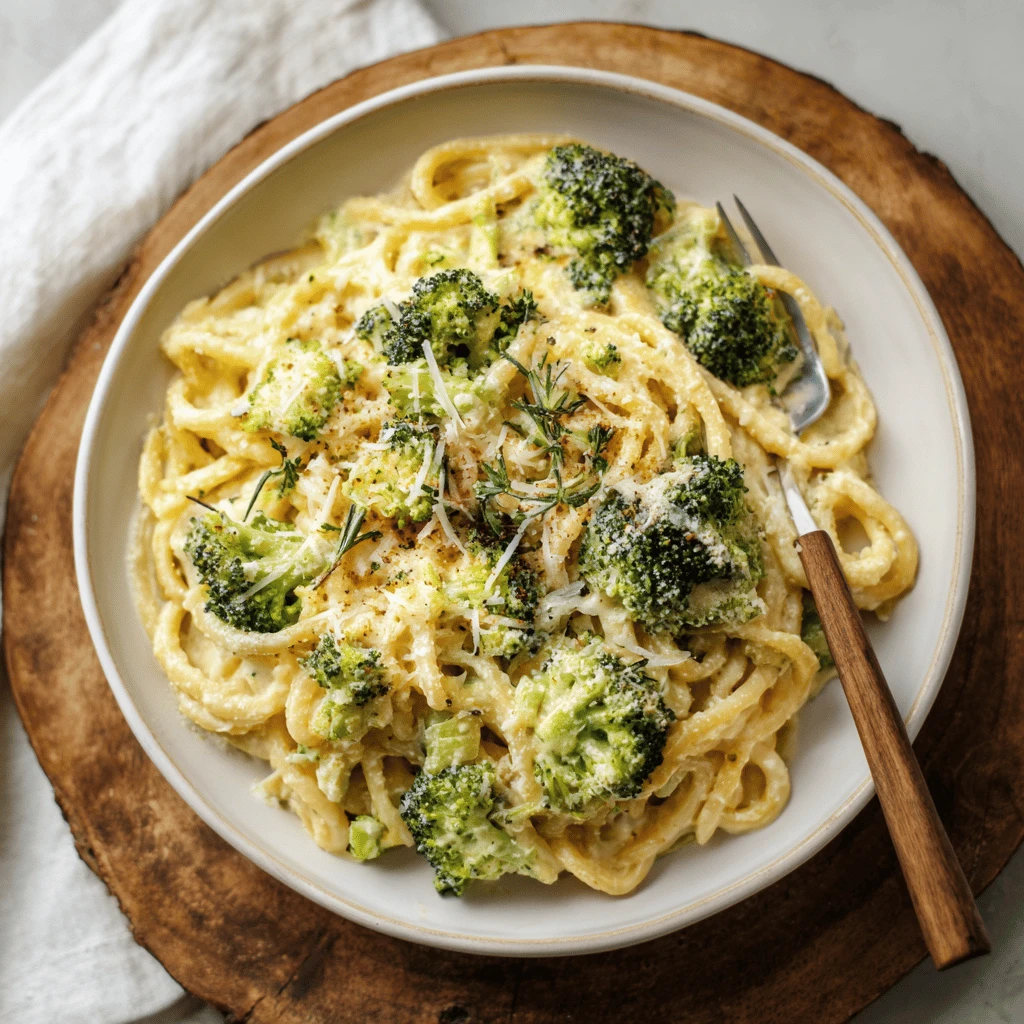
Creamy Broccoli and Cheese Pasta: A Comfort Food Classic Creamy Broccoli and Cheese Pasta is the ultimate comfort food, a dish that marries the wholesome goodness of broccoli with the cheesy indulgence we all crave. It’s quick enough for a weeknight meal yet satisfying enough to be a family favorite. This guide will walk you…
Creamy Broccoli and Cheese Pasta: A Comfort Food Classic
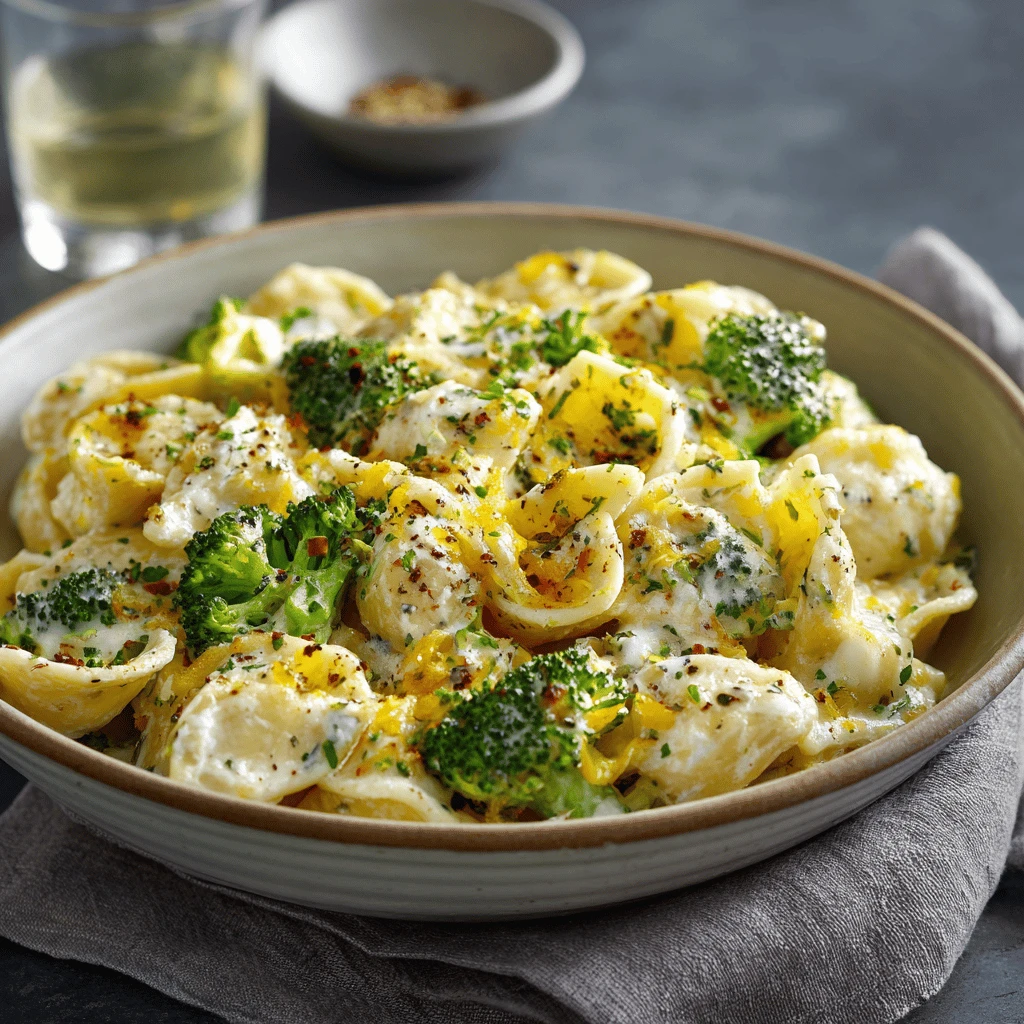
Creamy Broccoli and Cheese Pasta is the ultimate comfort food, a dish that marries the wholesome goodness of broccoli with the cheesy indulgence we all crave. It’s quick enough for a weeknight meal yet satisfying enough to be a family favorite. This guide will walk you through creating the perfect creamy, cheesy, and broccoli-filled pasta dish.
The Foundation: Choosing Your Pasta and Broccoli
The success of your Creamy Broccoli and Cheese Pasta starts with the right foundation: the pasta and the broccoli.
Selecting the Perfect Pasta Shape:
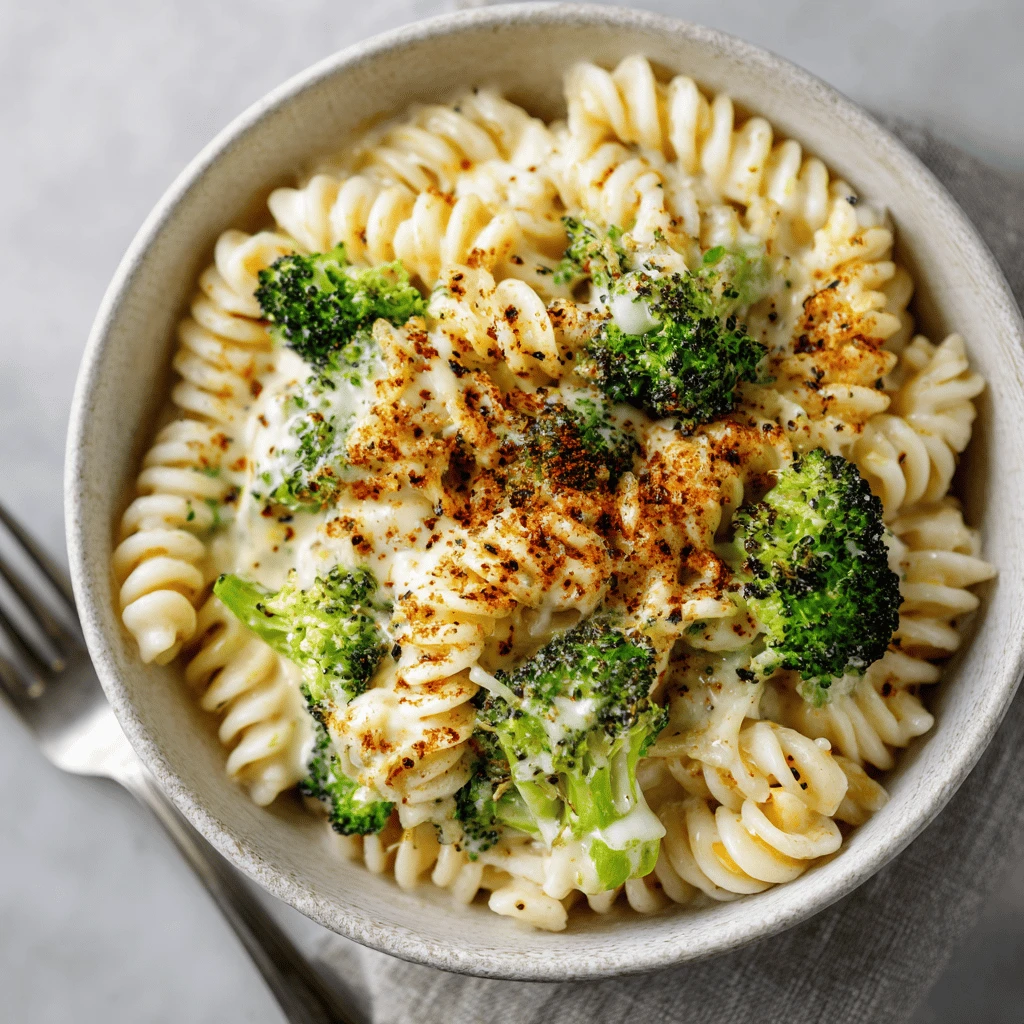
The best pasta shapes for this dish are those that can cradle the creamy sauce and hold onto the broccoli florets. Some excellent choices include:
- Penne: Its tubular shape and ridges make it ideal for capturing the sauce.
- Rotini: The spirals in rotini do a fantastic job of grabbing onto the sauce and small broccoli pieces.
- Shells (Medium or Large): These cup-like shapes are perfect for holding pockets of cheesy sauce and broccoli.
- Farfalle (Bowtie): A visually appealing option that also provides ample surface area for the sauce to cling to.
- Fusilli (Spirals): Similar to rotini, but often with a tighter spiral, creating more nooks and crannies.
Avoid long, thin pastas like spaghetti or angel hair, as they don’t hold the sauce and broccoli as effectively.
Preparing Your Broccoli:
Fresh broccoli is always preferable, but frozen broccoli florets can be a convenient substitute. If using fresh broccoli:
1. Wash: Thoroughly rinse the broccoli under cold water.
2. Cut: Cut the broccoli into bite-sized florets. You can also peel and chop the stalk into small pieces for added texture and flavor.
3. Cooking Options: You can steam, boil, or roast your broccoli. Steaming or boiling is the most common method for this dish, as it keeps the broccoli tender-crisp. Roasting will add a nutty flavor, but will change the overall profile.
- Steaming: Steam the broccoli florets for 5-7 minutes, or until they are tender-crisp.
- Boiling: Boil the broccoli florets for 3-5 minutes, or until they are tender-crisp. Be careful not to overcook, as they will become mushy.
- Roasting: Toss the broccoli in olive oil, salt, and pepper, and roast at 400°F (200°C) for 15-20 minutes, or until tender and slightly browned.
If using frozen broccoli, simply steam or boil it according to the package directions. Remember to drain it very well.
Crafting the Creamy Cheese Sauce
The cheese sauce is the heart and soul of this dish. It should be rich, smooth, and perfectly cheesy.
The Base: Roux vs. Cream-Based Sauces
You have two primary options for creating the base of your cheese sauce: a roux-based sauce or a cream-based sauce.
- Roux-Based Sauce: This classic method involves creating a roux by cooking butter and flour together, then whisking in milk or cream to create a thickened sauce. It provides stability and a traditional cheesy flavor. This method is very forgiving.
- Cream-Based Sauce: This simpler method involves using heavy cream or half-and-half as the base, often with the addition of cream cheese for extra richness and thickness. This method is faster but can be less stable if overheated.
Choosing Your Cheeses:
The type of cheese you use will greatly impact the flavor of your sauce. Experiment with different combinations to find your favorite blend. Some excellent choices include:
- Cheddar: A classic choice that provides a sharp, cheesy flavor. Use a combination of mild and sharp cheddar for a balanced taste.
- Monterey Jack: A mild, creamy cheese that melts beautifully and adds a subtle sweetness.
- Mozzarella: While often used in Italian dishes, mozzarella adds a lovely stretchiness and mild flavor to the sauce. Low-moisture, part-skim mozzarella works best.
- Gruyere: A nutty, complex cheese that adds depth and sophistication to the sauce.
- Parmesan: A hard, salty cheese that provides a savory umami boost. Use freshly grated Parmesan for the best flavor.
Enhancing the Flavor:
Don’t be afraid to add extra flavor to your cheese sauce. Consider these additions:
- Garlic: Minced garlic adds a savory depth to the sauce. Sauté it in butter before adding the flour (if making a roux) or cream.
- Onion Powder: A pinch of onion powder enhances the savory flavor.
- Mustard (Dijon or Dry): A touch of mustard adds a tangy kick that complements the cheese.
- Nutmeg: A pinch of nutmeg adds a warm, subtle spice that elevates the flavor.
- White Pepper: Use white pepper instead of black pepper to avoid visible specks in the sauce.
- Hot Sauce: For a little heat, add a dash of your favorite hot sauce.
- Seasoned Salt: Be careful not to over-salt the sauce, but a touch of seasoned salt can add some complexity.
Making the Sauce:
- Roux-Based: Melt butter in a saucepan over medium heat. Whisk in flour and cook for 1-2 minutes, until a smooth paste forms. Gradually whisk in milk or cream, stirring constantly to prevent lumps. Bring to a simmer and cook until thickened. Reduce heat to low and stir in the cheeses until melted and smooth.
- Cream-Based: Heat heavy cream or half-and-half in a saucepan over medium heat. Stir in cream cheese and cook until melted and smooth. Reduce heat to low and stir in the remaining cheeses until melted and smooth.
Bringing It All Together: Combining Pasta, Broccoli, and Sauce
Once you have your cooked pasta, broccoli, and cheese sauce ready, it’s time to combine them.
The Mixing Process:
1. Drain the Pasta: Drain the cooked pasta well, reserving about 1/2 cup of the pasta water. The pasta water helps to thin the sauce if it becomes too thick and adds extra starch for a creamier texture.
2. Combine: In a large bowl or the same pot you cooked the pasta in, combine the cooked pasta, broccoli, and cheese sauce.
3. Toss: Gently toss everything together until the pasta and broccoli are evenly coated in the sauce.
4. Adjust Consistency: If the sauce is too thick, add a little of the reserved pasta water until it reaches your desired consistency.
5. Season: Taste and season with salt and pepper to taste.
Optional Add-Ins:
- Cooked Chicken or Sausage: Add protein for a heartier meal. Diced cooked chicken or sliced sausage are excellent additions.
- Breadcrumbs: Top with toasted breadcrumbs for added texture. Toss breadcrumbs with melted butter and Parmesan cheese before toasting in the oven or a skillet.
- Red Pepper Flakes: Add a sprinkle of red pepper flakes for a touch of heat.
- Fresh Herbs: Garnish with fresh parsley, chives, or thyme for added flavor and visual appeal.
- Bacon: Cooked and crumbled bacon adds a smoky flavor and a satisfying crunch.
Baking for Extra Flavor (Optional)
While Creamy Broccoli and Cheese Pasta is delicious as is, baking it can elevate the dish to another level.
Why Bake?
Baking the pasta allows the flavors to meld together even further, creates a golden-brown crust on top, and adds a warm, comforting element.
How to Bake:
1. Preheat Oven: Preheat your oven to 375°F (190°C).
2. Prepare Baking Dish: Grease a baking dish with butter or cooking spray.
3. Assemble: Pour the combined pasta, broccoli, and cheese sauce into the prepared baking dish.
4. Top (Optional): Top with additional cheese, breadcrumbs, or both.
5. Bake: Bake for 20-25 minutes, or until the top is golden brown and bubbly.
6. Rest: Let the pasta rest for a few minutes before serving.
Serving and Storing Creamy Broccoli and Cheese Pasta
Serving Suggestions:
Creamy Broccoli and Cheese Pasta can be served as a main course or a side dish. It pairs well with:
- Salad: A simple green salad or Caesar salad provides a refreshing contrast to the richness of the pasta.
- Garlic Bread: Warm garlic bread is perfect for soaking up the creamy sauce.
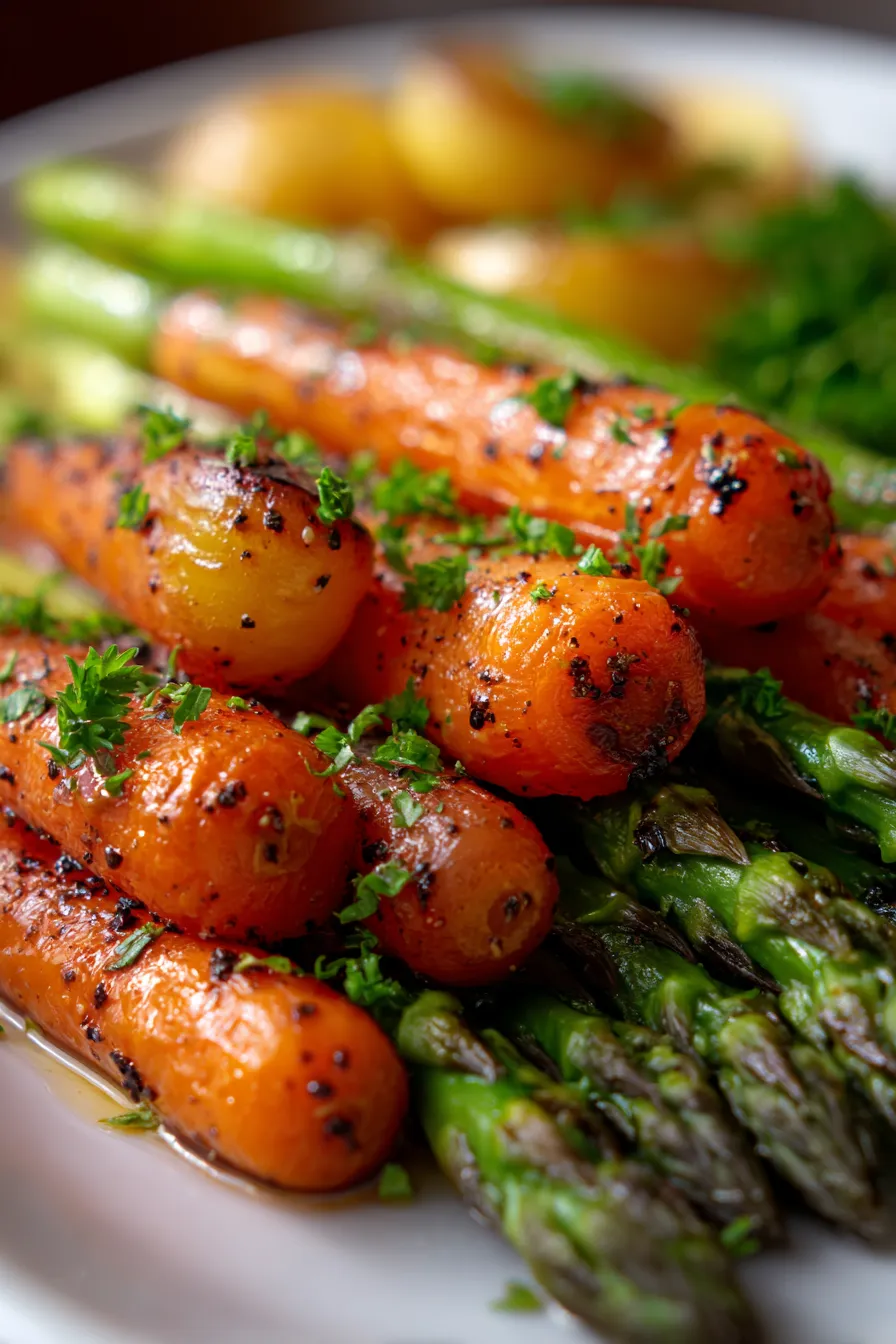
- Roasted Vegetables: Roasted vegetables like carrots, Brussels sprouts, or asparagus add extra nutrients and flavor.
- Protein: Grilled chicken, steak, or fish can be served alongside the pasta for a complete meal.
Storing Leftovers:
- Refrigerate: Store leftover Creamy Broccoli and Cheese Pasta in an airtight container in the refrigerator for up to 3-4 days.
- Reheat: Reheat in the microwave or oven until heated through. You may need to add a little milk or cream to the pasta to rehydrate the sauce.
Freezing:
Freezing is not ideal for dishes with creamy sauces, as the sauce can separate and become grainy upon thawing. However, if you must freeze it:
1. Cool Completely: Allow the pasta to cool completely before freezing.
2. Portion: Divide the pasta into individual portions.
3. Freeze: Wrap each portion tightly in plastic wrap, then place in a freezer-safe bag or container.
4. Thaw: Thaw in the refrigerator overnight.
5. Reheat: Reheat in the microwave or oven, adding a little milk or cream to rehydrate the sauce. Be aware that the texture may not be as creamy as when freshly made.
Frequently Asked Questions (FAQ)
Can I use frozen broccoli?
Yes, you can use frozen broccoli florets as a convenient substitute for fresh broccoli. Steam or boil according to package directions.
What kind of cheese is best for broccoli cheese pasta?
Cheddar, Monterey Jack, Mozzarella, Gruyere, and Parmesan are all excellent choices. A combination of cheeses will provide the best flavor.
How do I prevent the cheese sauce from being grainy?
Use a low heat and stir the cheese in gradually. Avoid boiling the sauce after adding the cheese. Using pre-shredded cheese can also contribute to a grainy sauce, so shred your own if possible.
Can I make this dish gluten-free?
Yes, use gluten-free pasta and a gluten-free flour blend to make the roux, or use a cream-based sauce.
Can I add other vegetables?
Yes, other vegetables like cauliflower, carrots, or peas can be added to the dish.
Can I make it ahead of time?
You can prepare the components of the dish (pasta, broccoli, and sauce) ahead of time and combine them when ready to serve. However, the dish is best served fresh. If baking, assemble just before baking.
How can I make it healthier?
Use whole wheat pasta, low-fat cheese, and add extra vegetables. You can also use Greek yogurt instead of some of the cream for a lower-fat sauce.
What if my sauce is too thick?
Add a little reserved pasta water or milk to thin the sauce to your desired consistency.
Can I make this dish vegetarian?
Yes, this dish is naturally vegetarian.
How long does broccoli cheese pasta last in the fridge?
3-4 days