Crockpot Pulled Pork: The Ultimate Guide to Tender, Flavorful Perfection Pulled pork is a crowd-pleasing favorite, perfect for barbecues, parties, or a simple family dinner. And what better way to achieve that melt-in-your-mouth tenderness than with a slow cooker? This guide will walk you through everything you need to know to create the perfect crockpot…
Crockpot Pulled Pork: The Ultimate Guide to Tender, Flavorful Perfection
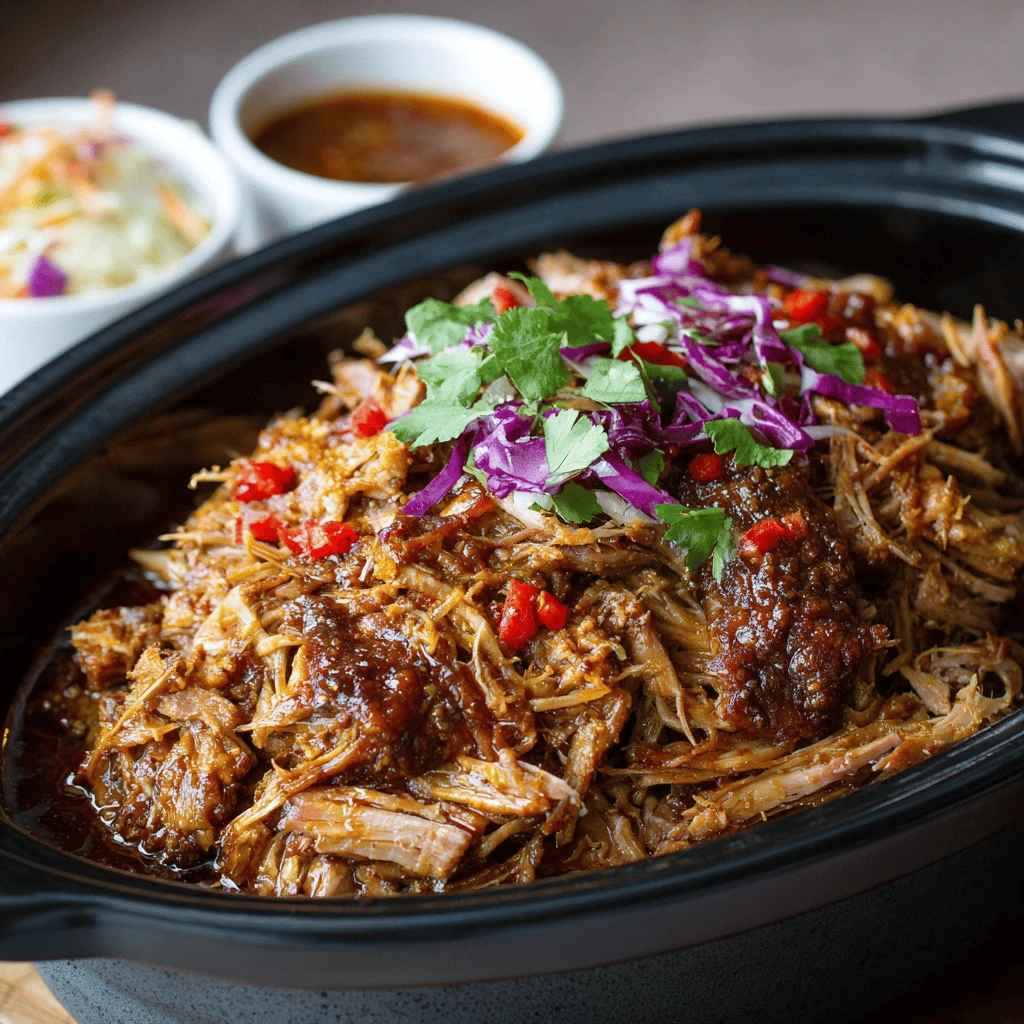
Pulled pork is a crowd-pleasing favorite, perfect for barbecues, parties, or a simple family dinner. And what better way to achieve that melt-in-your-mouth tenderness than with a slow cooker? This guide will walk you through everything you need to know to create the perfect crockpot pulled pork, from selecting the right cut of meat to serving suggestions.
Choosing the Right Pork and Preparing It for the Crockpot
The key to amazing pulled pork starts with the right cut of meat. Pork shoulder, also known as Boston butt (even though it’s from the shoulder), is your best bet. It has a good amount of fat and connective tissue that breaks down during the slow cooking process, resulting in incredibly tender and flavorful pulled pork.
Understanding Pork Shoulder: Boston Butt vs. Picnic Shoulder
While both Boston butt and picnic shoulder come from the pork shoulder, they have some key differences. Boston butt is generally preferred because it’s more marbled with fat and more tender. Picnic shoulder, on the other hand, is usually tougher and has more skin. If you’re using picnic shoulder, you might want to trim away some of the excess skin before cooking.
Preparing the Pork: Trimming and Seasoning
Before placing the pork shoulder in the crockpot, some minimal preparation is required. Trim off any excess fat, leaving about a ¼-inch layer. This helps the pork retain moisture without becoming overly greasy.
Now, it’s time to season your pork. You can use a simple rub of salt, pepper, garlic powder, onion powder, paprika, and brown sugar. For a spicier kick, add a pinch of cayenne pepper or chili powder. Generously rub the spice mixture all over the pork, ensuring every surface is coated. For best results, let the seasoned pork sit in the refrigerator for at least an hour, or even overnight. This allows the flavors to penetrate the meat more deeply.
The Secret to Slow Cooker Success: Liquid, Temperature, and Time
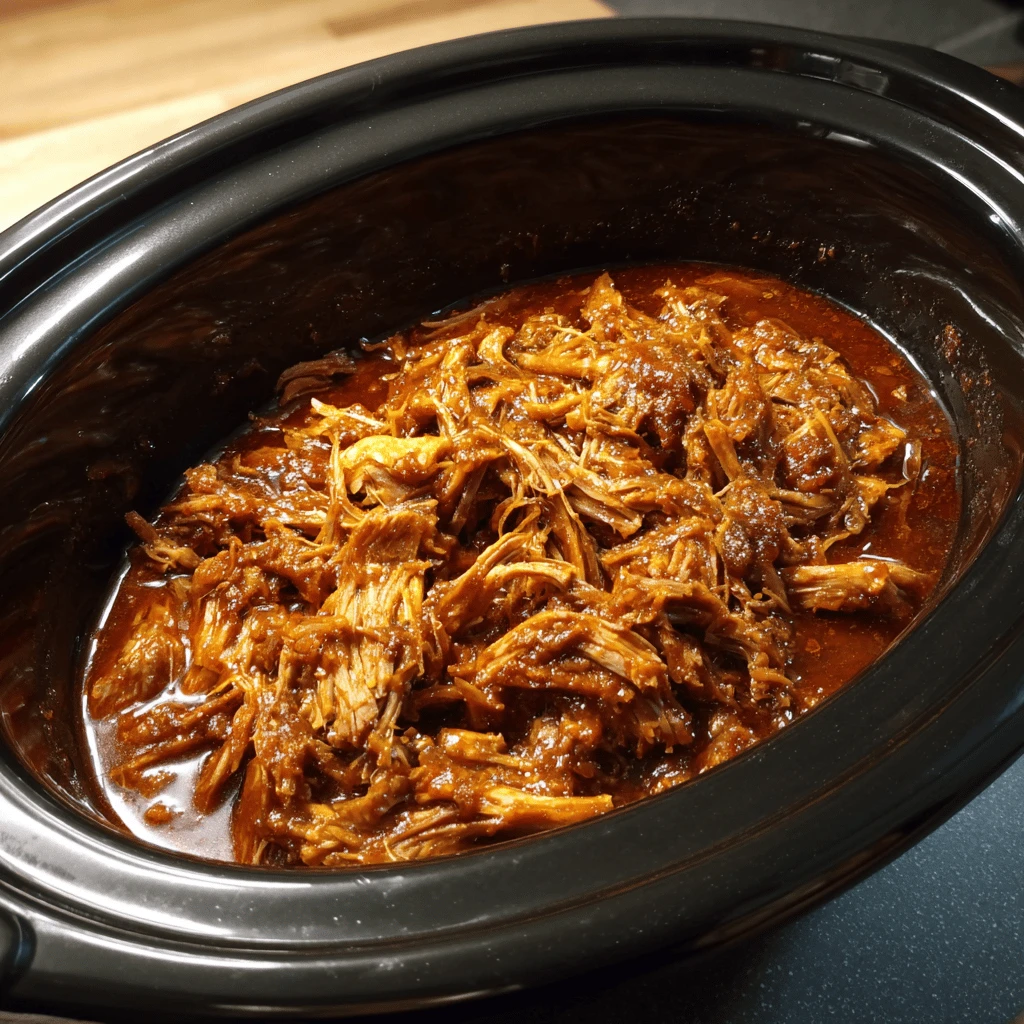
The slow cooker is your best friend when it comes to pulled pork. The low and slow cooking process allows the tough connective tissue to break down, resulting in incredibly tender meat that easily shreds with a fork.
Selecting Your Liquid: Flavor Infusion
While you don’t need a lot of liquid, a little bit goes a long way in adding flavor and preventing the pork from drying out. Some popular liquid choices include:
- Apple Cider Vinegar: Adds a tangy and slightly sweet flavor.
- Chicken Broth or Stock: Provides a savory base.
- Beer: Adds a rich and complex flavor. Dark beers like stouts or porters work particularly well.
- Cola: Offers a sweet and tangy flavor that caramelizes beautifully.
- BBQ Sauce: For even more pronounced BBQ flavor. Add it later in the cooking process to prevent burning.
Pour about 1 cup of your chosen liquid into the bottom of the crockpot. You don’t want the pork to be submerged, just sitting on top of the liquid.
Temperature and Time: Low and Slow Wins the Race
For the most tender pulled pork, cook it on low for 8-10 hours, or on high for 4-6 hours. Cooking on low is generally recommended for the best results, as it allows the meat to slowly break down and become incredibly tender.
The internal temperature of the pork should reach 195-205°F (90-96°C). Use a meat thermometer to check the temperature. Once it reaches this range, the pork will be easily shreddable.
Shredding and Sauce: The Final Touches
Once the pork is cooked, carefully remove it from the crockpot and place it on a cutting board. Let it rest for about 15-20 minutes before shredding. This allows the juices to redistribute, resulting in even more tender and flavorful pulled pork.
Shredding Techniques: Fork, Claws, or Mixer?
The easiest way to shred the pork is with two forks. Simply pull the meat apart, separating the strands. You can also use meat claws, which are designed specifically for shredding meat. Some people even use a stand mixer to shred their pork, but be careful not to over-shred it.
Saucing Strategies: To Toss or Not to Toss?
Once the pork is shredded, it’s time to add the sauce. You have a few options here. You can toss the shredded pork with your favorite BBQ sauce, or you can serve the sauce on the side, allowing people to customize their own pulled pork sandwiches.
If you’re adding the sauce to the pork, start with a small amount and add more to taste. You don’t want the pork to be swimming in sauce. You can also use the juices from the crockpot to add moisture and flavor to the pork. Strain the juices to remove any excess fat, and then add a little bit to the shredded pork.
Serving Suggestions: Beyond the Sandwich
Pulled pork is incredibly versatile and can be used in a variety of dishes beyond the classic sandwich.
Pulled Pork Sandwiches: The Classic Choice
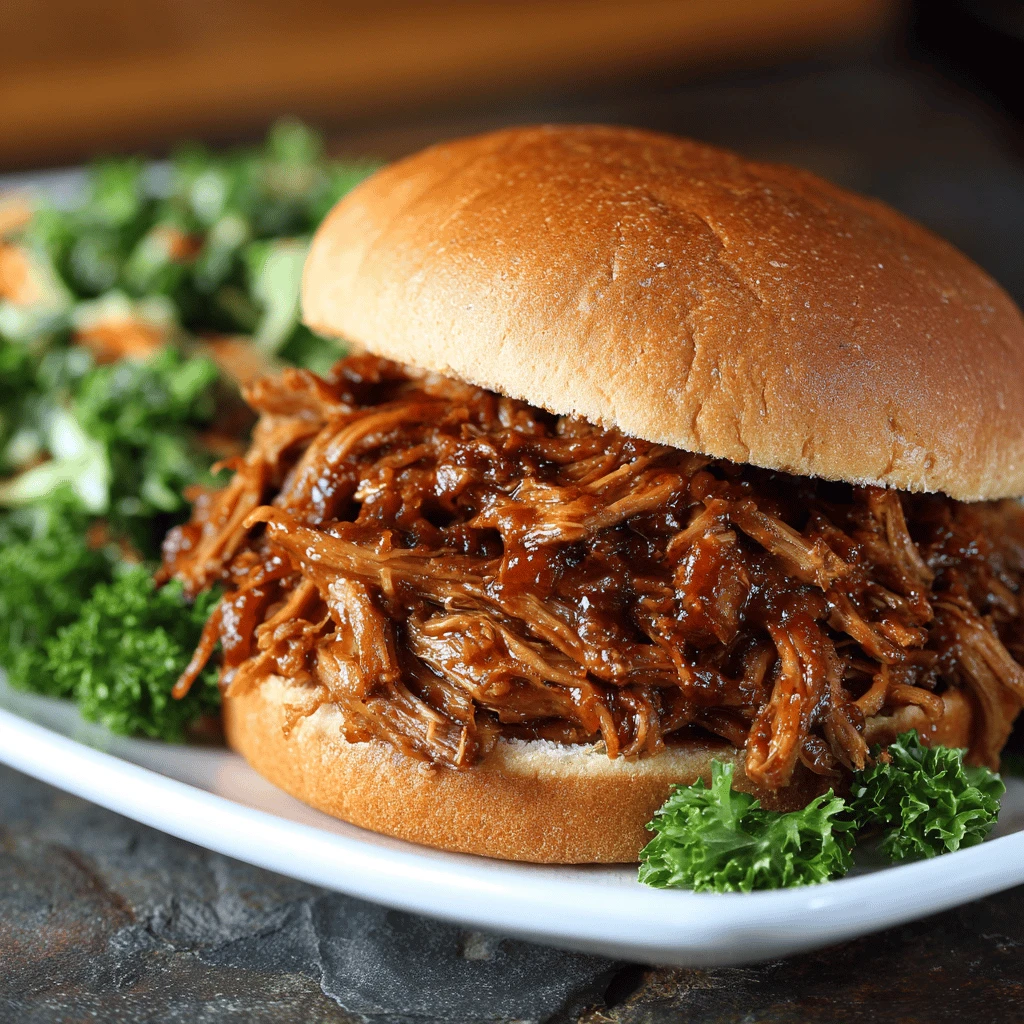
For a classic pulled pork sandwich, serve the shredded pork on a toasted bun with your favorite BBQ sauce and coleslaw. You can also add other toppings like pickles, onions, or cheese.
Creative Culinary Applications: Tacos, Bowls, and More
Beyond sandwiches, pulled pork can be used in a variety of creative dishes. Here are a few ideas:
- Pulled Pork Tacos: Serve the pork in tortillas with your favorite taco toppings like salsa, guacamole, and sour cream.
- Pulled Pork Bowls: Create a flavorful bowl with rice, beans, corn, and pulled pork. Top with your favorite sauce and toppings.
- Pulled Pork Nachos: Load up some tortilla chips with cheese, jalapenos, and pulled pork. Bake until the cheese is melted and bubbly.
- Pulled Pork Pizza: Top a pizza crust with BBQ sauce, cheese, and pulled pork.
- Pulled Pork Mac and Cheese: Add pulled pork to your favorite mac and cheese recipe for a hearty and flavorful meal.
Tips and Tricks for Perfect Pulled Pork
Here are some additional tips and tricks to help you achieve pulled pork perfection:
- Don’t overcrowd the crockpot. If your pork shoulder is too large to fit comfortably in the crockpot, cut it in half.
- Don’t lift the lid too often. Every time you lift the lid, you release heat, which can prolong the cooking time.
- Use a meat thermometer. This is the best way to ensure that the pork is cooked to the correct temperature.
- Let the pork rest before shredding. This allows the juices to redistribute, resulting in more tender and flavorful pork.
- Freeze leftovers. Pulled pork freezes well. Store it in an airtight container for up to 3 months.
- Experiment with different flavors. Try different rubs, sauces, and liquids to find your perfect pulled pork flavor combination.
- Sear the pork before slow cooking. This is optional, but searing the pork before placing it in the crockpot can add a deeper, richer flavor. Sear it in a hot pan with a little oil until browned on all sides.
- Add a little liquid smoke. If you want to add a smoky flavor to your pulled pork, add a teaspoon or two of liquid smoke to the crockpot.
- Make a pulled pork slider bar. Set out a variety of buns, sauces, and toppings and let your guests create their own pulled pork sliders.
- Don’t be afraid to experiment! The best way to find your perfect pulled pork recipe is to experiment with different flavors and techniques.
Frequently Asked Questions About Crockpot Pulled Pork
Q: Can I cook pulled pork from frozen in a slow cooker?
A: It is not recommended to cook frozen pork in a slow cooker due to food safety concerns. The pork may spend too much time in the “danger zone” (between 40°F and 140°F), increasing the risk of bacterial growth. Always thaw pork completely in the refrigerator before cooking.
Q: How long does it take to cook pulled pork in a crockpot?
A: Cooking time depends on the size of the pork shoulder and the heat setting. Generally, it takes 8-10 hours on low or 4-6 hours on high. The pork is done when it reaches an internal temperature of 195-205°F (90-96°C) and easily shreds with a fork.
Q: What temperature should pulled pork be cooked to?
A: Pulled pork should be cooked to an internal temperature of 195-205°F (90-96°C). This is the temperature at which the collagen and connective tissue break down, resulting in tender, easily shreddable pork.
Q: What is the best cut of pork for pulled pork?
A: Pork shoulder, also known as Boston butt, is the best cut of pork for pulled pork. It has a good amount of fat and connective tissue that breaks down during the slow cooking process, resulting in incredibly tender and flavorful pulled pork.
Q: How do you keep pulled pork from drying out in the crockpot?
A: Several factors help prevent pulled pork from drying out:
- Choose a cut with good fat marbling: Pork shoulder is ideal.
- Add a small amount of liquid: This creates steam and prevents the pork from drying out.
- Don’t overcook it: Use a meat thermometer to ensure the pork is cooked to the correct temperature.
- Let it rest before shredding: This allows the juices to redistribute.
Q: Can you overcook pulled pork in a crockpot?
A: While the slow cooker is forgiving, it is possible to overcook pulled pork. If the pork is cooked for too long, it can become dry and stringy. Use a meat thermometer and check the pork regularly to ensure it is cooked to the correct temperature.