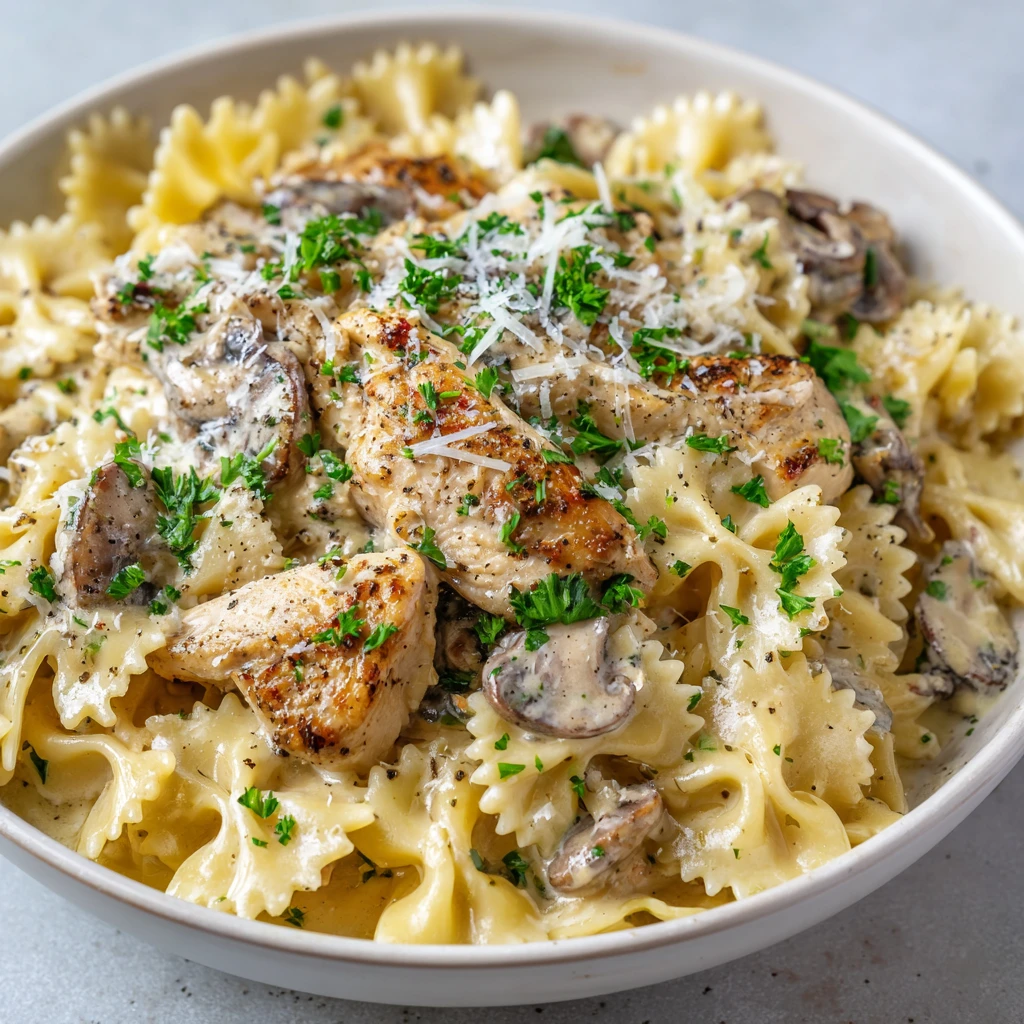
Easy Recipe Creamy torso Pasta Ingredients 1 pound pasta (rotini, penne, or farfalle work well) 1 tablespoon olive oil 1 pound cooked chicken, sliced or cubed 4 cloves garlic, minced 1/2 cup chopped onion 1/2 cup chicken broth 1 cup heavy cream 1/2 cup grated Parmesan cheese 1/4 cup chopped fresh parsley Salt and pepper…
Easy Recipe Creamy torso Pasta
Ingredients
- 1 pound pasta (rotini, penne, or farfalle work well)
- 1 tablespoon olive oil
- 1 pound cooked chicken, sliced or cubed
- 4 cloves garlic, minced
- 1/2 cup chopped onion
- 1/2 cup chicken broth
- 1 cup heavy cream
- 1/2 cup grated Parmesan cheese
- 1/4 cup chopped fresh parsley
- Salt and pepper to taste
- Optional: 1/4 cup sun-dried tomatoes (oil-packed, drained)
- Optional: 1/2 cup spinach or kale, chopped
Step-by-Step
1. Cook pasta according to package directions. Reserve about 1/2 cup of pasta water before draining.
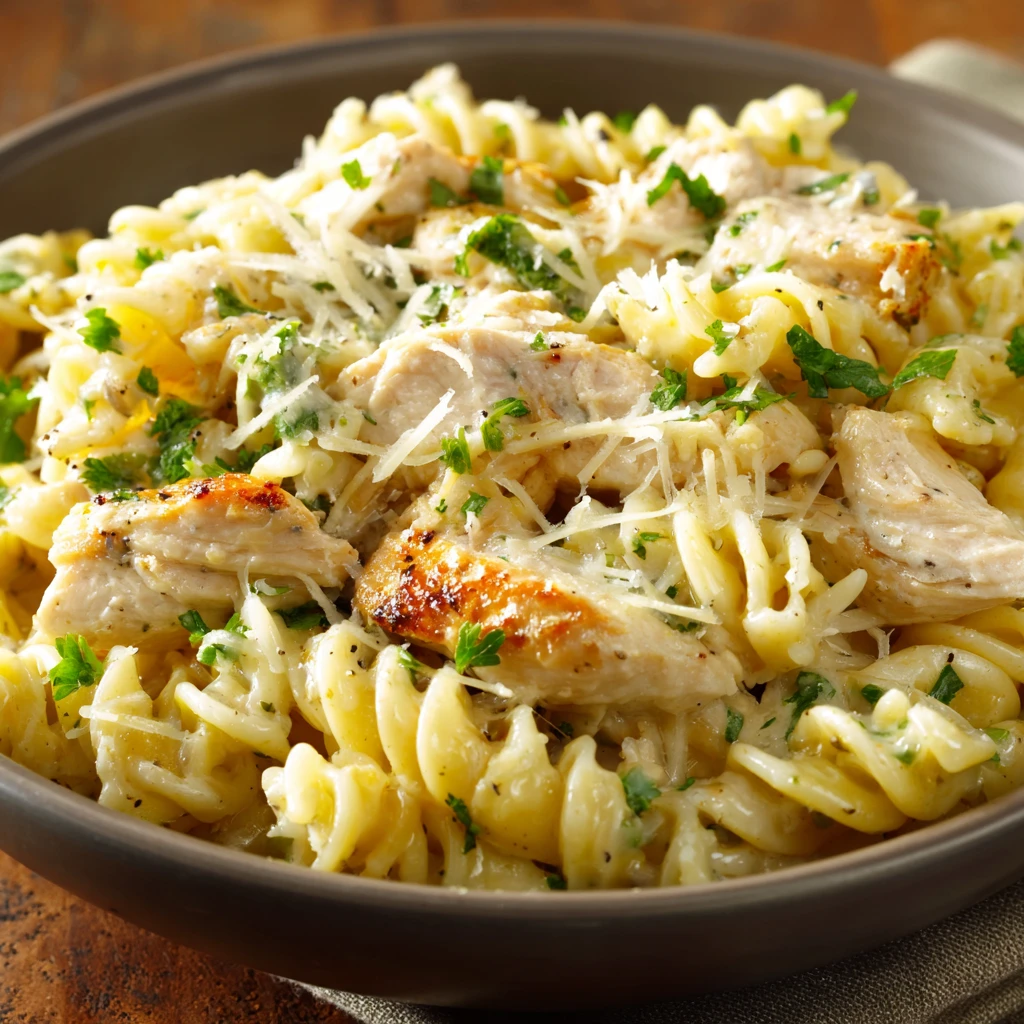
2. While the pasta is cooking, heat olive oil in a large skillet over medium heat.
3. Add onion and cook until softened, about 5 minutes.
4. Add minced garlic and cook for another minute until fragrant. Be careful not to burn it.
5. Pour in chicken broth and deglaze the pan, scraping up any browned bits from the bottom.
6. Stir in heavy cream and bring to a simmer.
7. Reduce heat to low and add Parmesan cheese. Stir until melted and smooth.
8. Season with salt and pepper to taste.
9. If using, stir in sun-dried tomatoes and spinach (or kale). Cook until the spinach wilts, about 2 minutes.
10. Add the cooked chicken to the sauce and heat through.
11. Add the drained pasta to the skillet and toss to coat. If the sauce is too thick, add a little of the reserved pasta water until it reaches your desired consistency.
12. Garnish with fresh parsley and serve immediately.
Mastering the Creamy Sauce
Creating the perfect creamy sauce for your torso pasta is key to a delightful dish. The sauce needs to be flavorful, have a great texture, and complement the other ingredients.
Choosing the Right Cream
Heavy cream is the foundation of this creamy sauce. It provides the richness and thickness needed for a luxurious feel.
Using milk or half-and-half will result in a thinner sauce that may not cling to the pasta as well. For the best results, stick with heavy cream.
Enhancing the Flavor
Garlic and onion are the aromatic base of this sauce. Sautéing them gently in olive oil releases their flavors, creating a savory foundation.
Chicken broth adds depth and umami to the sauce, while Parmesan cheese contributes a salty, nutty flavor. These elements work together to create a well-rounded taste.
Achieving the Perfect Consistency
The consistency of the sauce is just as important as its flavor. The goal is to achieve a sauce that coats the pasta without being too thick or too thin.
Adding a little reserved pasta water to the sauce helps to loosen it and create a smooth, emulsified texture. The starch in the pasta water also helps the sauce cling to the noodles.
Ingredient Variations and Substitutions
This creamy torso pasta recipe is versatile and can be adapted to suit your preferences and dietary needs. Feel free to experiment with different ingredients to create your own unique version.
Protein Options
While this recipe calls for cooked chicken, you can easily substitute other proteins. Grilled shrimp, sautéed mushrooms, or crumbled sausage are all excellent choices.
For a vegetarian option, try adding roasted vegetables such as broccoli, bell peppers, or zucchini. Tofu or tempeh can also be used for added protein.
Pasta Types
Rotini, penne, and farfalle are all great options for this recipe, but you can use any pasta shape you prefer. Bowtie pasta, rigatoni, or even fettuccine would work well.
For a gluten-free option, choose a gluten-free pasta made from rice, corn, or quinoa. Be sure to cook it according to the package directions to avoid overcooking.
Dairy-Free Adaptations
If you are dairy-free, you can still enjoy this creamy pasta dish. Substitute the heavy cream with coconut cream or cashew cream for a similar richness and texture.
Use a dairy-free Parmesan cheese alternative or nutritional yeast to add a cheesy flavor. You may need to adjust the seasoning to taste.
Tips for the Best Results
Follow these tips to ensure your creamy torso pasta turns out perfectly every time.
Cooking the Pasta
Cook the pasta al dente, which means it should be firm to the bite. Overcooked pasta will become mushy and won’t hold the sauce as well.
Be sure to salt the pasta water generously. This will season the pasta from the inside out and enhance its flavor.
Sautéing the Aromatics
Sauté the onion and garlic gently over medium heat. Avoid browning or burning them, as this can result in a bitter flavor.
Cook the onion until it is softened and translucent before adding the garlic. Garlic cooks quickly and can burn easily, so add it at the last minute.
Combining the Ingredients
Add the cooked pasta to the sauce immediately after draining. This will allow the pasta to absorb the sauce and prevent it from sticking together.
Toss the pasta and sauce gently to coat evenly. Be careful not to overmix, as this can cause the pasta to break.
Serving Suggestions and Pairings
Creamy torso pasta is a satisfying and flavorful dish that can be served as a main course or a side dish. Here are some serving suggestions and pairings to enhance your meal.
Salad Pairings
A fresh salad is a great way to balance the richness of the creamy pasta. A simple green salad with a vinaigrette dressing is a classic choice.
You can also try a Caesar salad, a Caprese salad, or a mixed green salad with grilled vegetables. The acidity of the dressing will help to cut through the richness of the sauce.
Bread Accompaniments
Crusty bread is perfect for soaking up the creamy sauce. Serve the pasta with a side of garlic bread, bruschetta, or focaccia.
You can also offer a basket of assorted breads, such as baguette slices, ciabatta rolls, and sourdough bread.
Wine Pairings
A crisp white wine is a great complement to creamy pasta dishes. Pinot Grigio, Sauvignon Blanc, or Chardonnay are all excellent choices.
If you prefer red wine, choose a light-bodied variety such as Pinot Noir or Beaujolais. Avoid heavy, tannic wines, as they can clash with the creamy sauce.
Make-Ahead and Storage Instructions
This creamy torso pasta can be made ahead of time and stored for later use. Here are some tips for making it in advance and storing leftovers.
Making Ahead
You can prepare the sauce ahead of time and store it in the refrigerator for up to 3 days. When ready to use, simply reheat the sauce and add the cooked pasta.
Alternatively, you can cook the pasta and chicken separately and store them in the refrigerator. When ready to serve, combine the pasta, chicken, and sauce and heat through.
Storing Leftovers
Store leftover creamy torso pasta in an airtight container in the refrigerator for up to 3 days. Reheat gently in the microwave or on the stovetop.
Add a splash of milk or cream to the pasta when reheating to prevent it from drying out. You can also add a little extra Parmesan cheese for added flavor.
FAQ
Can I use a different type of cheese?
Yes, you can substitute Parmesan cheese with other hard cheeses like Pecorino Romano or Asiago. For a milder flavor, try using Mozzarella or Fontina, but be aware that they may melt differently.
Can I add vegetables to this dish?
Absolutely! Spinach, broccoli, peas, bell peppers, and sun-dried tomatoes are all excellent additions to this pasta dish. Add them during the last few minutes of cooking so they retain some of their texture.
Can I make this recipe with gluten-free pasta?
Yes, you can easily substitute regular pasta with your favorite gluten-free variety. Just be sure to cook it according to the package directions, as cooking times may vary.
Can I freeze this pasta dish?
While you can freeze creamy pasta dishes, the texture of the sauce may change upon thawing. Dairy-based sauces sometimes separate or become grainy when frozen. If you do freeze it, thaw it slowly in the refrigerator and reheat gently, stirring frequently.
How can I prevent the pasta from sticking together?
Toss the cooked pasta with a little olive oil or butter immediately after draining. You can also add a splash of the reserved pasta water to help prevent sticking.