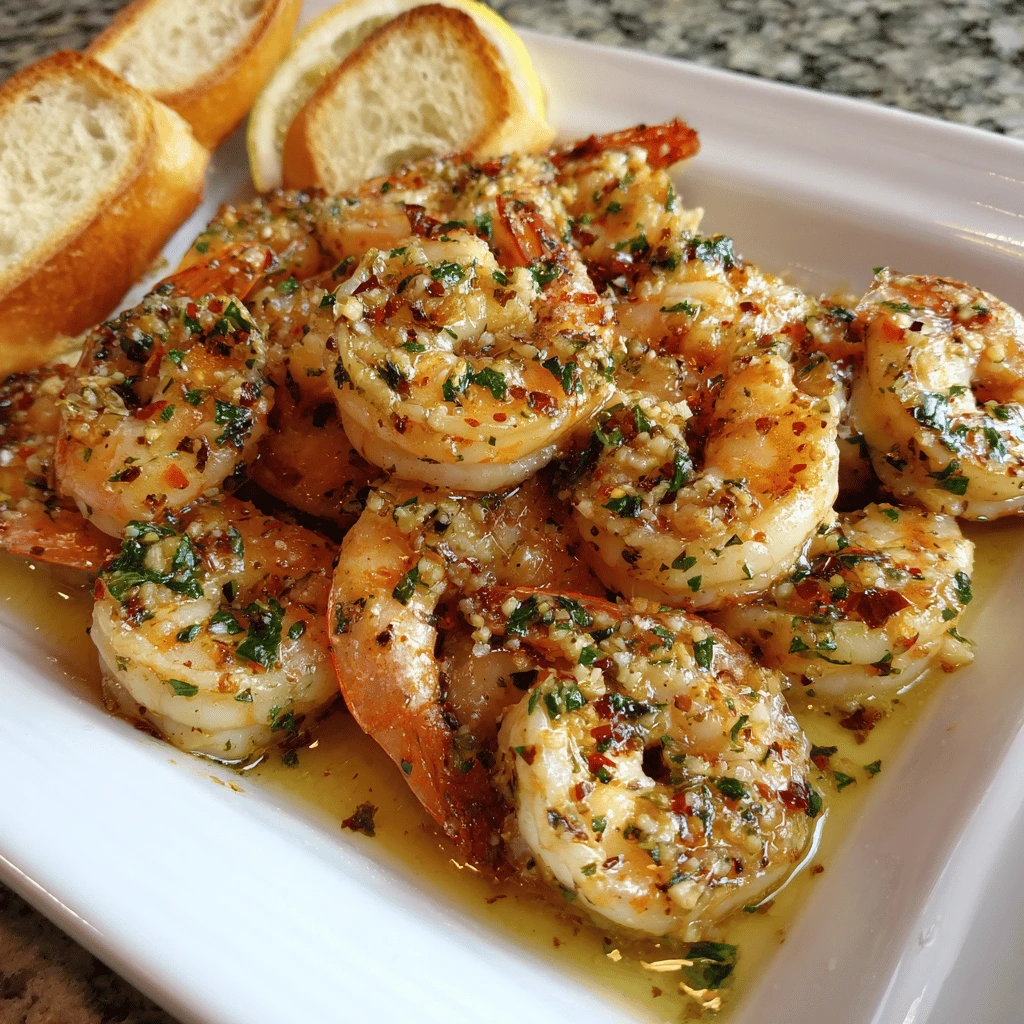
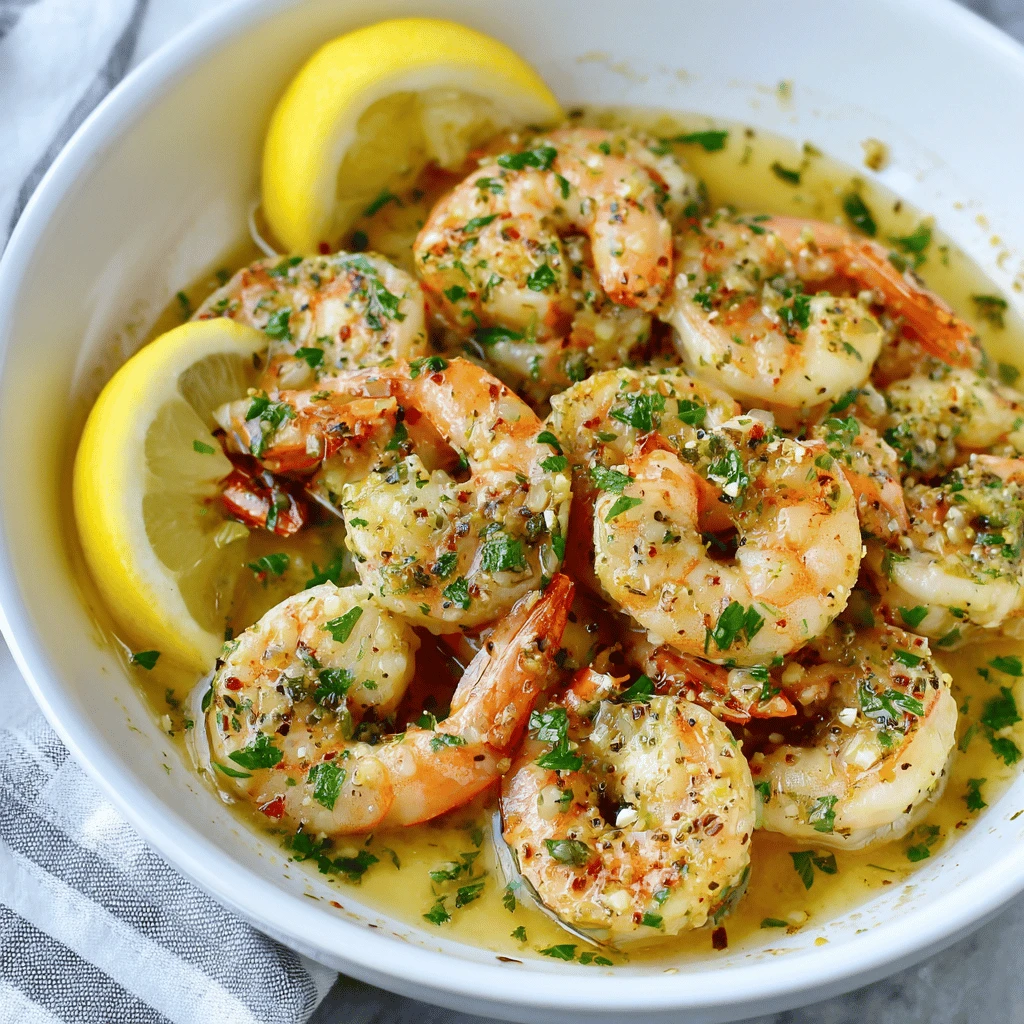
Easy Recipe Lemon Garlic Shrimp Lemon garlic shrimp is a classic dish, loved for its simplicity and vibrant flavor. This recipe delivers succulent shrimp bathed in a bright, tangy lemon garlic sauce, perfect for a quick weeknight dinner or an elegant appetizer. Ready in under 30 minutes, it’s a guaranteed crowd-pleaser. Why This Lemon Garlic…
Easy Recipe Lemon Garlic Shrimp
Lemon garlic shrimp is a classic dish, loved for its simplicity and vibrant flavor. This recipe delivers succulent shrimp bathed in a bright, tangy lemon garlic sauce, perfect for a quick weeknight dinner or an elegant appetizer. Ready in under 30 minutes, it’s a guaranteed crowd-pleaser.
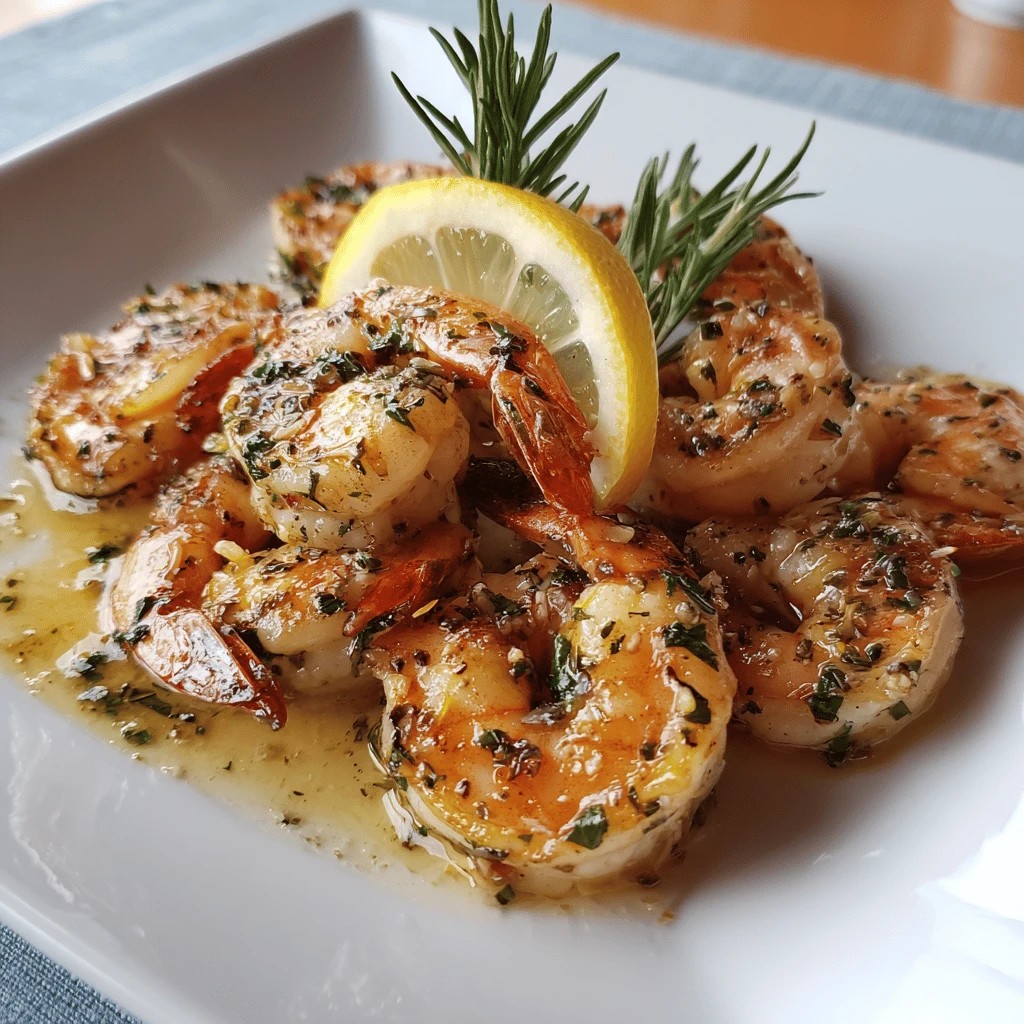
Why This Lemon Garlic Shrimp Recipe Works
This isn’t just another shrimp recipe. This method focuses on maximizing flavor with minimal effort. Key elements include:
- Fresh, High-Quality Shrimp: The star of the show. Opt for shrimp that are firm, translucent, and smell fresh.
- Garlic Power: Lots of garlic, sautéed gently to release its aromatic oils without burning.
- Lemon Brightness: Fresh lemon juice and zest add a zing that cuts through the richness of the garlic and butter.
- Butter-Based Sauce: Butter creates a luxurious texture and carries the flavors beautifully.
- Quick Cooking Time: Shrimp cooks quickly, preventing it from becoming rubbery. Overcooked shrimp is the enemy of deliciousness.
Ingredients for Perfect Lemon Garlic Shrimp
Here’s what you’ll need to create this culinary masterpiece:
- Shrimp: 1 pound, peeled and deveined (tails on or off, your preference)
- Garlic: 6-8 cloves, minced
- Lemon: 1 large, juiced and zested
- Butter: 4 tablespoons, unsalted
- Olive Oil: 2 tablespoons
- White Wine (Optional): 1/4 cup (dry, like Sauvignon Blanc or Pinot Grigio)
- Red Pepper Flakes: 1/4 teaspoon (or more, to taste)
- Fresh Parsley: 2 tablespoons, chopped
- Salt and Black Pepper: To taste
- Optional Garnishes: Lemon wedges, extra parsley
Ingredient Spotlight: Choosing the Right Shrimp
When selecting shrimp, consider these factors:
- Size: The size is designated by a number indicating how many shrimp make up a pound. Common sizes include 16/20 (large), 21/25 (medium-large), and 31/40 (medium). Choose a size that suits your preference, but ensure consistent size for even cooking.
- Fresh vs. Frozen: Frozen shrimp are often just as good as fresh, as they are typically frozen soon after being caught. If using frozen shrimp, thaw them completely in the refrigerator overnight or under cold running water.
- Peeled and Deveined: This saves you time and effort. You can buy shrimp already peeled and deveined, or do it yourself.
- Tail On or Off: This is purely a matter of preference. Tails add visual appeal when serving, but can be removed for easier eating.
Step-by-Step Instructions
Follow these steps for guaranteed success:
1. Prepare the Shrimp: Pat the shrimp dry with paper towels. This helps them brown nicely. Season generously with salt and pepper.
2. Sauté the Garlic: In a large skillet, melt the butter with the olive oil over medium heat. Add the minced garlic and red pepper flakes. Sauté for 1-2 minutes, until fragrant, being careful not to burn the garlic. Burnt garlic will ruin the dish.
3. Cook the Shrimp: Add the shrimp to the skillet in a single layer (work in batches if necessary to avoid overcrowding). Cook for 2-3 minutes per side, until pink and opaque.
4. Add the Lemon and Wine (Optional): Pour in the lemon juice and white wine (if using). Let the sauce simmer for 1-2 minutes, allowing it to reduce slightly. Stir in the lemon zest.
5. Finish and Serve: Remove the skillet from the heat. Stir in the chopped parsley. Taste and adjust seasoning as needed. Serve immediately over pasta, rice, or with crusty bread for dipping.
Tips for Perfectly Cooked Shrimp
- Don’t Overcrowd the Pan: Overcrowding lowers the temperature of the pan, resulting in steamed, rather than sautéed, shrimp.
- Don’t Overcook the Shrimp: Shrimp cooks quickly. Overcooked shrimp becomes tough and rubbery. Aim for a slightly undercooked appearance, as they will continue to cook from the residual heat.
- Adjust the Heat: Monitor the heat carefully to prevent the garlic from burning and the butter from browning too quickly.
- Use a Good Quality Skillet: A heavy-bottomed skillet will distribute heat evenly, ensuring consistent cooking.
Variations and Serving Suggestions
This recipe is incredibly versatile. Here are some ideas to customize it to your liking:
- Spice it Up: Add more red pepper flakes or a pinch of cayenne pepper for extra heat.
- Add Vegetables: Sauté some chopped vegetables like bell peppers, zucchini, or asparagus along with the garlic.
- Make it Creamy: Stir in a splash of cream or coconut milk at the end for a richer sauce.
- Serve Over Pasta: Toss the shrimp and sauce with your favorite pasta (linguine, spaghetti, or fettuccine are all great choices). Add some grated Parmesan cheese for extra flavor.
- Serve with Rice: Serve over fluffy rice (white, brown, or jasmine).
- Serve with Crusty Bread: The sauce is perfect for dipping with crusty bread.
- Make it Keto-Friendly: Serve the shrimp over zucchini noodles or cauliflower rice.
- Add Herbs: Experiment with different herbs like basil, oregano, or thyme.
Wine Pairing Suggestions
The bright, citrusy flavors of lemon garlic shrimp pair well with crisp, dry white wines. Here are some recommendations:
- Sauvignon Blanc: Its grassy notes and acidity complement the lemon and garlic.
- Pinot Grigio: Light and refreshing, it won’t overpower the delicate shrimp flavor.
- Vermentino: A Mediterranean white with citrus and herbal notes.
- Dry Rosé: A versatile option that works well with seafood.
Frequently Asked Questions (FAQ)
- Can I use frozen shrimp? Yes, absolutely. Just make sure to thaw them completely before cooking. Pat them dry before adding them to the skillet.
- Can I make this recipe ahead of time? While best served immediately, you can prepare the sauce ahead of time and store it in the refrigerator for up to 2 days. Add the shrimp just before serving.
- How do I know when the shrimp is cooked? Shrimp is cooked when it turns pink and opaque. Avoid overcooking, as this will make it tough.
- Can I use dried garlic instead of fresh? Fresh garlic is highly recommended for the best flavor. If you must use dried, use about 1 teaspoon of garlic powder.
- Can I add other vegetables? Yes! Bell peppers, onions, spinach, zucchini, and asparagus are all great additions. Add them to the pan with the garlic and sauté until tender.
- What if I don’t have white wine? You can substitute chicken broth or vegetable broth.
- How long does it take to thaw shrimp? You can thaw shrimp in the refrigerator overnight, or under cold running water for about 15-20 minutes. Do not thaw shrimp at room temperature.
- Can I grill the shrimp instead of pan-frying? Yes, you can grill the shrimp. Thread them onto skewers and grill for about 2-3 minutes per side, or until pink and opaque. Brush with the lemon garlic sauce while grilling.
- What is the best type of shrimp to use? Any size shrimp will work, but larger shrimp (16/20 or 21/25) are often preferred for this recipe.
- How do I store leftover lemon garlic shrimp? Store leftover shrimp in an airtight container in the refrigerator for up to 2 days. Reheat gently in a skillet over medium heat. Be careful not to overcook the shrimp when reheating.