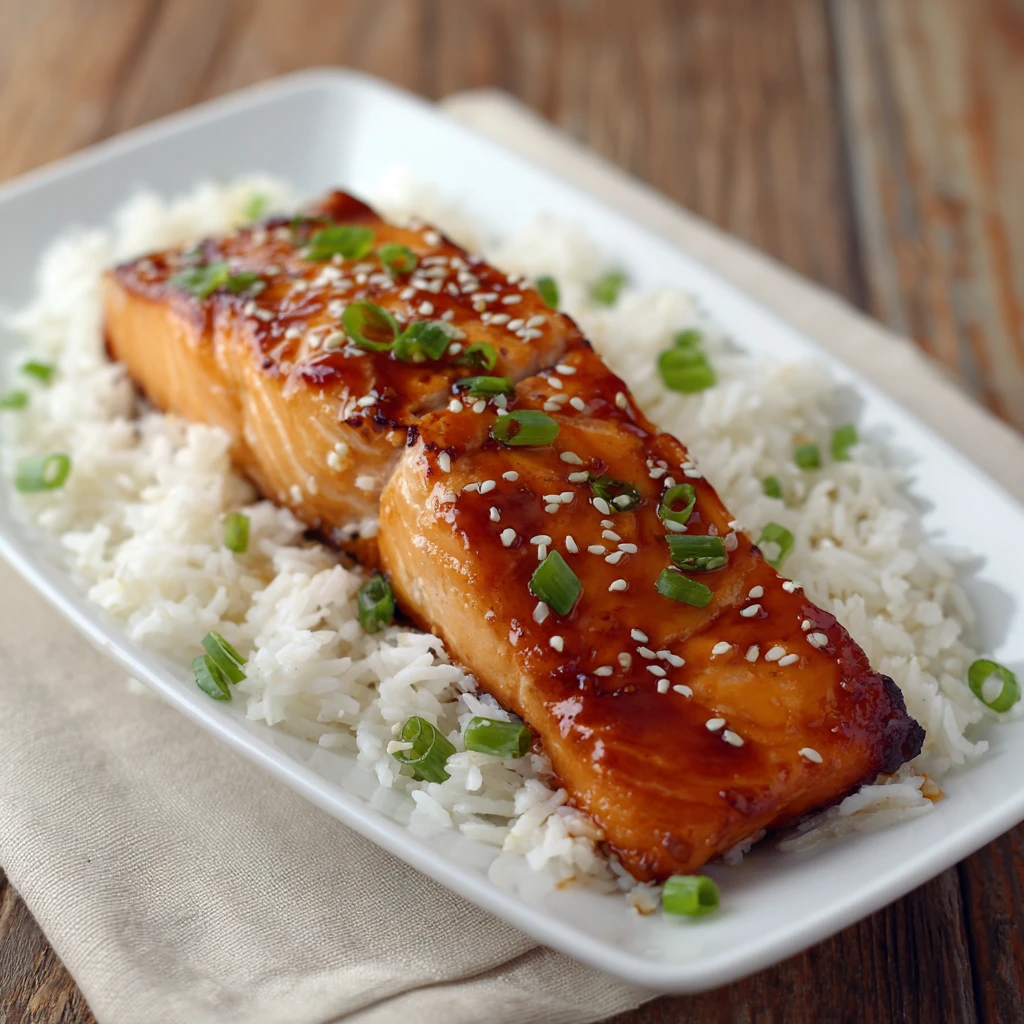
Easy Recipe Teriyaki Salmon Ingredients 4 (6-ounce) salmon fillets, skin on or off 1/4 cup soy sauce (low sodium recommended) 2 tablespoons honey 1 tablespoon rice vinegar 1 tablespoon sesame oil 1 teaspoon grated fresh ginger 1 clove garlic, minced 1/2 teaspoon cornstarch 1 tablespoon water Sesame seeds, for garnish Chopped green onions, for garnish…
Easy Recipe Teriyaki Salmon
Ingredients
- 4 (6-ounce) salmon fillets, skin on or off
- 1/4 cup soy sauce (low sodium recommended)
- 2 tablespoons honey
- 1 tablespoon rice vinegar
- 1 tablespoon sesame oil
- 1 teaspoon grated fresh ginger
- 1 clove garlic, minced
- 1/2 teaspoon cornstarch
- 1 tablespoon water
- Sesame seeds, for garnish
- Chopped green onions, for garnish
Step-by-Step
1. In a small bowl, whisk together the soy sauce, honey, rice vinegar, sesame oil, ginger, and garlic. This is your teriyaki marinade.
2. In a separate small bowl, mix the cornstarch with water to create a slurry. Set aside.
3. Place the salmon fillets in a shallow dish or resealable bag. Pour the teriyaki marinade over the salmon, ensuring each fillet is well coated.
4. Marinate the salmon in the refrigerator for at least 15 minutes, or up to 30 minutes. Longer marinating can make the salmon too salty.
5. Preheat your oven to 400°F (200°C). Line a baking sheet with parchment paper for easy cleanup.
6. Remove the salmon from the marinade and place it on the prepared baking sheet, skin-side down if the skin is on.
7. Pour the remaining marinade into a small saucepan. Bring to a simmer over medium heat.
8. Add the cornstarch slurry to the simmering marinade and whisk constantly until the sauce thickens slightly, about 1-2 minutes.
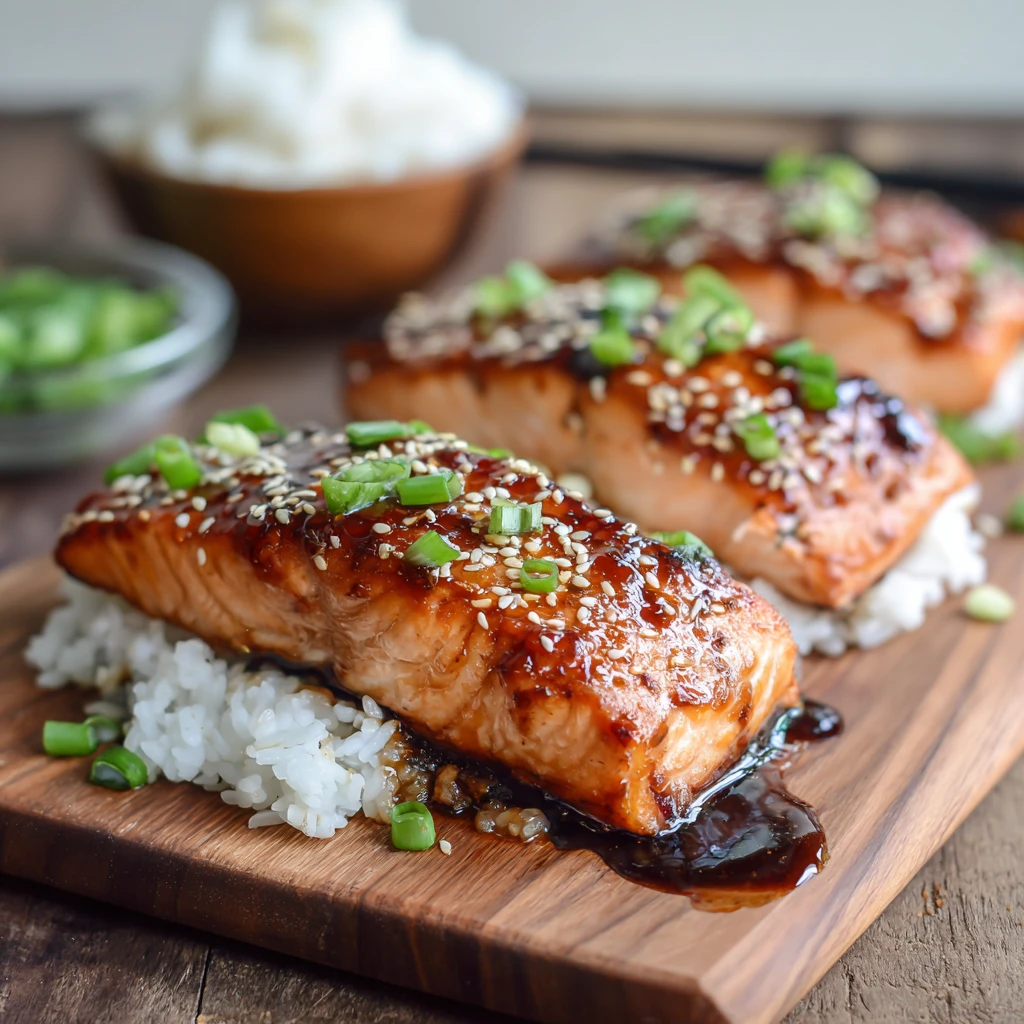
9. Brush the thickened teriyaki sauce over the salmon fillets.
10. Bake for 12-15 minutes, or until the salmon is cooked through and flakes easily with a fork. Cooking time will vary depending on the thickness of the fillets.
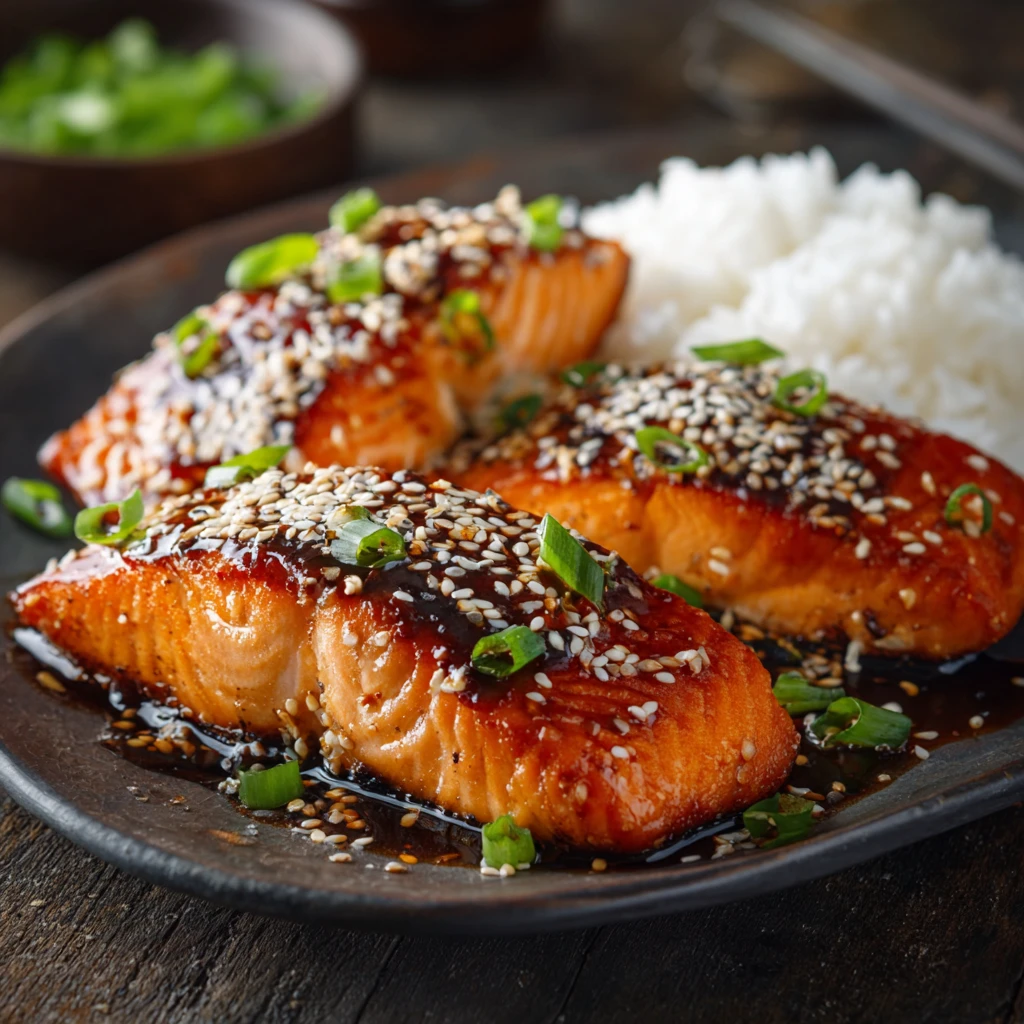
11. Garnish with sesame seeds and chopped green onions.
12. Serve immediately over rice, noodles, or alongside your favorite vegetables.
Perfecting Your Teriyaki Salmon: Tips & Techniques
Achieving restaurant-quality teriyaki salmon at home is easier than you think. These tips will elevate your dish from simple to spectacular. Let’s explore the nuances of ingredient selection, cooking methods, and flavor enhancements.
Choosing the Right Salmon
The type of salmon you select significantly impacts the final flavor and texture. Consider these popular choices.
- Sockeye Salmon: Known for its rich, robust flavor and vibrant red color, sockeye holds up well to the bold flavors of teriyaki sauce. It tends to be leaner.
- Atlantic Salmon: A more readily available and often more affordable option. Atlantic salmon has a milder flavor and higher fat content. This makes it moist and tender.
- King Salmon (Chinook): Considered the “king” of salmon, this variety boasts the highest fat content, resulting in a buttery, melt-in-your-mouth texture. It’s a luxurious choice.
- Coho Salmon: Offers a good balance of flavor and affordability. It has a milder flavor than sockeye but is still flavorful enough to complement teriyaki.
For skin-on salmon, consider searing it in a pan before baking. This creates crispy skin and adds texture.
Mastering the Teriyaki Marinade
The teriyaki marinade is the heart of this recipe. Experimenting with its components can unlock a world of flavor possibilities.
- Soy Sauce: Opt for low-sodium soy sauce to control the saltiness. Tamari is a gluten-free alternative.
- Sweetener: Honey adds a natural sweetness and contributes to a beautiful glaze. Brown sugar or maple syrup are also viable options.
- Acid: Rice vinegar balances the sweetness and adds a subtle tang. Apple cider vinegar can be used in a pinch.
- Aromatics: Fresh ginger and garlic provide a pungent aroma and flavor. Use a microplane to grate the ginger for maximum flavor release.
- Sesame Oil: Adds a nutty aroma and depth of flavor. A little goes a long way.
- Thickening Agent: Cornstarch creates a glossy, thickened sauce. Arrowroot powder is a suitable substitute.
A touch of chili flakes or sriracha can add a pleasant kick to the marinade.
Optimal Cooking Methods
While this recipe focuses on baking, other cooking methods can also yield delicious results. Each method offers unique advantages.
- Baking: Provides even cooking and is relatively hands-off. Preheat your oven thoroughly.
- Pan-Searing: Creates a crispy exterior and locks in moisture. Use a high-heat oil, like avocado oil, and avoid overcrowding the pan.
- Grilling: Imparts a smoky flavor. Marinate the salmon for at least 30 minutes before grilling.
- Air Frying: A quick and convenient option. Adjust cooking time based on your air fryer model.
Regardless of the method, use a meat thermometer to ensure the salmon reaches an internal temperature of 145°F (63°C).
Serving Suggestions & Side Dish Pairings
Teriyaki salmon is incredibly versatile. Its sweet and savory flavor profile pairs well with a wide array of side dishes. Let’s explore some popular and creative serving suggestions.
Classic Asian-Inspired Sides
These tried-and-true pairings complement the flavors of teriyaki salmon perfectly.
- Steamed Rice: A staple accompaniment. Brown rice, jasmine rice, or sushi rice are all excellent choices.
- Noodles: Udon, soba, or ramen noodles tossed in a light sauce. Add vegetables for extra nutrition.
- Stir-Fried Vegetables: Broccoli, bell peppers, carrots, and snow peas. Use a simple soy sauce and ginger stir-fry sauce.
- Edamame: Steamed and lightly salted. A healthy and satisfying side.
- Seaweed Salad: Adds a refreshing and briny element.
Garnish with sesame seeds, chopped green onions, or a sprinkle of Togarashi for added flavor and visual appeal.
Creative & Unexpected Pairings
Step outside the box with these less traditional, yet equally delicious, side dish options.
- Quinoa Salad: A healthy and protein-packed alternative to rice. Add black beans, corn, and avocado for a southwestern twist.
- Roasted Asparagus: Simple and elegant. Drizzle with olive oil and balsamic glaze.
- Sweet Potato Fries: A sweet and savory combination. Season with smoked paprika for extra flavor.
- Mango Salsa: Adds a tropical sweetness and acidity. Perfect for summer meals.
- Avocado Salad: Creamy and refreshing. Combine avocado, red onion, cilantro, and lime juice.
Experiment with different flavor combinations to find your perfect pairing.
Presentation Matters
Elevate your dining experience with thoughtful presentation. Simple touches can make a big difference.
- Garnish: Sesame seeds, chopped green onions, fresh herbs.
- Sauce Drizzle: Add a drizzle of teriyaki sauce or a complementary sauce.
- Plating: Arrange the salmon and side dishes artfully on the plate.
- Color Contrast: Use colorful vegetables to create visual appeal.
- Height: Add height to the dish by stacking ingredients or using a tall garnish.
A beautifully presented dish is more appealing and enhances the overall dining experience.
Health Benefits of Salmon
Beyond its delicious flavor, salmon is a nutritional powerhouse. This section will highlight the key health benefits associated with incorporating salmon into your diet.
Rich in Omega-3 Fatty Acids
Salmon is an excellent source of omega-3 fatty acids, particularly EPA and DHA. These essential fats offer a wide range of health benefits.
- Heart Health: Omega-3s can help lower blood pressure, reduce triglyceride levels, and decrease the risk of heart disease.
- Brain Function: DHA is crucial for brain development and function. It may improve memory, focus, and cognitive performance.
- Anti-Inflammatory Properties: Omega-3s have anti-inflammatory effects, which can help reduce symptoms of arthritis and other inflammatory conditions.
- Eye Health: DHA is a major component of the retina. Adequate intake of omega-3s may help prevent age-related macular degeneration.
Aim for at least two servings of fatty fish, like salmon, per week to reap the benefits of omega-3s.
Excellent Source of Protein
Salmon is a complete protein, meaning it contains all nine essential amino acids. Protein is vital for building and repairing tissues, supporting immune function, and promoting satiety.
- Muscle Growth and Repair: Protein is essential for muscle growth and repair, making salmon a great choice for athletes and active individuals.
- Weight Management: Protein helps you feel full and satisfied, which can aid in weight management.
- Bone Health: Protein plays a role in maintaining bone density and preventing osteoporosis.
Include salmon in your diet as a healthy and delicious way to meet your protein needs.
Packed with Vitamins and Minerals
Salmon is also a good source of various vitamins and minerals, contributing to overall health and well-being.
- Vitamin D: Important for bone health, immune function, and mood regulation.
- Vitamin B12: Essential for nerve function and red blood cell production.
- Potassium: Helps regulate blood pressure and fluid balance.
- Selenium: An antioxidant that protects cells from damage.
These vitamins and minerals work synergistically to support optimal health.
Troubleshooting & Common Mistakes
Even with an easy recipe, mistakes can happen. This section addresses common issues and provides solutions for perfecting your teriyaki salmon.
Salmon is Dry
Overcooking is the primary cause of dry salmon.
- Use a Meat Thermometer: Cook the salmon to an internal temperature of 145°F (63°C).
- Avoid Overbaking: Check the salmon frequently during baking.
- Don’t Over-Marinate: While marinating enhances flavor, extended marinating can dry out the fish. Stick to the recommended time.
A touch of butter or olive oil can help retain moisture.
Teriyaki Sauce is Too Salty
Excessive saltiness often stems from the soy sauce.
- Use Low-Sodium Soy Sauce: This helps control the salt content.
- Adjust the Marinade: Taste the marinade before adding it to the salmon and adjust the ingredients as needed.
- Dilute the Sauce: If the sauce is too salty, add a splash of water or rice vinegar.
A small amount of sugar can also help balance the saltiness.
Salmon Sticks to the Pan
Preventing sticking is crucial for a beautiful presentation.
- Use Parchment Paper: Line the baking sheet with parchment paper.
- Grease the Pan: Lightly grease the pan with cooking spray or oil.
- Don’t Move the Salmon Too Soon: Allow the salmon to sear properly before attempting to flip it (if pan-searing).
A non-stick pan is also a good investment.
FAQ About Teriyaki Salmon
Let’s answer some frequently asked questions about making perfect teriyaki salmon at home.
Can I use frozen salmon?
Yes, but thaw it completely before marinating. Place it in the refrigerator overnight or use the cold water method. Pat it dry before marinating.
How long can I marinate the salmon?
Ideally, 15-30 minutes is best. Longer marinating can result in overly salty salmon.
Can I make teriyaki salmon ahead of time?
You can prepare the marinade ahead of time and store it in the refrigerator for up to 3 days. Cooked salmon is best enjoyed fresh, but leftovers can be stored in the refrigerator for up to 2 days.
What temperature should I cook salmon to?
The internal temperature of cooked salmon should be 145°F (63°C).
What if I don’t have rice vinegar?
Apple cider vinegar or white wine vinegar can be used as substitutes.