Garlic Mashed Potatoes for Thanksgiving Thanksgiving is a time for family, friends, and of course, incredible food. While the turkey often takes center stage, the side dishes are the supporting cast that truly elevates the entire meal. Among those supporting dishes, garlic mashed potatoes reign supreme, offering a creamy, comforting, and flavorful addition to the…
Garlic Mashed Potatoes for Thanksgiving
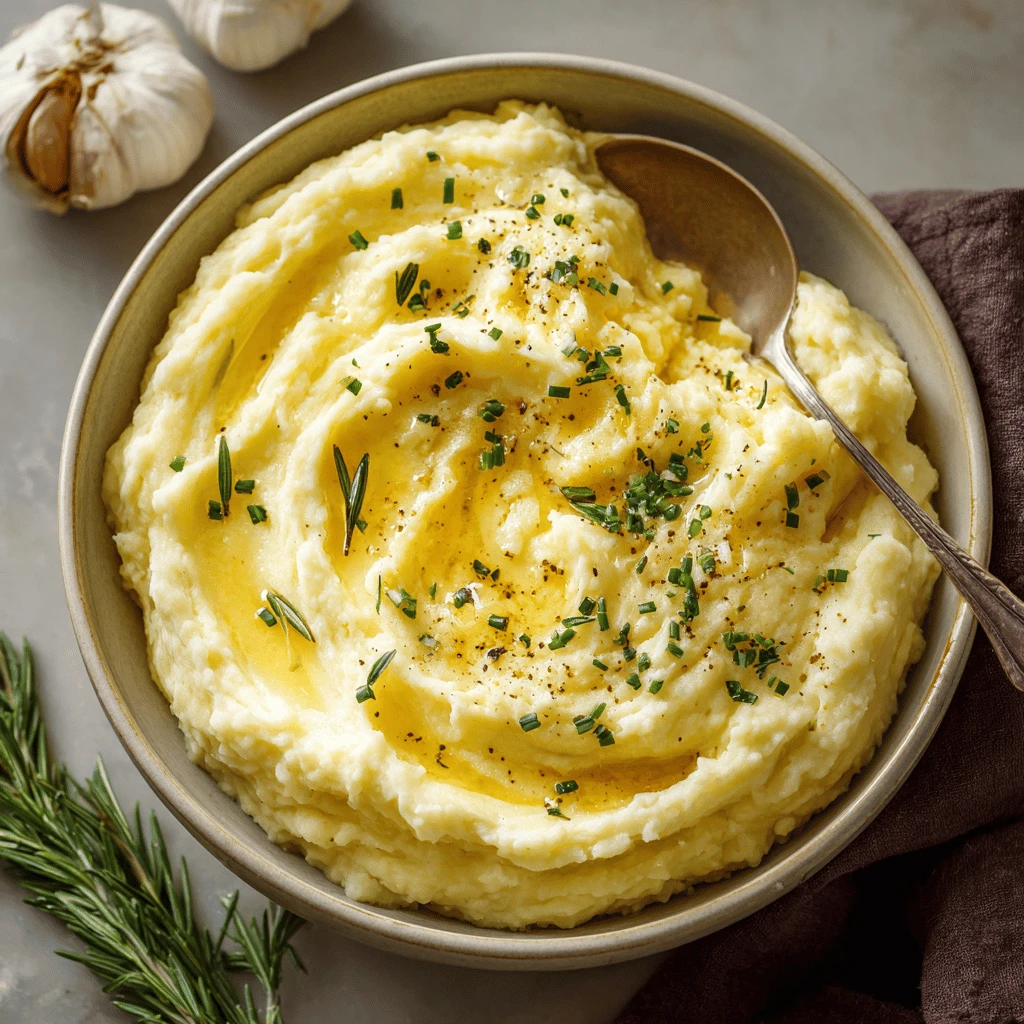
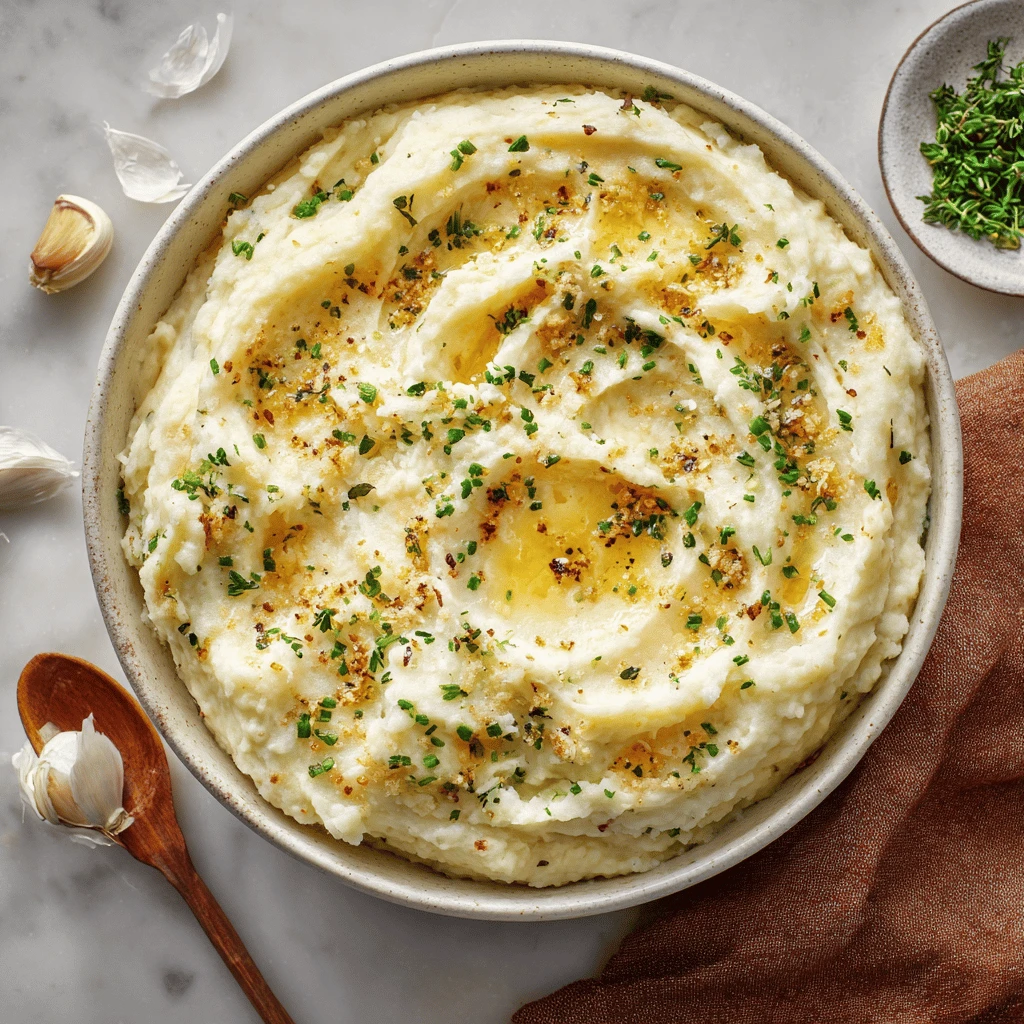
Thanksgiving is a time for family, friends, and of course, incredible food. While the turkey often takes center stage, the side dishes are the supporting cast that truly elevates the entire meal. Among those supporting dishes, garlic mashed potatoes reign supreme, offering a creamy, comforting, and flavorful addition to the Thanksgiving spread. This guide will walk you through creating the perfect garlic mashed potatoes that will have your guests raving and asking for seconds.
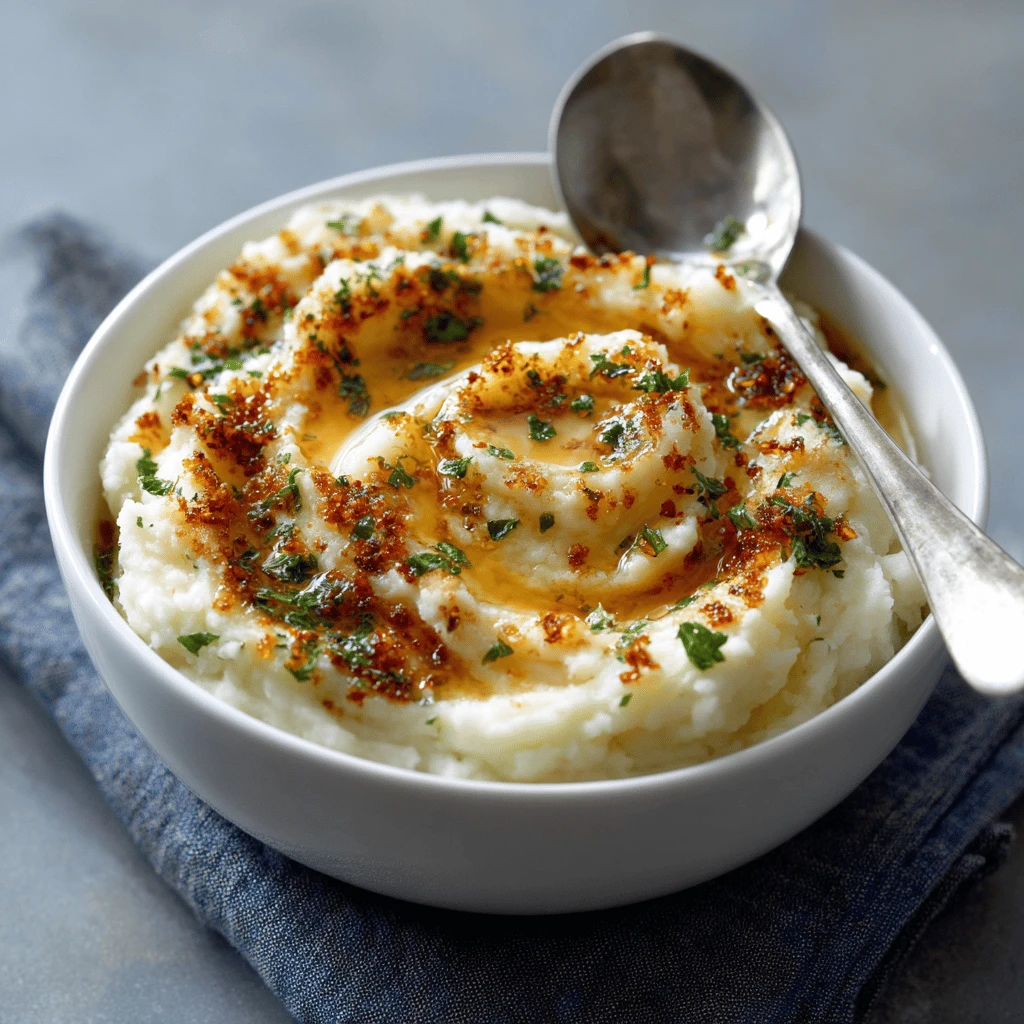
The Foundation: Choosing the Right Potatoes
The type of potato you choose significantly impacts the final texture of your mashed potatoes. Understanding the characteristics of different varieties is key to achieving the perfect consistency.
- Russet Potatoes: These are high in starch and tend to produce fluffy mashed potatoes. However, they can also become gummy if over-mixed, so handle with care. Russets absorb butter and milk well, making them ideal for a richer flavor profile.
- Yukon Gold Potatoes: Known for their naturally buttery flavor and creamy texture, Yukon Golds are a popular choice. They require less butter and cream to achieve a luxurious consistency. They hold their shape well during boiling, which helps avoid a watery final product.
- Red Potatoes: These have a waxy texture and hold their shape well when cooked. They are less starchy than Russets or Yukon Golds, resulting in firmer mashed potatoes. While they can be used, they are not the ideal choice if you are aiming for a very smooth and creamy texture.
For the best results, consider using a combination of Russet and Yukon Gold potatoes. This will give you the perfect balance of fluffiness and creaminess.
Building Flavor: Garlic, Butter, and Beyond
While the potatoes form the foundation, the flavorings are what truly make garlic mashed potatoes stand out. Here’s how to infuse the perfect taste:
- Garlic: Fresh garlic is essential. Roasting the garlic beforehand mellows its intensity and brings out a sweet, nutty flavor that complements the potatoes beautifully. Simply toss the cloves with olive oil, wrap in foil, and roast until soft and golden. Alternatively, sauté minced garlic in butter until fragrant, being careful not to burn it.
- Butter: Unsalted butter allows you to control the saltiness of the final dish. Brown butter adds a nutty, caramel-like depth of flavor that is truly exceptional. To brown butter, melt it in a saucepan over medium heat, stirring constantly, until it turns golden brown and has a nutty aroma.
- Dairy: Milk, cream, or half-and-half add richness and creaminess. Warm the dairy before adding it to the potatoes to prevent them from becoming cold and clumpy. For an extra layer of flavor, consider using cream cheese or sour cream.
- Seasoning: Salt and freshly ground black pepper are crucial for enhancing the flavors of the other ingredients. Taste and adjust the seasoning as needed. Other optional additions include fresh herbs like chives, thyme, or rosemary, which can add a touch of freshness and complexity. A pinch of nutmeg can also provide a subtle warmth.
Elevated Flavor Combinations:
- Roasted Garlic and Parmesan: Adds a savory and umami-rich flavor.
- Brown Butter and Sage: Creates a sophisticated and aromatic profile.
- Cream Cheese and Chives: Adds tanginess and a fresh, herbaceous note.
The Process: From Boiling to Mashing
The cooking and mashing process is just as important as the ingredients you choose. Follow these steps for perfectly mashed potatoes:
1. Prepare the Potatoes: Peel the potatoes and cut them into even-sized pieces. This ensures that they cook evenly. Place the potatoes in a large pot and cover them with cold water. Add a generous amount of salt to the water.
2. Boil the Potatoes: Bring the water to a boil over high heat, then reduce the heat to medium and simmer until the potatoes are fork-tender. This usually takes about 15-20 minutes.
3. Drain and Dry: Drain the potatoes thoroughly in a colander. Return them to the pot and place the pot over low heat for a minute or two to dry them out slightly. This will help prevent them from becoming waterlogged.
4. Mash the Potatoes: Use a potato ricer or a potato masher to mash the potatoes. A ricer will produce the smoothest results, while a masher will give you a slightly chunkier texture. Avoid using a food processor or blender, as these can overwork the potatoes and make them gummy.
5. Incorporate Flavorings: Add the roasted or sautéed garlic, butter, and warmed dairy to the potatoes. Gently fold everything together until well combined. Be careful not to over-mix.
6. Season and Serve: Season the mashed potatoes with salt and pepper to taste. Garnish with fresh herbs, if desired. Serve immediately while hot.
Troubleshooting Common Issues
Even with the best intentions, things can sometimes go awry. Here are some common issues and how to fix them:
- Gummy Potatoes: This is usually caused by over-mixing. To avoid this, use a potato ricer or masher instead of a food processor or blender. Also, be gentle when incorporating the flavorings.
- Watery Potatoes: This can happen if the potatoes are not drained thoroughly or if too much liquid is added. Make sure to drain the potatoes well and dry them out slightly before mashing. Add the dairy gradually, until you reach the desired consistency.
- Lumpy Potatoes: This can be caused by not cooking the potatoes long enough or by not mashing them thoroughly enough. Make sure the potatoes are fork-tender before draining. Use a potato ricer for the smoothest results.
- Bland Potatoes: This is usually due to insufficient seasoning. Taste and adjust the salt and pepper as needed. Don’t be afraid to add a generous amount of seasoning.
Tips for Make-Ahead Mashed Potatoes:
Mashed potatoes can be made ahead of time and reheated. To prevent them from drying out, add a little extra butter and cream. Store the mashed potatoes in an airtight container in the refrigerator for up to 2 days. To reheat, gently warm them in a saucepan over low heat, stirring occasionally, or in a microwave-safe dish in the microwave. You may need to add a splash of milk or cream to restore the desired consistency.
Recipe Variations and Serving Suggestions
While the classic garlic mashed potato recipe is delicious on its own, there are many ways to customize it to your liking.
Recipe Variations:
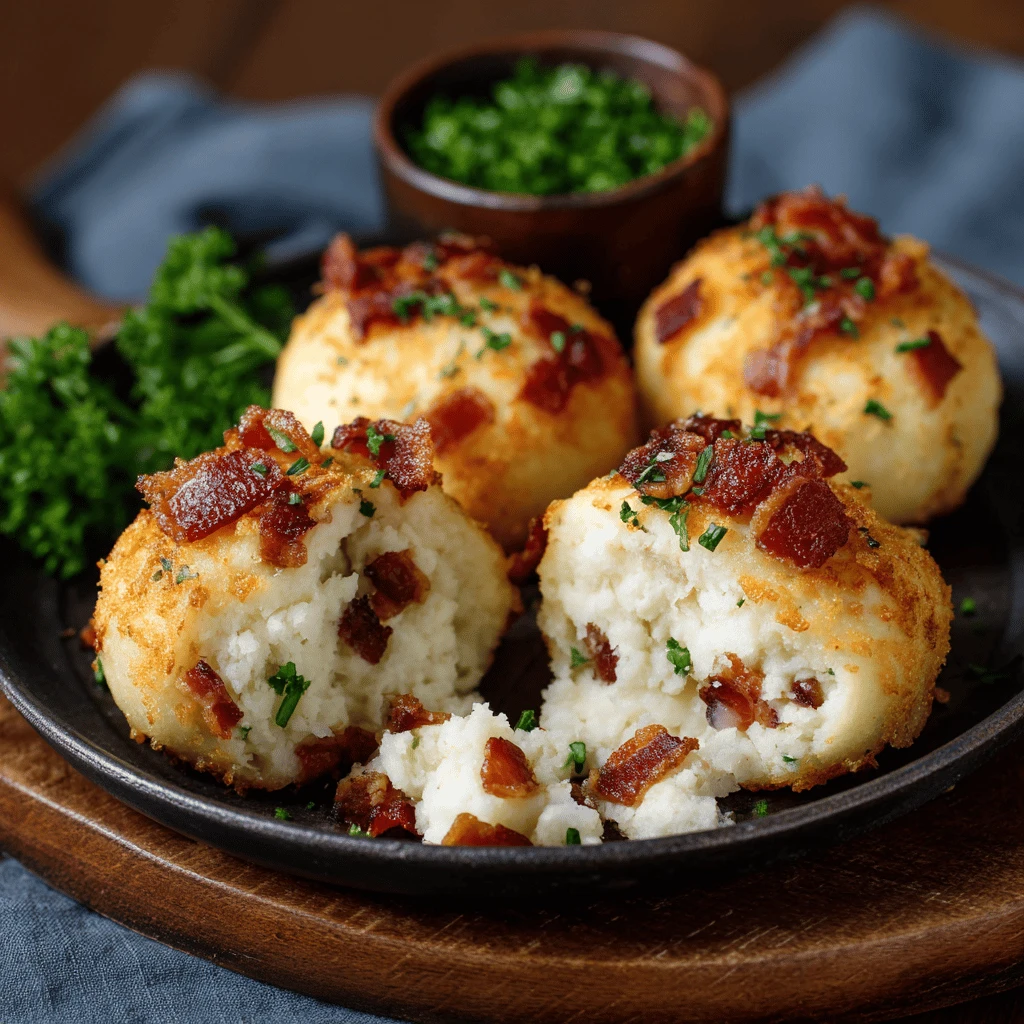
- Loaded Mashed Potatoes: Add bacon, cheese, sour cream, and chives for a loaded baked potato flavor.
- Cheesy Garlic Mashed Potatoes: Incorporate your favorite cheese, such as cheddar, Gruyere, or Parmesan.
- Roasted Vegetable Mashed Potatoes: Add roasted vegetables like cauliflower, broccoli, or sweet potatoes for added flavor and nutrients.
Serving Suggestions:
Garlic mashed potatoes are a versatile side dish that pairs well with a variety of main courses. They are a natural accompaniment to turkey, ham, or roast beef. They also complement grilled or pan-seared meats and fish.
Beyond the Thanksgiving table, garlic mashed potatoes are delicious served with:
- Meatloaf: A classic comfort food pairing.
- Sausages: Adds a creamy element to complement the savory sausage.
- Shepherd’s Pie: A perfect topping for this hearty dish.
Garnishing Ideas:
- Fresh Herbs: Chives, parsley, thyme, or rosemary add a pop of color and freshness.
- A Swirl of Butter: Adds richness and visual appeal.
- A Sprinkle of Paprika: Provides a hint of smoky flavor and color.
- Crispy Fried Onions: Adds texture and a savory flavor.
Frequently Asked Questions
Q: What kind of potatoes are best for mashed potatoes?
A: Yukon Gold potatoes are known for their naturally buttery flavor and creamy texture. Russet potatoes are high in starch and produce fluffy mashed potatoes. A combination of both can create an ideal balance.
Q: How do I prevent mashed potatoes from becoming gummy?
A: Avoid over-mixing the potatoes. Use a potato ricer or masher instead of a food processor or blender. Be gentle when incorporating flavorings.
Q: Can I make mashed potatoes ahead of time?
A: Yes, mashed potatoes can be made ahead of time and reheated. Add a little extra butter and cream to prevent them from drying out. Store in an airtight container in the refrigerator for up to 2 days. Reheat gently, adding a splash of milk or cream if needed.
Q: How do I roast garlic?
A: Toss garlic cloves with olive oil, wrap them in aluminum wrap, and roast them in an oven until soft and golden. Alternatively, sauté minced garlic in butter until fragrant, being careful not to burn it.
Q: What can I add to mashed potatoes to make them more flavorful?
A: Experiment with elevated flavor combinations like roasted garlic and Parmesan, brown butter and sage, or cream cheese and chives.