Honey Mustard Glazed Chicken Bites: A Deliciously Easy Recipe Honey mustard glazed chicken bites are a crowd-pleasing appetizer or a quick and flavorful dinner option. The combination of sweet honey and tangy mustard creates a glaze that perfectly complements the tender chicken. This recipe is simple to follow and can be easily customized to suit…
Honey Mustard Glazed Chicken Bites: A Deliciously Easy Recipe
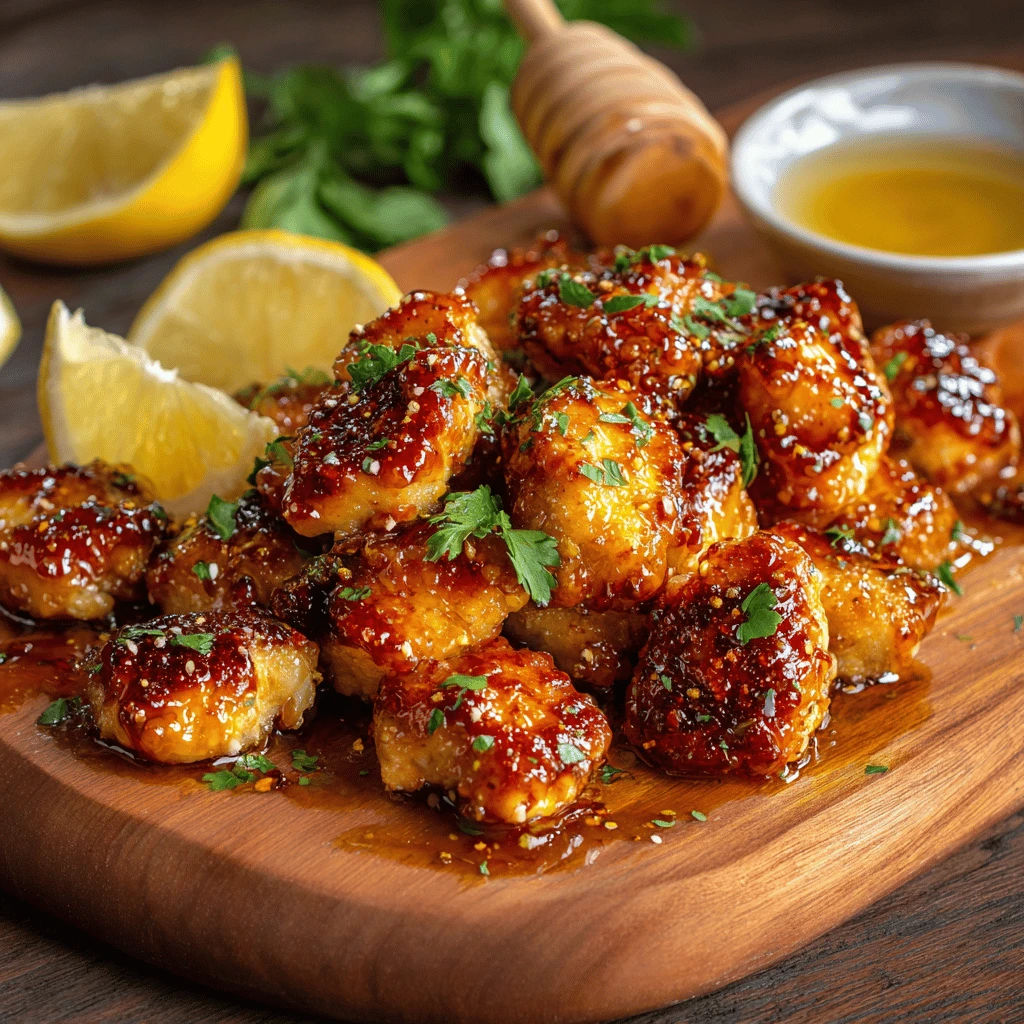
Honey mustard glazed chicken bites are a crowd-pleasing appetizer or a quick and flavorful dinner option. The combination of sweet honey and tangy mustard creates a glaze that perfectly complements the tender chicken. This recipe is simple to follow and can be easily customized to suit your taste preferences. Let’s dive into creating these delectable chicken bites.
Preparing the Chicken for Glazing
The foundation of any great chicken bite is, of course, the chicken itself. Here’s how to get it ready for the star of the show: the honey mustard glaze.
Choosing the Right Chicken
Boneless, skinless chicken breasts are the ideal choice for this recipe. They cook quickly and evenly, resulting in tender and juicy bites. You can also use chicken tenders for even faster preparation, but breasts offer more versatility in terms of portion size. Ensure the chicken is fresh and properly stored until you’re ready to begin cooking.
Cutting and Preparing the Chicken Bites
Before you start cooking, cut the chicken breasts into bite-sized pieces, approximately 1-inch cubes. This ensures even cooking and makes them easy to eat. If using chicken tenders, simply cut them in half or thirds, depending on their size. Once cut, pat the chicken pieces dry with paper towels. This helps the glaze adhere better and promotes browning. A little salt and pepper at this stage enhances the natural flavor of the chicken.
Optional: Marinating for Extra Flavor
While not strictly necessary, marinating the chicken can add an extra layer of flavor and tenderness. A simple marinade of olive oil, lemon juice, garlic powder, and paprika works wonders. Marinate the chicken in the refrigerator for at least 30 minutes, or up to a few hours. This step is entirely optional but highly recommended for those who love a more intense flavor profile. Discard the marinade before cooking.
Crafting the Perfect Honey Mustard Glaze
The honey mustard glaze is what makes these chicken bites so irresistible. It’s a balance of sweet, tangy, and savory flavors that complement the chicken perfectly.
Essential Ingredients for the Glaze
The core ingredients for a honey mustard glaze are, as the name suggests, honey and mustard. Use a good quality honey for the best flavor; clover, wildflower, or orange blossom honey all work well. For mustard, Dijon mustard provides a balanced tang, but you can also use yellow mustard for a milder flavor or whole-grain mustard for a bit of texture. Other common ingredients include apple cider vinegar, which adds brightness and acidity, and a touch of soy sauce (or tamari for a gluten-free option) for umami.
Mixing and Adjusting the Glaze
In a small bowl, whisk together the honey, mustard, apple cider vinegar, and soy sauce (or tamari). Start with equal parts honey and mustard, and adjust the ratio to your liking. If you prefer a sweeter glaze, add more honey. For a tangier glaze, add more mustard or vinegar. Taste the glaze and adjust the seasonings as needed. A pinch of garlic powder or onion powder can also be added for extra depth of flavor.
Glaze Consistency: Achieving the Right Thickness
The consistency of the glaze is important for ensuring it coats the chicken properly. If the glaze is too thick, it will be difficult to spread and may burn during cooking. If it’s too thin, it won’t adhere to the chicken. A good glaze should be pourable but not watery. If your glaze is too thick, add a teaspoon or two of water until you reach the desired consistency. If it’s too thin, simmer it in a saucepan over low heat for a few minutes to reduce it slightly.
Cooking the Honey Mustard Glazed Chicken Bites
Now comes the exciting part – cooking the chicken bites and transforming them into a golden, glazed masterpiece.
Choosing Your Cooking Method: Pan-Frying, Baking, or Air Frying
There are several ways to cook honey mustard glazed chicken bites, each with its own advantages. Pan-frying is a quick and easy method that yields crispy, golden-brown chicken. Baking is a hands-off approach that’s great for larger batches. Air frying is a healthier option that produces crispy results with less oil. Choose the method that best suits your preferences and equipment.
Pan-Frying for a Crispy Exterior
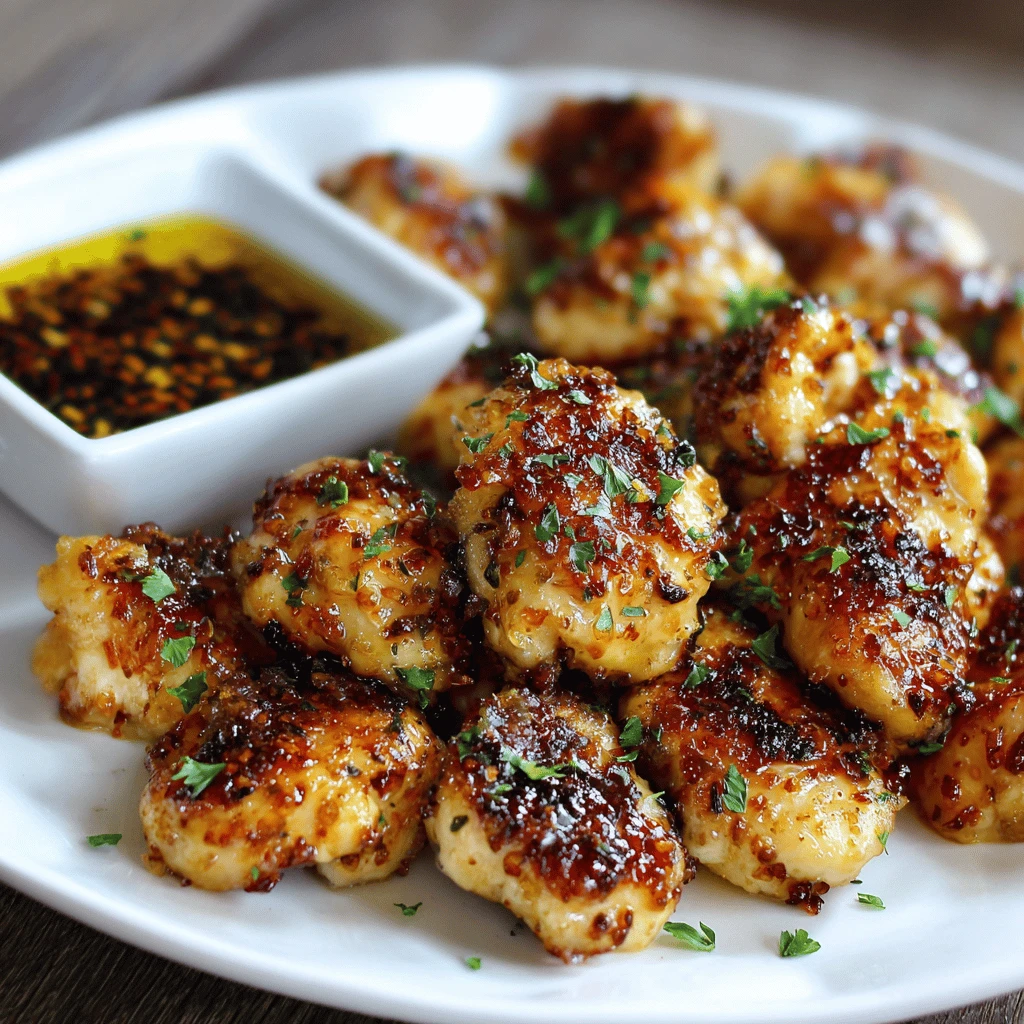
Heat a tablespoon of oil (such as vegetable, canola, or olive oil) in a large skillet over medium-high heat. Once the oil is hot, add the chicken bites in a single layer, being careful not to overcrowd the pan. Cook for 2-3 minutes per side, or until the chicken is cooked through and golden brown. Reduce the heat if the chicken starts to brown too quickly. Once the chicken is cooked, pour the honey mustard glaze over the bites and toss to coat. Cook for another minute or two, until the glaze has thickened and become sticky.
Baking for Easy, Hands-Off Cooking
Preheat your oven to 400°F (200°C). Line a baking sheet with parchment paper for easy cleanup. Arrange the chicken bites on the baking sheet in a single layer. Bake for 15-20 minutes, or until the chicken is cooked through. Remove the baking sheet from the oven and brush the chicken bites with the honey mustard glaze. Return to the oven for another 5 minutes, or until the glaze is bubbly and slightly caramelized.
Air Frying for a Healthier, Crispy Option
Preheat your air fryer to 375°F (190°C). Place the chicken bites in the air fryer basket in a single layer, being careful not to overcrowd. Air fry for 8-10 minutes, or until the chicken is cooked through. Remove the basket from the air fryer and brush the chicken bites with the honey mustard glaze. Return to the air fryer for another 2-3 minutes, or until the glaze is sticky and slightly caramelized.
Serving and Enjoying Your Chicken Bites
Once your chicken bites are cooked to perfection, it’s time to serve them and enjoy the fruits (or should we say, honey?) of your labor.
Garnishing and Presentation
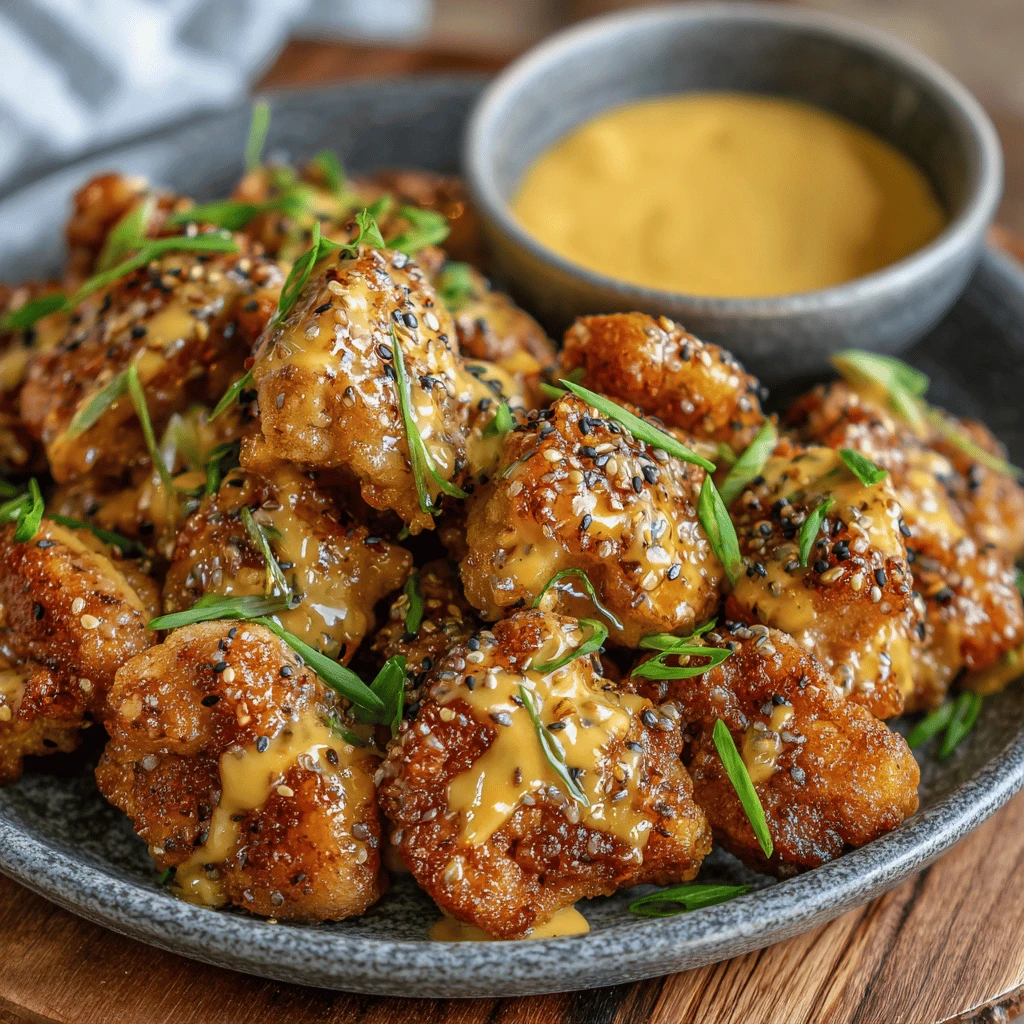
Garnish your honey mustard glazed chicken bites with a sprinkle of chopped parsley, green onions, or sesame seeds for a pop of color and flavor. Serve them immediately while they’re hot and sticky. Arrange them attractively on a platter or in a bowl for a visually appealing presentation.
Serving Suggestions and Pairings
These chicken bites are incredibly versatile and can be served in a variety of ways. They make a fantastic appetizer for parties or gatherings. They can also be served as a main course with a side of rice, mashed potatoes, or roasted vegetables. For a lighter meal, serve them over a salad or in a wrap. Pair them with your favorite dipping sauce, such as ranch dressing, blue cheese dressing, or extra honey mustard sauce.
Storage and Reheating
If you have any leftover chicken bites, store them in an airtight container in the refrigerator for up to 3 days. To reheat, you can microwave them for a minute or two, or bake them in the oven at 350°F (175°C) for about 10 minutes, or until heated through. Air frying is also a good option for reheating, as it helps to restore some of the crispiness. Be careful not to overcook them, as this can dry them out.
Frequently Asked Questions About Honey Mustard Glazed Chicken Bites
Here are some common questions people have about making honey mustard glazed chicken bites:
Q: Can I use chicken thighs instead of chicken breasts?
A: Yes, you can use boneless, skinless chicken thighs. They will take slightly longer to cook than chicken breasts, so adjust the cooking time accordingly. Chicken thighs will also be more moist and flavorful.
Q: Can I make the glaze ahead of time?
A: Absolutely! The honey mustard glaze can be made ahead of time and stored in an airtight container in the refrigerator for up to a week. This is a great way to save time when preparing the chicken bites.
Q: Can I freeze honey mustard glazed chicken bites?
A: Yes, you can freeze them, but the texture may change slightly upon thawing. To freeze, allow the chicken bites to cool completely, then place them in a freezer-safe container. They can be stored in the freezer for up to 2 months. Thaw them in the refrigerator overnight before reheating.
Q: How can I make this recipe gluten-free?
A: Simply use tamari instead of soy sauce in the honey mustard glaze. Tamari is a gluten-free soy sauce alternative. Also, make sure all other ingredients are gluten-free.
Q: How can I make this recipe spicier?
A: Add a pinch of red pepper flakes or a dash of hot sauce to the honey mustard glaze. You can also use a spicy mustard, such as horseradish mustard or Creole mustard. Adjust the amount of spice to your liking.