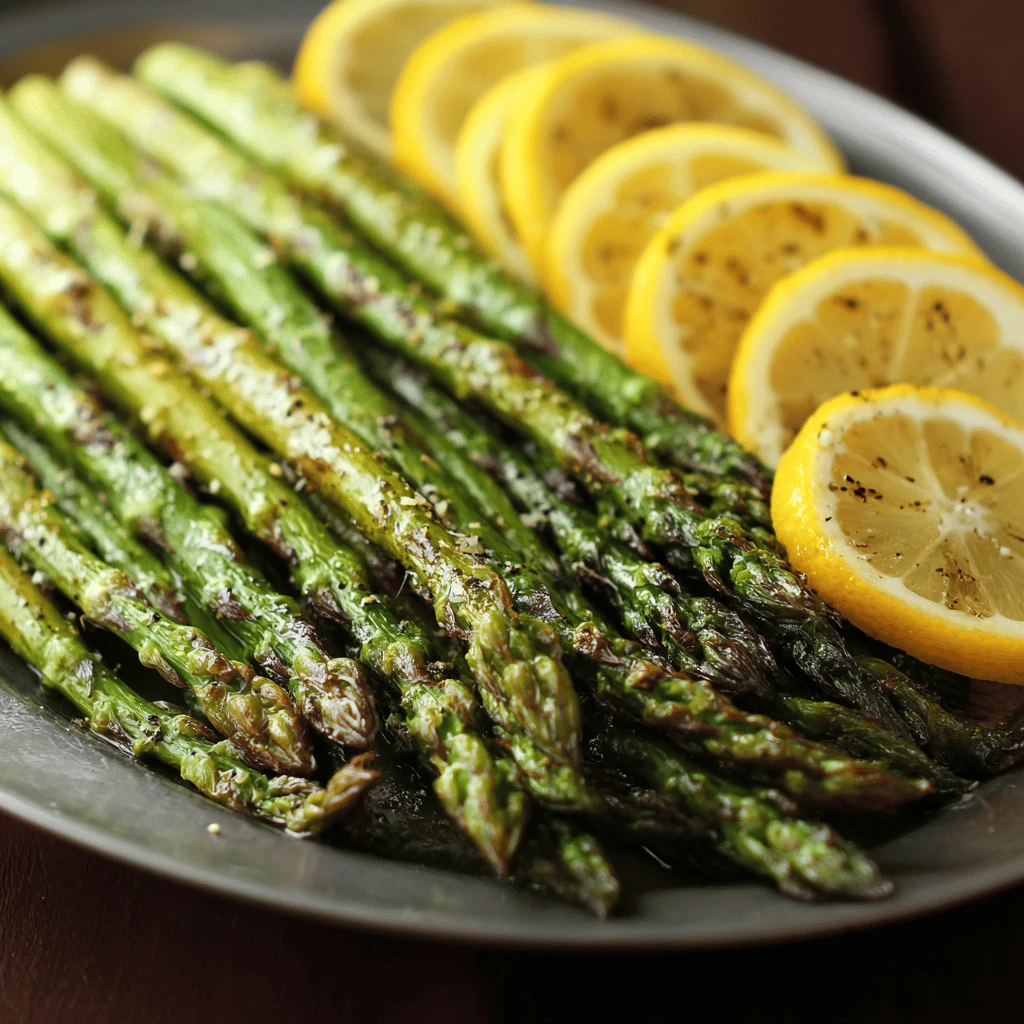
Roasted Asparagus with Lemon for Thanksgiving Thanksgiving is a holiday known for its rich, comforting dishes. But amidst the mashed potatoes, stuffing, and gravy, a bright, flavorful vegetable side can be a welcome addition. Roasted asparagus with lemon is a perfect choice – it’s quick, easy, delicious, and adds a touch of freshness to the…
Roasted Asparagus with Lemon for Thanksgiving
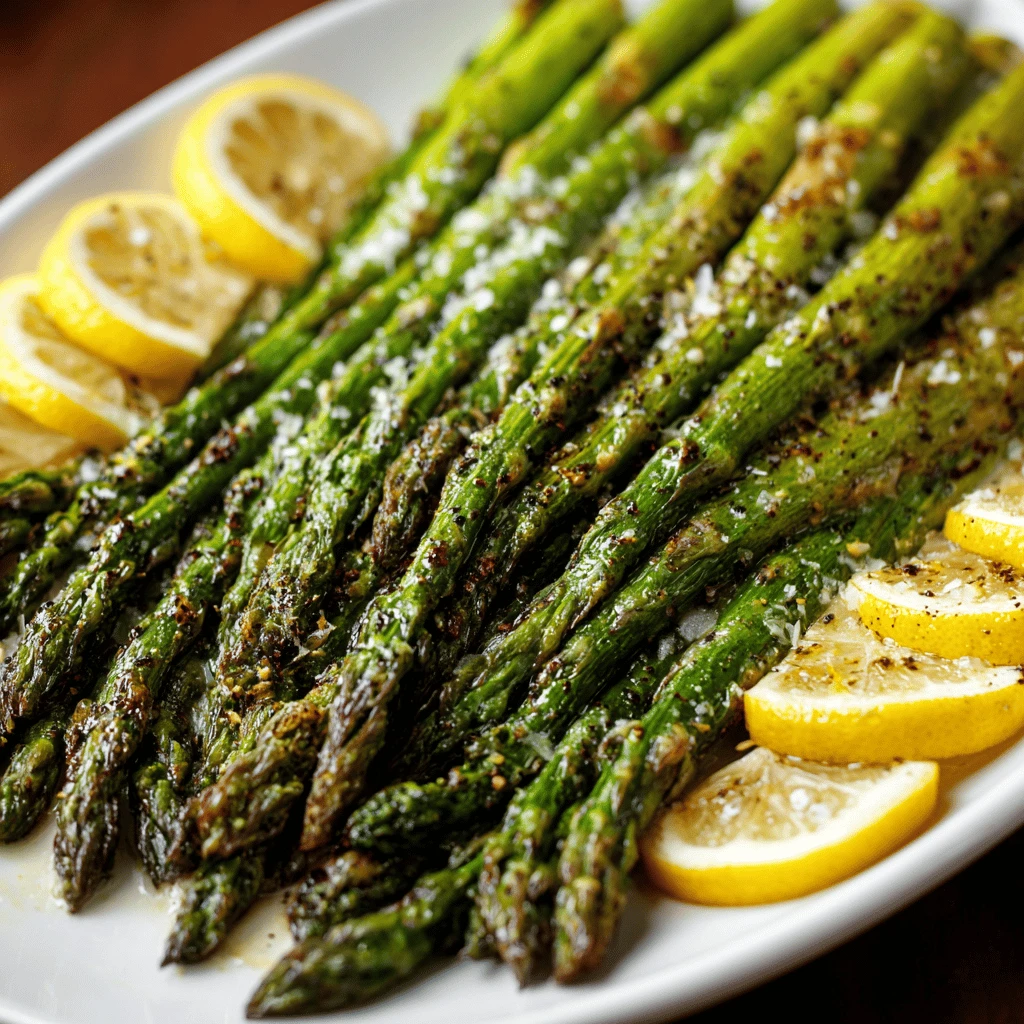
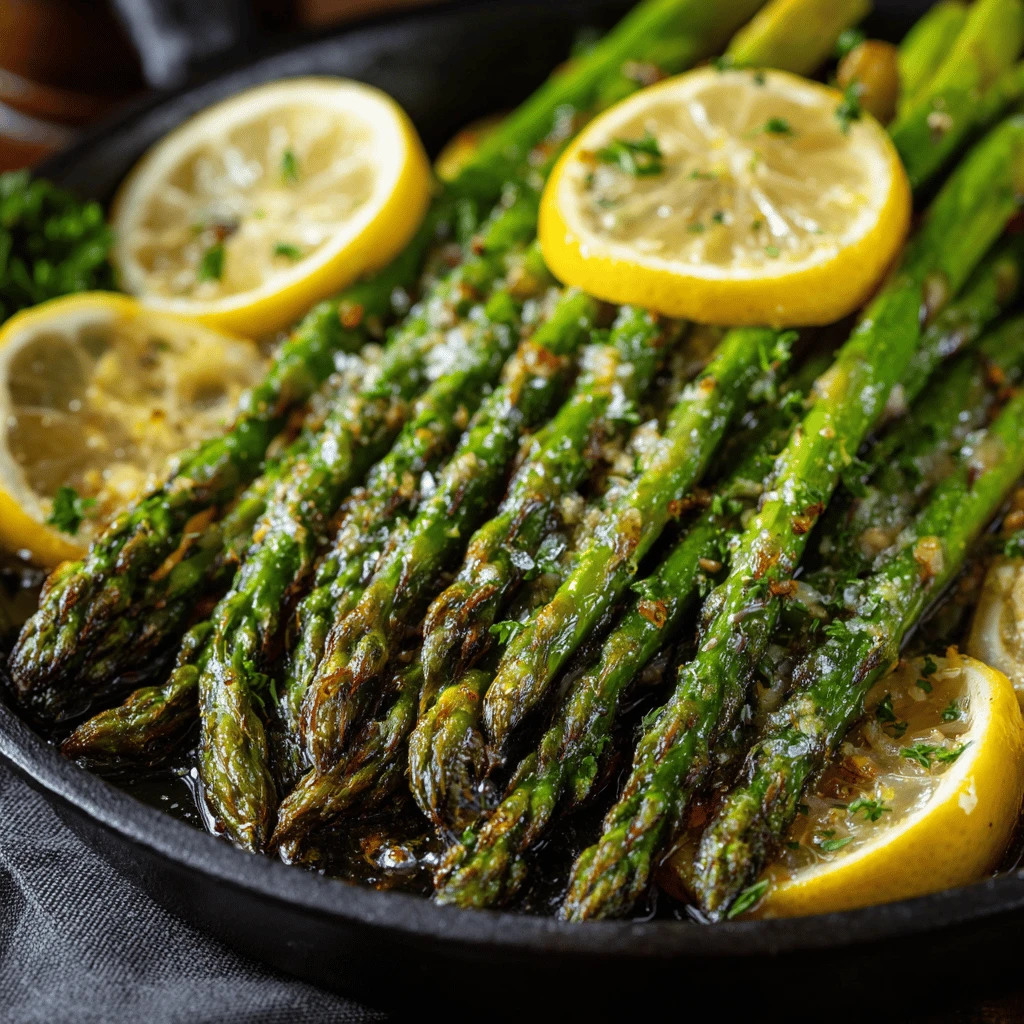
Thanksgiving is a holiday known for its rich, comforting dishes. But amidst the mashed potatoes, stuffing, and gravy, a bright, flavorful vegetable side can be a welcome addition. Roasted asparagus with lemon is a perfect choice – it’s quick, easy, delicious, and adds a touch of freshness to the Thanksgiving table. This recipe delivers tender-crisp asparagus with a vibrant lemon flavor that complements the other dishes beautifully.
Why Roasted Asparagus is Perfect for Thanksgiving
Thanksgiving meals can be quite heavy, so having a lighter, healthier side dish like roasted asparagus provides a refreshing contrast. It’s a simple way to incorporate more vegetables into your Thanksgiving spread. Roasting asparagus brings out its natural sweetness, and the lemon juice adds a tangy brightness that cuts through the richness of the other dishes.
Asparagus is also incredibly easy to prepare. Unlike some Thanksgiving sides that require hours of simmering or complex layering, roasted asparagus comes together in minutes. This is especially helpful when you’re already juggling multiple dishes and a busy oven.
The vibrant green color of asparagus also adds visual appeal to your Thanksgiving table. It provides a welcome contrast to the earthy tones of the other dishes, making the whole spread more attractive and appetizing. It is easily customizable for different dietary needs, naturally gluten-free, vegetarian, and vegan-friendly.
Simple Ingredients for Flavorful Asparagus
The beauty of this recipe lies in its simplicity. You don’t need a long list of ingredients to create a dish that’s packed with flavor.
- Asparagus: Choose firm, bright green stalks. The thickness is a matter of personal preference; thicker stalks tend to be more tender, while thinner stalks cook faster.
- Olive Oil: Extra virgin olive oil adds flavor and helps the asparagus roast evenly.
- Lemon: Fresh lemon juice and zest provide the signature bright, citrusy flavor.
- Garlic: Minced garlic adds a savory depth to the dish.
- Salt and Pepper: To taste, these enhance the natural flavors of the asparagus.
- Optional Additions: Red pepper flakes for a touch of heat, grated Parmesan cheese for a salty, savory note, or toasted pine nuts for added texture.
Choosing the Best Asparagus
When selecting asparagus, look for stalks that are firm, straight, and bright green. The tips should be tightly closed and not wilted or mushy. Avoid asparagus that looks dry or has a strong odor.
The thickness of the asparagus is a matter of personal preference. Thicker stalks tend to be more tender and have a slightly sweeter flavor, while thinner stalks cook more quickly and can become more crispy. If using thicker stalks, you may need to increase the roasting time slightly.
Roasting Asparagus to Perfection: A Step-by-Step Guide
Roasting asparagus is incredibly easy, but following these steps will ensure perfectly cooked, tender-crisp results every time.
1. Preheat the Oven: Preheat your oven to 400°F (200°C). This high temperature helps the asparagus roast quickly and evenly, preventing it from becoming soggy.
2. Prepare the Asparagus: Wash the asparagus thoroughly and snap off the tough ends. To do this, hold each stalk near the base and bend it until it naturally snaps. The tough end will break off, leaving you with the tender part of the stalk.
3. Toss with Flavor: In a bowl, toss the asparagus with olive oil, minced garlic, lemon zest, salt, and pepper. Make sure the asparagus is evenly coated with the oil and seasonings.
4. Arrange on a Baking Sheet: Spread the asparagus in a single layer on a baking sheet. Avoid overcrowding the baking sheet, as this can cause the asparagus to steam instead of roast.
5. Roast: Roast the asparagus for 8-12 minutes, or until it is tender-crisp and slightly browned. The exact cooking time will depend on the thickness of the asparagus and the temperature of your oven.
6. Finish with Lemon Juice: Remove the asparagus from the oven and immediately drizzle with fresh lemon juice. This will add a final burst of flavor and brightness.
7. Serve: Serve the roasted asparagus immediately as a side dish.
Tips for Perfectly Roasted Asparagus
- Don’t Overcook: Overcooked asparagus becomes mushy and loses its flavor. Aim for tender-crisp, with a slight bite.
- Use Fresh Lemon Juice: Fresh lemon juice has a much brighter and more vibrant flavor than bottled lemon juice.
- Adjust Seasoning to Taste: Taste the asparagus after roasting and adjust the seasoning as needed. You may want to add more salt, pepper, or lemon juice to suit your preference.
- Add a Touch of Heat: A pinch of red pepper flakes can add a subtle kick to the dish.
- Garnish with Parmesan Cheese: A sprinkle of grated Parmesan cheese adds a salty, savory note that complements the asparagus and lemon flavors.
- Toast Some Pine Nuts: Toasted pine nuts add a nice crunch and nutty flavor.
Variations and Serving Suggestions
While this recipe is delicious as is, there are many ways to customize it to suit your taste.
- Add Herbs: Fresh herbs like thyme, rosemary, or parsley can add a different dimension of flavor. Toss the asparagus with the herbs before roasting, or sprinkle them on top after cooking.
- Use Different Citrus Fruits: Experiment with other citrus fruits like orange or grapefruit for a different flavor profile.
- Add Balsamic Glaze: A drizzle of balsamic glaze adds a touch of sweetness and acidity that complements the asparagus and lemon flavors.
- Wrap in Bacon: For a more indulgent dish, wrap the asparagus spears in bacon before roasting.
- Serve with a Dipping Sauce: Serve the roasted asparagus with a dipping sauce like aioli, hollandaise, or a simple lemon vinaigrette.
- Add it to Salads: Roasted asparagus can be added to salads for extra flavor and nutrition.
- Use as a Pizza Topping: Roasted asparagus makes a great topping for pizza.
Serving Ideas for Thanksgiving
- Serve alongside traditional Thanksgiving dishes like turkey, stuffing, mashed potatoes, and gravy.
- Add it to a Thanksgiving salad with cranberries, pecans, and feta cheese.
- Serve as a side dish with a vegetarian Thanksgiving main course like a lentil loaf or stuffed squash.
- Offer as a healthy alternative to heavier Thanksgiving sides.
- Use the leftover roasted asparagus in omelets or frittatas the next day.
Frequently Asked Questions (FAQs)
Can I use frozen asparagus?
While fresh asparagus is preferred, frozen asparagus can be used in a pinch. Thaw the asparagus completely and pat it dry before roasting. Keep in mind that frozen asparagus may be slightly softer than fresh asparagus, so you may need to reduce the roasting time.
How do I store leftover roasted asparagus?
Store leftover roasted asparagus in an airtight container in the refrigerator for up to 3 days. Reheat in the oven or microwave before serving.
Can I roast asparagus ahead of time?
While it’s best to serve roasted asparagus immediately, you can roast it ahead of time and reheat it before serving. To prevent it from becoming soggy, slightly undercook the asparagus when roasting it ahead of time.
Can I grill the asparagus instead of roasting it?
Yes, you can grill the asparagus instead of roasting it. Preheat your grill to medium-high heat. Toss the asparagus with olive oil, garlic, lemon zest, salt, and pepper. Grill for 5-7 minutes, or until tender-crisp, turning occasionally.
How do I know when the asparagus is done?
The asparagus is done when it is tender-crisp and slightly browned. You should be able to easily pierce it with a fork, but it should still have a slight bite.