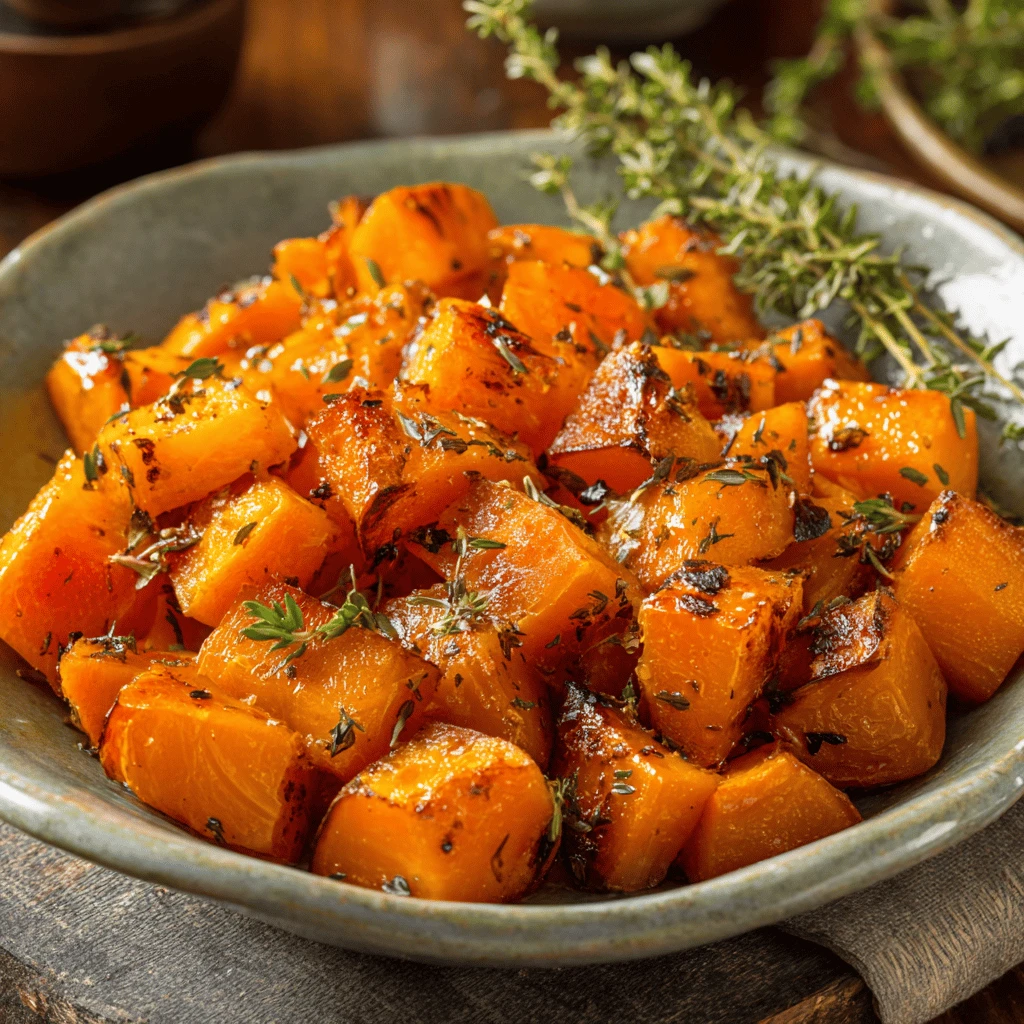
Roasted Butternut Squash with Thyme: The Perfect Thanksgiving Dish Butternut squash, with its sweet, nutty flavor and vibrant orange hue, is a quintessential fall ingredient. Roasting it elevates its natural sweetness, and the addition of fragrant thyme makes it an elegant and comforting Thanksgiving dish. This guide provides everything you need to create a stunning…
Roasted Butternut Squash with Thyme: The Perfect Thanksgiving Dish
Butternut squash, with its sweet, nutty flavor and vibrant orange hue, is a quintessential fall ingredient. Roasting it elevates its natural sweetness, and the addition of fragrant thyme makes it an elegant and comforting Thanksgiving dish. This guide provides everything you need to create a stunning and delicious roasted butternut squash with thyme that will be a highlight of your holiday feast.
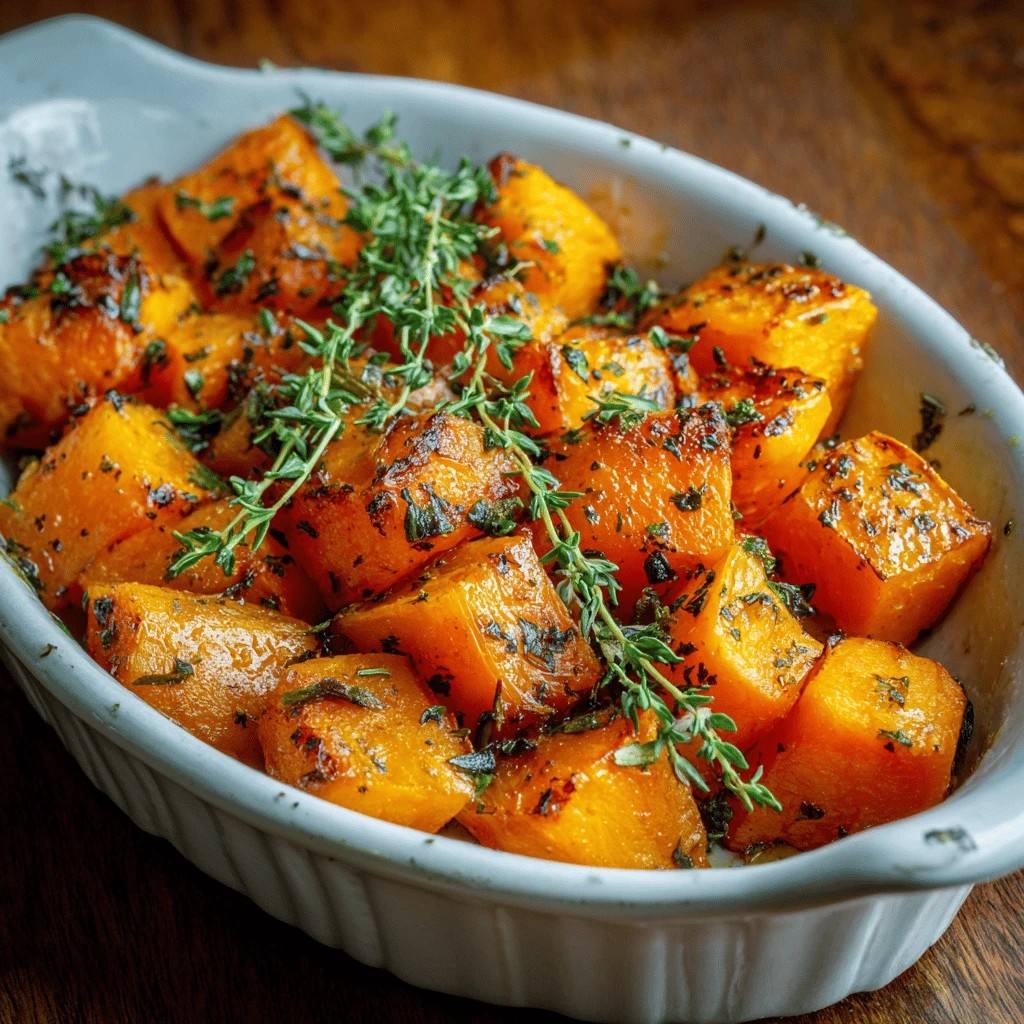
Why Roasted Butternut Squash Belongs on Your Thanksgiving Table
Thanksgiving is all about abundance and sharing flavors that evoke warmth and comfort. Roasted butternut squash with thyme ticks all those boxes. Here’s why it’s a must-have:
- Seasonal Flavor: Butternut squash is at its peak in the fall, offering a naturally sweet and earthy flavor profile that perfectly complements other Thanksgiving staples.
- Versatile Side Dish: It pairs beautifully with both turkey and vegetarian mains, adding a touch of sweetness and color to the table.
- Simple Elegance: Roasting brings out the squash’s natural sweetness, and the addition of thyme adds a sophisticated, aromatic touch. This dish looks beautiful and tastes even better.
- Nutritious and Delicious: Butternut squash is packed with vitamins, minerals, and antioxidants, making it a healthy and flavorful choice.
Preparing the Perfect Butternut Squash for Roasting
The key to perfectly roasted butternut squash lies in the preparation. Here’s a step-by-step guide to getting it right:
Selecting the Right Squash
- Choose a heavy squash: A good butternut squash should feel heavy for its size, indicating that it’s dense and full of flavor.
- Look for a matte finish: Avoid squash with a shiny or glossy skin, as this may indicate it was picked before it was fully ripe.
- Check for blemishes: While minor surface imperfections are normal, avoid squash with soft spots, bruises, or cuts.
- Consistent color: The squash should have a consistent beige color, indicating even ripening.
Safely Cutting a Butternut Squash
Cutting a butternut squash can be a bit challenging due to its tough skin. Here’s how to do it safely and efficiently:
1. Stabilize the squash: Place the squash on a cutting board and use a damp paper towel to prevent it from slipping.
2. Trim the ends: Use a sharp chef’s knife to trim off the top and bottom of the squash. This will create a stable base for easier cutting.
3. Peel the squash (optional): You can either peel the squash before roasting or leave the skin on. If peeling, use a vegetable peeler or a paring knife to remove the skin. Some recipes call for leaving the skin on as it becomes tender when roasted. If choosing this route, wash the squash thoroughly.
4. Halve the squash: Stand the squash upright on one of the trimmed ends. Carefully cut the squash in half lengthwise from top to bottom.
5. Scoop out the seeds: Use a spoon to scoop out the seeds and stringy fibers from the cavity of each half. You can save the seeds for roasting later.
6. Cut into cubes or wedges: Depending on your preference, cut the squash halves into 1-inch cubes or wedges.
Prepping the Squash for Maximum Flavor
- Even Sizing: Ensure your cubes or wedges are roughly the same size for even roasting. Smaller pieces will cook faster than larger ones.
- Dry the Squash: Pat the squash dry with paper towels before roasting. This helps it to caramelize properly in the oven. Excess moisture will cause the squash to steam instead of roast.
Roasting Butternut Squash with Thyme: A Step-by-Step Guide
Now that your squash is prepped, it’s time to roast it to perfection.
Ingredients:
- 1 medium butternut squash (about 2-3 pounds), peeled, seeded, and cubed
- 2-3 tablespoons olive oil
- 2-3 sprigs fresh thyme, leaves removed
- 1/2 teaspoon salt (or to taste)
- 1/4 teaspoon black pepper (or to taste)
- Optional: a pinch of red pepper flakes for a little heat
Instructions:
1. Preheat the oven: Preheat your oven to 400°F (200°C).
2. Toss with oil and seasonings: In a large bowl, toss the cubed butternut squash with olive oil, thyme leaves, salt, and pepper. Make sure the squash is evenly coated.
3. Arrange on a baking sheet: Spread the squash in a single layer on a baking sheet lined with parchment paper. Avoid overcrowding the pan, as this will steam the squash instead of roasting it. If necessary, use two baking sheets.
4. Roast: Roast for 20-30 minutes, flipping halfway through, or until the squash is tender and slightly caramelized. Check for doneness by piercing a piece with a fork. It should be easily pierced without resistance.
5. Adjust seasonings: Taste the roasted squash and adjust seasonings as needed. You may want to add a little more salt, pepper, or thyme.
Tips for Perfect Roasting
- Don’t overcrowd the pan: Giving the squash enough space ensures even browning and caramelization.
- Flip halfway: Flipping the squash halfway through cooking helps it to brown evenly on all sides.
- Roasting time may vary: The roasting time will depend on the size of your squash cubes and the accuracy of your oven. Check for doneness after 20 minutes and adjust accordingly.
- Parchment paper is your friend: Lining your baking sheet with parchment paper prevents the squash from sticking and makes cleanup a breeze.
Enhancing Your Roasted Butternut Squash with Thyme
While roasted butternut squash with thyme is delicious on its own, there are several ways to elevate it and add extra flavor and complexity.
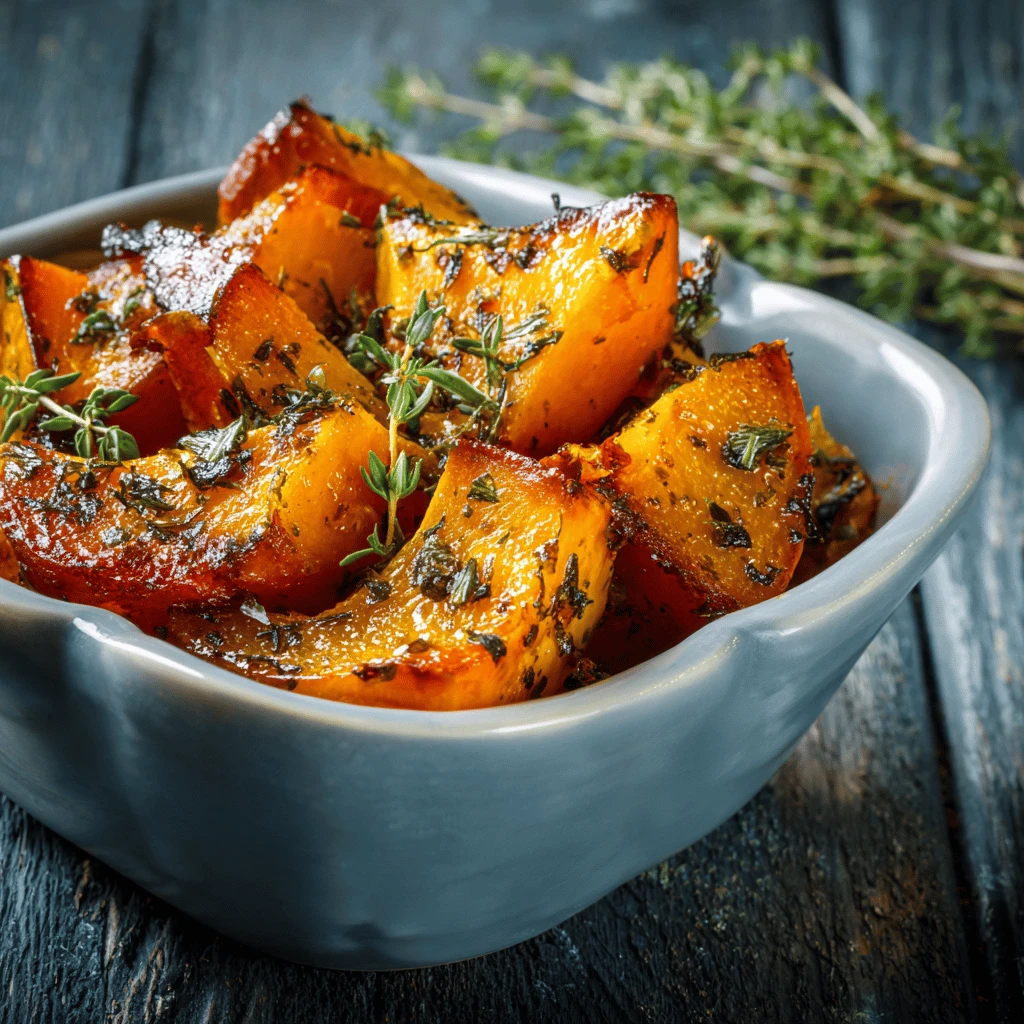
Variations and Additions
- Maple Syrup or Honey: Drizzle with a tablespoon or two of maple syrup or honey during the last 5-10 minutes of roasting for a touch of sweetness.
- Balsamic Glaze: A drizzle of balsamic glaze after roasting adds a tangy and sophisticated flavor.
- Sage: Substitute sage for thyme or use a combination of both for a different aromatic profile.
- Rosemary: Rosemary also pairs well with butternut squash, offering a woodsy and earthy flavor.
- Brown Butter: Toss the roasted squash with brown butter for a nutty and rich flavor.
- Pecans or Walnuts: Add toasted pecans or walnuts for a crunchy texture and nutty flavor.
- Cranberries: Dried cranberries add a pop of tartness and color.
- Feta Cheese: Crumbled feta cheese adds a salty and creamy contrast to the sweet squash.
- Goat Cheese: Similar to feta, goat cheese offers a tangy and creamy flavor.
- Chili Flakes: A pinch of red chili flakes adds a subtle warmth and complexity.
Serving Suggestions
- Alongside Turkey: Serve as a side dish alongside your Thanksgiving turkey and other classic sides.
- Mixed with Grains: Toss with cooked quinoa, farro, or rice for a hearty and flavorful grain bowl.
- In a Salad: Add to a fall salad with mixed greens, cranberries, pecans, and a vinaigrette dressing.
- As a Soup Topping: Use as a garnish for butternut squash soup or other creamy soups.
- Pureed: Blend the roasted squash with broth and cream for a silky smooth puree.
Frequently Asked Questions (FAQs)
Q: Can I roast butternut squash with the skin on?
A: Yes, you can roast butternut squash with the skin on. Wash the squash thoroughly before roasting. The skin will become tender and edible when roasted. Some people prefer the taste and texture of the skin, while others find it too tough.
Q: How do I store leftover roasted butternut squash?
A: Store leftover roasted butternut squash in an airtight container in the refrigerator for up to 3-4 days.
Q: Can I freeze roasted butternut squash?
A: Yes, you can freeze roasted butternut squash. Let it cool completely before transferring it to a freezer-safe bag or container. It can be stored in the freezer for up to 2-3 months.
Q: How do I reheat roasted butternut squash?
A: You can reheat roasted butternut squash in the oven, microwave, or on the stovetop. To reheat in the oven, spread the squash on a baking sheet and bake at 350°F (175°C) until heated through. To reheat in the microwave, microwave in short intervals until heated through. To reheat on the stovetop, sauté in a pan with a little olive oil or butter until heated through.
Q: Can I use dried thyme instead of fresh thyme?
A: Yes, you can use dried thyme instead of fresh thyme. Use about 1 teaspoon of dried thyme for every 2-3 sprigs of fresh thyme.
Q: How do I roast butternut squash seeds?
A: To roast butternut squash seeds, rinse them thoroughly to remove any pulp. Toss them with olive oil, salt, and pepper. Spread them in a single layer on a baking sheet and roast at 300°F (150°C) for 10-15 minutes, or until golden brown and crispy.
Q: What if my butternut squash is hard to cut?
A: If your butternut squash is difficult to cut, try microwaving it for a few minutes to soften the skin. This will make it easier to cut.