Slow Cooker BBQ Beef: Tender, Smoky Perfection Made Easy Slow cooker BBQ beef is the ultimate set-it-and-forget-it meal. Imagine coming home after a long day to the aroma of fall-apart tender beef, infused with smoky BBQ flavors. This recipe delivers just that, with minimal effort and maximum deliciousness. This article will guide you through creating…
Slow Cooker BBQ Beef: Tender, Smoky Perfection Made Easy
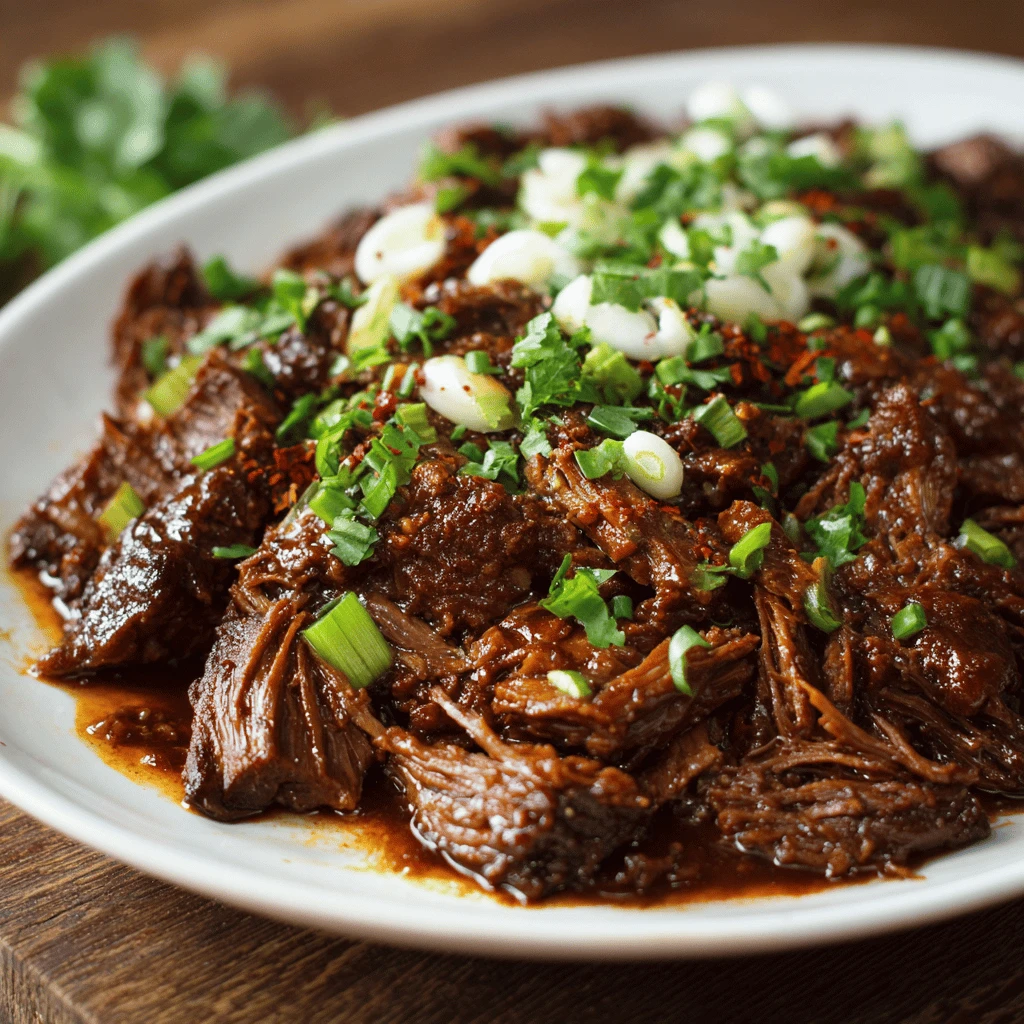
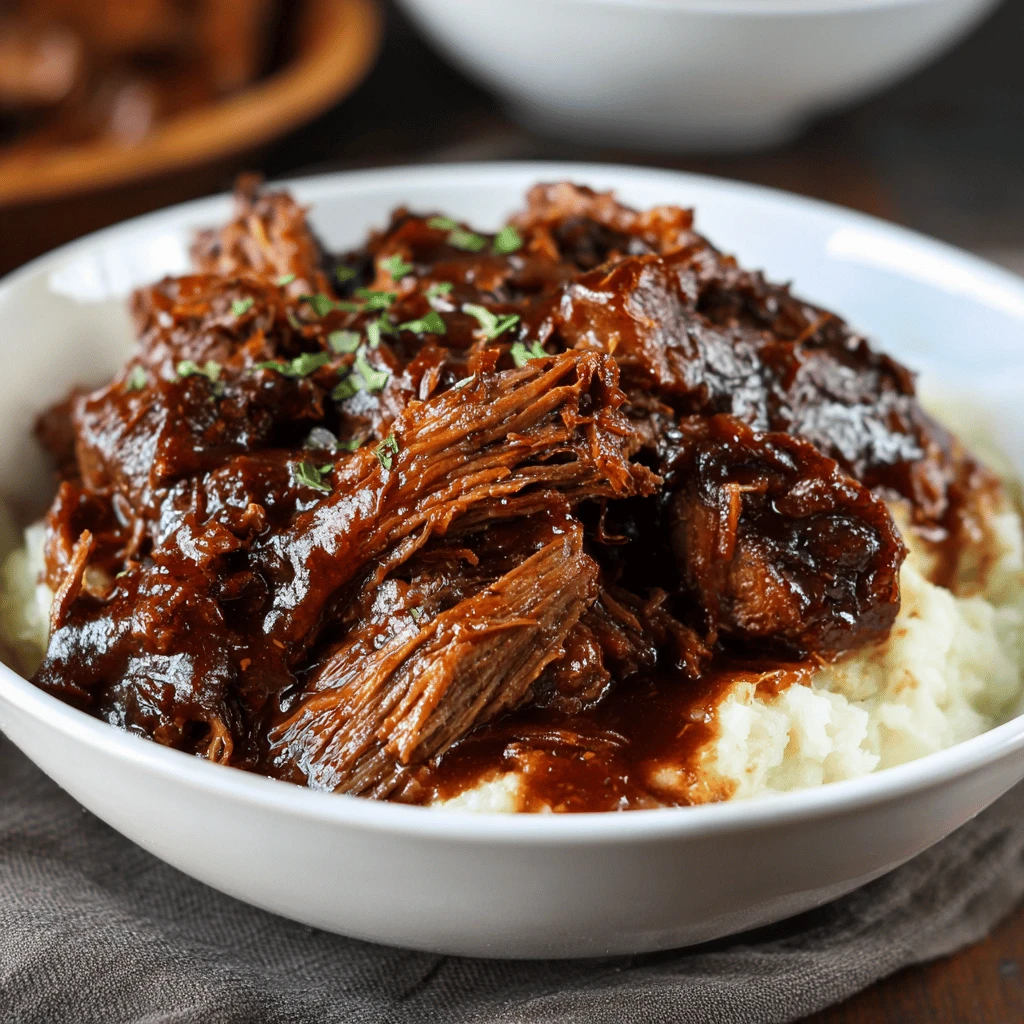
Slow cooker BBQ beef is the ultimate set-it-and-forget-it meal. Imagine coming home after a long day to the aroma of fall-apart tender beef, infused with smoky BBQ flavors. This recipe delivers just that, with minimal effort and maximum deliciousness. This article will guide you through creating the perfect slow cooker BBQ beef, from choosing the right cut of meat to customizing your sauce.
Choosing the Right Cut of Beef
The key to truly succulent slow cooker BBQ beef is selecting the appropriate cut. While various options exist, some perform significantly better than others in the low-and-slow environment.
Chuck Roast: The Champion of Slow Cooking
Chuck roast, also known as shoulder roast, is arguably the best choice. It’s a relatively inexpensive cut with abundant marbling of fat and connective tissue. This marbling renders during the slow cooking process, resulting in incredibly tender and flavorful beef. The connective tissue breaks down, creating that desirable pull-apart texture. Look for a well-marbled chuck roast for optimal results.
Brisket: A Close Second
Brisket, another popular choice for BBQ, also excels in the slow cooker. It’s a tougher cut that requires long, slow cooking to become tender. Like chuck roast, brisket is rich in connective tissue, which transforms into gelatin, adding richness and moisture. However, brisket can be more expensive than chuck roast and may require trimming before cooking.
Other Options
While chuck roast and brisket are top contenders, other cuts can work in a pinch. These include:
- Rump Roast: This leaner cut can be used, but it’s important to avoid overcooking it, as it can become dry. Consider adding more liquid to the slow cooker.
- Stew Meat: Pre-cut stew meat is convenient but can be less predictable in terms of tenderness. Ensure it has sufficient marbling.
Crafting the Perfect BBQ Sauce
The BBQ sauce is crucial for the final flavor profile of your slow cooker beef. You can use store-bought sauce or create your own homemade version.
Store-Bought Sauces: Convenience and Variety
Opting for store-bought sauce is the easiest route. Choose a sauce that complements your taste preferences. Experiment with different flavors, such as:
- Sweet: A classic choice, offering a balance of sweetness and tanginess.
- Smoky: Infused with smoky flavor, adding depth and complexity.
- Spicy: For those who enjoy a kick, spicy sauces provide heat.
- Vinegar-Based: Tangy and zesty, a great option for balancing the richness of the beef.
Homemade BBQ Sauce: Customization and Freshness
Creating your own BBQ sauce allows for complete control over the ingredients and flavors. Here’s a basic recipe to get you started:
Ingredients:
- 1 cup ketchup
- 1/2 cup apple cider vinegar
- 1/4 cup brown sugar
- 2 tablespoons Worcestershire sauce
- 1 tablespoon Dijon mustard
- 1 teaspoon smoked paprika
- 1/2 teaspoon garlic powder
- 1/4 teaspoon black pepper
- Pinch of cayenne pepper (optional, for heat)
Instructions:
1. Combine all ingredients in a saucepan.
2. Bring to a simmer over medium heat.
3. Reduce heat and simmer for 15-20 minutes, stirring occasionally, until the sauce has thickened slightly.
You can adjust the ingredients to suit your preferences. Add more brown sugar for sweetness, vinegar for tanginess, or spices for heat.
The Slow Cooking Process: A Step-by-Step Guide
Now that you’ve chosen your beef and sauce, it’s time to start slow cooking.
Searing the Beef (Optional but Recommended)
Searing the beef before placing it in the slow cooker is an optional but highly recommended step. Searing creates a flavorful crust on the outside of the beef, adding depth and richness to the final dish.
1. Pat the beef dry with paper towels.
2. Season generously with salt and pepper.
3. Heat a large skillet over medium-high heat with a tablespoon of oil.
4. Sear the beef on all sides until browned, about 2-3 minutes per side.
Assembling the Slow Cooker
1. Place chopped onions (optional) at the bottom of the slow cooker. This will prevent the beef from sticking and add flavor.
2. Place the seared beef on top of the onions.
3. Pour the BBQ sauce over the beef, ensuring it’s evenly coated.
4. Add beef broth or water to the slow cooker, if needed. The liquid should reach about halfway up the side of the beef. This helps keep the beef moist during cooking.
Slow Cooking Times and Temperatures
- Low Setting: Cook for 8-10 hours.
- High Setting: Cook for 4-6 hours.
The beef is done when it’s easily shredded with a fork. Cooking times may vary depending on your slow cooker and the size of the beef.
Shredding and Serving
Once the beef is cooked, remove it from the slow cooker and shred it with two forks. Return the shredded beef to the slow cooker and stir it into the sauce. Let it simmer for another 15-30 minutes to allow the flavors to meld together.
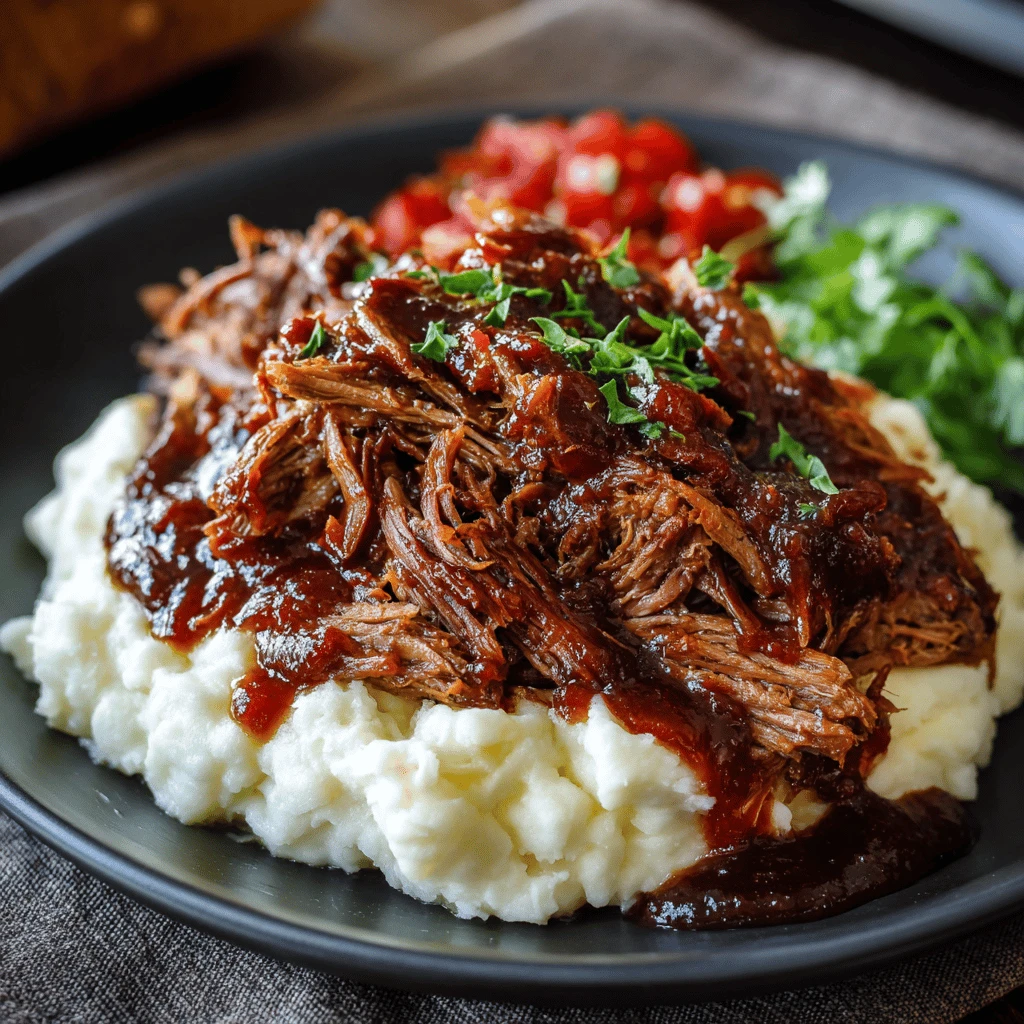
Serve the slow cooker BBQ beef on buns for sandwiches, over mashed potatoes, or with coleslaw.
Tips and Variations for Perfect Results
Enhancing Flavor
- Liquid Smoke: Add a teaspoon of liquid smoke to the slow cooker for a more intense smoky flavor.
- Worcestershire Sauce: A splash of Worcestershire sauce adds depth and umami.
- Garlic and Onion Powder: These pantry staples enhance the overall flavor.
- Chili Powder: Add chili powder for a subtle kick.
Avoiding Dry Beef
- Don’t Overcook: Overcooked beef can become dry and stringy. Check for doneness periodically.
- Add Liquid: Ensure there’s enough liquid in the slow cooker to keep the beef moist.
- Choose a Fatty Cut: Cuts like chuck roast and brisket have enough fat to keep them moist during slow cooking.
Serving Suggestions
- Sandwiches: Serve on toasted buns with coleslaw, pickles, and your favorite toppings.
- Baked Potatoes: Top baked potatoes with shredded BBQ beef, cheese, and sour cream.
- Nachos: Create BBQ beef nachos with tortilla chips, cheese, jalapenos, and your favorite toppings.
- Salads: Add shredded BBQ beef to salads for a protein-packed meal.
Slow Cooker BBQ Beef Rub
Create your own special rub:
- 1/4 cup brown sugar
- 2 tablespoons smoked paprika
- 1 tablespoon garlic powder
- 1 tablespoon onion powder
- 1 tablespoon chili powder
- 1 teaspoon cumin
- 1 teaspoon black pepper
- 1 teaspoon salt
- 1/2 teaspoon cayenne pepper (optional)
Combine all ingredients and rub generously on the beef before searing.
Frequently Asked Questions (FAQ)
Q: Can I use frozen beef in the slow cooker?
A: It’s generally not recommended to cook frozen beef in a slow cooker for safety reasons. The beef may not reach a safe internal temperature quickly enough, increasing the risk of bacterial growth. Thaw the beef completely in the refrigerator before cooking.
Q: How do I prevent my BBQ beef from drying out?
A: Choose a cut of beef with good marbling, such as chuck roast or brisket. Ensure there’s enough liquid in the slow cooker, and avoid overcooking the beef. Searing the beef before slow cooking can also help retain moisture.
Q: Can I make this recipe in an Instant Pot?
A: Yes, you can adapt this recipe for an Instant Pot. Sear the beef using the sauté function. Then, add the BBQ sauce and beef broth. Cook on high pressure for 45-60 minutes, followed by a natural pressure release for 15 minutes.
Q: Can I add vegetables to the slow cooker?
A: Yes, you can add vegetables such as onions, bell peppers, and carrots to the slow cooker. Add them along with the beef and sauce. Keep in mind that vegetables may become very soft during the long cooking time.
Q: How long does slow cooker BBQ beef last?
A: Cooked BBQ beef can be stored in the refrigerator for 3-4 days. Ensure it’s properly stored in an airtight container.