Slow Cooker Beef Stew: The Ultimate Guide to Effortless Comfort Food Beef stew is a timeless classic, a culinary hug on a cold day. And when made in a slow cooker, it becomes incredibly simple to prepare, yielding tender beef and flavorful vegetables in a rich, comforting broth. This guide will walk you through everything…
Slow Cooker Beef Stew: The Ultimate Guide to Effortless Comfort Food
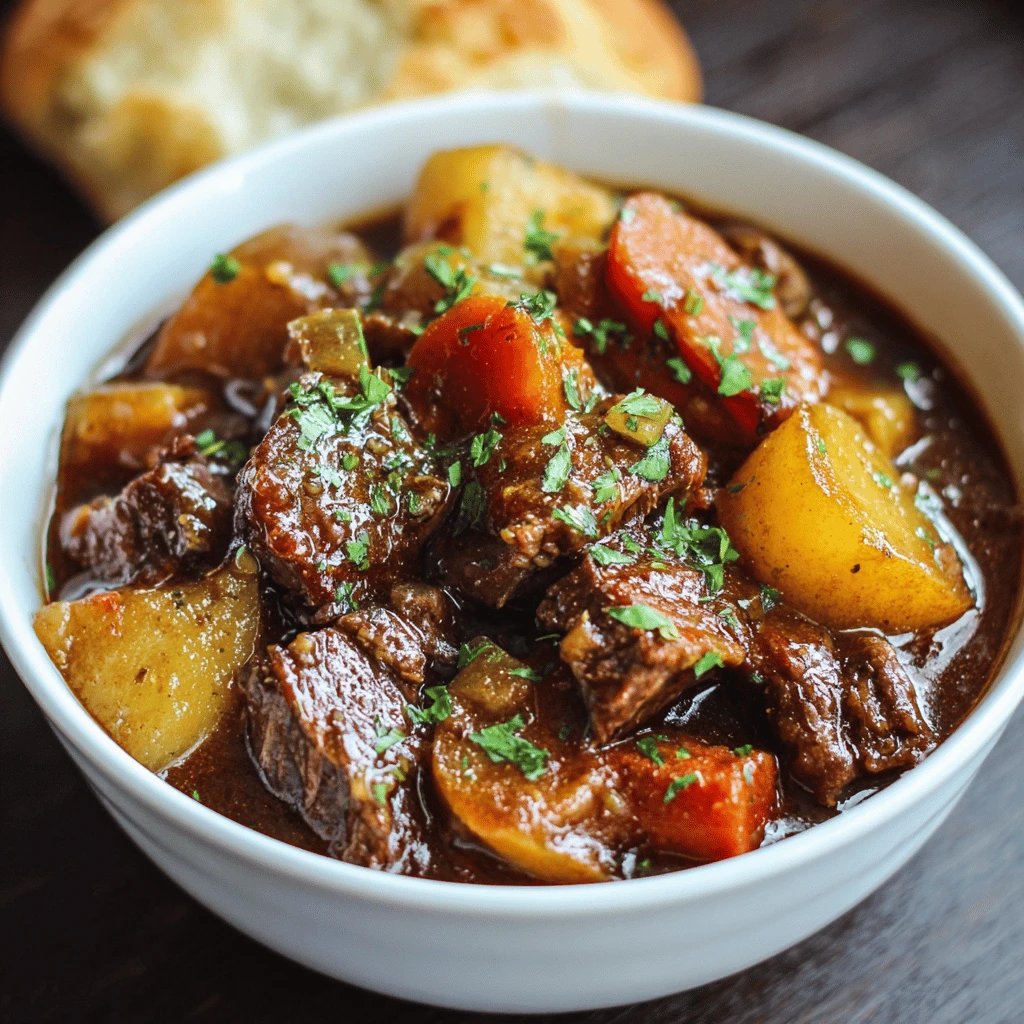
Beef stew is a timeless classic, a culinary hug on a cold day. And when made in a slow cooker, it becomes incredibly simple to prepare, yielding tender beef and flavorful vegetables in a rich, comforting broth. This guide will walk you through everything you need to know to make the perfect slow cooker beef stew, from choosing the right ingredients to troubleshooting common issues.
Choosing Your Ingredients
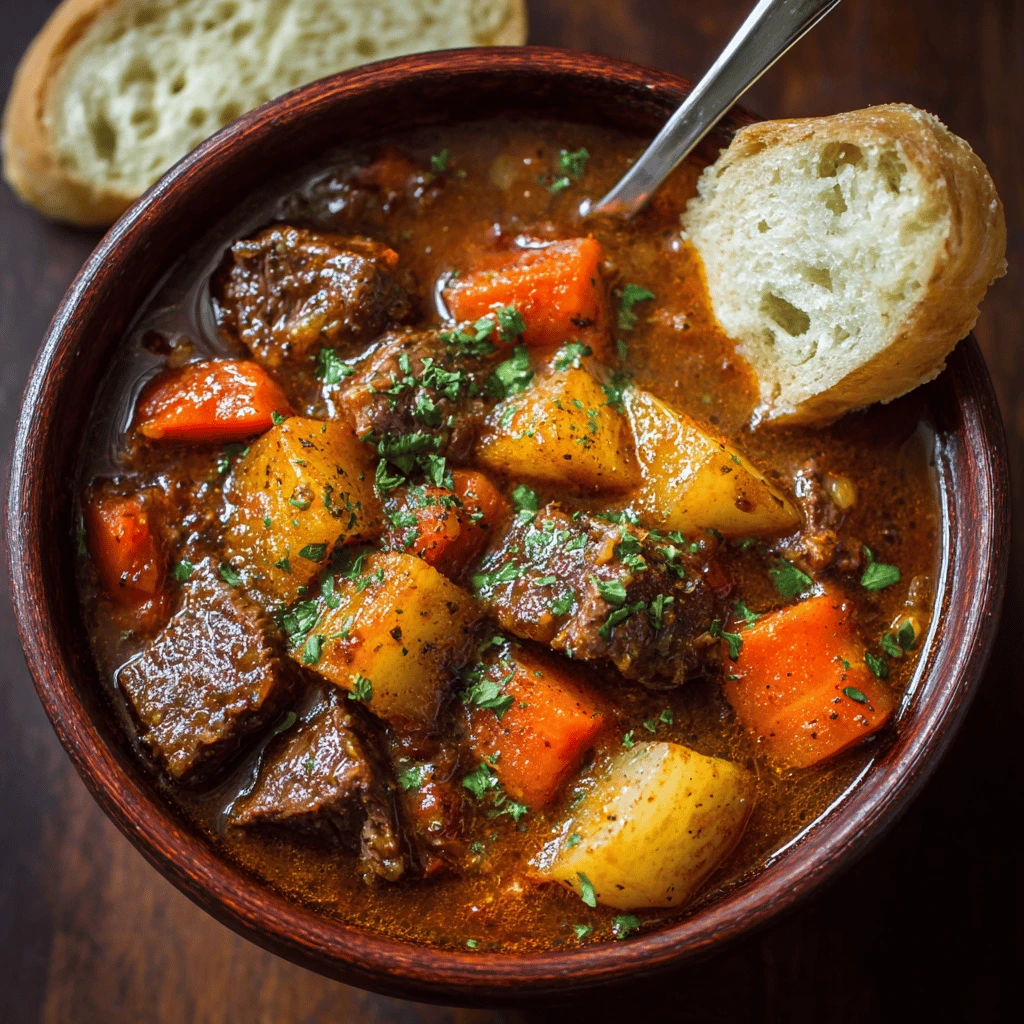
The key to a great stew lies in the quality of your ingredients. Opting for the best cuts of beef and fresh vegetables will significantly elevate the final result.
Selecting the Right Beef
While budget-friendly cuts are often recommended for slow cooking, the specific cut you choose will influence the stew’s texture and richness. Here are a few excellent options:
- Chuck Roast: This is the most common and arguably the best cut for beef stew. It has plenty of marbling, which renders down during slow cooking, creating a tender and flavorful result. Cut it into 1-2 inch cubes for optimal cooking.
- Stew Meat: Pre-cut stew meat can be convenient, but it’s often a mix of different, less desirable cuts. If you choose this option, inspect it carefully and trim away any excess fat or gristle.
- Beef Short Ribs (Boneless): For a richer, more decadent stew, consider boneless short ribs. Their high fat content will create an incredibly flavorful and melt-in-your-mouth texture.
- Bottom Round Roast: This is a leaner cut, so it requires a longer cooking time to become tender. It’s a good option if you prefer a less fatty stew.
The Vegetable Medley
The vegetables in beef stew not only provide essential nutrients but also contribute significantly to its flavor and texture.
- Potatoes: Russet potatoes hold their shape well during slow cooking and provide a hearty base for the stew. Yukon Gold potatoes offer a slightly creamier texture.
- Carrots: Use regular carrots or baby carrots, peeled and chopped into bite-sized pieces. They add sweetness and color to the stew.
- Onions: Yellow or white onions provide a savory base note. Dice them finely or coarsely, depending on your preference.
- Celery: Celery adds a subtle herbaceous flavor and a pleasant texture. Chop it into similar-sized pieces as the carrots and onions.
- Mushrooms (Optional): Cremini or button mushrooms add an earthy depth of flavor. Add them during the last hour of cooking to prevent them from becoming too soft.
- Peas (Optional): Frozen peas add a pop of sweetness and freshness. Stir them in during the last 30 minutes of cooking.
- Turnips/Parsnips (Optional): These root vegetables add a unique earthy flavor.
Broth and Seasonings
The broth forms the foundation of the stew’s flavor, while seasonings enhance and balance the taste.
- Beef Broth: Use a high-quality beef broth or stock for the best flavor. Low-sodium broth allows you to control the salt level.
- Red Wine (Optional): A dry red wine, such as Cabernet Sauvignon or Merlot, adds depth and complexity. Use about 1 cup.
- Tomato Paste: Adds richness and umami.
- Worcestershire Sauce: Provides a savory and tangy note.
- Bay Leaves: Infuse the stew with a subtle herbal flavor. Remove them before serving.
- Dried Thyme: A classic herb that complements beef.
- Salt and Pepper: Season to taste.
- Garlic: Minced garlic adds a pungent flavor. Add during the last hour of cooking to prevent it from becoming bitter.
Step-by-Step Slow Cooker Beef Stew Recipe
This recipe provides a basic framework. Feel free to adjust the ingredients and seasonings to your liking.
Ingredients:
- 2 pounds chuck roast, cut into 1-2 inch cubes
- 2 tablespoons all-purpose flour
- 2 tablespoons olive oil
- 1 large onion, chopped
- 2 carrots, peeled and chopped
- 2 celery stalks, chopped
- 4 cloves garlic, minced (optional, add in last hour)
- 1 teaspoon dried thyme
- 1 teaspoon salt
- 1/2 teaspoon black pepper
- 2 tablespoons tomato paste
- 1 cup dry red wine (optional)
- 4 cups beef broth
- 2 bay leaves
- 1.5 pounds potatoes, peeled and cubed
- 1 cup frozen peas (optional, add in last 30 minutes)
Instructions:
1. Prepare the Beef: Pat the beef cubes dry with paper towels. Toss them with flour, salt, and pepper in a large bowl.
2. Sear the Beef (Optional but Recommended): Heat olive oil in a large skillet over medium-high heat. Sear the beef in batches until browned on all sides. This step adds flavor and helps to thicken the stew. Transfer the beef to the slow cooker.
3. Sauté the Vegetables: In the same skillet, add the chopped onion, carrots, and celery. Sauté until softened, about 5-7 minutes. Add the garlic (if using, and not adding it to the slow cooker later) and cook for another minute until fragrant.
4. Deglaze the Pan (Optional): If you used red wine, pour it into the skillet and scrape up any browned bits from the bottom. Cook for a minute or two to allow the alcohol to evaporate.
5. Combine Ingredients in the Slow Cooker: Transfer the sautéed vegetables and any wine reduction to the slow cooker. Add the tomato paste, beef broth, thyme, and bay leaves. Stir to combine.
6. Cook on Low: Cover and cook on low for 7-8 hours, or on high for 3-4 hours.
7. Add Potatoes: Add the potatoes to the slow cooker during the last 2-3 hours of cooking time.
8. Add Peas (Optional): Add the frozen peas during the last 30 minutes of cooking time.
9. Adjust Seasoning: Taste and adjust the seasoning with salt and pepper as needed.
10. Thicken (Optional): If you prefer a thicker stew, you can mix 1 tablespoon of cornstarch with 2 tablespoons of cold water to create a slurry. Stir the slurry into the stew during the last 30 minutes of cooking.
11. Remove Bay Leaves: Remove the bay leaves before serving.
12. Serve: Serve hot, garnished with fresh parsley if desired.
Tips and Tricks for Slow Cooker Success
Mastering the slow cooker takes practice, but these tips will help you achieve consistent results.
Browning the Beef
Searing the beef before adding it to the slow cooker is an optional but highly recommended step. Browning creates a Maillard reaction, which enhances the flavor of the beef and adds depth to the stew.
Layering Flavors
Building flavor is key to a delicious stew. Sautéing the vegetables and deglazing the pan with red wine adds layers of complexity that elevate the final product.
Don’t Overfill the Slow Cooker
Avoid overfilling the slow cooker, as this can prevent the stew from cooking evenly. The ingredients should fill no more than two-thirds of the pot.
Adjusting the Liquid
The amount of liquid needed will vary depending on the slow cooker and the desired consistency of the stew. If the stew is too thick, add more broth. If it’s too thin, you can thicken it with a cornstarch slurry.
Avoid Lifting the Lid
Resist the urge to lift the lid of the slow cooker during cooking, as this releases heat and extends the cooking time.
Cooking Times and Temperatures
Slow cookers vary in temperature, so it’s important to adjust the cooking time accordingly. A good rule of thumb is 7-8 hours on low or 3-4 hours on high.
Adding Delicate Ingredients
Add delicate ingredients like peas and mushrooms towards the end of the cooking time to prevent them from becoming overcooked and mushy.
Troubleshooting Common Issues
Even with the best intentions, sometimes things don’t go as planned. Here’s how to address common slow cooker beef stew issues:
Tough Beef
If the beef is tough, it likely hasn’t cooked long enough. Extend the cooking time until the beef is fork-tender.
Watery Stew
A watery stew can be caused by too much liquid or by vegetables releasing excess moisture. To thicken the stew, use a cornstarch slurry or remove some of the liquid and simmer it on the stovetop until reduced.
Bland Flavor
A bland stew can be remedied by adding more seasoning. Taste and adjust the salt, pepper, and herbs as needed. A splash of Worcestershire sauce or a squeeze of lemon juice can also brighten the flavor.
Overcooked Vegetables
To prevent overcooked vegetables, add them during the last few hours of cooking time.
Burnt Bottom
A burnt bottom can occur if the slow cooker is set too high or if there isn’t enough liquid. Make sure to use enough liquid and adjust the cooking temperature as needed. Check to make sure the slow cooker is cooking evenly.
Variations and Serving Suggestions
Beef stew is a versatile dish that can be customized to suit your preferences.
Adding Different Vegetables
Experiment with different vegetables such as turnips, parsnips, sweet potatoes, or butternut squash.
Incorporating Different Meats
Try adding other meats such as lamb or sausage for a richer flavor.
Spicy Stew
Add a pinch of red pepper flakes or a diced jalapeño for a spicy kick.
Serving Suggestions
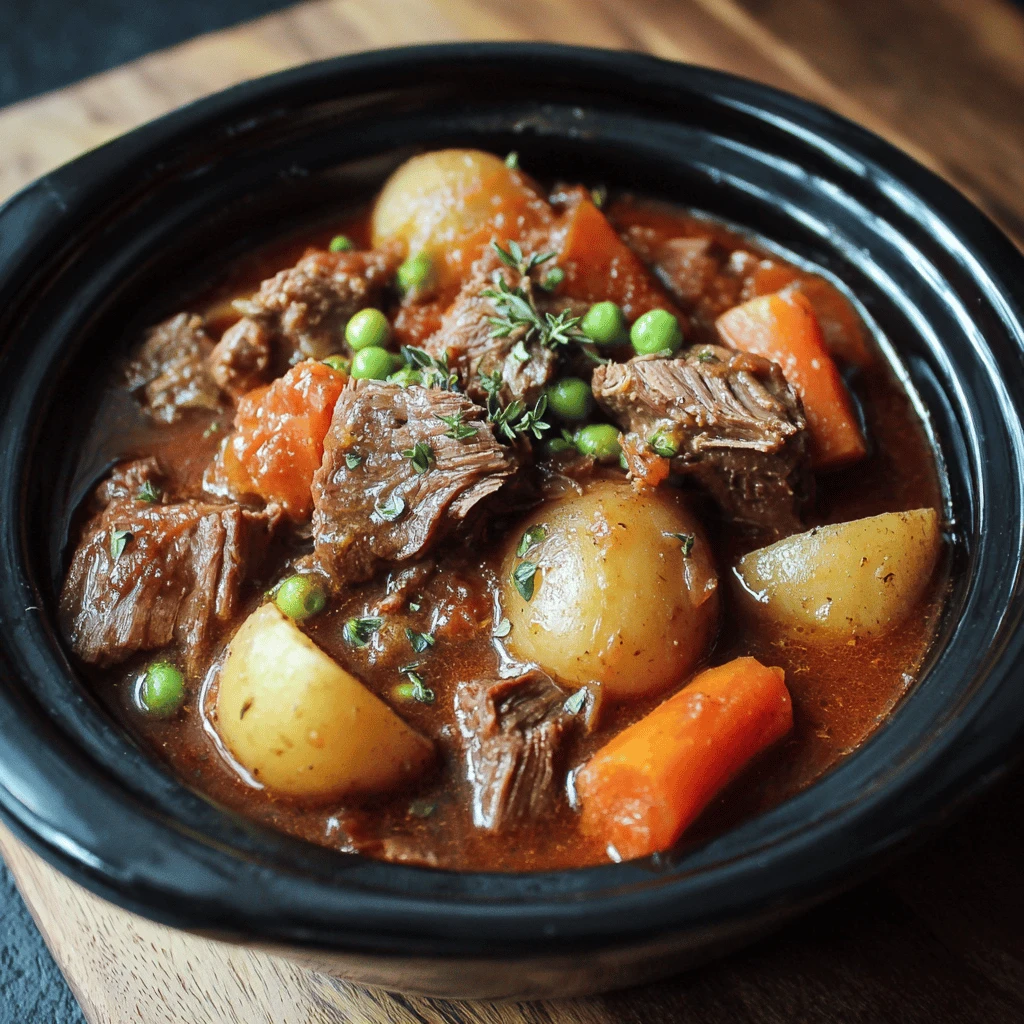
Serve beef stew with crusty bread for dipping, mashed potatoes, or a side salad. It’s also delicious served over rice or noodles.
Frequently Asked Questions (FAQ)
Here are some common questions about making slow cooker beef stew:
Q: Can I freeze slow cooker beef stew?
Yes, slow cooker beef stew freezes well. Let it cool completely, then transfer it to airtight containers or freezer bags. It can be stored in the freezer for up to 3 months.
Q: Can I make slow cooker beef stew without searing the beef?
Yes, you can skip the searing step, but it will affect the flavor. Searing adds depth and richness to the stew.
Q: Can I use frozen vegetables in slow cooker beef stew?
Yes, frozen vegetables can be used. Add them during the last hour of cooking to prevent them from becoming too soft.
Q: How do I thicken slow cooker beef stew?
You can thicken slow cooker beef stew with a cornstarch slurry (1 tablespoon cornstarch mixed with 2 tablespoons cold water). Stir the slurry into the stew during the last 30 minutes of cooking.
Q: Can I add potatoes at the beginning of cooking?
It’s not recommended to add potatoes at the very beginning, as they can become mushy. Add them during the last 2-3 hours of cooking time.
Q: What kind of potatoes are best for beef stew?
Russet potatoes hold their shape well during slow cooking and provide a hearty base for the stew. Yukon Gold potatoes offer a slightly creamier texture.