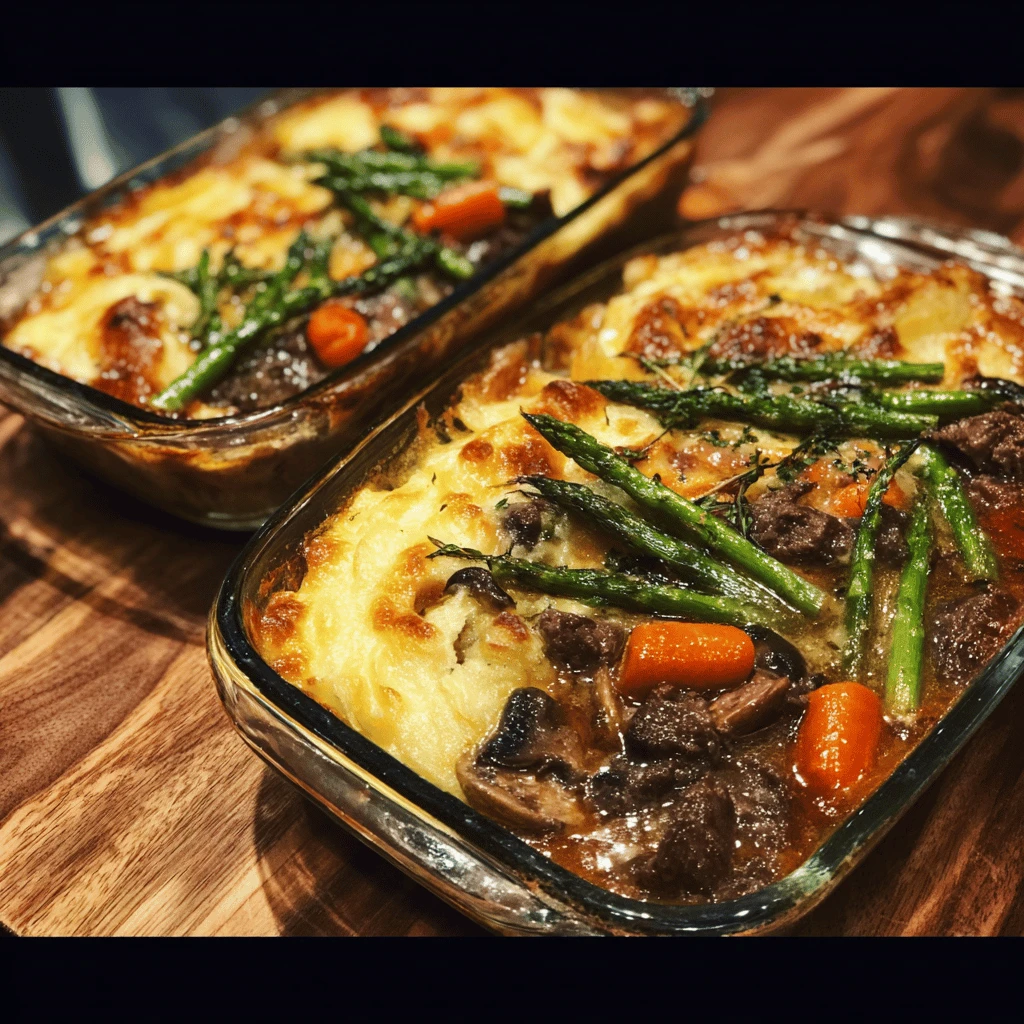
Beef and Vegetable Casserole: A Hearty and Healthy Delight Beef and vegetable casserole is a comforting, all-in-one meal perfect for busy weeknights or cozy weekend gatherings. Packed with protein, vitamins, and flavor, this dish is a crowd-pleaser that can be easily adapted to your family’s preferences and dietary needs. This guide will walk you through…
Beef and Vegetable Casserole: A Hearty and Healthy Delight
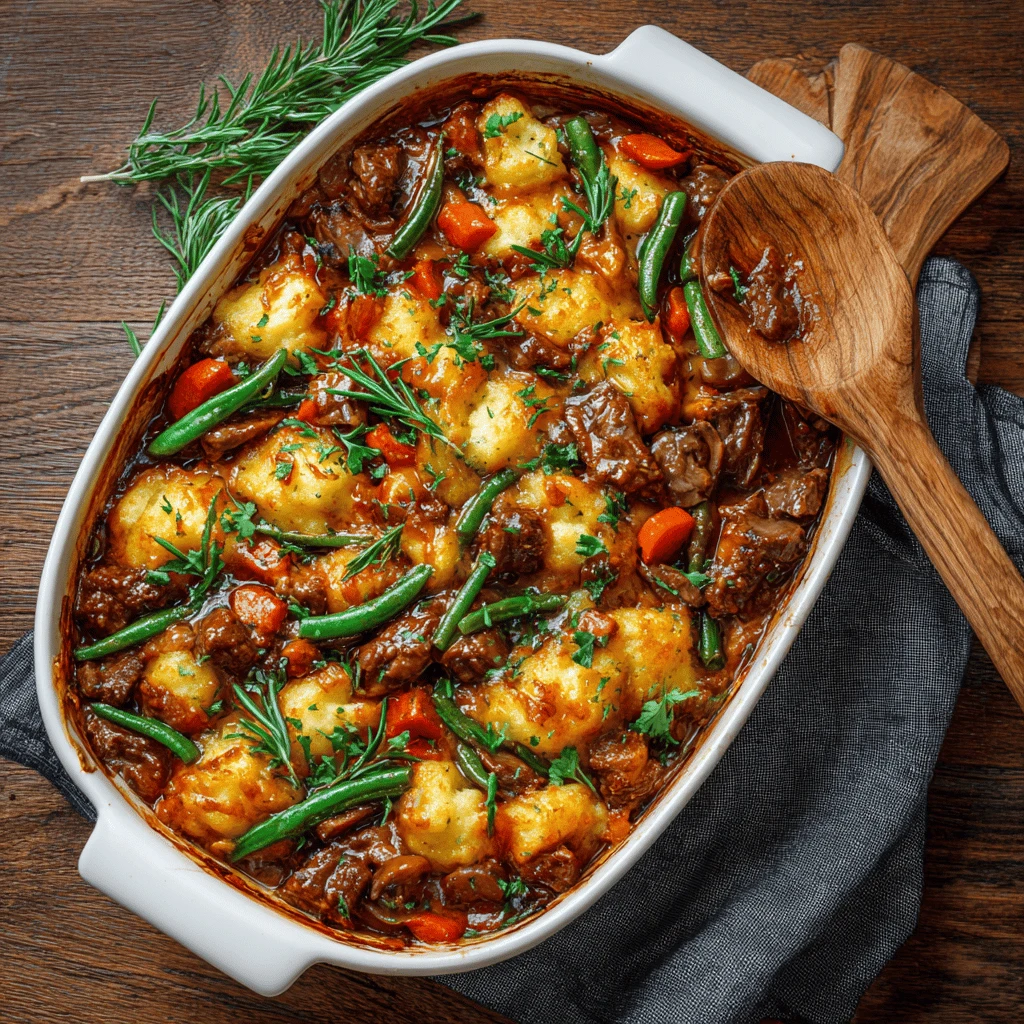
Beef and vegetable casserole is a comforting, all-in-one meal perfect for busy weeknights or cozy weekend gatherings. Packed with protein, vitamins, and flavor, this dish is a crowd-pleaser that can be easily adapted to your family’s preferences and dietary needs. This guide will walk you through creating the perfect beef and vegetable casserole, from selecting the right ingredients to mastering cooking techniques.
Choosing Your Ingredients for the Best Flavor
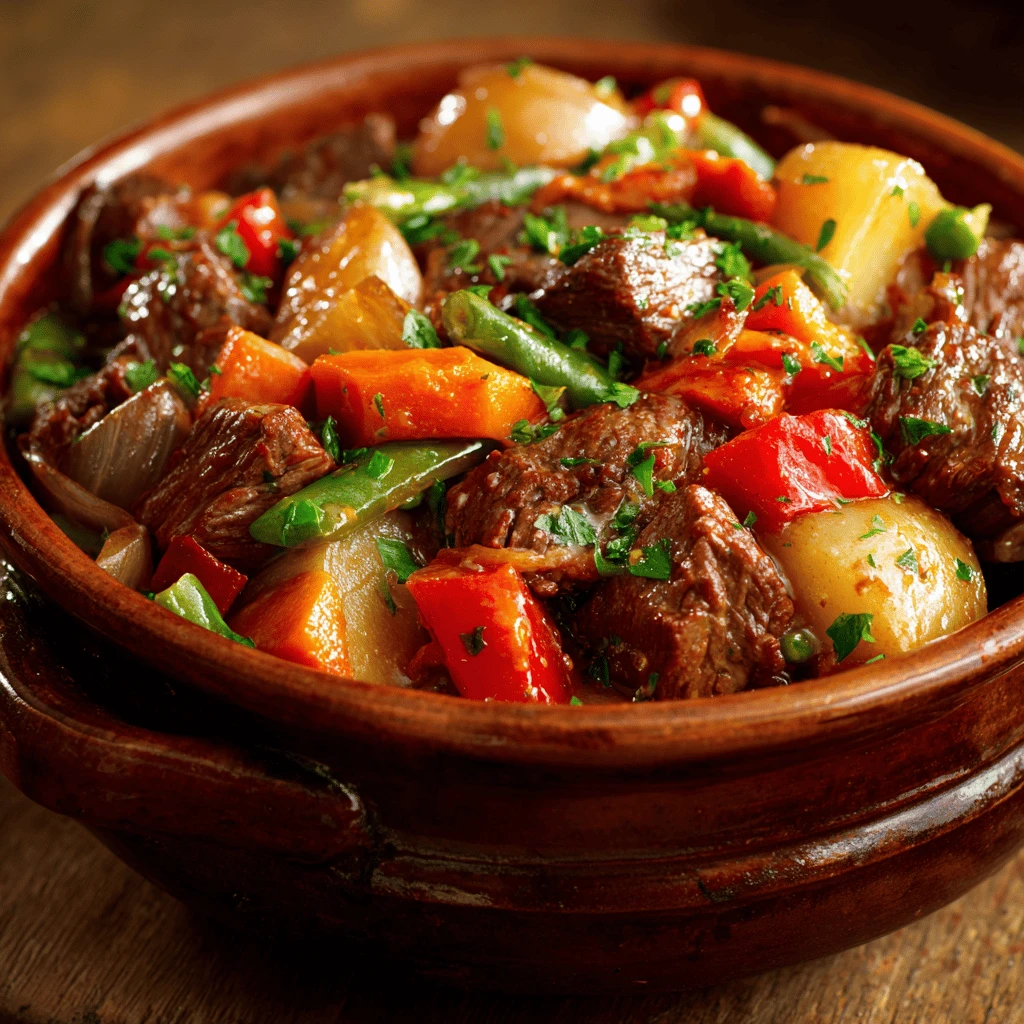
The foundation of any great casserole lies in the quality and combination of its ingredients. Let’s explore the key components of a beef and vegetable casserole.
Selecting the Beef
The cut of beef you choose significantly impacts the final texture and flavor. While you can use ground beef for a quick and easy option, using stew meat, chuck roast, or sirloin tip roast provides a richer, more tender result.
- Ground Beef: A versatile and budget-friendly choice. Opt for lean ground beef (at least 85% lean) to minimize excess grease. Brown the beef thoroughly and drain off any fat before adding it to the casserole.
- Stew Meat: Pre-cut stew meat is convenient, but can sometimes be tough. Look for pieces that are well-marbled and uniform in size. Braising the stew meat for a longer period ensures tenderness.
- Chuck Roast: This cut is ideal for slow cooking. Cut the chuck roast into 1-inch cubes and sear them before adding them to the casserole. The slow cooking process breaks down the connective tissue, resulting in incredibly tender beef.
- Sirloin Tip Roast: A leaner option than chuck roast. Cut into cubes and sear. Be careful not to overcook, as it can become dry.
Regardless of the cut, browning the beef before adding it to the casserole is crucial. Searing the meat creates a Maillard reaction, which enhances its flavor and adds depth to the dish. Season the beef generously with salt, pepper, and any other desired spices before browning.
The Vegetable Medley
The beauty of a vegetable casserole is its adaptability. You can use a variety of vegetables based on your preferences and what’s in season.
- Root Vegetables: Carrots, potatoes (russet, Yukon gold, or red), and parsnips add heartiness and sweetness. Chop them into uniform sizes to ensure even cooking.
- Alliums: Onions and garlic provide a savory base flavor. Sauté them until softened before adding other vegetables.
- Cruciferous Vegetables: Broccoli, cauliflower, and Brussels sprouts offer nutritional value and a slightly bitter counterpoint to the richness of the beef.
- Peas and Green Beans: These add a pop of color and freshness. Frozen peas and green beans work well and are convenient to use.
- Mushrooms: Cremini, button, or shiitake mushrooms contribute an earthy flavor and meaty texture. Sauté them separately before adding them to the casserole.
Consider the cooking times of different vegetables when assembling your casserole. Add vegetables that require longer cooking times (like potatoes and carrots) earlier in the process.
The Sauce: Binding it All Together
A flavorful sauce is essential for bringing all the elements of the casserole together. There are several options, ranging from simple to more complex.
- Beef Broth: A classic choice that adds depth and richness. Use low-sodium beef broth to control the salt content.
- Tomato Sauce or Paste: Adds acidity and sweetness. A small amount of tomato paste can deepen the flavor of the sauce.
- Worcestershire Sauce: Adds a savory umami flavor. A little goes a long way.
- Red Wine: Adds complexity and depth of flavor. Use a dry red wine, such as Cabernet Sauvignon or Merlot. Ensure the alcohol cooks off during the cooking process.
- Cream of Mushroom Soup: A convenient and creamy option for thickening the sauce. Use low-sodium or reduced-fat varieties to control the sodium and fat content.
Thicken the sauce if necessary, using a cornstarch slurry (cornstarch mixed with cold water) or a roux (flour cooked with butter). Add herbs and spices to enhance the flavor of the sauce. Consider bay leaves, thyme, rosemary, or dried oregano.
Preparing Your Beef and Vegetable Casserole
Now that you’ve gathered your ingredients, it’s time to assemble and cook your casserole.
Browning the Beef and Sautéing Vegetables
As mentioned earlier, browning the beef is essential for developing flavor. Heat a large skillet or Dutch oven over medium-high heat. Add oil or butter, and then add the seasoned beef in batches, being careful not to overcrowd the pan. Brown the beef on all sides, then remove it from the pan and set aside.
In the same pan, sauté the onions and garlic until softened. Add other vegetables that require longer cooking times, such as carrots and potatoes, and sauté until they begin to soften. Add the mushrooms and sauté until they release their moisture and brown slightly.
Assembling the Casserole
Combine the browned beef, sautéed vegetables, and sauce ingredients in a large casserole dish. Stir well to ensure that all the ingredients are evenly distributed. If using a topping, such as mashed potatoes or a crumble, prepare it separately.
Cooking the Casserole
Cover the casserole dish with a lid or aluminum foil. Bake in a preheated oven at 350°F (175°C) for 1.5 to 2 hours, or until the beef is tender and the vegetables are cooked through. Remove the lid or foil during the last 30 minutes of cooking to allow the top to brown. If using a topping, add it during the last 30 minutes of cooking.
Variations and Toppings
- Mashed Potato Topping: Prepare mashed potatoes as usual, using your favorite recipe. Spread the mashed potatoes evenly over the casserole and bake until golden brown. You can also pipe the mashed potatoes onto the casserole for a more decorative look.
- Crumble Topping: Combine flour, oats, butter, and cheese (such as cheddar or Parmesan) in a bowl. Crumble the mixture over the casserole and bake until golden brown.
- Biscuit Topping: Use store-bought or homemade biscuit dough. Cut the biscuits into desired shapes and arrange them over the casserole. Bake until the biscuits are golden brown.
- Cheese Topping: Sprinkle shredded cheese (such as cheddar, mozzarella, or Gruyère) over the casserole during the last 15 minutes of cooking.
- Add-ins: For extra flavor, consider adding ingredients such as bacon, sausage, or herbs like rosemary or thyme.
Tips for Success and Customization
Creating a truly exceptional beef and vegetable casserole involves more than just following a recipe; it’s about understanding the nuances of flavor and texture. Here are some tips to elevate your casserole:
Balancing Flavors and Textures
The ideal casserole presents a harmonious blend of flavors and textures. Consider these points:
- Umami Boost: Incorporating ingredients like Worcestershire sauce, soy sauce (use sparingly and adjust salt), or a touch of tomato paste can enhance the savory depth of the casserole.
- Acidity: A splash of red wine vinegar or lemon juice brightens the flavors and cuts through the richness of the beef.
- Spice: A pinch of red pepper flakes or a dash of hot sauce adds a subtle kick.
- Texture Contrast: The combination of tender beef, soft vegetables, and a crispy topping creates a satisfying mouthfeel.
Adjusting for Dietary Needs
Beef and vegetable casserole can be easily adapted to accommodate various dietary needs and preferences.
- Gluten-Free: Use gluten-free flour or cornstarch to thicken the sauce. Ensure that all other ingredients are gluten-free. A mashed cauliflower topping can be a great substitute.
- Dairy-Free: Substitute dairy-free milk and butter alternatives. Omit cheese or use a dairy-free cheese substitute.
- Low-Carb/Keto: Reduce the amount of starchy vegetables (like potatoes and carrots) and increase the amount of non-starchy vegetables (like broccoli and cauliflower). A cheese topping or a crust made from almond flour can be a great addition.
- Vegetarian: While this article focuses on beef, you can substitute the beef with lentils, beans, or plant-based protein alternatives to create a vegetarian version.
Make-Ahead and Storage Instructions
Beef and vegetable casserole is a great make-ahead dish.
- Assembly: Assemble the casserole up to 24 hours in advance and store it in the refrigerator. Add the topping just before baking.
- Freezing: Fully cooked and cooled casserole can be frozen for up to 3 months. Thaw in the refrigerator overnight before reheating.
- Reheating: Reheat in a preheated oven at 350°F (175°C) until heated through. You can also reheat individual portions in the microwave.
Serving Suggestions and Accompaniments
Beef and vegetable casserole is a complete meal on its own, but it can be enhanced with simple side dishes.
- Crusty Bread: Perfect for soaking up the flavorful sauce.
- Green Salad: Provides a refreshing contrast to the richness of the casserole.
- Steamed Vegetables: Adds extra nutrients and fiber.
- Coleslaw: Offers a tangy and crunchy element.
Consider garnishing the casserole with fresh herbs, such as parsley or chives, before serving. A dollop of sour cream or plain yogurt can also add a touch of creaminess.
Frequently Asked Questions
- What is the best cut of beef for casserole? While ground beef is convenient, stew meat or chuck roast offers a richer flavor and more tender result when slow-cooked.
- Can I use frozen vegetables in beef casserole? Yes, frozen vegetables are a great time-saver. Add them directly to the casserole without thawing.
- How do I prevent my casserole from being watery? Ensure you drain excess fat from the browned beef and sauté vegetables to release excess moisture before baking. Thickening the sauce with a cornstarch slurry can also help.
- How long does beef casserole last in the fridge? Properly stored, beef casserole will last for 3-4 days in the refrigerator.
- Can I make this in a slow cooker? Yes, you can adapt this recipe for a slow cooker. Brown the beef and sauté the vegetables as instructed, then transfer everything to the slow cooker. Cook on low for 6-8 hours or on high for 3-4 hours, or until the beef is tender.
- What can I add to beef casserole for more flavor? Worcestershire sauce, herbs like thyme and rosemary, a touch of red wine, and even a dash of hot sauce can enhance the flavor of your casserole.
- How do I thicken beef casserole? Use a cornstarch slurry (cornstarch mixed with cold water) or a roux (flour cooked with butter) to thicken the sauce.
- What can I substitute for red wine in beef casserole? Beef broth with a splash of red wine vinegar can be used as a substitute for red wine.