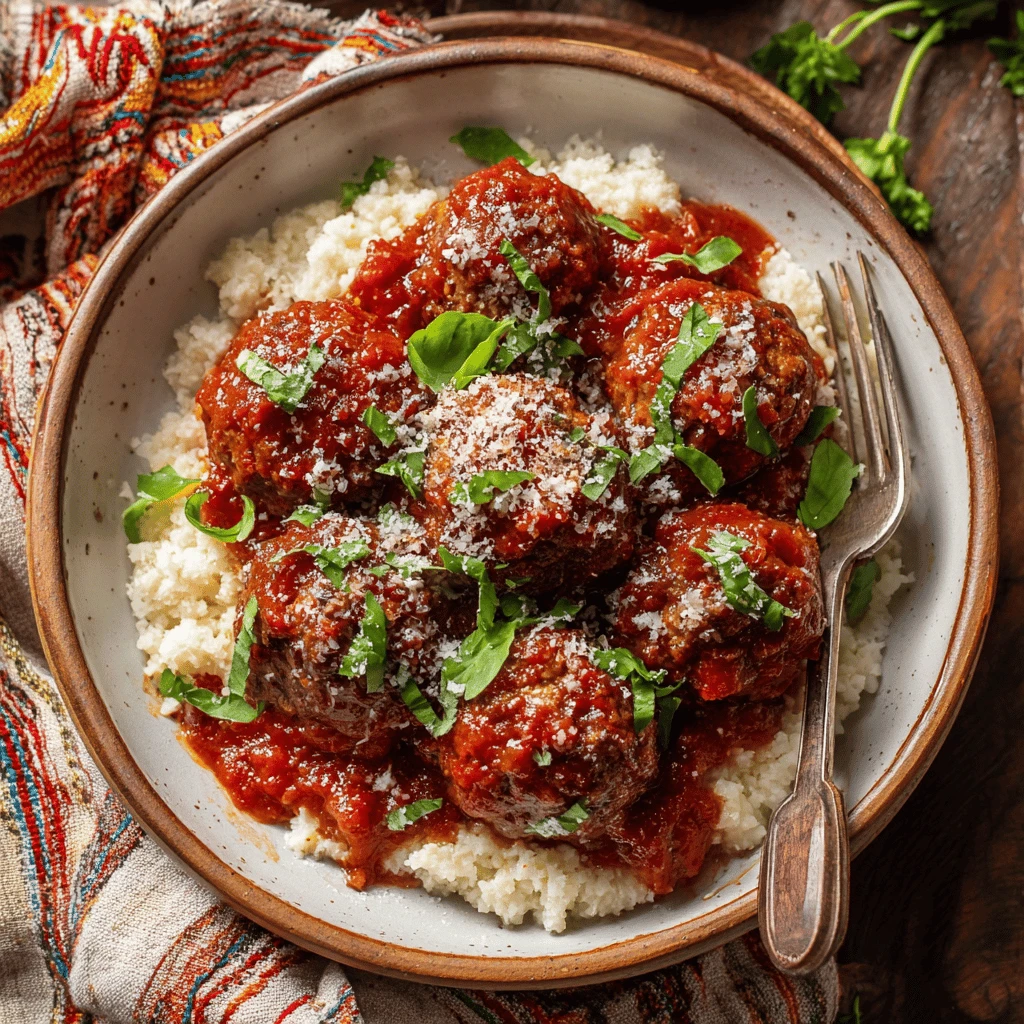
Slow Cooker Italian Meatballs Slow cooker Italian meatballs are a classic comfort food, perfect for busy weeknights or weekend gatherings. This recipe delivers tender, flavorful meatballs simmered in a rich tomato sauce, all with minimal effort. Let’s explore how to create this culinary delight using your slow cooker. The Secret to Perfect Slow Cooker Meatballs…
Slow Cooker Italian Meatballs
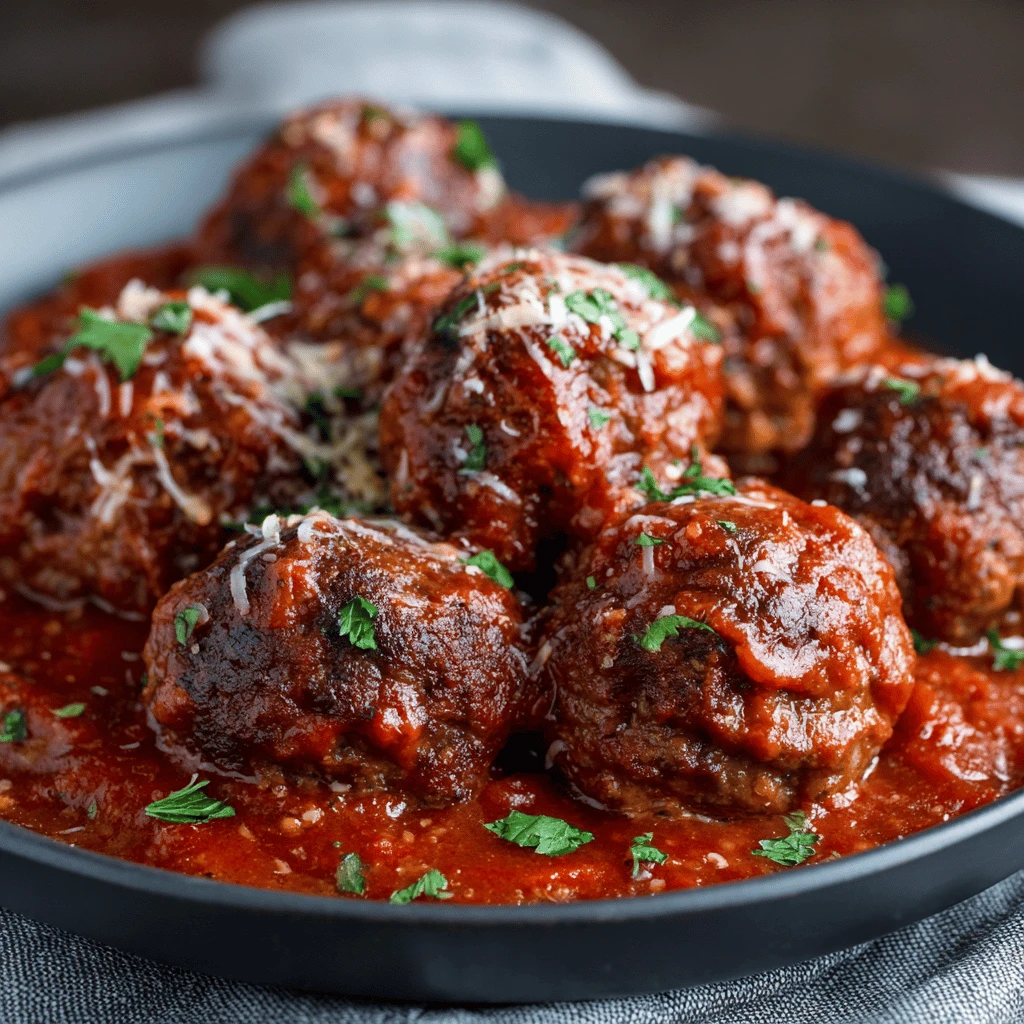
Slow cooker Italian meatballs are a classic comfort food, perfect for busy weeknights or weekend gatherings. This recipe delivers tender, flavorful meatballs simmered in a rich tomato sauce, all with minimal effort. Let’s explore how to create this culinary delight using your slow cooker.
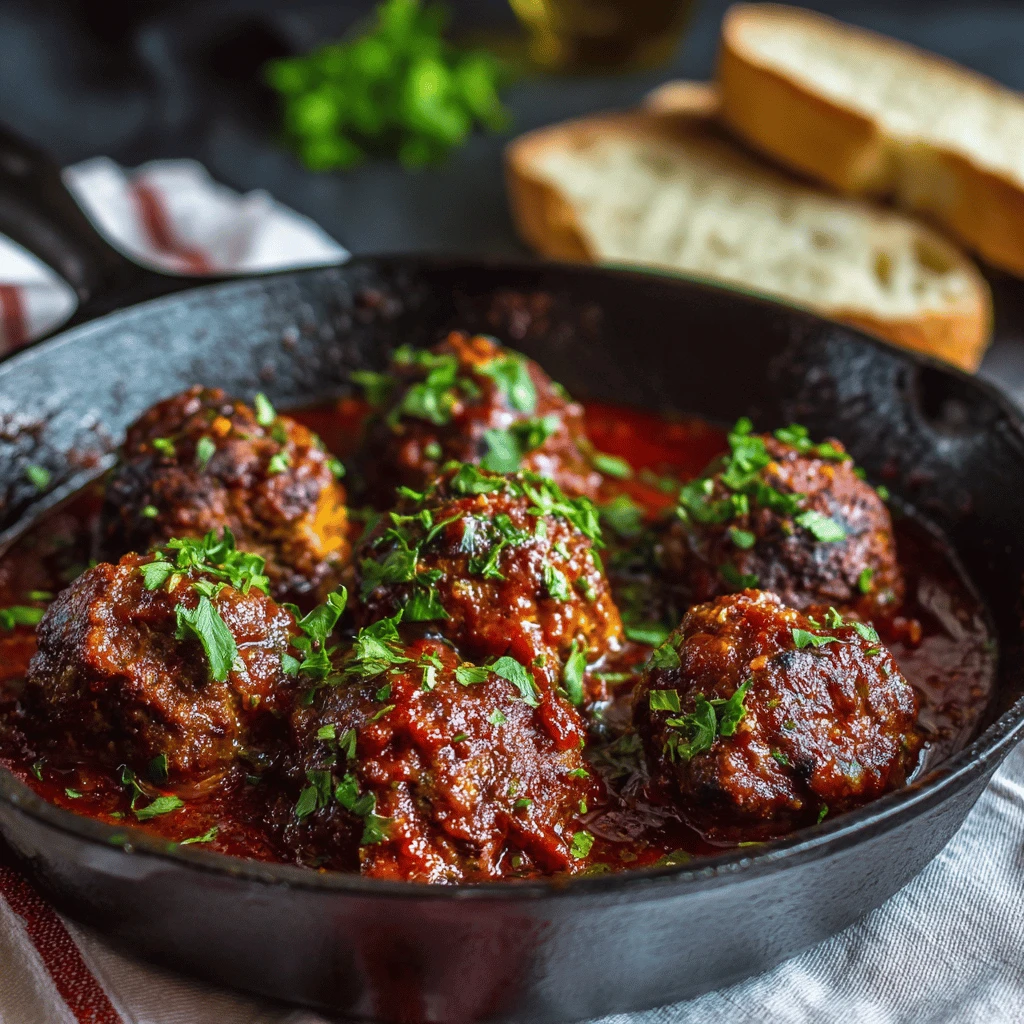
The Secret to Perfect Slow Cooker Meatballs
The key to exceptional slow cooker meatballs lies in a few crucial factors: the quality of your ingredients, the proper cooking technique, and the right sauce. Let’s break down each element for a foolproof recipe.
Choosing the Best Ground Meat
The foundation of any great meatball is, of course, the meat. A blend of ground beef and ground pork is often recommended for a balance of flavor and texture. The beef provides richness, while the pork adds moisture and tenderness. You can also add ground veal for an even more complex flavor profile, but this is optional. Aim for an 80/20 blend (meat to fat) for optimal results. Leaner ground meat can result in dry meatballs.
Consider using high-quality, fresh ground meat from a reputable butcher or grocery store. Pre-packaged ground meat can sometimes be older and less flavorful.
Binders and Seasonings for Flavor and Texture
Beyond the meat, several other ingredients contribute to the perfect meatball texture and flavor. Breadcrumbs act as a binder, helping to hold the meatballs together and preventing them from becoming dense. Use plain breadcrumbs or Italian seasoned breadcrumbs for an extra layer of flavor. Soak the breadcrumbs in milk or broth before adding them to the meat mixture to ensure they are fully hydrated.
Eggs also play a crucial role in binding the ingredients together. They add moisture and help the meatballs retain their shape during cooking.
Seasonings are where you can really customize the flavor of your meatballs. Classic Italian seasonings include garlic, onion, parsley, oregano, basil, salt, and pepper. Fresh herbs are always preferable, but dried herbs can also be used. Don’t be afraid to experiment with other spices, such as red pepper flakes for a touch of heat or fennel seeds for a subtle anise flavor. Grated Parmesan cheese adds another layer of savory goodness.
Mastering the Meatball Mixing Process
The key to tender meatballs is to avoid overmixing the ingredients. Overmixing develops the gluten in the meat, resulting in tough, dense meatballs. Gently combine all the ingredients until just incorporated. Use your hands to mix the ingredients together, but avoid squeezing or compacting the meat.
After mixing, it’s a good idea to test the seasoning by cooking a small amount of the meat mixture in a skillet. This allows you to adjust the seasonings to your liking before forming all the meatballs.
Crafting the Perfect Italian Tomato Sauce
A delicious tomato sauce is essential for complementing the meatballs. You can use store-bought sauce as a shortcut, but homemade sauce is always the best option for flavor.
Building Flavor from Scratch
Start with a base of olive oil, sautéed garlic, and onions. Cook the garlic and onions until they are softened and fragrant. This step is crucial for building a flavorful base for the sauce.
Add crushed tomatoes, tomato sauce, and tomato paste to the pot. Tomato paste adds depth and richness to the sauce. Season the sauce with salt, pepper, sugar (to balance the acidity of the tomatoes), and Italian herbs.
For an even richer flavor, consider adding a Parmesan cheese rind to the sauce while it simmers. The rind will infuse the sauce with a nutty, cheesy flavor. Remember to remove the rind before serving.
Slow Cooker Sauce Adaptations
When using a slow cooker, it’s important to adjust the amount of liquid in the sauce. Slow cookers trap moisture, so you may need to reduce the amount of liquid to prevent the sauce from becoming too watery. You can also thicken the sauce at the end of the cooking time by removing the lid of the slow cooker and simmering it on high for 30-60 minutes.
Adding a splash of red wine to the sauce can also enhance the flavor. The alcohol will evaporate during cooking, leaving behind a rich, complex flavor.
Slow Cooker Cooking Techniques for Optimal Results
Now that we have our meatballs and sauce prepared, it’s time to combine them in the slow cooker.
Browning for Enhanced Flavor (Optional)
While not strictly necessary, browning the meatballs before adding them to the slow cooker can significantly enhance their flavor. This step creates a Maillard reaction, which adds depth and complexity to the meatballs.
To brown the meatballs, heat a tablespoon of olive oil in a large skillet over medium-high heat. Add the meatballs in batches and cook until browned on all sides. Be careful not to overcrowd the skillet, as this will lower the temperature and prevent the meatballs from browning properly.
Layering and Timing in the Slow Cooker
Pour a layer of sauce into the bottom of the slow cooker. Arrange the meatballs in a single layer on top of the sauce. Pour the remaining sauce over the meatballs, making sure they are fully submerged.
Cook the meatballs on low for 6-8 hours or on high for 3-4 hours. Cooking on low will result in more tender meatballs. The meatballs are done when they are cooked through and no longer pink in the center.
Serving Suggestions and Variations
Slow cooker Italian meatballs are incredibly versatile and can be served in a variety of ways.
- Classic Spaghetti and Meatballs: Serve the meatballs and sauce over cooked spaghetti. Garnish with grated Parmesan cheese and fresh parsley.
- Meatball Subs: Layer the meatballs and sauce in hoagie rolls. Top with mozzarella cheese and bake until the cheese is melted and bubbly.
- Appetizer Meatballs: Serve the meatballs as an appetizer with toothpicks.
- Meatball Pizza: Use the meatballs and sauce as a topping for homemade or store-bought pizza dough.
Variations on this recipe include adding vegetables to the sauce, such as bell peppers, onions, and mushrooms. You can also add a pinch of red pepper flakes for a spicy kick. For a vegetarian option, substitute the ground meat with plant-based ground meat alternatives.
Tips and Tricks for Slow Cooker Success
- Don’t overcrowd the slow cooker: Overcrowding can prevent the meatballs from cooking evenly.
- Don’t lift the lid too often: Lifting the lid releases heat and moisture, which can prolong the cooking time.
- Adjust the seasonings to your liking: Taste the sauce and meatballs throughout the cooking process and adjust the seasonings as needed.
- Use a meat thermometer to ensure the meatballs are cooked through: The internal temperature of the meatballs should reach 160°F (71°C).
- Freeze leftover meatballs: Leftover meatballs can be frozen for up to 3 months. Thaw them in the refrigerator overnight before reheating.
Frequently Asked Questions (FAQ)
- Can I use frozen meatballs in the slow cooker? While fresh is preferable, yes, you can use frozen meatballs. However, cooking times may need to be extended, and the texture might be slightly different. Ensure they reach an internal temperature of 160°F (71°C) before serving.
- Do I need to brown the meatballs before putting them in the slow cooker? Browning enhances flavor but isn’t mandatory. Skipping this step will still result in delicious meatballs, just with a slightly less complex flavor profile.
- How do I prevent the meatballs from drying out? Using a higher fat content ground meat mix (80/20) and ensuring they are fully submerged in sauce helps prevent dryness. Avoid overcooking them.
- Can I add vegetables to the sauce? Absolutely! Diced bell peppers, onions, mushrooms, and zucchini are great additions. Sauté them with the garlic and onions at the beginning for best results.
- How long can I keep leftover slow cooker meatballs? Leftover meatballs can be stored in the refrigerator for up to 3-4 days.