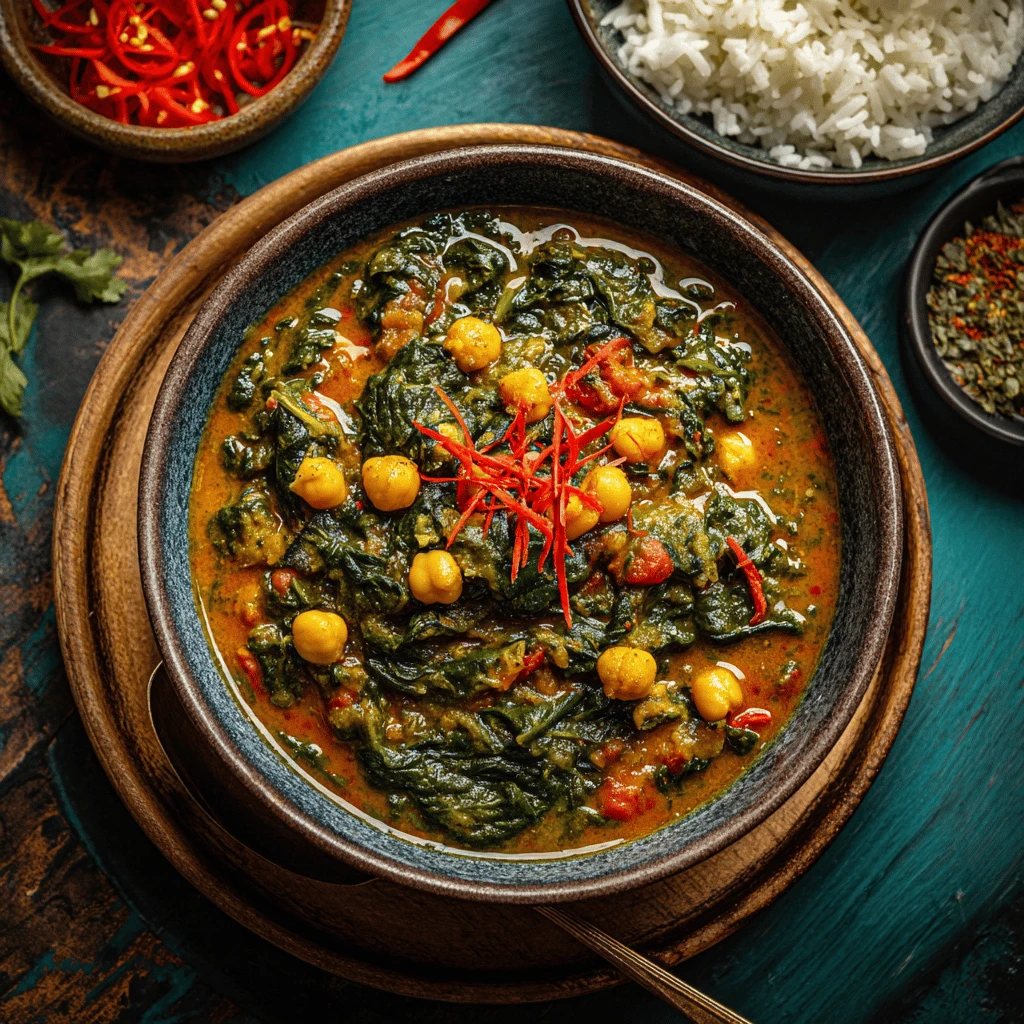
Spinach and Chickpea Curry: A Flavorful & Nutritious Delight Spinach and chickpea curry, often called Saag Chana, is a vibrant and satisfying dish that’s packed with flavor and nutrients. This vegetarian and often vegan-friendly meal is a staple in many households, offering a delicious way to enjoy the benefits of leafy greens and protein-rich chickpeas….
Spinach and Chickpea Curry: A Flavorful & Nutritious Delight
Spinach and chickpea curry, often called Saag Chana, is a vibrant and satisfying dish that’s packed with flavor and nutrients. This vegetarian and often vegan-friendly meal is a staple in many households, offering a delicious way to enjoy the benefits of leafy greens and protein-rich chickpeas. Whether you’re a seasoned cook or a beginner in the kitchen, this recipe is easy to adapt and perfect for a weeknight dinner.
Understanding Spinach and Chickpea Curry
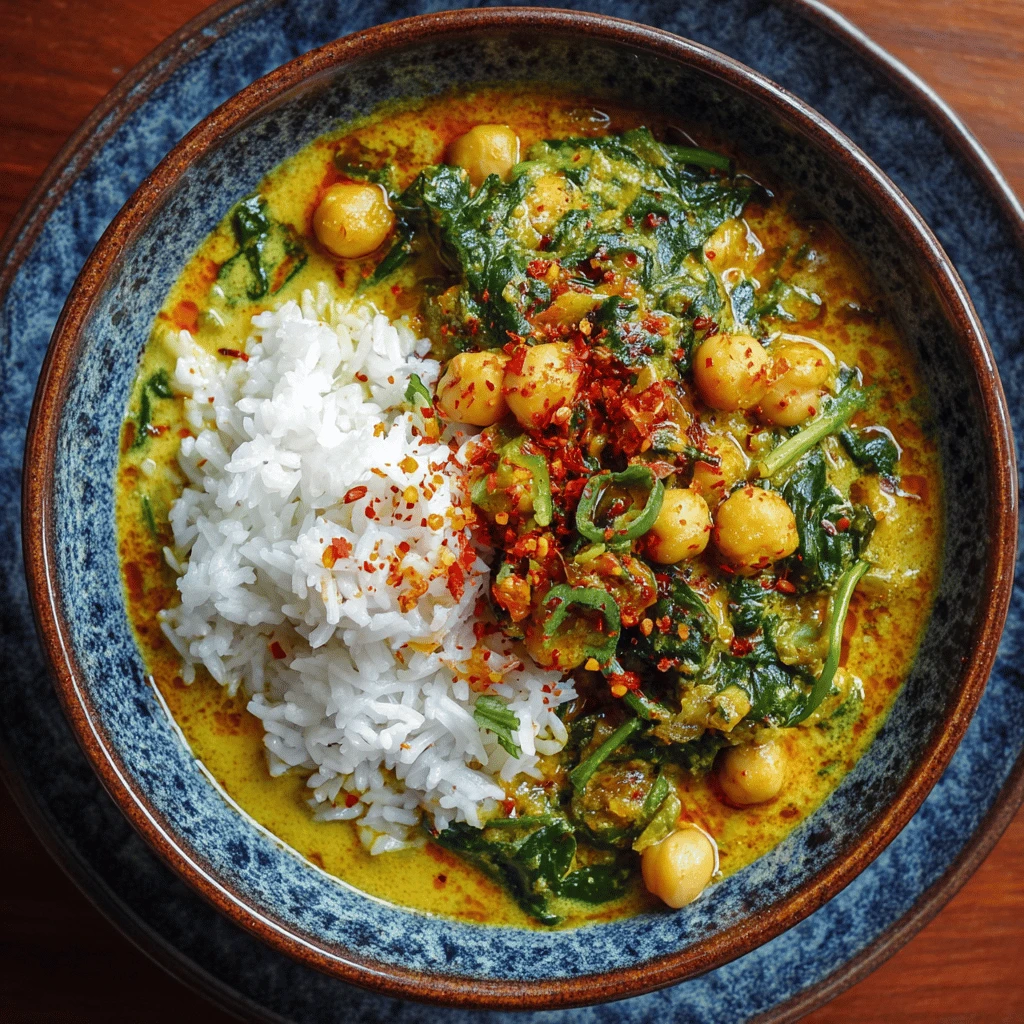
Spinach and chickpea curry is a comforting dish that originated in the Indian subcontinent. Its versatility allows for countless variations, incorporating different spices, vegetables, and cooking techniques. The base typically involves spinach (saag) and chickpeas (chana or garbanzo beans) cooked in a flavorful sauce.
The appeal lies in its simplicity and health benefits. Spinach is an excellent source of vitamins A, C, and K, as well as iron and antioxidants. Chickpeas are a great source of plant-based protein and fiber, making this curry a wholesome and filling meal. The spices used not only enhance the flavor but also contribute to the dish’s overall health profile. Turmeric, for example, is known for its anti-inflammatory properties.
This curry can be served with rice, naan bread, roti, or even quinoa, making it a versatile option for different dietary preferences. It can be adapted to be mild or spicy, depending on your preference, and is a great way to introduce new flavors to your palate.
Crafting the Perfect Spinach and Chickpea Curry: A Step-by-Step Guide
Creating a delicious spinach and chickpea curry starts with gathering high-quality ingredients and following a well-structured recipe. Here’s a breakdown of the steps involved:
Ingredient Selection & Preparation
The foundation of any great curry lies in its ingredients. Here’s what you’ll need:
- Spinach: Fresh spinach is ideal, but frozen spinach can be used in a pinch. If using frozen, be sure to thaw it and squeeze out any excess water.
- Chickpeas: Canned chickpeas are convenient, but dried chickpeas, soaked overnight and cooked until tender, offer a richer flavor.
- Aromatics: Onion, garlic, and ginger form the flavor base. Finely chop or grate these ingredients for the best results.
- Tomatoes: Diced tomatoes, either fresh or canned, add acidity and sweetness to the sauce.
- Spices: This is where you can customize the flavor profile. Common spices include turmeric, cumin, coriander, garam masala, chili powder (or cayenne pepper), and salt.
- Oil or Ghee: For sautéing the aromatics and spices. Ghee adds a richer flavor, but any cooking oil will work.
- Optional Ingredients: Lemon juice, coconut milk, cilantro, and yogurt (for serving) can enhance the flavor and presentation.
The Cooking Process
1. Sauté the Aromatics: Heat the oil or ghee in a large pot or Dutch oven over medium heat. Add the chopped onion and cook until softened and translucent, about 5-7 minutes. Add the garlic and ginger and cook for another minute until fragrant.
2. Bloom the Spices: Add the turmeric, cumin, coriander, and chili powder (if using) to the pot and cook for about 30 seconds, stirring constantly, until fragrant. Be careful not to burn the spices.
3. Add Tomatoes and Cook Down: Add the diced tomatoes to the pot and cook until they soften and break down, about 5-10 minutes. This creates a rich and flavorful base for the curry.
4. Incorporate Chickpeas and Spinach: Add the chickpeas and spinach to the pot. Stir well to combine. If using fresh spinach, it will wilt down as it cooks.
5. Simmer and Season: Add water or vegetable broth to the pot to reach your desired consistency. Bring the curry to a simmer, then reduce the heat and cook for at least 15-20 minutes, or longer for a richer flavor. Season with salt to taste.
6. Finishing Touches: Stir in the garam masala and lemon juice (if using) just before serving. Garnish with fresh cilantro and a dollop of yogurt (if using).
Tips for Success
- Don’t Overcook the Spinach: Overcooked spinach can become bitter. Add it towards the end of the cooking process and cook until just wilted.
- Adjust the Spices: Taste as you go and adjust the spices to your liking. If you prefer a milder curry, reduce the amount of chili powder.
- Use High-Quality Spices: Freshly ground spices will provide the best flavor.
- Simmer for Flavor: The longer you simmer the curry, the more the flavors will meld together.
- Adjust Consistency: If the curry is too thick, add more water or vegetable broth. If it’s too thin, simmer it for a few more minutes to reduce the liquid.
Variations and Customization
One of the best aspects of spinach and chickpea curry is its adaptability. You can easily customize the recipe to suit your taste preferences and dietary needs.
Spice Level
Adjusting the spice level is simple. Add more or less chili powder or cayenne pepper to control the heat. You can also add a chopped green chili for an extra kick. For a milder curry, omit the chili powder altogether.
Vegetable Additions
Feel free to add other vegetables to the curry. Popular choices include potatoes, cauliflower, peas, bell peppers, and eggplant. Add them along with the chickpeas and spinach, adjusting the cooking time as needed.
Creaminess
For a creamier curry, add a splash of coconut milk or heavy cream towards the end of the cooking process. Yogurt can also be stirred in for a tangy creaminess.
Protein Options
While chickpeas are the primary source of protein, you can add other protein sources such as tofu, paneer (Indian cheese), or lentils.
Regional Variations
Different regions of India have their own unique variations of spinach and chickpea curry. Some versions may include mustard greens, fenugreek leaves, or different spice blends. Experiment with different recipes to find your favorite.
Serving Suggestions and Accompaniments
Spinach and chickpea curry is a versatile dish that can be enjoyed in many ways.
Serving Suggestions
Serve the curry hot over a bed of fluffy basmati rice, quinoa, or couscous. You can also serve it with naan bread, roti, or paratha for dipping and scooping.
Accompaniments
Complement the curry with other Indian dishes such as raita (yogurt dip), mango chutney, or papadums (crispy lentil wafers). A simple salad with a lemon vinaigrette can also provide a refreshing contrast to the rich flavors of the curry.
Presentation
Garnish the curry with fresh cilantro, a dollop of yogurt, a drizzle of cream, or a sprinkle of red pepper flakes for a pop of color and flavor.
Health Benefits of Spinach and Chickpea Curry
Beyond its delicious taste, spinach and chickpea curry offers a wealth of health benefits.
Nutritional Powerhouse
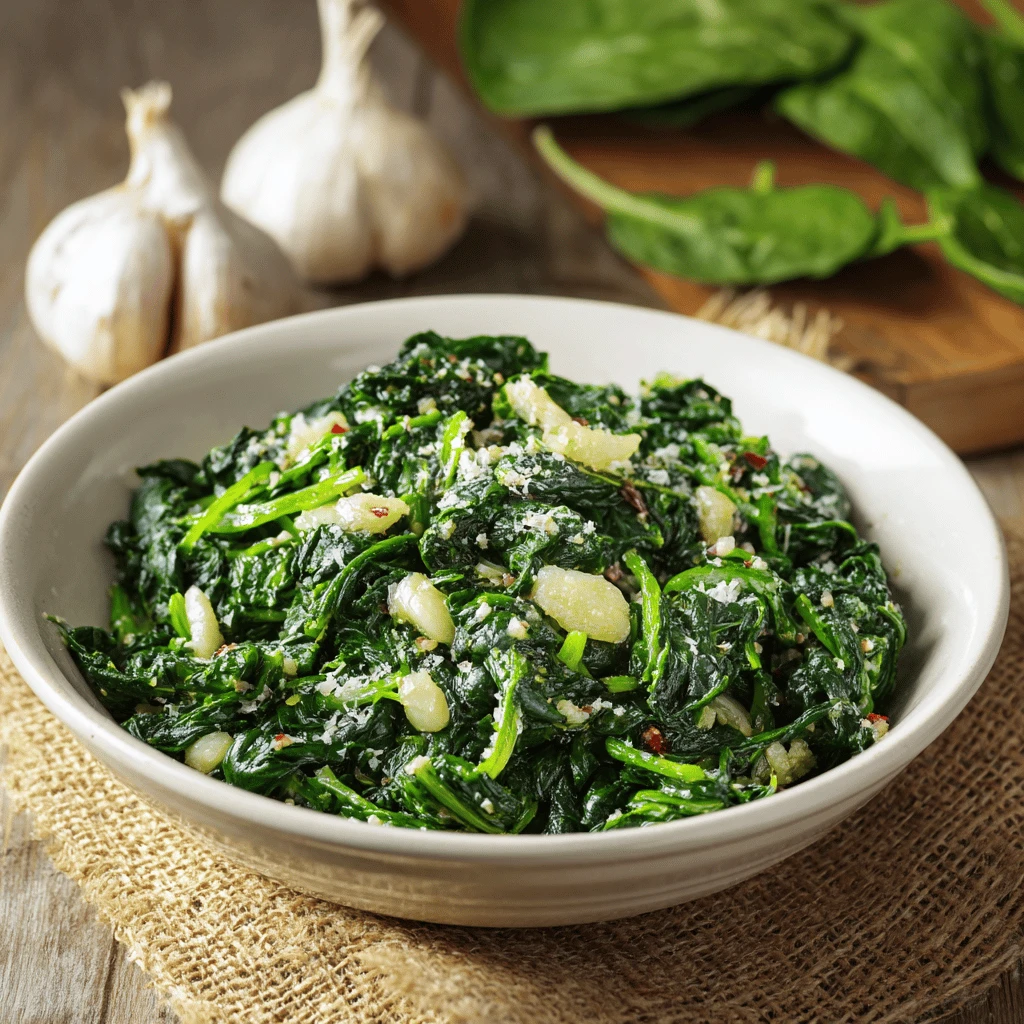
Spinach is packed with vitamins A, C, and K, as well as iron, folate, and antioxidants. Chickpeas are an excellent source of plant-based protein, fiber, and minerals like iron and magnesium. This combination makes for a nutritionally dense meal.
Benefits of Spinach
Spinach is known to improve vision, boost immunity, and protect against certain types of disease. Its high iron content can help prevent iron deficiency anemia.
Benefits of Chickpeas
Chickpeas are beneficial for digestive health, blood sugar control, and weight management. Their high fiber content promotes satiety and can help lower cholesterol levels.
Spice Benefits
The spices used in spinach and chickpea curry also contribute to its health benefits. Turmeric has anti-inflammatory and antioxidant properties, while cumin and coriander can aid digestion.
Overall Health
Spinach and chickpea curry is a healthy and satisfying meal that can be enjoyed by people of all ages. Its vegetarian and vegan-friendly nature makes it a great option for those following plant-based diets.
Frequently Asked Questions (FAQ)
Here are some common questions about spinach and chickpea curry:
Can I use frozen spinach?
Yes, frozen spinach is a convenient alternative to fresh spinach. Be sure to thaw it completely and squeeze out any excess water before adding it to the curry.
Can I make this curry ahead of time?
Absolutely! Spinach and chickpea curry tastes even better the next day, as the flavors have time to meld together. Store it in an airtight container in the refrigerator for up to 3 days.
How can I make this curry spicier?
Add more chili powder, cayenne pepper, or a chopped green chili to the curry. You can also add a pinch of red pepper flakes as a garnish.
Is this curry vegan?
Yes, this curry is naturally vegan as long as you use oil instead of ghee and omit the yogurt garnish.
Can I use dried chickpeas instead of canned?
Yes, dried chickpeas offer a richer flavor. Soak them overnight and cook them until tender before adding them to the curry.
What goes well with spinach and chickpea curry?
Spinach and chickpea curry pairs well with rice, naan bread, roti, and other Indian dishes such as raita and mango chutney.