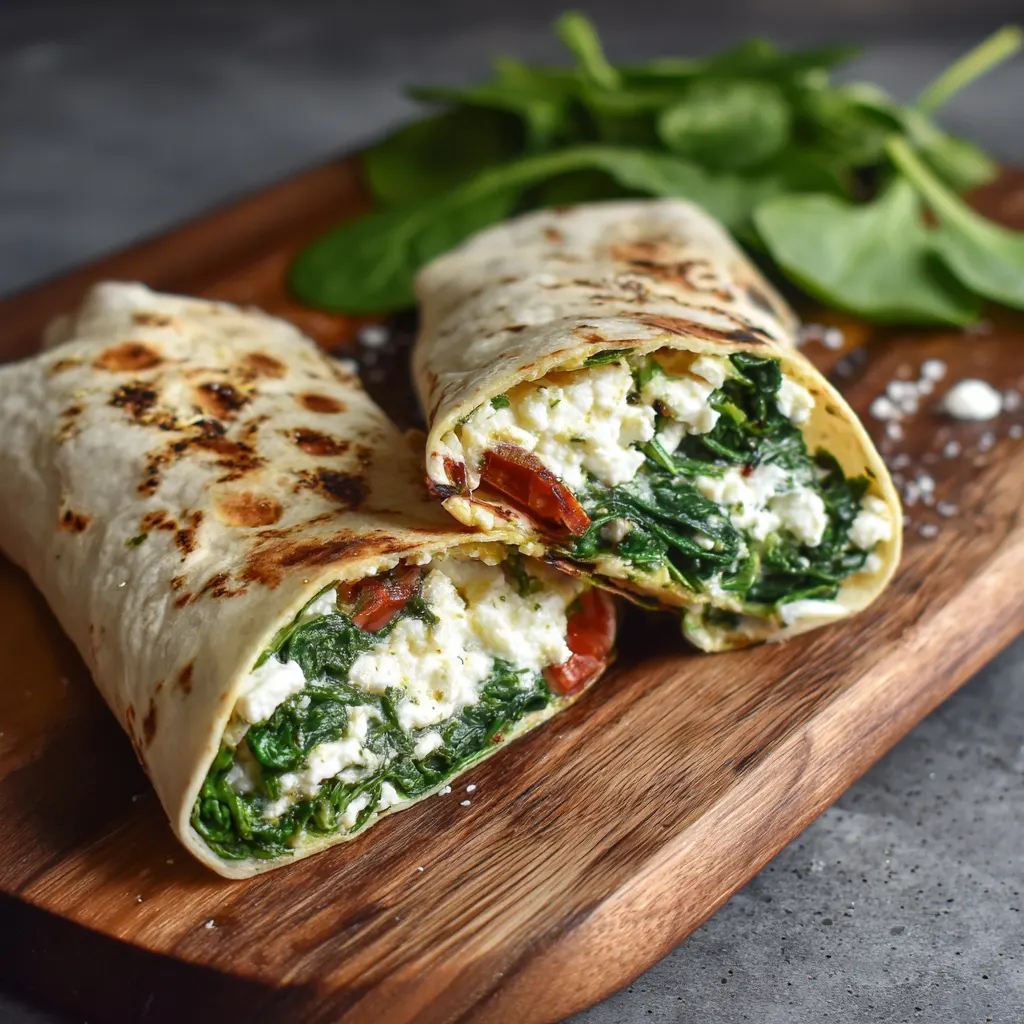
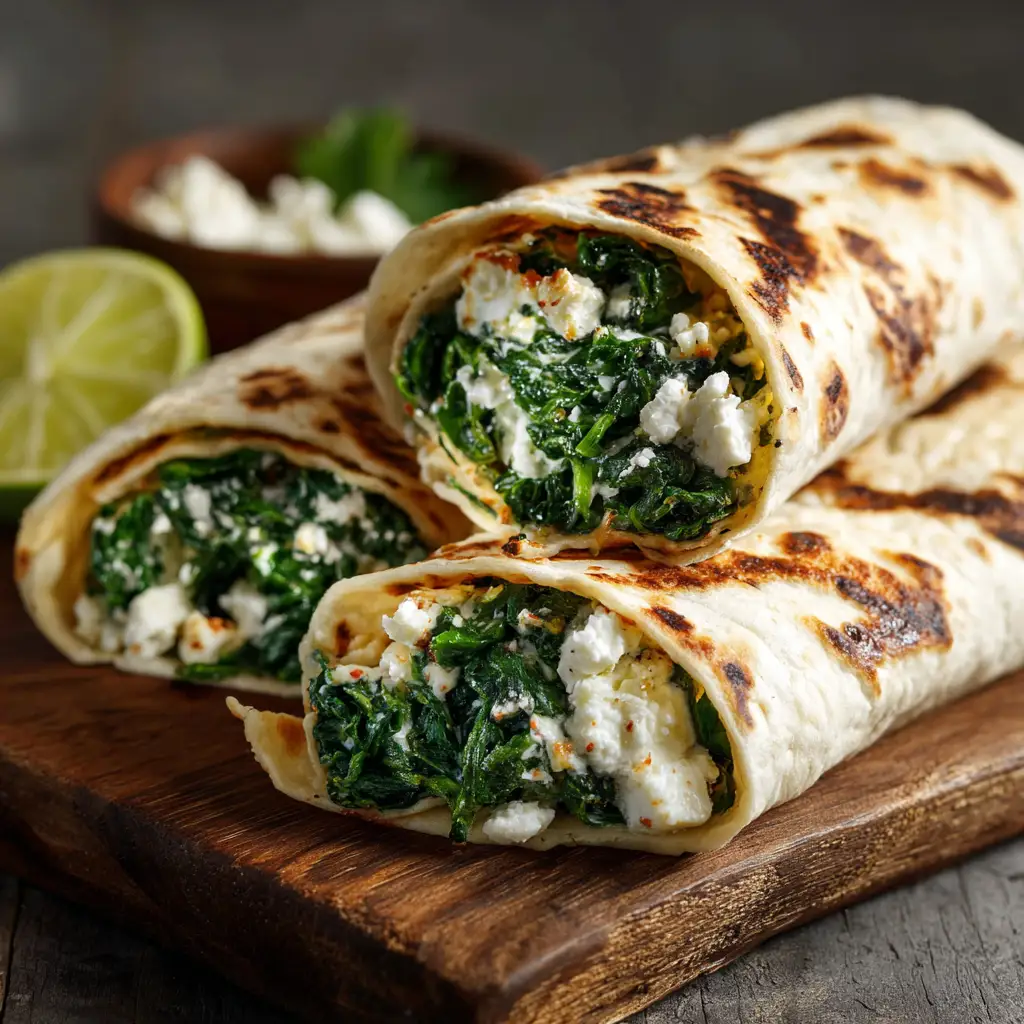
The spinach and feta wrap has cemented its status as a culinary icon, evolving from a simple Greek-inspired filling into one of the world’s most popular grab-and-go breakfast and lunch options. Its enduring appeal lies in the satisfying combination of salty, tangy feta, mineral-rich spinach, and aromatic seasonings, all perfectly contained within a tender wrap….
The spinach and feta wrap has cemented its status as a culinary icon, evolving from a simple Greek-inspired filling into one of the world’s most popular grab-and-go breakfast and lunch options. Its enduring appeal lies in the satisfying combination of salty, tangy feta, mineral-rich spinach, and aromatic seasonings, all perfectly contained within a tender wrap. Whether you seek a quick, protein-rich start to your day or an easy, satisfying meal prep solution, mastering this wrap is essential for a balanced and flavor-packed diet. The most sought-after version is the copycat rendition of the classic coffeehouse breakfast wrap, utilizing egg whites and sun-dried tomatoes to deliver a high-protein punch.
Spinach and Feta Wraps: Core Recipe
(High-Protein Breakfast Style)
Yields: 4 Servings | Prep Time: 10 minutes | Cook Time: 15 minutes
Ingredients
-
4 large (9- to 10-inch) whole-wheat or high-fiber tortillas
-
2 teaspoons olive oil, divided (or oil from sun-dried tomato jar)
-
4 cups fresh baby spinach, packed (or 1 cup thawed, squeezed frozen spinach)
-
½ teaspoon minced garlic or ¼ teaspoon garlic powder
-
4 tablespoons sun-dried tomatoes, chopped (packed in oil)
-
1 cup liquid egg whites (or 4 large whole eggs, whisked)
-
½ teaspoon Italian seasoning
-
½ teaspoon salt
-
¼ teaspoon black pepper
-
4 tablespoons (about 2 oz) crumbled feta cheese
-
4 tablespoons shredded low-moisture mozzarella cheese (optional, for melt)
Step-by-Step Instructions
-
Prep the Greens: If using frozen spinach, ensure it is completely thawed and use a clean kitchen towel or paper towels to thoroughly squeeze out all excess moisture. This is crucial for preventing a soggy wrap.
-
Sauté the Aromatics: Heat 1 teaspoon of oil in a large non-stick skillet over medium heat. Add the fresh or pre-squeezed spinach and sauté for 2-3 minutes until completely wilted down. Stir in the minced garlic (or powder) and chopped sun-dried tomatoes, cooking for 1 additional minute until fragrant. Season lightly with salt and pepper. Transfer the mixture to a clean bowl and set aside.
-
Cook the Eggs: Wipe the skillet clean and add the remaining 1 teaspoon of oil (or spray with cooking spray). Reduce the heat slightly to medium-low. Whisk the egg whites (or whole eggs) with Italian seasoning, salt, and pepper. Pour the mixture into the skillet and let it cook undisturbed for 2-3 minutes, until the edges begin to set. Cover the pan and let it steam/finish cooking for another 2 minutes, or until the egg is mostly firm and forms a single, thin patty.
-
Assemble the Filling: Gently slide the egg patty onto a cutting board. Cut the patty into four even squares or rectangular portions that will fit in the center of your tortillas.
-
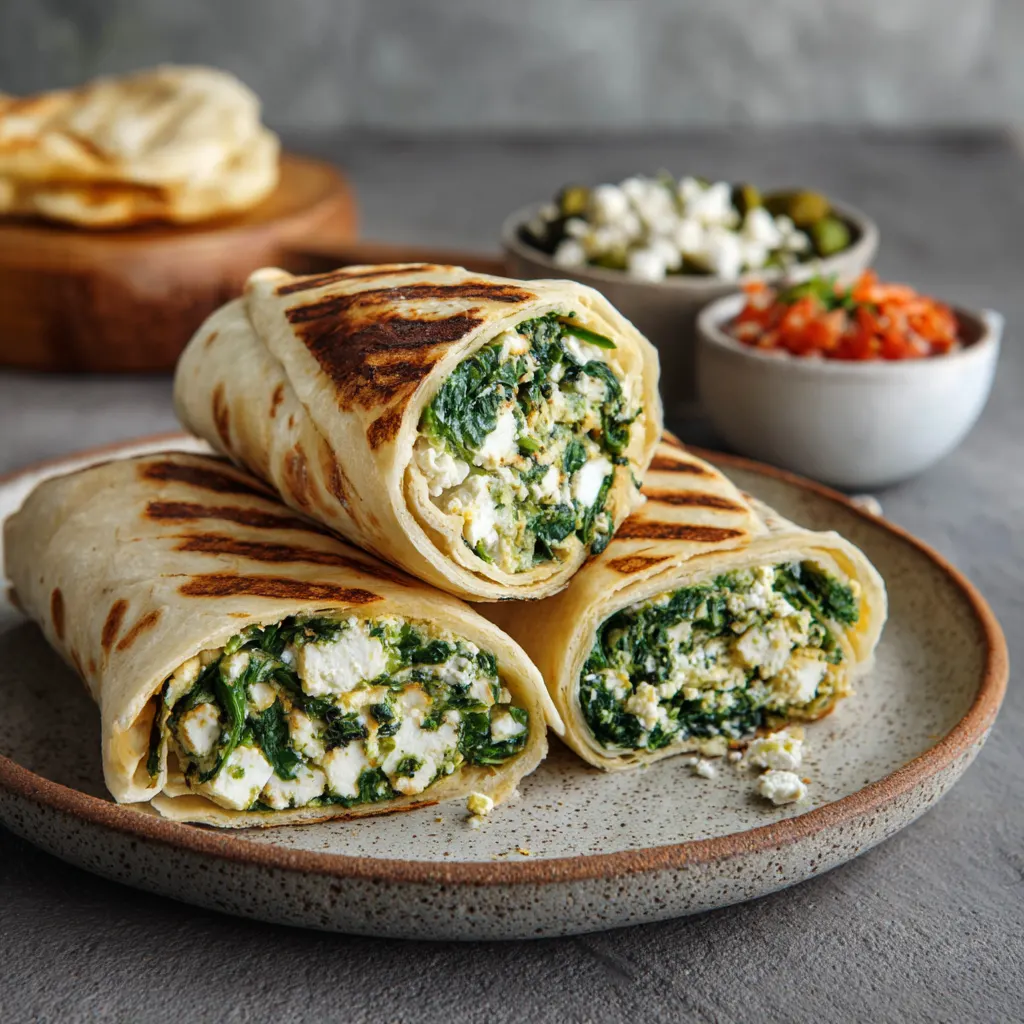
Wrap and Seal: Lay one tortilla flat. Place one portion of the egg patty in the center, top with a quarter of the cooked spinach mixture, and sprinkle with feta and mozzarella cheese. To roll, fold the left and right sides of the tortilla inward over the filling, then tightly roll the bottom edge up and over the filling, continuing until you have a sealed log. Repeat for the remaining wraps.
-
Toast and Finish: Heat the empty skillet back to medium heat. Place the rolled wrap, seam-side down, in the pan. Cook for 1-2 minutes per side, pressing down gently with a spatula, until the exterior is golden brown and crispy and the cheeses are melted. Alternatively, bake in a 350°F oven for 5-8 minutes, or use a sandwich press.
Mastering the Filling: Key Ingredients and Flavor Upgrades
The true magic of the spinach and feta wrap lies in the quality and preparation of its core components, particularly the balance between texture and flavor. Achieving the right consistency is paramount, especially when making wraps that are intended to be toasted or reheated.
The Spinach Standard: Fresh vs. Frozen
While both fresh baby spinach and frozen spinach are suitable, fresh is often preferred for its brighter flavor and texture. However, frozen spinach is a convenient, budget-friendly option, provided one critical step is followed: moisture removal. Spinach, when cooked or thawed, releases a significant amount of water. If this liquid is not thoroughly squeezed out before assembly, it will saturate the tortilla, leading to a frustratingly soggy wrap that easily falls apart. To avoid this, place the wilted or thawed spinach in a fine-mesh sieve and press down firmly, or wrap it in a clean kitchen towel and wring it out completely until almost dry.
Feta: The Salt and Tang
Feta cheese is the defining flavor of this wrap. Its salty, tangy profile cuts through the richness of the egg or cream cheese base.
-
Type: Crumbled feta is ideal for even distribution, ensuring every bite contains that signature brine. Greek feta, often made from sheep or goat’s milk, tends to be tangier and less salty than some varieties.
-
Complements: Many top recipes suggest pairing feta with a milder, meltier cheese to enhance creaminess and binding. Shredded mozzarella, Parmesan, or even a dollop of whipped cream cheese (as favored in the baked variations) are excellent additions that improve texture without overpowering the feta. For an ultra-creamy base, some recipes call for whipping feta with ricotta cheese, lemon juice, and olive oil to create a light, spreadable filling.
Essential Flavor Builders
To elevate the wrap beyond basic ingredients, key aromatics are indispensable.
-
Sun-Dried Tomatoes: These provide a concentrated, slightly sweet, and savory depth. Using the oil from the jar to sauté the spinach adds an immediate layer of complex flavor. They are a signature ingredient in the high-protein breakfast copycat versions.
-
Herbs and Spices: Italian seasoning, dried oregano, garlic powder, and onion powder are the most common additions. For fresh flavor, incorporating chopped fresh dill, parsley, or green onions into the filling, especially for the cooler wraps, adds vibrancy. A touch of red pepper flakes can introduce subtle heat.
Crafting the Perfect Wrap: Assembly, Cooking, and Texture Secrets
A truly great spinach and feta wrap is defined by a perfectly sealed shape and a satisfyingly crisp exterior. The assembly and final cooking method are the two most important steps for achieving this ideal texture.
The Art of the Roll: Sealing the Filling
Preventing leakage and maintaining a tight structure is crucial, whether you are eating the wrap immediately or freezing it for later. The most effective method is the classic “burrito fold”:
-
Center the Filling: Place the filling ingredients in a neat line just below the center of the tortilla, leaving ample space at the top and bottom. Do not overstuff, as this is the primary cause of tearing.
-
Tuck the Sides: Fold the left and right edges of the tortilla inward over the filling. The goal is to create sealed pockets that prevent the contents from spilling out the sides.
-
Roll Tightly: Pull the bottom edge of the tortilla up and firmly over the filling, tucking the edge beneath the mixture. Use your fingers to maintain tension on the tucked sides, then continue to roll the log upwards toward the top edge. The wrap should be snug and firm, holding its shape without feeling stretched.
Cooking Methods for Optimal Crispness
The final application of heat is what transforms a soft tortilla into a golden, sturdy, and crispy wrap, preventing the filling from cooling too quickly and melting the binding cheese.
-
Pan-Searing (Skillet or Grill Pan): This is the fastest and most popular method for day-of eating. Place the finished wrap, seam-side down, on a medium-hot skillet (lightly oiled or sprayed). Press down gently to sear the seam shut. Flip and cook for 1-2 minutes per side until the tortilla is golden brown and firm. This method is excellent for texture and is often used for high-protein breakfast wraps.
-
Baking or Broiling: Baking is essential for larger batches or for the creamier, meal-prep lunch wraps. Arranging the wraps in a baking dish and lightly coating them with cooking spray before baking at 350°F to 400°F ensures even heating and a crunchy exterior. Baking is also the preferred method for reheating frozen wraps, as it ensures the inside filling is heated through evenly.
-
Air Fryer/Sandwich Press: These methods deliver maximum crispness in the shortest amount of time. An air fryer at 350°F for 3-5 minutes, or a sandwich press, will create a perfectly sealed, crunchy crust instantly.
Beyond the Base: Versatile Variations for Lunch and Dinner
While the high-protein egg white wrap has garnered significant fame, the basic spinach and feta foundation is incredibly flexible, lending itself beautifully to creamy, savory lunch/dinner versions and even fresh, salad-style wraps.
1. The Creamy Baked Dinner Wrap
This style moves away from the breakfast category and focuses on a decadent, creamy filling, often baked until golden brown.
-
Key Addition: Cream Cheese. This ingredient acts as a rich binder. Whipped cream cheese is recommended for easier mixing.
-
Sautéed Vegetables: Instead of eggs, this version usually incorporates sautéed diced yellow onions, bell peppers (often red for sweetness), and garlic, cooked down until tender before being mixed with the cream cheese, spinach, and feta.
-
Binding Cheese: A combination of feta and shredded Parmesan or mozzarella is stirred into the hot vegetable mix until creamy.
-
Preparation: These wraps are typically rolled and then arranged in a baking dish, lightly coated with oil or spray, and baked until the filling is melted and the exterior is crisp.
2. The Fresh, Greek-Inspired Wrap
Inspired by the Greek pastry Spanakopita, this variation features a cooler, lighter filling that uses raw ingredients and fresh herbs.
-
Whipped Feta Spread: The base is often a spread made by pulsing feta, ricotta or anthotyro cheese, olive oil, and fresh lemon juice in a food processor until smooth and creamy.
-
Fresh Vegetables: Raw baby spinach leaves, thinly sliced red onion, chopped spring onions, and cucumber sticks (Persian or English) are layered into the wrap.
-
Herbs: Fresh dill and parsley are crucial additions for that authentic Greek flavor profile.
-
Serving: These wraps are usually lightly grilled or pan-seared just enough to warm and soften the tortilla, but the filling itself remains cool and refreshing. They are ideal for warm weather or light lunches.
3. High-Protein and Savory Additions
For a complete meal, adding a protein source turns the wrap into a powerhouse dish.
-
Poultry: Pre-cooked, sliced, or shredded chicken (rotisserie, grilled, or broiled) is a perfect lean addition, particularly to the creamy baked or fresh variations.
-
Meat: Slices of crispy bacon, turkey bacon, or crumbled maple chicken sausage can be folded into the egg-based breakfast wraps for extra flavor and protein.
-
Plant-Based Options: For a vegetarian-friendly protein boost, crumbled seasoned tofu (in place of eggs) combined with vegan feta and other vegetables works exceptionally well. Cooked lentils or chickpeas can also be added for texture and fiber.
Make-Ahead Magic: Meal Prep and Freezer-Friendly Storage
One of the greatest benefits of spinach and feta wraps is their suitability for make-ahead meal preparation. When stored correctly, they can provide quick, nutritious meals for weeks or even months.
Meal Prep and Refrigeration
Wraps intended for consumption within a few days can be stored in the refrigerator, but proper cooling is essential.
-
Cool Completely: After cooking and rolling, allow the wraps to cool entirely to room temperature on a wire rack. This prevents condensation from building up inside the wrap, which leads to sogginess.
-
Wrap and Store: Wrap each individual wrap tightly in aluminum foil, parchment paper, or plastic wrap. Place the wrapped items in an airtight container or a large zip-top bag.
-
Shelf Life: Properly stored wraps can be refrigerated for 3 to 4 days.
Reheating from the Fridge:
-
Skillet/Grill: The preferred method. Grill the wrap on a medium-hot, lightly oiled pan for 1-2 minutes per side until heated through and crisp.
-
Microwave: The fastest option, but it will yield a softer, less crispy texture. Heat for 30-45 seconds until warmed.
Freezing for Long-Term Storage
The high-protein egg and the creamy baked variations are excellent candidates for freezing, providing an easy grab-and-go meal for up to two months.
-
Prep and Wrap: Ensure the wraps are fully cooked and cooled completely. Wrap each one individually and tightly in a layer of plastic wrap, followed by a layer of aluminum foil. The double layer minimizes freezer burn.
-
Container: Store the foil-wrapped logs in a large freezer-safe bag or airtight container.
-
Duration: Wraps will retain their quality for up to two months in the freezer.
Reheating from Frozen:
The key to reheating a frozen wrap is to ensure the dense filling heats thoroughly without scorching the exterior.
-
Oven/Toaster Oven (Recommended): Remove the wrap from the plastic wrap but keep it wrapped in the foil. Bake at 350°F for 15-20 minutes. Unwrap the foil for the last 5 minutes to crisp the exterior. This method provides the most even heat distribution.
-
Microwave + Skillet: For a quicker approach, microwave the wrap (unwrapped) for 1-2 minutes to thaw the center, then finish by pan-searing on a hot skillet for 1 minute per side to restore the crispy texture.
By following these optimized techniques, from meticulous spinach preparation to strategic wrapping and reheating, the Spinach and Feta Wrap transitions effortlessly from a simple recipe to a reliably delicious and integral part of any healthy meal plan.