Veggie Sushi Rolls: The Perfect Healthy & Delicious Snack Sushi, traditionally known for its seafood fillings, has evolved into a versatile dish embraced by vegetarians and health enthusiasts alike. Veggie sushi rolls offer a delightful and nutritious snacking option, packed with flavor and wholesome ingredients. This article explores the art of crafting the perfect veggie…
Veggie Sushi Rolls: The Perfect Healthy & Delicious Snack
Sushi, traditionally known for its seafood fillings, has evolved into a versatile dish embraced by vegetarians and health enthusiasts alike. Veggie sushi rolls offer a delightful and nutritious snacking option, packed with flavor and wholesome ingredients. This article explores the art of crafting the perfect veggie sushi roll, delving into ingredient selection, preparation techniques, creative variations, and its health benefits.
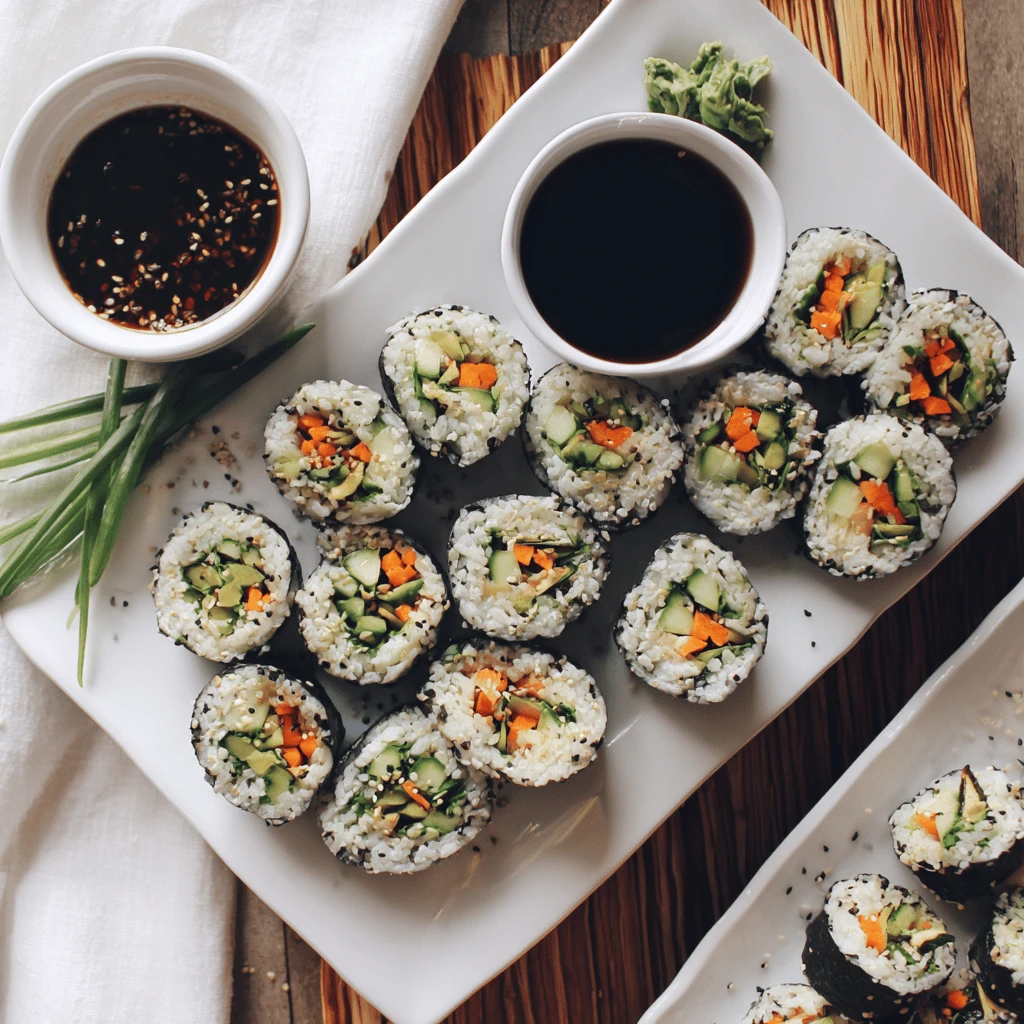
The Allure of Veggie Sushi: Why It’s a Great Snack
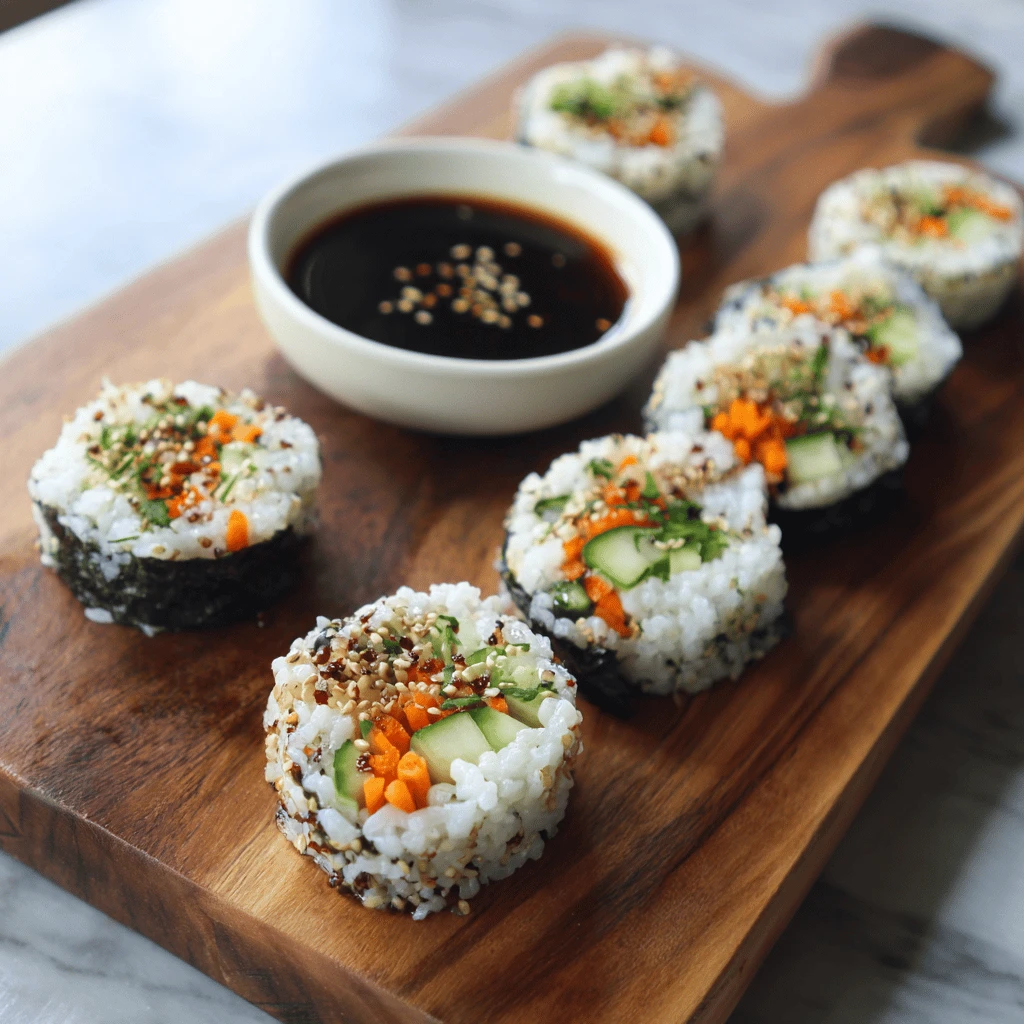
Veggie sushi rolls have gained popularity for several compelling reasons. They present a healthy alternative to traditional sushi, reducing the intake of animal products and focusing on plant-based goodness. They are easily customizable, allowing for endless experimentation with different vegetables, sauces, and seasonings to suit individual preferences. Preparation can be a fun and interactive activity, perfect for involving family and friends. Finally, veggie sushi rolls are visually appealing, making them an attractive option for parties, lunchboxes, or a quick afternoon snack.
They are also relatively low in calories and can be packed with essential vitamins and minerals, depending on the chosen ingredients. For those watching their weight or aiming to incorporate more plant-based meals into their diets, veggie sushi presents a satisfying and guilt-free indulgence.
Essential Ingredients & Equipment for Veggie Sushi
Creating delicious veggie sushi requires careful selection of key ingredients. The foundation is sushi rice, a short-grain rice variety that becomes sticky when cooked, allowing it to hold its shape. High-quality nori seaweed sheets provide the wrap for the sushi, imparting a subtle ocean flavor.
For vegetable fillings, the possibilities are endless. Popular choices include:
- Cucumber: Provides a refreshing crunch.
- Avocado: Adds creaminess and healthy fats.
- Carrot: Offers a vibrant color and slightly sweet flavor.
- Bell Peppers: Contribute a juicy and colorful element.
- Asparagus: Brings a delicate and slightly grassy flavor.
- Pickled Radish (Daikon): Provides a tangy and crisp texture.
- Tofu: Adds a protein boost, especially when marinated or fried.
- Edamame: Contributes a nutty flavor and satisfying bite.
- Mango: Introduces a tropical sweetness.
Beyond the core ingredients, other flavor enhancers can elevate your veggie sushi. These include:
- Soy Sauce (or Tamari for gluten-free): For dipping.
- Wasabi: Provides a spicy kick.
- Pickled Ginger: Cleanses the palate between bites.
- Sesame Seeds: Adds a nutty flavor and visual appeal.
- Spicy Mayo: A creamy and flavorful condiment.
- Sriracha: For an extra dose of heat.
- Eel Sauce (Vegetarian): A sweet and savory sauce, available in vegetarian versions.
Essential equipment includes a bamboo sushi rolling mat (makisu), a sharp knife, a rice cooker (optional, but highly recommended), and a bowl of water to prevent the rice from sticking to your hands and knife.
Mastering the Art of Rolling Veggie Sushi
The process of rolling sushi may seem intimidating at first, but with a few tips and practice, anyone can master it.
Preparing the Sushi Rice:
1. Rinse the sushi rice several times until the water runs clear.
2. Cook the rice according to package instructions, typically using a 1:1 ratio of rice to water. A rice cooker simplifies this process.
3. While the rice is cooking, prepare the sushi vinegar. Combine rice vinegar, sugar, and salt in a small saucepan and heat gently until the sugar dissolves.
4. Once the rice is cooked, transfer it to a large bowl and gently fold in the sushi vinegar. Allow the rice to cool slightly before using.
Assembling the Sushi Roll:
1. Place a sheet of nori on the bamboo sushi mat, shiny side down.
2. Spread a thin layer of sushi rice evenly over the nori, leaving about an inch of space at the top edge.
3. Arrange your chosen vegetable fillings horizontally across the center of the rice. Don’t overfill the roll, as this will make it difficult to close.
4. Using the bamboo mat, lift the edge of the nori closest to you over the fillings and begin to roll tightly.
5. Continue rolling, applying gentle pressure to create a firm and even roll.
6. Moisten the bare edge of the nori with a little water to seal the roll.
7. Remove the sushi roll from the mat and use a sharp, wet knife to slice it into bite-sized pieces.
Tips for Success:
- Keep your hands and knife wet to prevent the rice from sticking.
- Roll the sushi tightly to ensure it holds its shape.
- Use high-quality ingredients for the best flavor.
- Don’t be afraid to experiment with different fillings and sauces.
Creative Veggie Sushi Roll Variations
Beyond the basic cucumber and avocado roll, countless variations can elevate your veggie sushi experience.
- Rainbow Roll: Fill with a variety of colorful vegetables like carrots, bell peppers, avocado, and cucumber for a visually stunning and nutritious roll.
- Spicy Tofu Roll: Marinate tofu in a spicy sauce and combine it with cucumber and avocado for a flavorful and protein-packed roll.
- Sweet Potato Roll: Roasted sweet potato adds a creamy sweetness to the sushi, complemented by avocado and a sprinkle of sesame seeds.
- Mango Avocado Roll: The tropical sweetness of mango pairs perfectly with the creamy avocado for a refreshing and satisfying roll.
- Vegetable Tempura Roll: Add a crispy element by incorporating vegetable tempura into your sushi roll.
- Kimchi Roll: For a spicy and fermented kick, include kimchi in your sushi roll.
- Mediterranean Roll: Incorporate ingredients like hummus, sun-dried tomatoes, and olives for a unique and flavorful twist.
- Inari Sushi: Instead of rolling, stuff seasoned sushi rice into pre-made seasoned tofu pockets (inari).
Health Benefits of Veggie Sushi
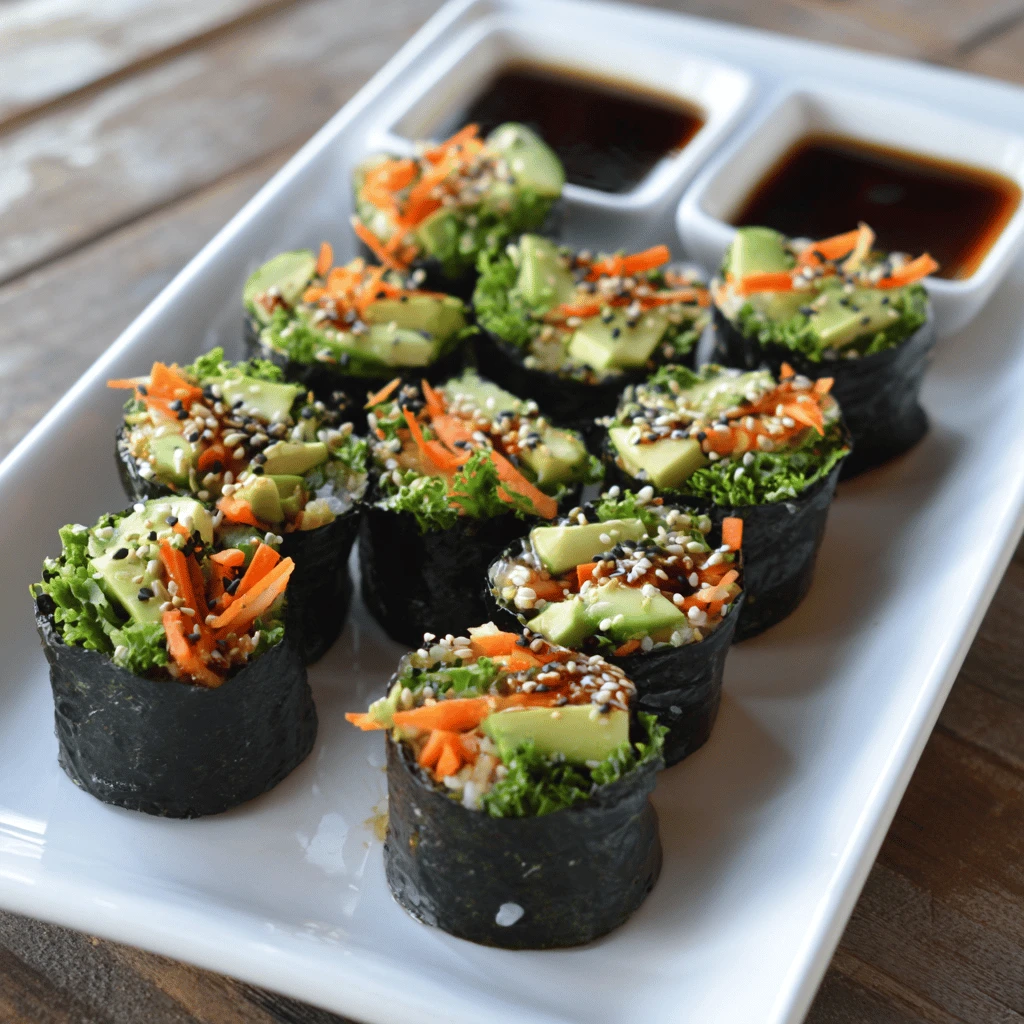
Veggie sushi offers a plethora of health benefits. It’s a great way to increase your intake of fruits and vegetables, which are rich in vitamins, minerals, and antioxidants. Nori seaweed is a good source of iodine, essential for thyroid health. Avocado provides healthy fats that are beneficial for heart health.
Furthermore, veggie sushi is often lower in calories and fat than traditional sushi, making it a healthier option for weight management. It’s also a good source of fiber, which promotes digestive health and helps you feel full and satisfied.
By choosing whole-grain rice and incorporating a variety of colorful vegetables, you can create a nutritious and delicious snack that supports overall well-being. Remember to use low-sodium soy sauce or tamari to minimize your sodium intake.
FAQ Section
Is veggie sushi healthy?
Yes, veggie sushi can be a very healthy option, packed with vitamins, minerals, and fiber from the vegetables. It’s also typically lower in calories and fat than traditional sushi.
What is veggie sushi made of?
Veggie sushi typically consists of sushi rice, nori seaweed sheets, and various vegetable fillings such as cucumber, avocado, carrot, bell peppers, and pickled radish.
Can you make sushi without a bamboo mat?
While a bamboo mat makes rolling easier, you can use a clean kitchen towel or plastic wrap as a substitute.
What sauce is good with veggie sushi?
Popular sauces include soy sauce (or tamari), wasabi, spicy mayo, vegetarian eel sauce, and sriracha.
How long does veggie sushi last?
Veggie sushi is best consumed fresh, but it can be stored in the refrigerator for up to 24 hours. Make sure to store it in an airtight container.