Classic Bread Stuffing for Thanksgiving Thanksgiving isn’t complete without a generous serving of classic bread stuffing. This quintessential side dish, savory and comforting, is the perfect complement to roasted turkey and cranberry sauce. Our guide provides everything you need to create a memorable stuffing that will impress your family and friends. The Foundation: Choosing the…
Classic Bread Stuffing for Thanksgiving
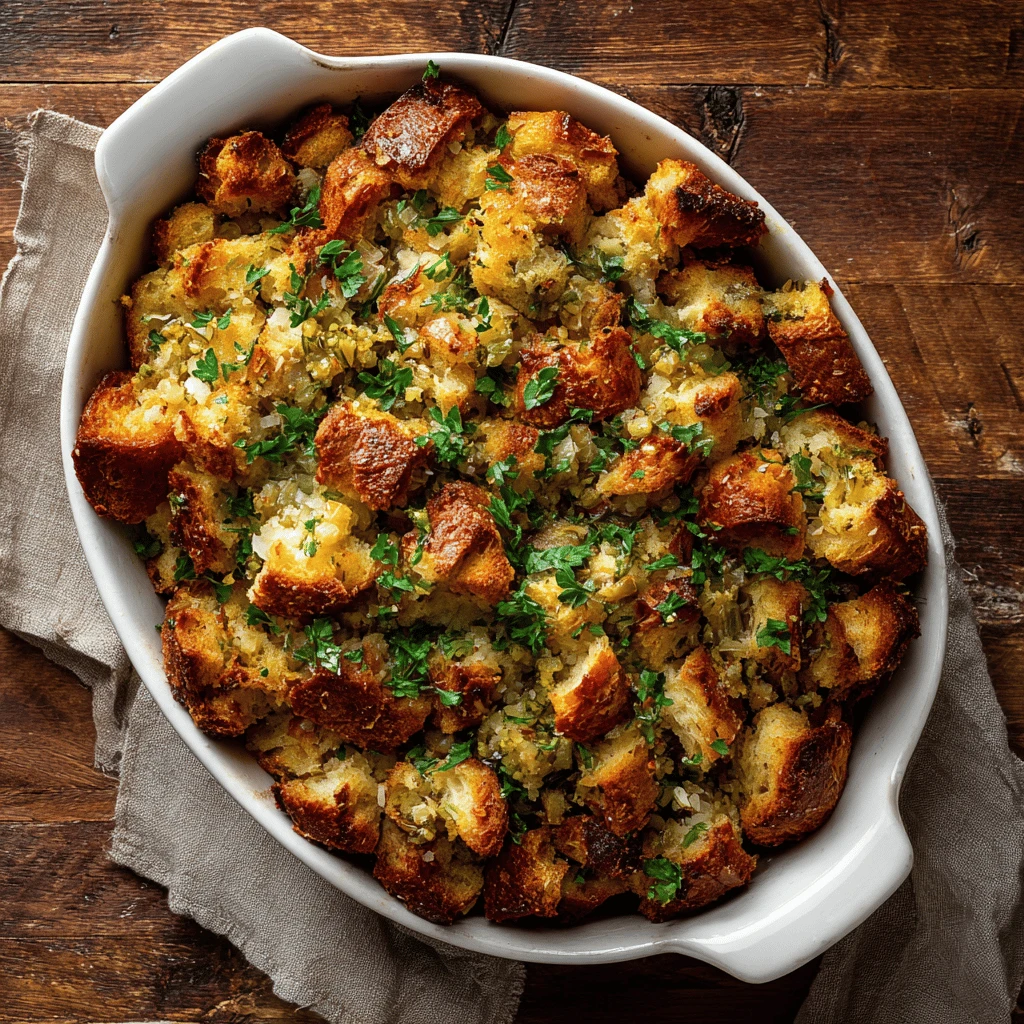
Thanksgiving isn’t complete without a generous serving of classic bread stuffing. This quintessential side dish, savory and comforting, is the perfect complement to roasted turkey and cranberry sauce. Our guide provides everything you need to create a memorable stuffing that will impress your family and friends.
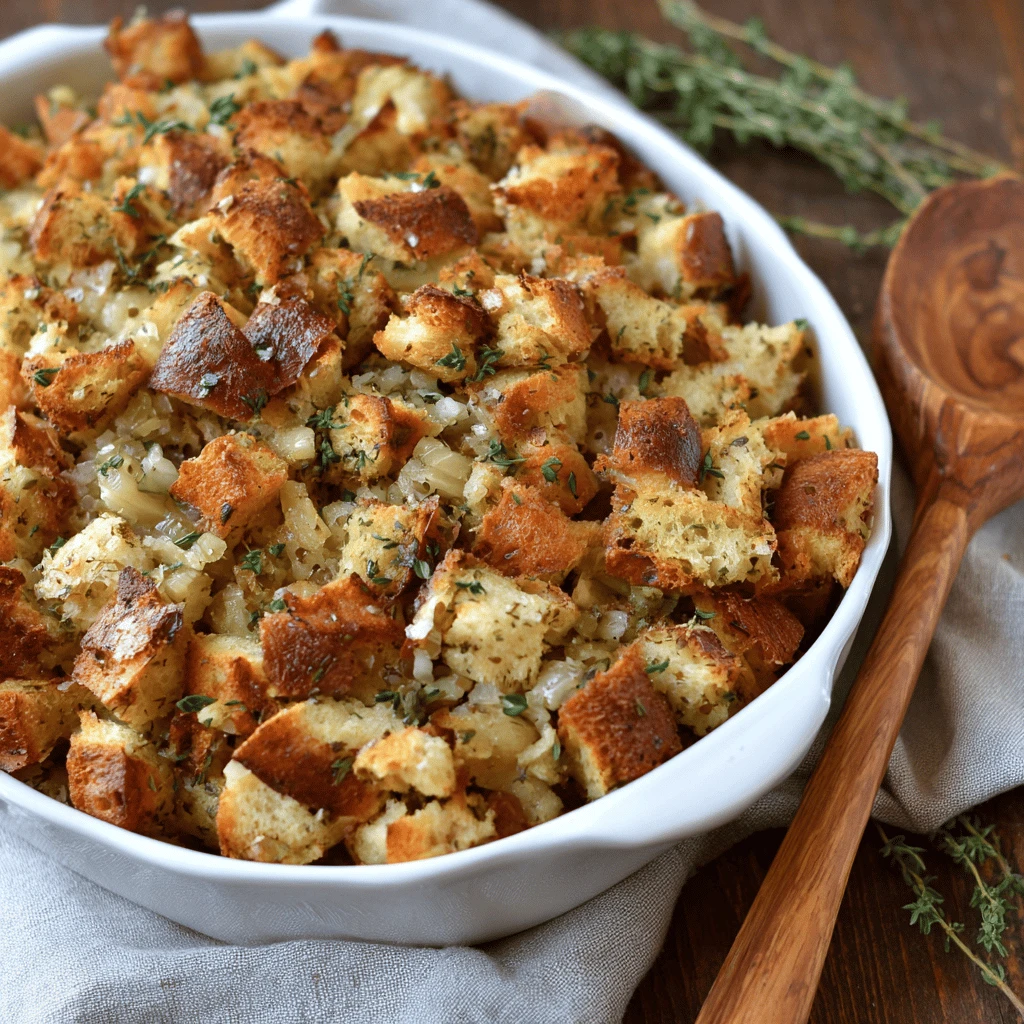
The Foundation: Choosing the Right Bread
The heart of any good stuffing lies in the bread. The type of bread you choose will significantly impact the final texture and flavor of your stuffing.
Types of Bread to Consider
- Day-Old White Bread: This is a classic choice and provides a neutral base that absorbs flavors well. It’s readily available and relatively inexpensive. Using bread that’s a day or two old ensures it’s slightly dried out, preventing a soggy stuffing.
- Sourdough Bread: Sourdough adds a tangy depth of flavor that elevates the stuffing. Its slightly denser texture holds up well to moisture, resulting in a pleasantly chewy stuffing.
- Brioche: For a richer, more decadent stuffing, brioche is an excellent choice. Its buttery flavor and tender crumb create a luxurious mouthfeel. Be mindful of the high fat content, which may require adjusting the amount of butter used in the recipe.
- Cornbread: Cornbread stuffing is a Southern classic, offering a slightly sweet and crumbly texture. Use a coarse-ground cornbread for best results. Consider combining it with white bread to balance the sweetness.
- Multigrain Bread: For a heartier and more nutritious option, multigrain bread adds a nutty flavor and a slightly denser texture. Be sure to use a flavorful multigrain bread to prevent the stuffing from tasting bland.
Preparing the Bread
Regardless of the type of bread you choose, proper preparation is essential.
1. Cube the Bread: Cut the bread into uniform cubes, about 1 inch in size. Uniform cubes ensure even cooking and prevent some pieces from becoming overly dry while others remain soggy.
2. Dry the Bread: This is the most crucial step. Drying the bread allows it to absorb the flavorful broth and seasonings without becoming mushy. There are two methods for drying the bread:
Air Drying: Spread the bread cubes in a single layer on baking sheets and let them air dry at room temperature for several hours or overnight. This is the preferred method for achieving the best texture.
Oven Drying: For a quicker method, bake the bread cubes in a low oven (around 250°F or 120°C) for 30-60 minutes, or until they are dry and crisp, turning them occasionally. Watch carefully to prevent burning.
Building Flavor: The Aromatic Base
The aromatic base of your stuffing is just as important as the bread. This is where you infuse the dish with savory depth and complexity.
The Trinity: Onions, Celery, and Garlic
The classic combination of onions, celery, and garlic forms the foundation of most savory stuffing recipes. Sautéing these ingredients in butter until softened releases their flavors and creates a rich aroma.
- Onions: Use yellow or white onions for a mild, sweet flavor. Dice them finely to ensure they cook evenly.
- Celery: Celery adds a subtle, earthy note and a pleasant crunch. Dice it to a similar size as the onions.
- Garlic: Fresh garlic is essential for adding a pungent aroma and flavor. Mince it finely to prevent large pieces from overpowering the dish.
Adding Depth: Herbs and Spices
Fresh herbs and spices elevate the flavor profile of your stuffing. Experiment with different combinations to create your signature blend.
- Sage: The quintessential Thanksgiving herb, sage adds a savory, slightly peppery flavor. Use fresh sage leaves, finely chopped, for the best aroma. Dried sage can be used in a pinch, but use sparingly as it can be quite potent.
- Thyme: Thyme adds a subtle, earthy flavor that complements sage beautifully. Use fresh thyme sprigs, stripping the leaves and discarding the stems.
- Rosemary: Rosemary adds a piney, aromatic note that pairs well with poultry. Use fresh rosemary sparingly, as its flavor can be overpowering.
- Parsley: Parsley adds a fresh, herbaceous note and a vibrant green color. Use fresh flat-leaf parsley, finely chopped.
- Poultry Seasoning: A pre-mixed blend of herbs and spices, poultry seasoning offers a convenient way to add complexity to your stuffing.
- Salt and Pepper: Season generously with salt and freshly ground black pepper to enhance the flavors of the other ingredients.
Enhancing the Flavor: Optional Additions
Consider these additions to customize your stuffing and add even more flavor.
- Mushrooms: Sautéed mushrooms add an earthy, savory note. Cremini or shiitake mushrooms are excellent choices.
- Apples: Diced apples add a touch of sweetness and a pleasant texture. Granny Smith or Honeycrisp apples work well.
- Cranberries: Dried cranberries add a tart and chewy element.
- Sausage: Cooked and crumbled sausage adds a savory, meaty flavor. Choose a high-quality sausage, such as Italian sausage or breakfast sausage.
- Bacon: Cooked and crumbled bacon adds a smoky, salty flavor.
Bringing It Together: Assembling and Baking
Once you’ve prepared the bread and the aromatic base, it’s time to assemble and bake your stuffing.
Combining the Ingredients
1. Sauté the Aromatics: In a large skillet or Dutch oven, melt butter over medium heat. Add the onions, celery, and garlic and sauté until softened, about 5-7 minutes.
2. Add Optional Ingredients: If using, add mushrooms, apples, sausage, or bacon to the skillet and cook until browned or softened.
3. Incorporate Herbs and Spices: Add the fresh herbs and spices to the skillet and cook for another minute, until fragrant.
4. Combine with Bread: In a large bowl, combine the dried bread cubes with the sautéed aromatics and any optional ingredients.
5. Moisten with Broth: Gradually add chicken or vegetable broth to the bread mixture, tossing gently to combine. Add enough broth to moisten the bread without making it soggy. The mixture should be damp but not dripping. Start with about 4 cups of broth and add more as needed.
6. Add Eggs (Optional): If desired, whisk 1-2 eggs and add them to the bread mixture. Eggs help bind the stuffing together and create a slightly richer texture.
Baking the Stuffing
1. Prepare the Baking Dish: Grease a 9×13 inch baking dish with butter or cooking spray.
2. Transfer the Stuffing: Transfer the stuffing mixture to the prepared baking dish and spread it evenly.
3. Bake: Bake in a preheated oven at 350°F (175°C) for 30-40 minutes, or until the stuffing is golden brown and heated through. The internal temperature should reach 165°F (74°C).
4. Optional: Crispy Top: For a crispier top, broil the stuffing for the last few minutes of baking, watching carefully to prevent burning.
Baking Inside the Turkey (Optional)
While baking the stuffing in a separate dish is recommended for even cooking and food safety, some prefer to bake it inside the turkey. If you choose to do so, follow these guidelines:
- Do not overstuff the turkey: Pack the stuffing loosely into the cavity, allowing room for it to expand during cooking.
- Ensure the stuffing reaches a safe temperature: Use a meat thermometer to check the internal temperature of the stuffing. It should reach 165°F (74°C) before serving.
- Increase cooking time: Baking stuffing inside the turkey will increase the overall cooking time.
Tips for Success: Avoiding Common Pitfalls
Making perfect stuffing requires attention to detail. Here are some tips to avoid common pitfalls and ensure a delicious result.
- Don’t use fresh bread: Fresh bread will result in a soggy stuffing. Always use day-old or dried bread.
- Don’t over-moisten the stuffing: Add broth gradually, until the bread is moistened but not dripping.
- Don’t overbake the stuffing: Overbaking will result in a dry, crumbly stuffing. Bake until golden brown and heated through.
- Taste and adjust seasonings: Before baking, taste the stuffing and adjust the seasonings as needed. Add more salt, pepper, or herbs to suit your preferences.
- Let the stuffing rest: After baking, let the stuffing rest for 10-15 minutes before serving. This allows the flavors to meld and the stuffing to set slightly.
Variations and Adaptations
Once you’ve mastered the basic recipe, feel free to experiment with variations and adaptations to create your own unique stuffing.
- Vegetarian/Vegan Stuffing: Substitute vegetable broth for chicken broth. Use plant-based butter and consider adding vegetarian sausage or tofu.
- Gluten-Free Stuffing: Use gluten-free bread or a combination of gluten-free bread and rice.
- Spicy Stuffing: Add chopped jalapeños or a pinch of red pepper flakes to the aromatic base.
- Seafood Stuffing: Add cooked shrimp, crabmeat, or oysters to the stuffing.
- Mediterranean Stuffing: Add sun-dried tomatoes, olives, and feta cheese to the stuffing.
FAQ: Common Questions About Stuffing
-
- What is the difference between stuffing and dressing?
Technically, "stuffing" is cooked inside the bird, while "dressing" is cooked in a separate pan. However, the terms are often used interchangeably.
-
- Can I make stuffing ahead of time?
Yes, you can assemble the stuffing up to 24 hours in advance and store it in the refrigerator. Add the broth just before baking. You may need to add a few minutes to the baking time.
-
- How do I store leftover stuffing?
Store leftover stuffing in an airtight container in the refrigerator for up to 3-4 days.
-
- Can I freeze stuffing?
Yes, you can freeze cooked stuffing for up to 2-3 months. Thaw it overnight in the refrigerator before reheating.
-
- How do I reheat stuffing?
Reheat stuffing in a preheated oven at 350°F (175°C) until heated through, or in the microwave in short intervals. Add a splash of broth to keep it moist.