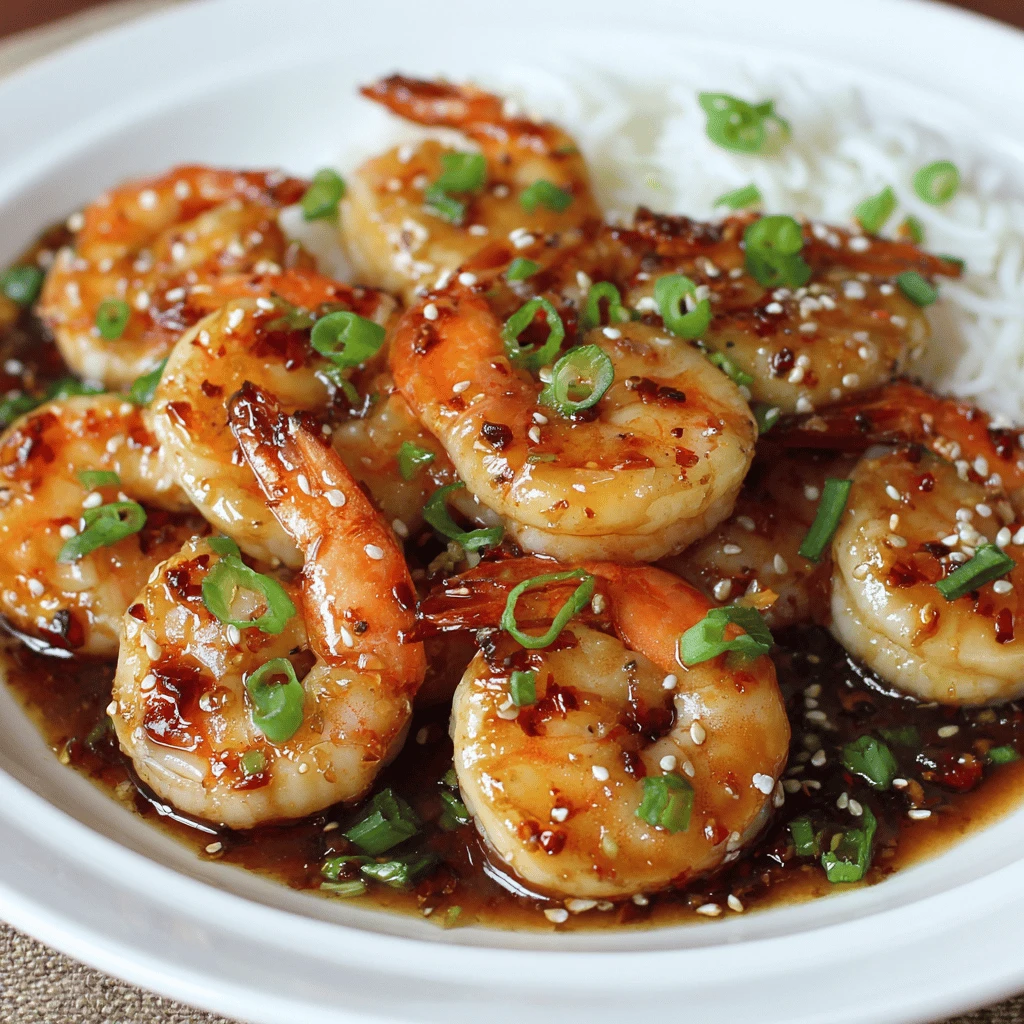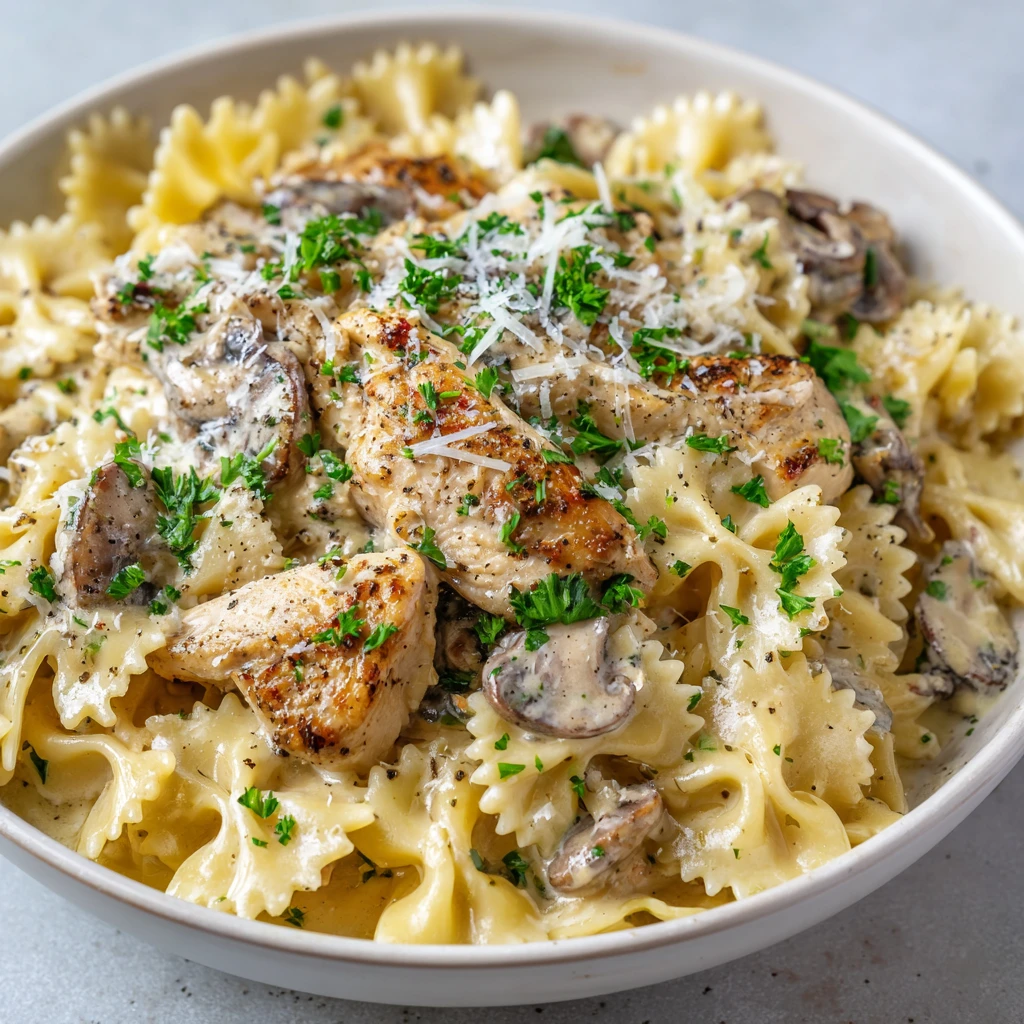
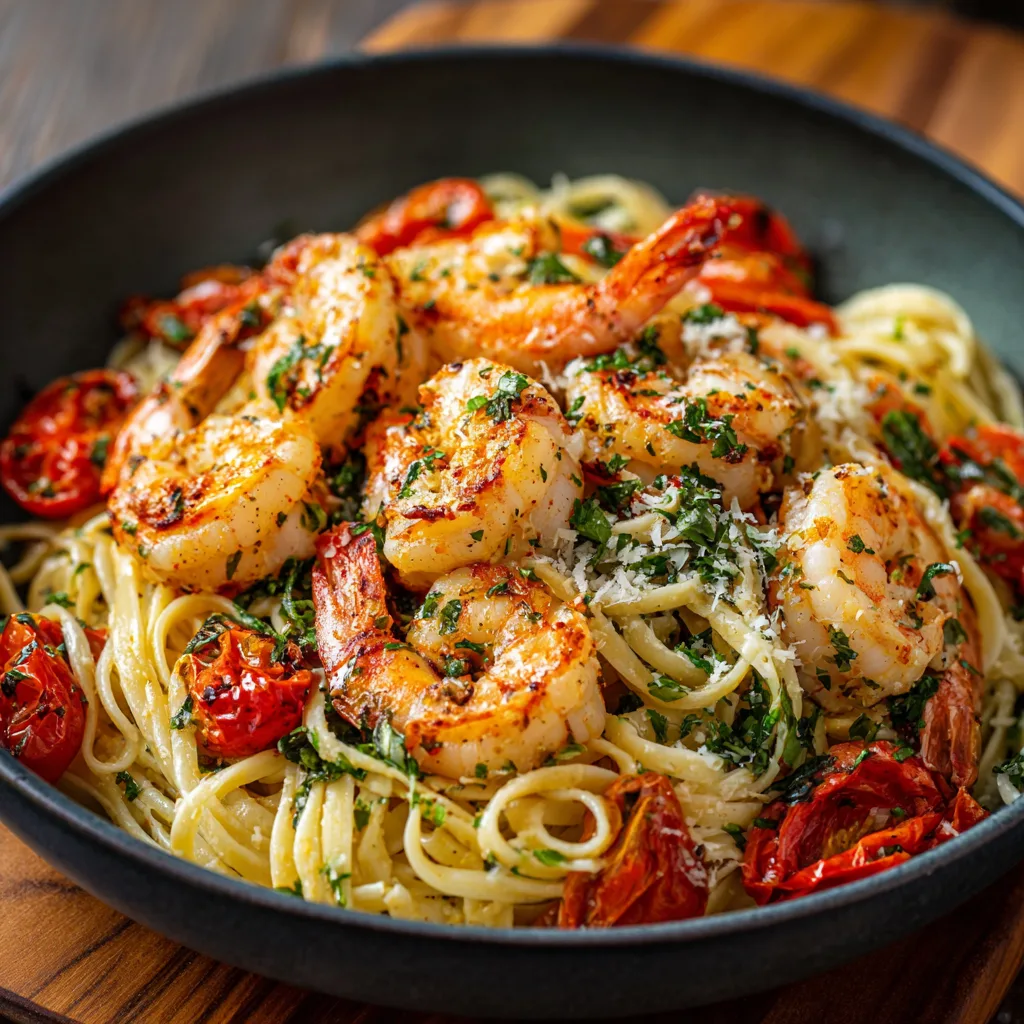
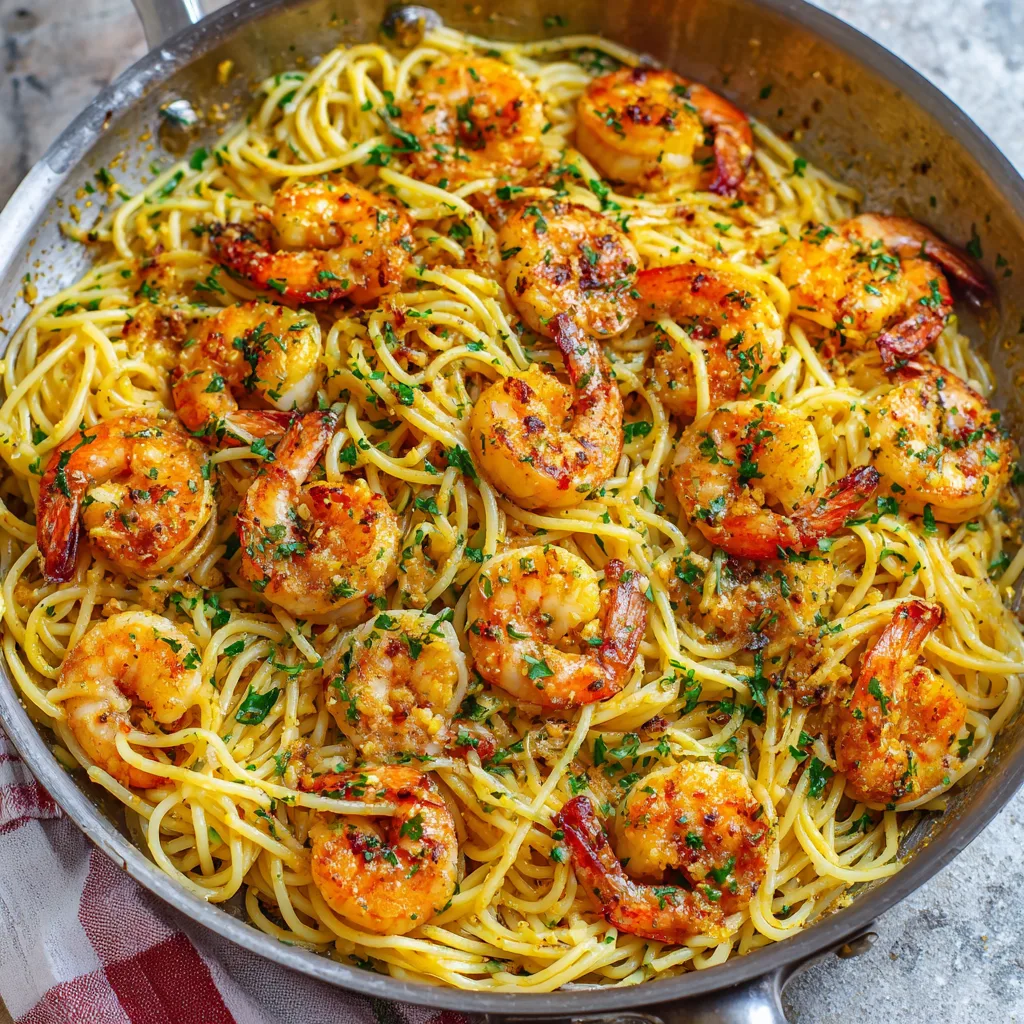
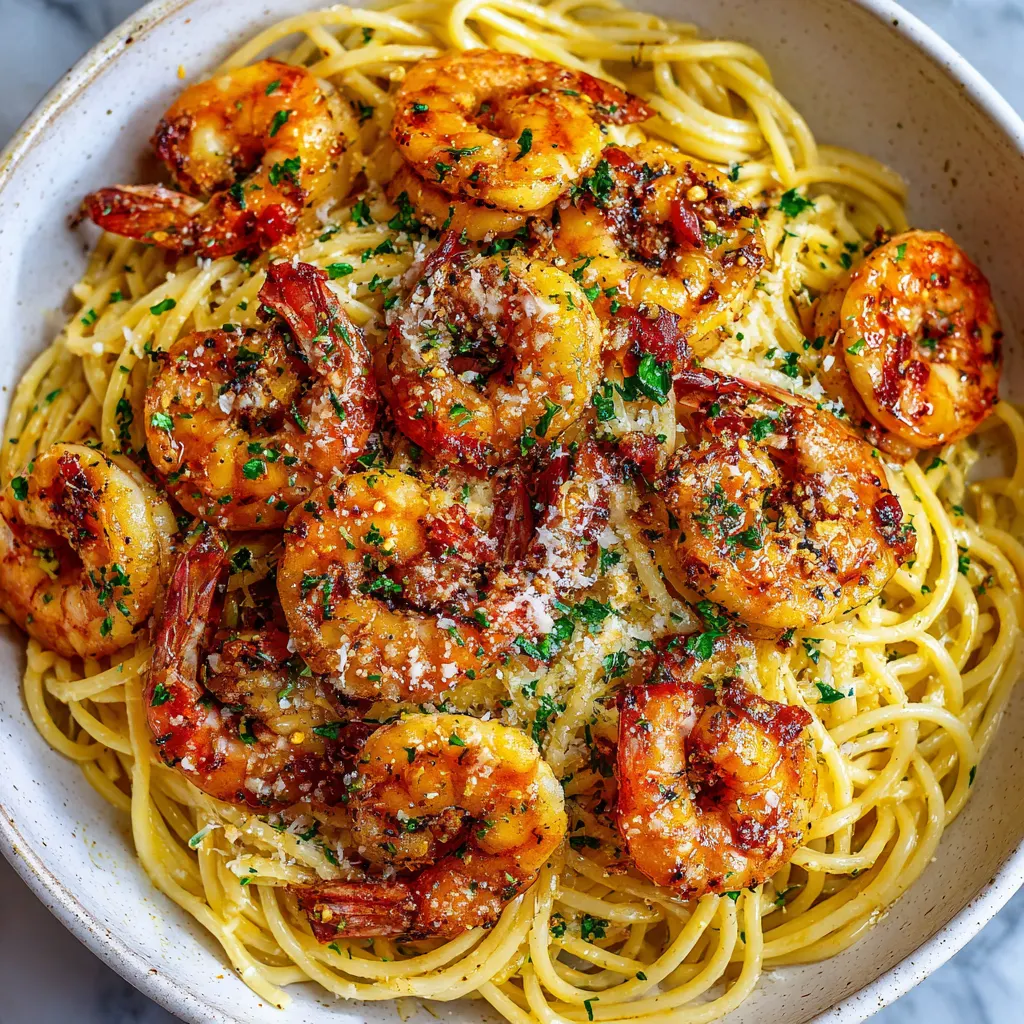
This Lemon Garlic Butter Shrimp Pasta is the definition of a weeknight miracle: a luxurious, restaurant-quality meal that is ready in under 20 minutes with just a handful of simple ingredients. It masterfully combines tender, succulent shrimp with an intensely flavorful, silky sauce made from fresh garlic, high-quality butter, and bright lemon juice, all…
This Lemon Garlic Butter Shrimp Pasta is the definition of a weeknight miracle: a luxurious, restaurant-quality meal that is ready in under 20 minutes with just a handful of simple ingredients. It masterfully combines tender, succulent shrimp with an intensely flavorful, silky sauce made from fresh garlic, high-quality butter, and bright lemon juice, all coating perfectly cooked pasta. Skip the takeout and impress yourself with this classic dish that relies on superior technique rather than complex preparation to deliver a truly unforgettable culinary experience.
Ingredients
For the Pasta:
-
12 ounces long pasta (linguine, fettuccine, or spaghetti)
-
1 tablespoon salt (for boiling water, or “salty like the sea”)
-
½ to 1 cup reserved starchy pasta water
For the Garlic Butter Shrimp:
-
1 pound large shrimp, peeled and deveined (tails on or off, based on preference)
-
4 tablespoons unsalted butter, divided
-
2 tablespoons extra virgin olive oil
-
6 cloves fresh garlic, finely minced
-
½ teaspoon crushed red pepper flakes (optional, for heat)
-
Salt and freshly ground black pepper, to taste
For the Finishing Sauce:
-
¼ cup fresh lemon juice (from 1 to 2 lemons)
-
½ cup freshly grated Parmesan cheese (plus more for serving)
-
¼ cup fresh flat-leaf parsley, finely chopped
Step-by-Step Instructions
1. Cook the Pasta: Bring a large pot of heavily salted water to a rolling boil. Add the pasta and cook according to package directions until perfectly al dente (tender, yet with a slight bite). Before draining, use a mug or ladle to scoop out and reserve at least 1 cup of the starchy cooking water. Drain the pasta and set it aside.
2. Prep and Cook the Shrimp: While the pasta cooks, prepare the shrimp. Ensure the shrimp are thawed, peeled, and deveined, then pat them completely dry using paper towels. Season the shrimp lightly with salt and pepper. In a large skillet, melt 1 tablespoon of butter with the olive oil over medium-high heat. Add the shrimp in a single layer and cook for 1 to 2 minutes per side until they turn pink and opaque, forming a loose “C” shape. Do not overcrowd the pan; work in batches if necessary. Remove the cooked shrimp immediately and set them aside in a covered bowl to keep them warm.
3. Build the Garlic Butter Sauce: Reduce the heat to medium-low. Add the remaining 3 tablespoons of butter to the same skillet, along with the minced garlic and red pepper flakes (if using). Cook, stirring constantly, for about 60 to 90 seconds, just until the garlic is fragrant and barely starting to turn golden. Do not let the garlic burn.
4. Emulsify the Sauce: Pour in the fresh lemon juice and stir vigorously, scraping up any flavorful brown bits from the bottom of the pan (this is called deglazing). Add half of the reserved pasta water (about ¼ cup). Stir in the grated Parmesan cheese until it melts and the sauce thickens slightly. The starchy water and fat should combine to form a beautiful, creamy emulsion. Add more pasta water, a splash at a time, until the sauce reaches your desired consistency.
5. Combine and Serve: Add the drained pasta directly to the skillet and toss quickly to coat every strand with the sauce. Fold in the cooked shrimp and the fresh parsley. Taste and adjust seasoning with salt and pepper as needed. Serve immediately with a garnish of extra grated Parmesan cheese and a final drizzle of olive oil, if desired.
The Art of the Perfect Sauce: Emulsification Secrets
The true brilliance of garlic butter shrimp pasta lies in its incredibly rich, velvety sauce, which miraculously contains no heavy cream. Achieving this texture requires an understanding of basic French cooking techniques, specifically focused on butter, lemon, and the essential starchy water.
Why Pasta Water is Non-Negotiable
The biggest mistake home cooks make is discarding the pasta water. That murky liquid is liquid gold. As the pasta cooks, it releases starch into the water. When this starchy water is added to the fat (butter and olive oil) in the skillet, it acts as a binder, creating a stable, luscious emulsion. This process prevents the sauce from separating into greasy oil and watery lemon juice, resulting in a sauce that clings beautifully to the pasta. Always salt your pasta water liberally—it should taste “like the sea”—because this seasoning carries directly into the final sauce.
Mastering the Butter and Garlic
For the ultimate flavor, always use fresh garlic, not jarred. Fresh garlic, when gently sautéed in butter and olive oil, infuses the fat with a sweet, nutty aroma. The olive oil is key as it raises the smoke point of the butter, preventing the milk solids from burning while the garlic cooks.
A professional technique often employed to achieve the perfect sauce thickness is called monté au beurre (mounting with butter). While the recipe uses a simplified version, the principle is the same: when adding the last tablespoons of butter, consider using them cold and cubed. Adding cold butter pieces off the heat, after the initial sauce base is formed, allows the butter to melt slowly into the liquid, contributing maximum shine and richness without breaking the emulsion.
The Scampi Elevation (Optional)
For an added layer of complexity often found in high-end shrimp scampi, introduce a splash of dry white wine (like Pinot Grigio or Sauvignon Blanc) before adding the pasta water. After the garlic is fragrant, pour in ¼ cup of wine to deglaze the pan. Let it simmer for 30 seconds to cook off the alcohol, concentrating the flavor before proceeding with the lemon juice and pasta water.
Sourcing and Sautéing Shrimp Like a Pro
The shrimp is the star of this dish, and its texture is the key differentiator between a good pasta and a phenomenal one. Overcooked shrimp is rubbery and dry; perfectly cooked shrimp is tender, juicy, and sweet.
Selecting the Best Shrimp
For pasta, size matters. Choose large (21/25 count per pound) or jumbo (16/20 count) shrimp. Smaller shrimp cook much faster and are prone to overcooking while you’re trying to build the sauce. Always use raw (uncooked) shrimp. If using frozen shrimp, ensure they are thawed completely and correctly—never thaw them at room temperature; use the refrigerator overnight or a cold water bath.
The Golden Rule: Pat Them Dry
Before seasoning, pat the shrimp aggressively dry with paper towels. Any surface moisture will cause the shrimp to steam instead of sear. Searing the shrimp quickly over high heat is crucial because it gives the outside a beautiful pink blush and locks in moisture, adding texture and depth of flavor.
The “C” Shape Rule for Doneness
Shrimp tells you exactly when it’s done based on its shape:
-
The “C” Shape: The shrimp has just curled into a loose “C.” It is perfectly cooked.
-
The “O” Shape: The shrimp has curled tightly into an “O” shape. It is overcooked and likely tough.
The fastest way to ruin this dish is leaving the shrimp in the pan too long. They should only be cooked for 1 to 2 minutes per side, then immediately removed and allowed to finish cooking gently off the heat. Adding them back into the sauce at the very end ensures they remain tender.
The Chef’s Trick: Shell Butter
For an incredibly deep, briny flavor, try this secret tip: if you bought shell-on shrimp, save the shells. Before cooking the shrimp, melt 1 tablespoon of butter in the skillet, add the shells, and sauté them for 2 to 3 minutes to infuse the butter with their flavor. Remove and discard the shells, then proceed with the recipe using the shell-infused butter.
Customization and Flavor Variations
While the classic garlic butter shrimp pasta is perfect in its simplicity, this dish serves as an ideal canvas for culinary customization, allowing you to tailor it to seasonal ingredients or specific dietary needs.
Vibrant Vegetable Add-Ins
To boost the nutritional profile and add color, incorporate quick-cooking vegetables:
-
Cherry Tomatoes: Halve or quarter cherry or grape tomatoes and add them to the skillet right after the garlic has softened. Cook until they begin to blister and release their juices, adding a lovely sweetness and acidity to the sauce.
-
Fresh Greens: Add 4 to 6 ounces of baby spinach, arugula, or finely chopped kale to the pan just before adding the pasta. The residual heat from the skillet will wilt them in under a minute.
-
Asparagus: Blanch trimmed asparagus spears in the pasta water for the final 2 minutes of the pasta cook time. Drain them with the pasta and toss them into the final dish.
Making it Creamy and Spicy
For those who prefer a richer mouthfeel, or a creamy “alfredo-style” finish, you can easily adapt the sauce:
-
Adding Cream: After the pasta water has created the initial emulsion, stir in ¼ cup of heavy cream or half-and-half along with the Parmesan cheese. Simmer briefly until the sauce coats the back of a spoon.
-
Adding Heat: Increase the amount of crushed red pepper flakes, or incorporate a pinch of cayenne pepper with the garlic. For a complex heat, try finishing the dish with a teaspoon of chili crunch oil.
Adapting to Dietary Needs
-
Gluten-Free: Use a high-quality gluten-free pasta (rice or corn-based). Be aware that gluten-free pasta releases less starch, so you may need to add slightly more reserved pasta water or a small pat of cream cheese to achieve the desired thickness.
-
Low-Carb/Keto: Substitute the pasta entirely with spiralized zucchini noodles (zoodles) or spaghetti squash. Simply sauté the zoodles in a separate pan until tender, then toss them into the finished garlic butter sauce immediately before serving.
-
Dairy-Free: Substitute the butter with high-quality vegan butter and use a neutral-flavored olive oil. Skip the Parmesan or use a plant-based grated substitute. The sauce will still emulsify beautifully using the starchy pasta water.
Final Touches, Pairing, and Storage
A simple dish like garlic butter shrimp pasta can be elevated with thoughtful serving choices and proper preparation logistics.
Achieving Al Dente Perfection
The quality of the final meal rests heavily on your pasta’s texture. Always follow the package instructions, but start testing the pasta a minute or two before the suggested cook time. When drained, the pasta should still be slightly firm in the center. Because the pasta will finish cooking in the hot sauce, cooking it too much initially will result in a mushy final product.
Simple Serving Suggestions
This pasta is rich and satisfying, so it pairs best with fresh, crisp sides that provide a counterpoint to the buttery sauce.
-
Salad: A simple Arugula salad dressed with olive oil and a bright balsamic or red wine vinegar.
-
Bread: Crusty Italian bread or garlic bread is essential for soaking up any remaining sauce on the plate.
-
Wine Pairing: Choose a crisp, dry white wine like Sauvignon Blanc, Pinot Grigio, or a dry Rosé. These wines have the acidity to cut through the richness of the butter and complement the delicate flavor of the lemon and shrimp.
Prep and Storage Logistics
This is a lightning-fast recipe, but efficiency is improved by a strong mise en place (everything in its place):
-
Mince the garlic, chop the parsley, and measure the lemon juice before starting.
-
Have the shrimp thawed, peeled, and dried before the water even starts to boil.
Storage: Garlic butter shrimp pasta is best eaten immediately. The shrimp can become tough and the sauce can lose its perfect emulsification upon sitting. If you must store leftovers, keep them in an airtight container in the refrigerator for up to 2 days.
Reheating: To reheat, do not use the microwave. Instead, warm the pasta in a skillet over low heat, adding a splash of water, chicken broth, or milk to revive the sauce and rehydrate the pasta without overcooking the shrimp. Freezing the finished dish is strongly discouraged, as both the pasta and the shrimp will suffer in texture.