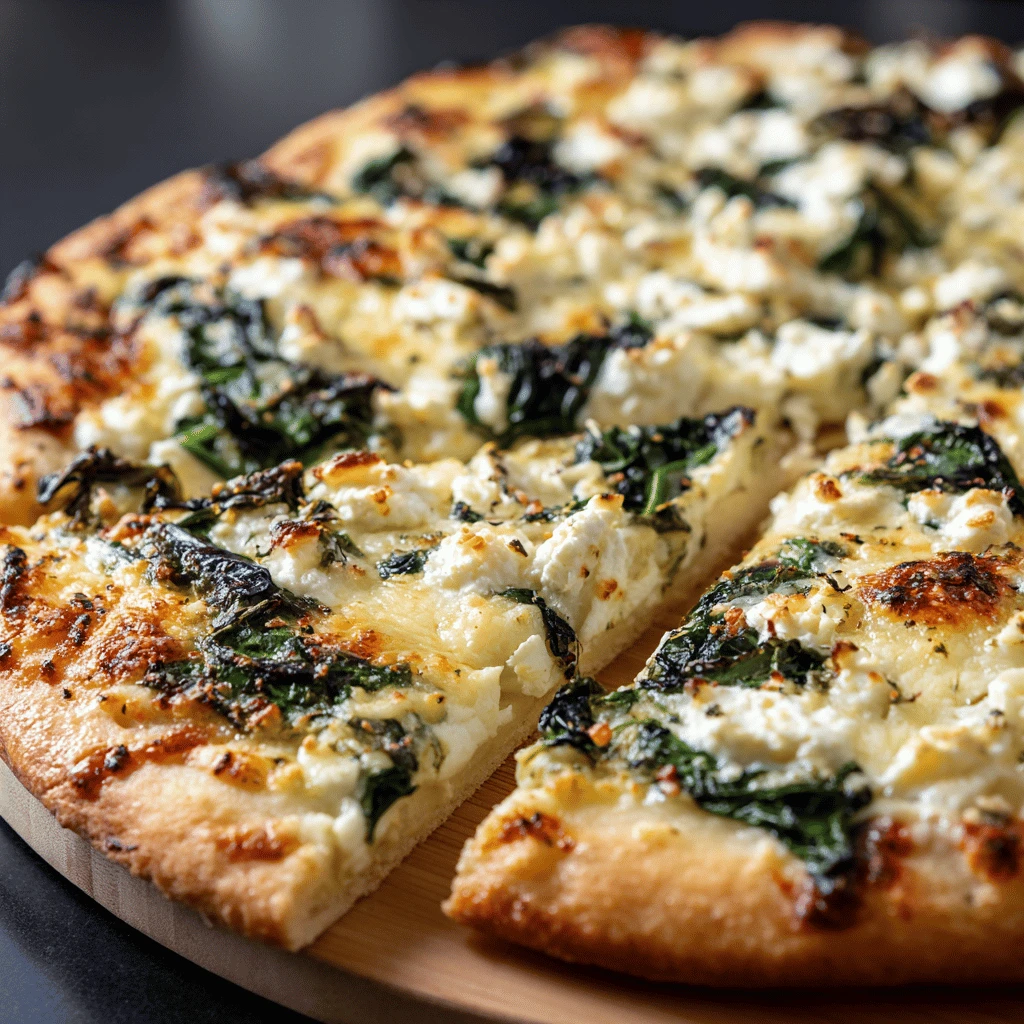
Spinach and Ricotta Pizza: A Flavorful Italian Classic Spinach and ricotta pizza offers a delightful twist on the classic Italian favorite. Combining the earthy goodness of spinach with the creamy richness of ricotta cheese, this pizza delivers a unique and satisfying flavor profile. Whether you’re a seasoned pizza maker or a beginner in the kitchen,…
Spinach and Ricotta Pizza: A Flavorful Italian Classic
Spinach and ricotta pizza offers a delightful twist on the classic Italian favorite. Combining the earthy goodness of spinach with the creamy richness of ricotta cheese, this pizza delivers a unique and satisfying flavor profile. Whether you’re a seasoned pizza maker or a beginner in the kitchen, this guide will provide you with everything you need to create a delicious spinach and ricotta pizza at home.
I. The Art of the Perfect Pizza Dough
The foundation of any great pizza is, without a doubt, the dough. Whether you prefer a thin and crispy crust or a thicker, chewier base, selecting and preparing your dough correctly is paramount.
A. Choosing Your Dough: Store-Bought vs. Homemade
The first decision you’ll need to make is whether to buy pre-made dough or create your own from scratch.
- Store-Bought Dough: This option is convenient for busy individuals or those who are new to pizza making. Many grocery stores offer fresh or frozen pizza dough that can be easily rolled out and used. Look for dough that feels soft and pliable, and avoid any packages that appear dried out or cracked.
- Homemade Dough: For a truly authentic pizza experience, making your own dough is highly recommended. The process allows you to control the ingredients and achieve your desired texture. Basic pizza dough typically consists of flour, water, yeast, olive oil, and salt. There are countless recipes available online, catering to various skill levels and preferences.
B. Preparing the Dough for Success
Regardless of whether you opt for store-bought or homemade dough, proper preparation is key to achieving the perfect crust.
- Allowing Time to Rise (Homemade Dough): If you’re making your own dough, ensure you give it enough time to rise. This process allows the yeast to activate and develop the gluten, resulting in a light and airy crust. Follow the instructions in your chosen recipe for optimal rising times.
- Bringing Dough to Room Temperature: Both store-bought and homemade dough should be brought to room temperature before rolling. This makes the dough more pliable and easier to work with. Allow the dough to sit at room temperature for about 30 minutes to an hour.
- Rolling Out the Dough: Gently roll out the dough on a lightly floured surface, using a rolling pin or your hands. Aim for an even thickness, avoiding overly thin or thick spots. If you prefer a rustic look, don’t worry about achieving a perfect circle.
II. Crafting the Spinach and Ricotta Filling
The heart of this pizza lies in its flavorful filling. Spinach and ricotta, when combined with the right seasonings, create a symphony of taste that is both comforting and satisfying.
A. Preparing the Spinach: Fresh vs. Frozen
You can use either fresh or frozen spinach for your pizza. Each option has its advantages and disadvantages.
- Fresh Spinach: Fresh spinach offers a vibrant color and a slightly more pronounced flavor. However, it requires thorough washing and wilting before use. To wilt fresh spinach, simply sauté it in a pan with a little olive oil and garlic until it softens and reduces in volume.
- Frozen Spinach: Frozen spinach is a convenient option that requires minimal preparation. Be sure to thaw it completely and squeeze out any excess water before adding it to your pizza. This step is crucial to prevent a soggy crust.
B. Enhancing the Ricotta Cheese
Ricotta cheese provides a creamy and delicate base for the spinach. Enhancing it with a few simple ingredients will elevate the flavor profile of your pizza.
- Adding Seasonings: Combine the ricotta cheese with salt, pepper, garlic powder, and a pinch of nutmeg. These seasonings will add depth and complexity to the cheese.
- Mixing with Egg (Optional): For a richer and more cohesive filling, consider adding a beaten egg to the ricotta mixture. The egg will help bind the ingredients together and create a smoother texture.
- Lemon Zest: A touch of lemon zest can brighten the flavors of the ricotta and spinach, adding a refreshing citrusy note to the pizza.
C. Combining Spinach and Ricotta
Once the spinach and ricotta are prepared, gently combine them in a bowl. Ensure that the spinach is evenly distributed throughout the cheese mixture. Taste and adjust the seasonings as needed to achieve your desired flavor balance.
III. Assembling and Baking Your Pizza
With your dough and filling ready, it’s time to assemble and bake your spinach and ricotta pizza. This is where your culinary vision comes to life.
A. Preparing the Pizza Base
- Brushing with Olive Oil: Brush the rolled-out dough with a thin layer of olive oil. This will help prevent the crust from becoming soggy and add a subtle flavor.
- Adding a Base Sauce (Optional): While spinach and ricotta pizza is often enjoyed without a traditional tomato sauce, you can add a thin layer of pesto or a light garlic sauce if you prefer.
B. Layering the Spinach and Ricotta Filling
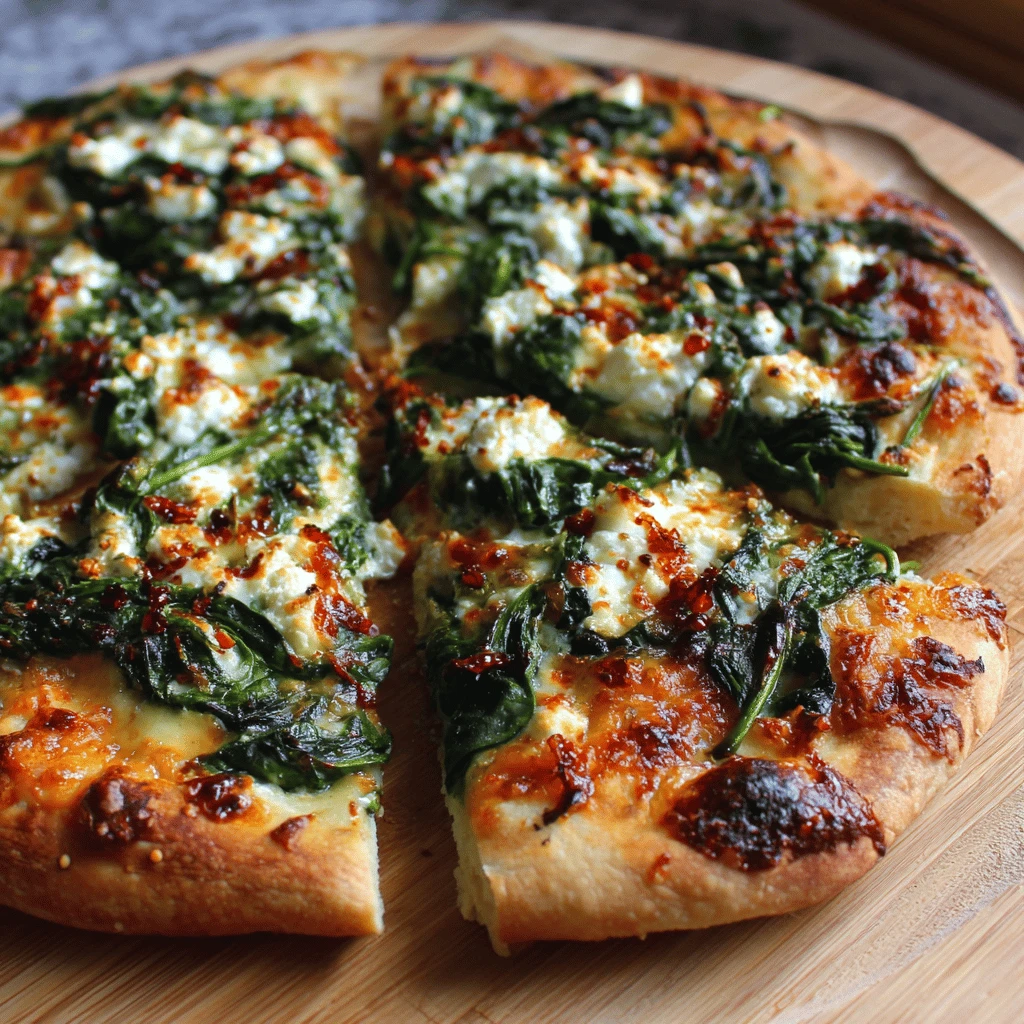
Spread the spinach and ricotta mixture evenly over the pizza base, leaving a small border around the edge for the crust. Be careful not to overload the pizza, as this can make it difficult to bake evenly.
C. Adding Toppings
- Mozzarella Cheese: Sprinkle shredded mozzarella cheese over the spinach and ricotta filling. Mozzarella adds a classic pizza flavor and helps bind the toppings together.
- Parmesan Cheese: Grate Parmesan cheese over the pizza for a salty and savory touch.
- Red Pepper Flakes (Optional): If you like a little heat, sprinkle a pinch of red pepper flakes over the pizza.
D. Baking to Perfection
- Oven Temperature and Baking Time: Preheat your oven to a high temperature, typically between 450°F and 500°F (232°C to 260°C). Bake the pizza for 12-15 minutes, or until the crust is golden brown and the cheese is melted and bubbly.
- Using a Pizza Stone: For an even crispier crust, consider using a pizza stone. Place the pizza stone in the oven while it preheats. Then, carefully slide the assembled pizza onto the hot stone using a pizza peel.
- Checking for Doneness: To ensure that the pizza is fully cooked, check the bottom of the crust. It should be golden brown and firm to the touch.
IV. Serving and Enjoying Your Creation
Once your spinach and ricotta pizza is baked to perfection, it’s time to serve and savor your delicious creation.
A. Letting it Rest
Allow the pizza to cool for a few minutes before slicing. This will prevent the toppings from sliding off and make it easier to handle.
B. Garnishing (Optional)
- Fresh Basil: Garnish the pizza with fresh basil leaves for a burst of freshness and aroma.
- A Drizzle of Olive Oil: A drizzle of extra virgin olive oil can add a final touch of flavor and richness.
- A Sprinkle of Parmesan: Another sprinkle of Parmesan cheese can enhance the savory notes.
C. Pairing Suggestions
Spinach and ricotta pizza pairs well with a variety of beverages and side dishes.
- Wine: A crisp white wine, such as Pinot Grigio or Sauvignon Blanc, complements the flavors of the pizza beautifully.
- Salad: A simple green salad with a light vinaigrette provides a refreshing contrast to the richness of the pizza.
- Garlic Bread: Garlic bread is a classic pizza accompaniment that adds a comforting and familiar element to the meal.
V. Variations and Customizations
The basic spinach and ricotta pizza recipe can be easily adapted to suit your personal preferences and dietary needs.
A. Adding Vegetables
- Mushrooms: Sautéed mushrooms add an earthy and savory flavor to the pizza.
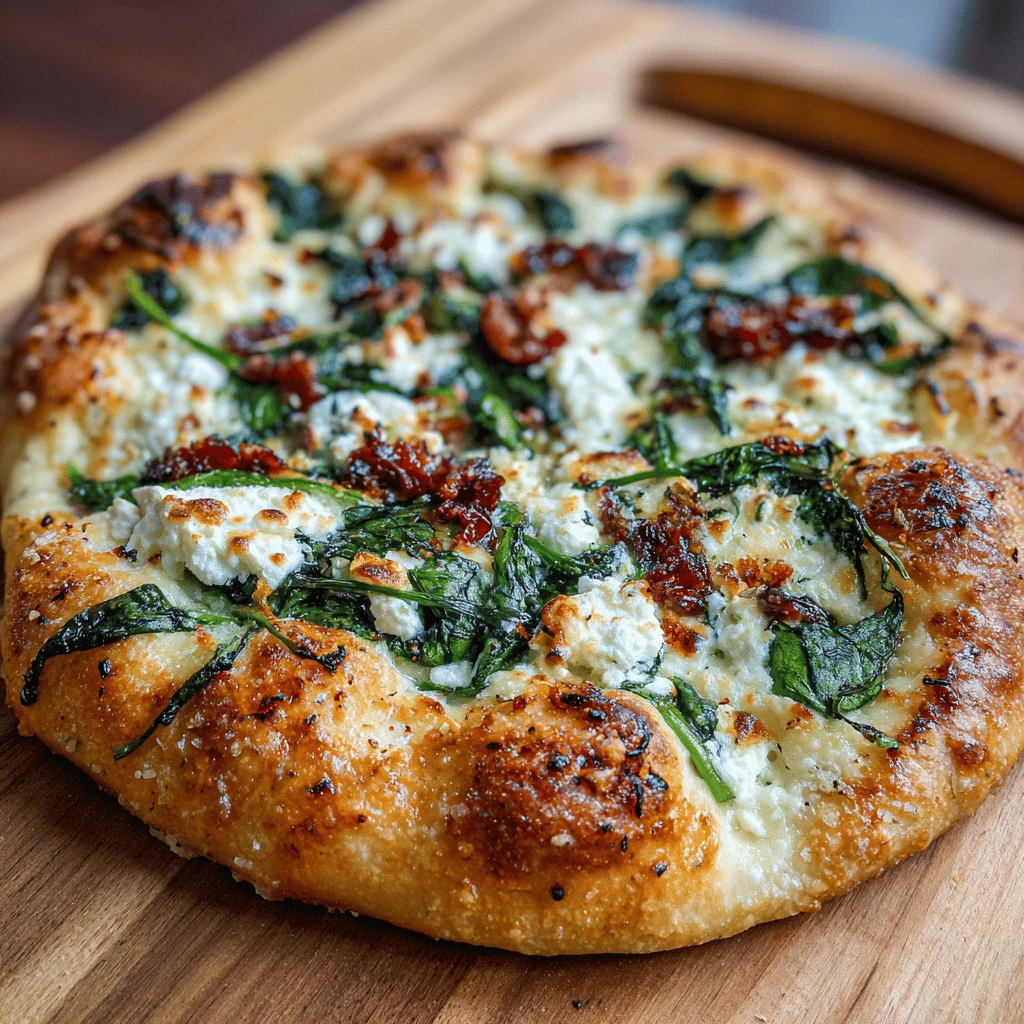
- Sun-Dried Tomatoes: Sun-dried tomatoes provide a tangy and slightly sweet element.
- Artichoke Hearts: Artichoke hearts offer a briny and slightly acidic flavor.
B. Incorporating Different Cheeses
- Goat Cheese: Goat cheese adds a tangy and creamy element that pairs well with spinach and ricotta.
- Provolone: Provolone cheese provides a slightly sharper and more robust flavor than mozzarella.
- Feta: Feta cheese adds a salty and crumbly texture to the pizza.
C. Gluten-Free and Vegan Options
- Gluten-Free Dough: Use a gluten-free pizza dough recipe or purchase pre-made gluten-free dough for a gluten-free option.
- Vegan Cheese: Substitute vegan ricotta and mozzarella cheese for dairy-based cheeses to create a vegan spinach and ricotta pizza.
- Nutritional Yeast: Sprinkle nutritional yeast over the pizza for a cheesy flavor.
Frequently Asked Questions (FAQ)
- Can I use pre-shredded mozzarella? Yes, pre-shredded mozzarella is convenient, but freshly grated mozzarella melts more smoothly.
- How do I prevent my pizza crust from getting soggy? Ensure you squeeze out all excess moisture from the spinach. Also, don’t overload the pizza with toppings. Baking on a preheated pizza stone helps crisp the crust.
- What is the best way to reheat leftover pizza? Reheat pizza in a preheated oven at 350°F (175°C) for a few minutes, or in a skillet over medium heat for a crispy crust.
- Can I freeze spinach and ricotta pizza? Yes, you can freeze it. Bake the pizza completely, let it cool, then wrap it tightly in plastic wrap and foil. Freeze for up to 2-3 months. Thaw completely before reheating.
- Can I add garlic to the spinach and ricotta mixture? Absolutely! Minced garlic adds a wonderful flavor boost. Sauté it with the spinach for the best results.