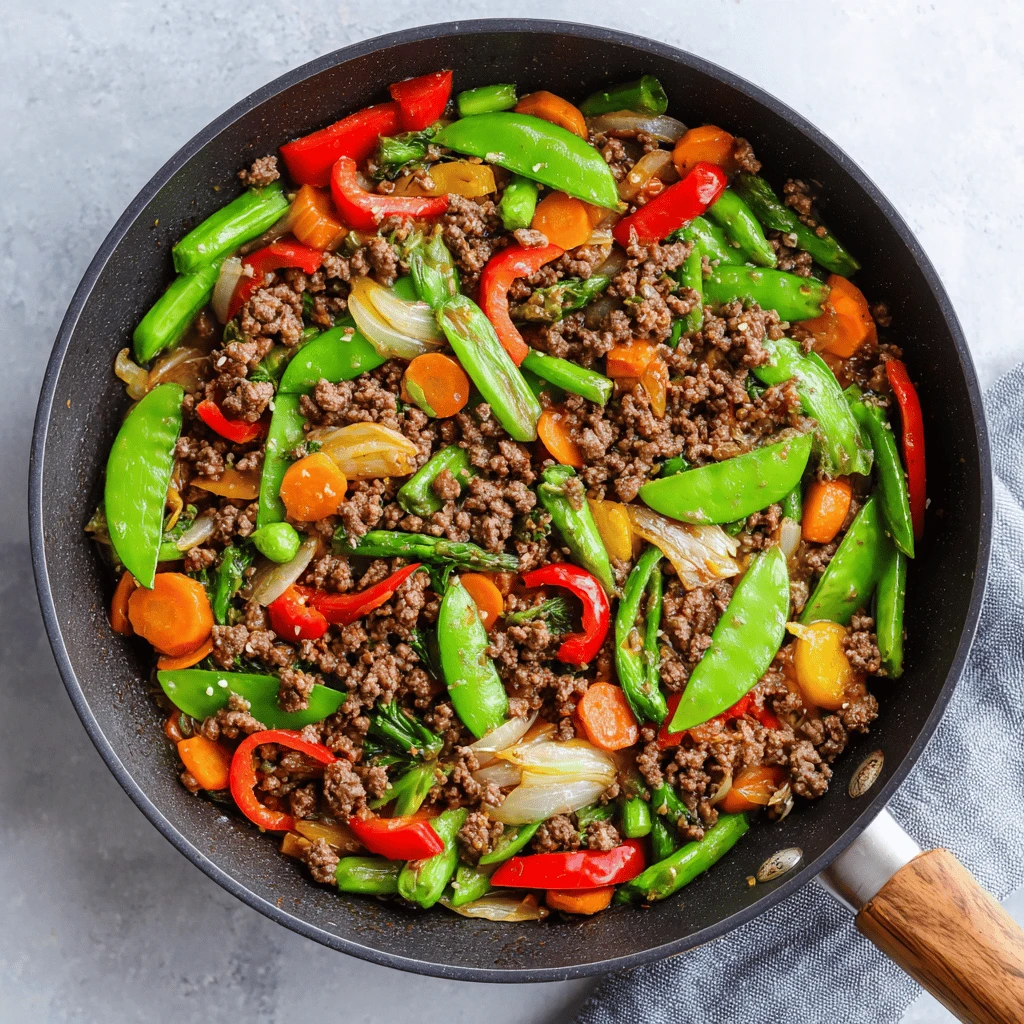
Ground Beef Stir-Fry with Vegetables: A Quick, Healthy, and Flavorful Meal Ground beef stir-fry with vegetables is a weeknight dinner champion. It’s quick, customizable, and packed with protein and essential nutrients. This recipe is designed to be easy to follow, using readily available ingredients, and adaptable to your personal preferences. Let’s dive into how to…
Ground Beef Stir-Fry with Vegetables: A Quick, Healthy, and Flavorful Meal
Ground beef stir-fry with vegetables is a weeknight dinner champion. It’s quick, customizable, and packed with protein and essential nutrients. This recipe is designed to be easy to follow, using readily available ingredients, and adaptable to your personal preferences. Let’s dive into how to create a delicious and satisfying ground beef stir-fry that will become a staple in your kitchen.
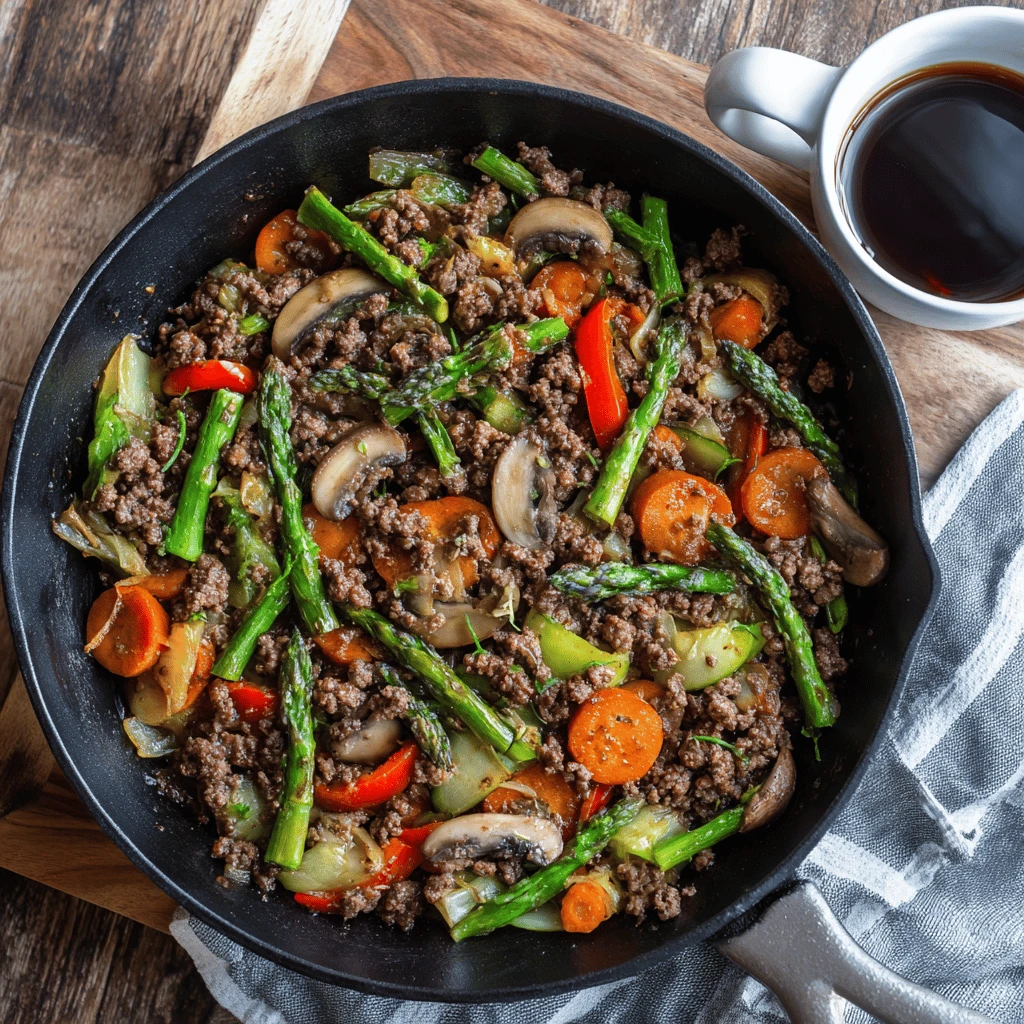
Choosing Your Ground Beef and Vegetables
The foundation of a great stir-fry lies in the quality of your ingredients. Selecting the right ground beef and a colorful mix of vegetables will significantly impact the final flavor and nutritional value.
Selecting the Right Ground Beef
The lean-to-fat ratio of your ground beef is important. For stir-fry, opting for lean ground beef (90% lean or higher) is recommended. This helps to minimize excess grease during cooking, preventing a soggy stir-fry. Excess fat can also dilute the flavors of the other ingredients. If you are using a higher fat percentage, be sure to drain off the excess grease after browning the beef.
You can also consider using ground bison or turkey as healthier alternatives to ground beef. These options offer a similar texture and protein content, while being lower in fat. Regardless of your choice, ensure the ground meat is fresh and properly stored before use.
Building a Colorful Vegetable Medley
One of the best aspects of ground beef stir-fry is its versatility when it comes to vegetables. Aim for a mix of colors and textures to create a visually appealing and nutritionally balanced dish. Some excellent choices include:
- Bell Peppers: Red, yellow, and orange bell peppers add sweetness and a satisfying crunch.
- Broccoli Florets: Broccoli provides a good source of fiber and a slightly bitter counterpoint to the other vegetables.
- Carrots: Sliced carrots offer sweetness and a firm texture.
- Snap Peas: Snap peas add a refreshing sweetness and a delightful crispness.
- Onions: Onions form the base of many stir-fries, adding depth of flavor. Yellow or white onions work well.
- Mushrooms: Sliced mushrooms contribute an earthy flavor and a meaty texture.
- Zucchini: Zucchini cooks quickly and adds a mild flavor that complements the other vegetables.
- Bean Sprouts: Bean sprouts add a delicate crunch and a fresh flavor.
Feel free to get creative and use whatever vegetables you have on hand. Frozen vegetable mixes can also be a convenient option, especially when time is short. Just be sure to thaw and drain them before adding them to the stir-fry to prevent excess moisture.
Crafting the Perfect Stir-Fry Sauce
The sauce is what brings all the elements of the stir-fry together. A well-balanced sauce should be savory, slightly sweet, and have a touch of acidity. Here’s a basic recipe you can adapt to your liking:
Basic Stir-Fry Sauce Recipe
- Soy Sauce: Provides the base savory flavor. Use low-sodium soy sauce to control the saltiness.
- Oyster Sauce: Adds depth and umami. If you’re vegetarian, use a mushroom-based vegetarian oyster sauce.
- Rice Vinegar: Contributes acidity and balances the sweetness.
- Brown Sugar: Adds sweetness and helps to thicken the sauce.
- Sesame Oil: Provides a nutty aroma and flavor.
- Garlic and Ginger: Essential aromatics that add depth and complexity.
- Cornstarch: Helps to thicken the sauce and give it a glossy finish.
- Red Pepper Flakes (Optional): For a touch of heat.
Instructions:
1. In a small bowl, whisk together all the sauce ingredients until the cornstarch is fully dissolved.
2. Set aside until ready to use.
Adjusting the Sauce to Your Taste
The beauty of stir-fry sauce is that it’s easily customizable. Here are some ideas for variations:
- For more heat: Add more red pepper flakes, a dash of chili oil, or a minced Thai chili.
- For more sweetness: Increase the amount of brown sugar or add a drizzle of honey.
- For more tang: Add a squeeze of lime juice or a splash of rice vinegar.
- For a deeper flavor: Add a teaspoon of hoisin sauce or black bean sauce.
Experiment with different combinations until you find a sauce that you love.
The Stir-Fry Cooking Process: Step-by-Step
Now that you have your ingredients prepped and your sauce ready, it’s time to start cooking. The key to a successful stir-fry is to work quickly and efficiently, ensuring that the ingredients are cooked evenly and retain their texture.
Preparing Your Ingredients
Before you start cooking, make sure all your ingredients are prepped and within easy reach. This includes:
- Chopping the vegetables into bite-sized pieces.
- Mincing the garlic and ginger.
- Measuring out the sauce ingredients.
- Having your cooked rice or noodles ready to serve.
Cooking the Ground Beef
1. Heat a large skillet or wok over medium-high heat.
2. Add a tablespoon of cooking oil (such as vegetable oil or canola oil) to the skillet.
3. Add the ground beef and cook, breaking it up with a spoon, until it is browned and cooked through.
4. Drain off any excess grease.
5. Remove the ground beef from the skillet and set aside.
Stir-Frying the Vegetables
1. Add another tablespoon of cooking oil to the skillet.
2. Add the onions and cook until softened, about 2-3 minutes.
3. Add the garlic and ginger and cook until fragrant, about 30 seconds.
4. Add the remaining vegetables, starting with the ones that take longer to cook (such as carrots and broccoli).
5. Stir-fry the vegetables until they are tender-crisp, about 5-7 minutes.
6. If the vegetables start to stick to the skillet, add a tablespoon of water or broth to deglaze the pan.
Combining and Serving
1. Return the cooked ground beef to the skillet with the vegetables.
2. Pour the stir-fry sauce over the mixture and stir well to coat everything evenly.
3. Cook for another 1-2 minutes, until the sauce has thickened and the ingredients are heated through.
4. Serve the ground beef stir-fry over rice or noodles.
5. Garnish with sesame seeds, chopped green onions, or a drizzle of sesame oil.
Serving Suggestions and Variations
Ground beef stir-fry is incredibly versatile and can be customized to suit your dietary needs and preferences. Here are some ideas for serving suggestions and variations:
Serving Suggestions
- Rice: Serve over steamed white rice, brown rice, or jasmine rice.
- Noodles: Serve over cooked egg noodles, rice noodles, or soba noodles.
- Quinoa: For a healthier option, serve over cooked quinoa.
- Lettuce Wraps: For a low-carb option, serve the stir-fry in lettuce wraps.
- Spring Rolls: Use the stir-fry as a filling for spring rolls.
Variations
- Spicy Stir-Fry: Add more red pepper flakes, a dash of chili oil, or a minced Thai chili to the sauce.
- Sweet and Sour Stir-Fry: Add pineapple chunks and a sweet and sour sauce.
- Peanut Stir-Fry: Add peanut butter to the sauce and garnish with chopped peanuts.
- Cashew Stir-Fry: Add cashews to the stir-fry for a crunchy texture.
- Vegetarian Stir-Fry: Omit the ground beef and add tofu or tempeh.
- Low-Carb Stir-Fry: Serve over cauliflower rice or zucchini noodles.
Frequently Asked Questions
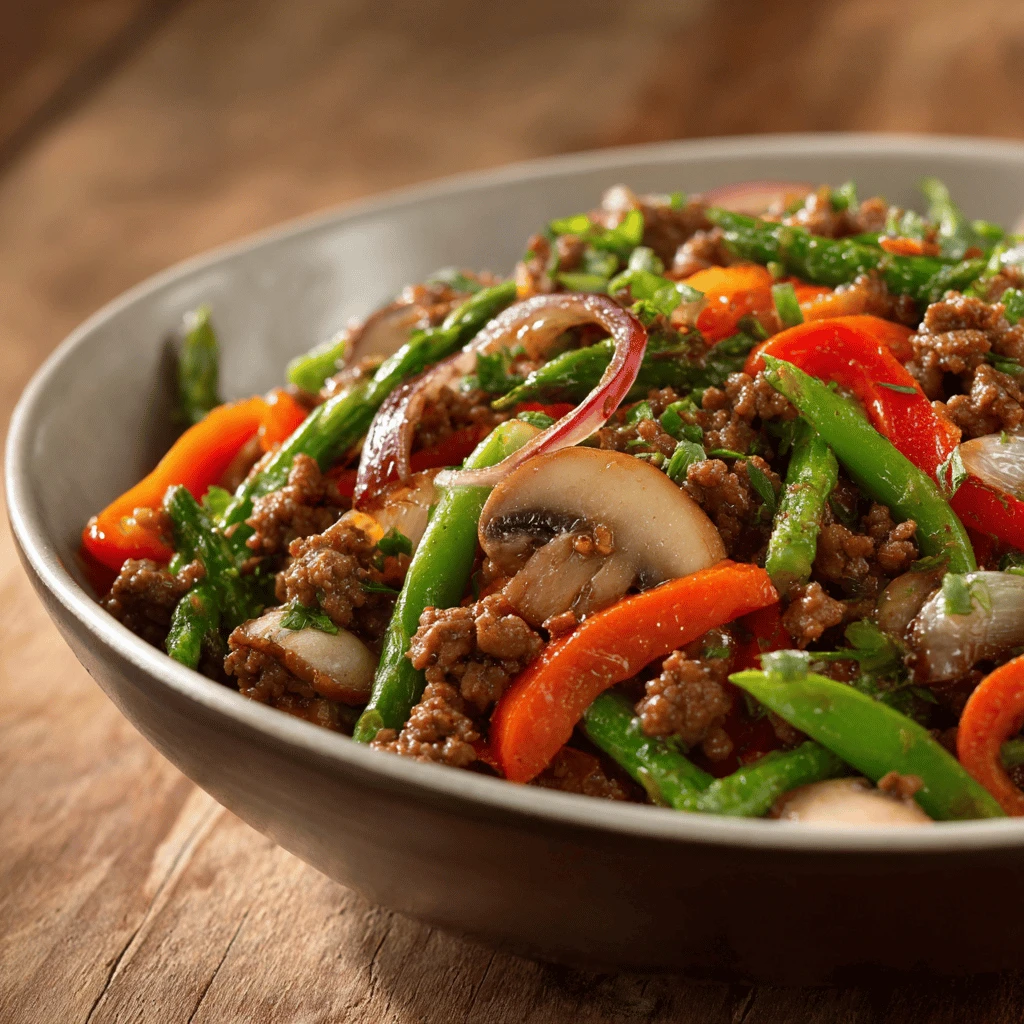
Here are some common questions about making ground beef stir-fry:
-
- Can I use frozen vegetables in stir-fry?
Yes, you can use frozen vegetables in stir-fry. Thaw and drain them before adding them to the skillet to prevent excess moisture.
-
- How do I prevent my stir-fry from being soggy?
Use lean ground beef, drain off any excess grease, don't overcrowd the skillet, and use high heat.
-
- Can I make stir-fry ahead of time?
Yes, you can make stir-fry ahead of time, but the vegetables may become softer. Store it in an airtight container in the refrigerator for up to 3 days.
-
- What kind of oil is best for stir-fry?
Vegetable oil, canola oil, peanut oil, or sesame oil are all good choices for stir-fry.
-
- How do I thicken stir-fry sauce?
Cornstarch is a common ingredient used to thicken stir-fry sauce. Make sure to dissolve it in cold water before adding it to the sauce.
-
- What can I use instead of oyster sauce?
If you don't have oyster sauce, you can use hoisin sauce or a mushroom-based vegetarian oyster sauce. Soy sauce can also be used as a substitute, but it won't have the same depth of flavor.
-
- How do I store leftover stir-fry?
Store leftover stir-fry in an airtight container in the refrigerator for up to 3 days. Reheat it in a skillet or microwave until heated through.