Sweet Potato Mash for Thanksgiving: A Festive and Flavorful Side Dish Sweet potato mash is a Thanksgiving staple that offers a delightful alternative to traditional mashed potatoes. Its vibrant color, naturally sweet flavor, and creamy texture make it a crowd-pleaser for both adults and kids alike. This guide will walk you through creating the perfect…
Sweet Potato Mash for Thanksgiving: A Festive and Flavorful Side Dish
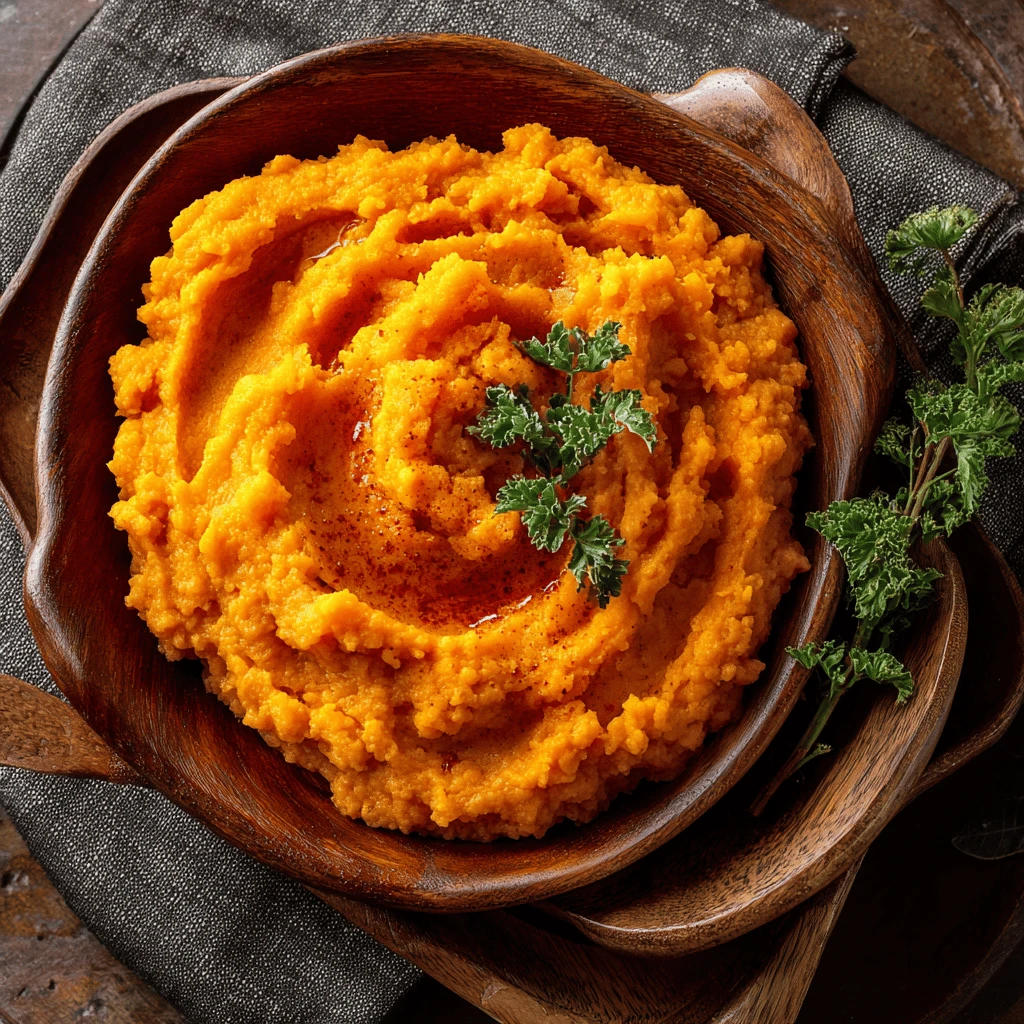
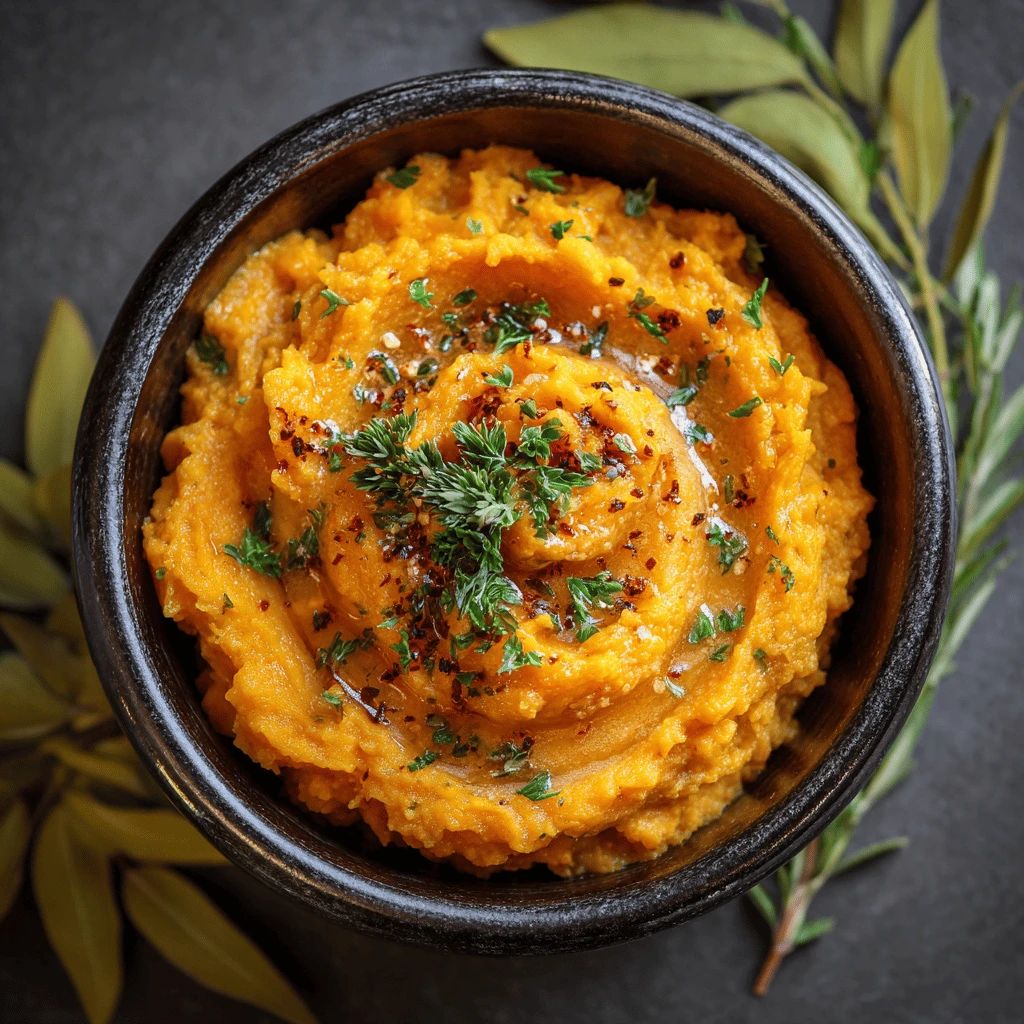
Sweet potato mash is a Thanksgiving staple that offers a delightful alternative to traditional mashed potatoes. Its vibrant color, naturally sweet flavor, and creamy texture make it a crowd-pleaser for both adults and kids alike. This guide will walk you through creating the perfect sweet potato mash, from selecting the best sweet potatoes to customizing the flavor profile with various additions.
Choosing the Right Sweet Potatoes
The foundation of any great sweet potato mash lies in the quality of the sweet potatoes themselves. There are many varieties available, each with its own unique characteristics.
Garnet vs. Jewel Sweet Potatoes
The most common types of sweet potatoes you’ll find are garnet and jewel. Garnet sweet potatoes have a deep orange-red skin and a vibrant orange flesh that becomes incredibly soft and moist when cooked. They offer a slightly sweeter flavor. Jewel sweet potatoes, on the other hand, have a lighter, copper-colored skin and a paler orange flesh. They are slightly drier and have a more subtle sweetness. Both are excellent choices, and the best option depends on your personal preference. If you prefer a sweeter, more intensely flavored mash, go for garnet. If you want a more delicate sweetness, jewel sweet potatoes are a great alternative.
Selecting and Storing Sweet Potatoes
When selecting sweet potatoes, look for firm, smooth skin without any blemishes, soft spots, or sprouts. Avoid potatoes that appear wrinkled or dried out. The size of the potato doesn’t necessarily affect its quality, but try to choose potatoes that are similar in size for even cooking.
Store sweet potatoes in a cool, dark, and well-ventilated place, such as a pantry or cellar. Avoid storing them in the refrigerator, as this can cause them to develop a hard core and alter their flavor. Properly stored sweet potatoes can last for several weeks.
Preparing the Sweet Potatoes
Once you’ve selected your sweet potatoes, the next step is to prepare them for cooking. There are several methods you can use, each offering slightly different results.
Roasting for Enhanced Flavor
Roasting sweet potatoes is a favorite method because it intensifies their natural sweetness and adds a depth of flavor. To roast, preheat your oven to 400°F (200°C). Wash and scrub the sweet potatoes thoroughly. You can either pierce them several times with a fork or peel them before roasting. If you choose to peel them, cut them into uniform chunks for even cooking.
Toss the sweet potatoes with a tablespoon or two of olive oil, coconut oil, or melted butter, and season with salt and pepper. Spread them in a single layer on a baking sheet and roast for 45-60 minutes, or until they are very soft and easily pierced with a fork.
Boiling for a Quicker Option
Boiling is a quicker method for cooking sweet potatoes, making it a convenient choice when you’re short on time. Peel the sweet potatoes and cut them into uniform chunks. Place them in a large pot and cover them with cold water. Bring the water to a boil and cook for 15-20 minutes, or until the sweet potatoes are tender when pierced with a fork. Drain the water and proceed with mashing.
Steaming for Nutrient Retention
Steaming is a gentle cooking method that helps to retain more of the sweet potatoes’ nutrients. Peel the sweet potatoes and cut them into uniform chunks. Place them in a steamer basket set over a pot of boiling water. Cover the pot and steam for 20-25 minutes, or until the sweet potatoes are tender.
Mashing and Seasoning
Once the sweet potatoes are cooked, it’s time to mash them and add your desired seasonings.
Achieving the Perfect Texture
For a smooth and creamy mash, use a potato ricer or a food mill. These tools will break down the sweet potatoes without overworking them, which can result in a gummy texture. If you don’t have a ricer or food mill, you can use a standard potato masher, but be careful not to over-mash.
Alternatively, you can use an electric mixer on low speed, but be mindful of over-mixing. For a chunkier mash, simply mash the sweet potatoes with a fork, leaving some larger pieces.
Flavor Enhancements and Additions
This is where you can get creative and customize your sweet potato mash to your liking. Here are some popular additions:
- Butter or Cream: Adding butter or cream will enrich the flavor and create a smoother, more luxurious texture. Start with a couple of tablespoons and add more to taste.
- Milk or Broth: If you prefer a lighter mash, use milk or vegetable broth instead of cream. This will add moisture without adding extra richness.
- Maple Syrup or Honey: A touch of maple syrup or honey will enhance the natural sweetness of the sweet potatoes. Start with a teaspoon and add more to taste.
- Spices: Warm spices like cinnamon, nutmeg, ginger, and allspice complement the flavor of sweet potatoes beautifully. Start with a pinch of each and adjust to your preference.
- Brown Sugar: A sprinkle of brown sugar adds a molasses-like sweetness that pairs well with sweet potatoes.
- Citrus Zest: A little orange or lemon zest brightens the flavor of the mash and adds a refreshing note.
- Fresh Herbs: Fresh herbs like thyme, rosemary, or sage can add a savory element to the mash. Chop them finely and add them towards the end of cooking.
- Nuts: Toasted pecans or walnuts add a delightful crunch and nutty flavor.
- Marshmallows: For a classic Thanksgiving treat, top the sweet potato mash with mini marshmallows and broil until golden brown.
Seasoning with Salt and Pepper
Don’t forget to season your sweet potato mash with salt and pepper to taste. Salt enhances the sweetness of the sweet potatoes, while pepper adds a subtle warmth.
Serving and Storage
Sweet potato mash is best served warm. You can prepare it ahead of time and reheat it before serving.
Reheating Instructions
To reheat sweet potato mash, place it in a saucepan over low heat and add a splash of milk or broth to prevent it from drying out. Stir frequently until heated through. You can also reheat it in the microwave in 1-2 minute intervals, stirring in between.
Storage Tips
Store leftover sweet potato mash in an airtight container in the refrigerator for up to 3-4 days. You can also freeze it for up to 2-3 months. Thaw it overnight in the refrigerator before reheating.
Serving Suggestions
Sweet potato mash is a versatile side dish that pairs well with a variety of Thanksgiving mains, including roasted turkey, ham, and vegetarian options like lentil loaf or stuffed squash. It also complements other Thanksgiving sides like stuffing, cranberry sauce, and green bean casserole.
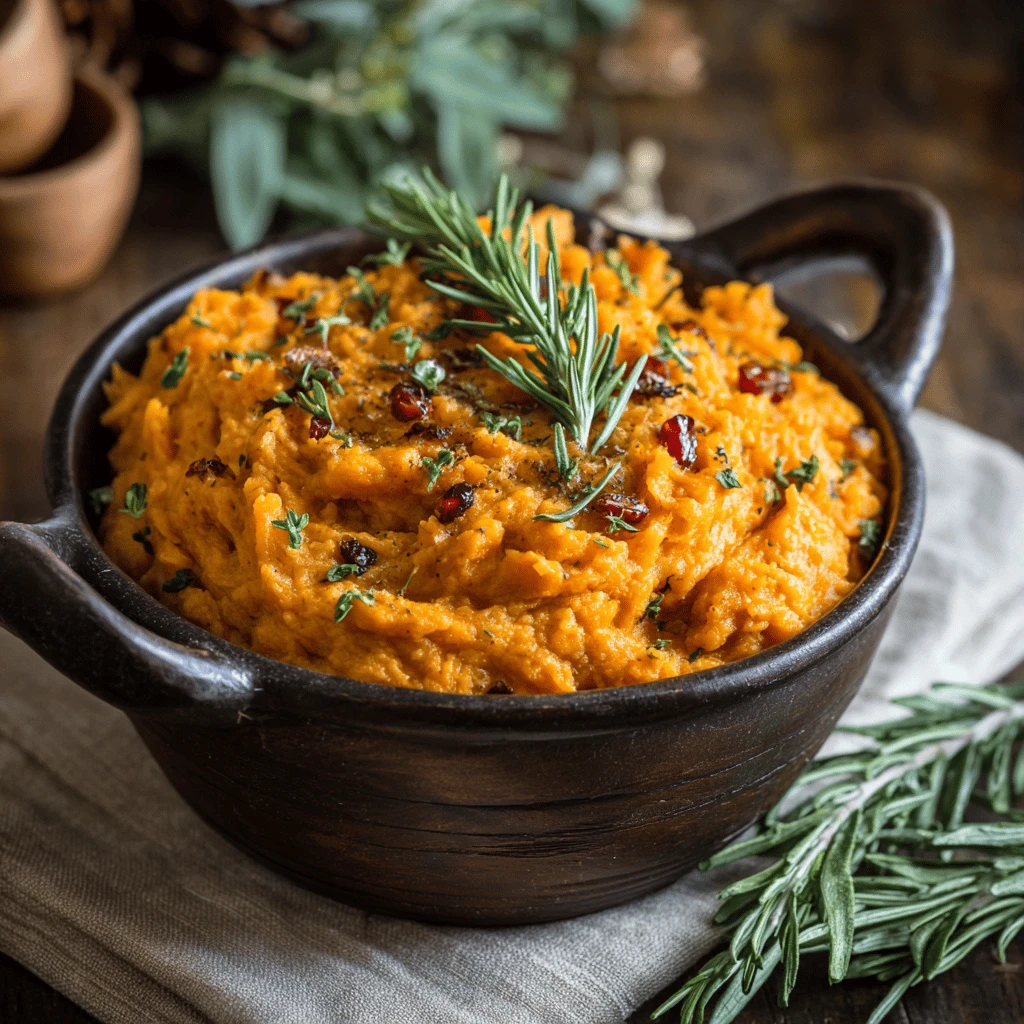
Garnish your sweet potato mash with a sprinkle of chopped nuts, fresh herbs, or a drizzle of maple syrup for an extra touch of elegance.
Frequently Asked Questions
- Can I make sweet potato mash ahead of time?
Yes, you can prepare sweet potato mash up to 2-3 days in advance. Store it in an airtight container in the refrigerator and reheat it before serving.
- Can I freeze sweet potato mash?
Yes, sweet potato mash freezes well. Let it cool completely before transferring it to an airtight container or freezer bag. Freeze for up to 2-3 months. Thaw overnight in the refrigerator before reheating.
- How can I prevent my sweet potato mash from being too watery?
Avoid overcooking the sweet potatoes, as this can cause them to absorb too much water. Drain the sweet potatoes well after boiling or steaming. When mashing, add liquids gradually until you reach the desired consistency.
- How can I make my sweet potato mash vegan?
Use plant-based butter or olive oil instead of dairy butter. Use plant-based milk or vegetable broth instead of dairy milk or cream. Sweeten with maple syrup or agave nectar instead of honey.
- What are some other ways to flavor sweet potato mash?
Experiment with different spices, herbs, and additions. Try adding a pinch of smoked paprika for a smoky flavor, or a splash of orange juice for a citrusy note. You can also add roasted garlic for a savory twist.
- How do I prevent the sweet potatoes from browning after peeling?
To prevent oxidation, cover the peeled sweet potatoes with water and a splash of lemon juice or lime juice until ready for cooking.
- What is the best way to peel sweet potatoes?
A vegetable peeler works great for peeling sweet potatoes. You can also parboil the sweet potatoes for a few minutes to loosen the skin, then peel them with a knife.